Archaeologists unearth remains of a rare 'slave room' in Pompeii

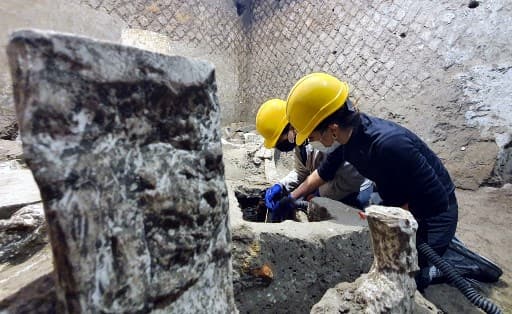
A photo handout by the Pompeii Archaeological Park shows archaeologists working in 'The room of Slaves'
Archaeologists in Pompeii have unearthed the remains of a “slave room” at a Roman villa amid the ruins of the 79 A.D. volcanic eruption that destroyed the ancient city.
Officials have hailed the discovery of a cramped dormitory and storage room saying that it offers “a very rare insight into the daily life of slaves.”
The room was discovered inCivita Giuliana suburban villa, just a few hundred metres from the rest of the ancient city. Pompeii was destroyed by Mount Vesuvius’ eruption nearly 2,000 years ago.

The room, with just one high window and no wall decorations, contains the remains of three beds made out of wood. The beds were adjustable, with two measuring 1.7 meters (nearly 5 feet, 7 inches) and one just 1.4 meters (4 feet, 7 inches), possibly indicating that a family with a child had lived there.
Nearby, a wooden chest contained metallic objects and textiles that “appear to be part of harnesses for horses,” according to the archaeological park. There also was a wooden steering element for a chariot.
“This is a window into the precarious reality of people who rarely appear in historical sources, written almost exclusively by men belonging to the elite,” said Pompeii’s director general Gabriel Zuchtriegel.
)
US Supreme Court backs Trump administration's use of SAVE database to check voter citizenship
)
Beijing to Washington! Ivanka Trump makes a style statement in Chinese designer Guo Pei for President Xi Jinping’s White House welcome
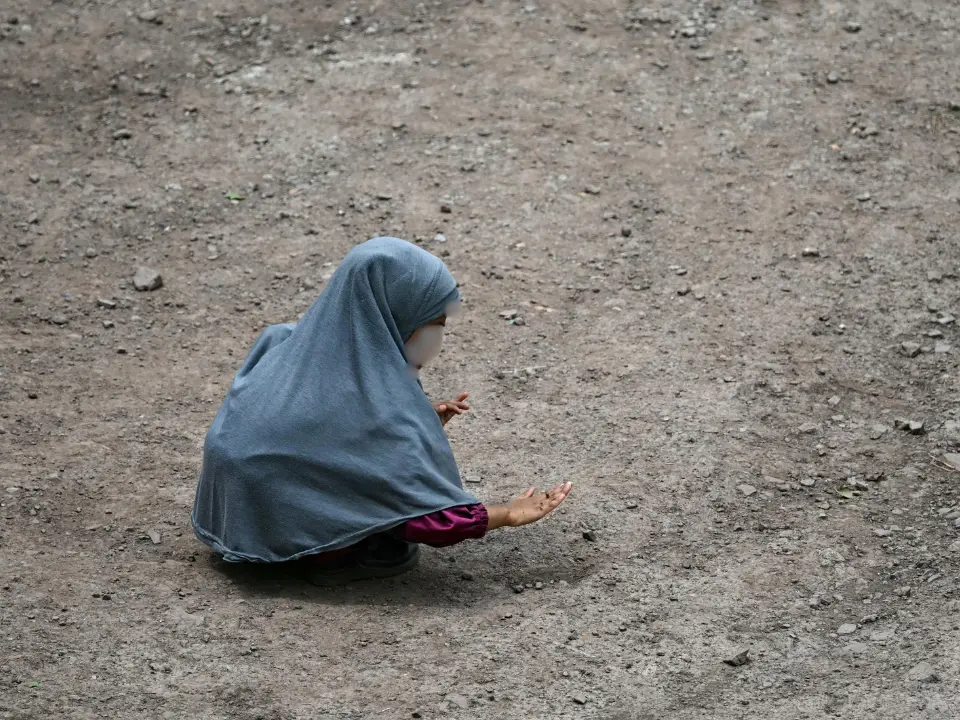)
Outrage erupts after 3-year-old is married to 60-year-old man in Pakistan, link to her sister's murder being probed
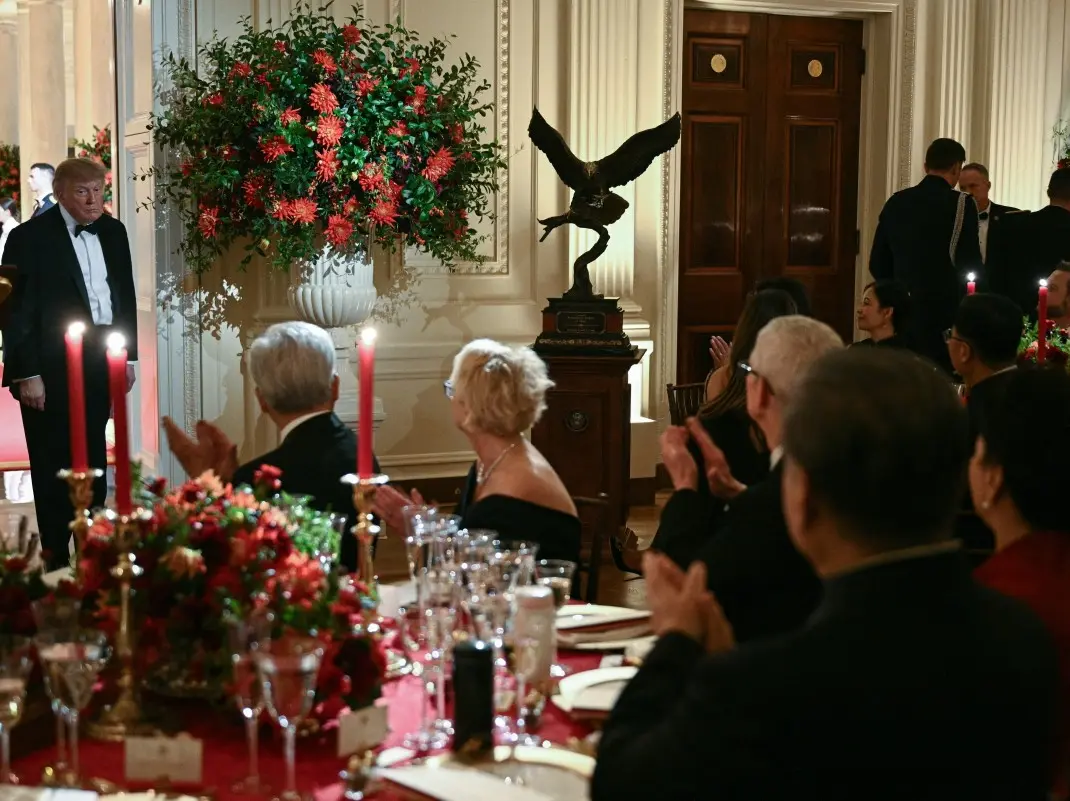)
Trump gifts Xi a bald eagle sculpture at White House dinner: Here’s what it symbolises
)
‘Not just a local tragedy’: Nepal PM Shah warns UN of growing climate threat, says Nepal floods were 'a warning to the world'
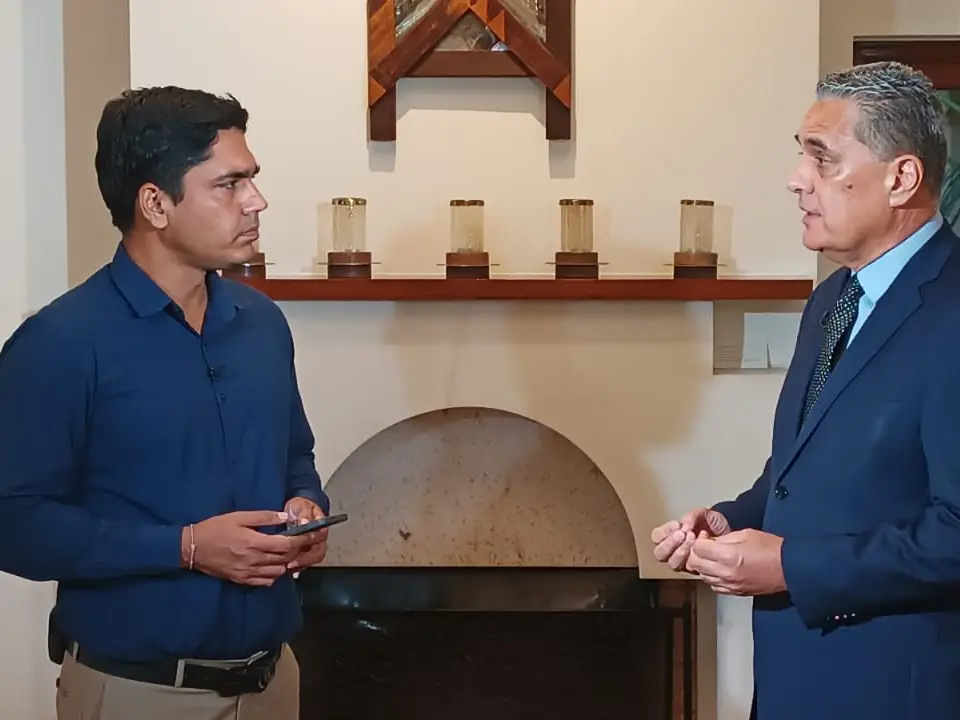)
India-New Zealand FTA is ‘an expression of trust’, NZ High Commissioner Patrick John Rata says
)
OpenAI AI Agents hacked 4 websites before Hugging Face, researchers reveal
)
Pentagon quietly adds 37 wounded troops to Iran war tally without explaining when or how
&im=FitAndFill=(700,400))
New Friday OTT releases (September 25, 2026): Don’t Be Shy, Hunkkaar: The Roar, Mango Pachcha- 6 movies and TV shows on Netflix, Prime Video and more
)
Watch: PM Modi joins Bhajan Clubbing event in Delhi on Deendayal Upadhyaya's birth anniversary
)
‘Attack on Mecca a red line for Pakistan’: Shehbaz Sharif warns Houthis at UN
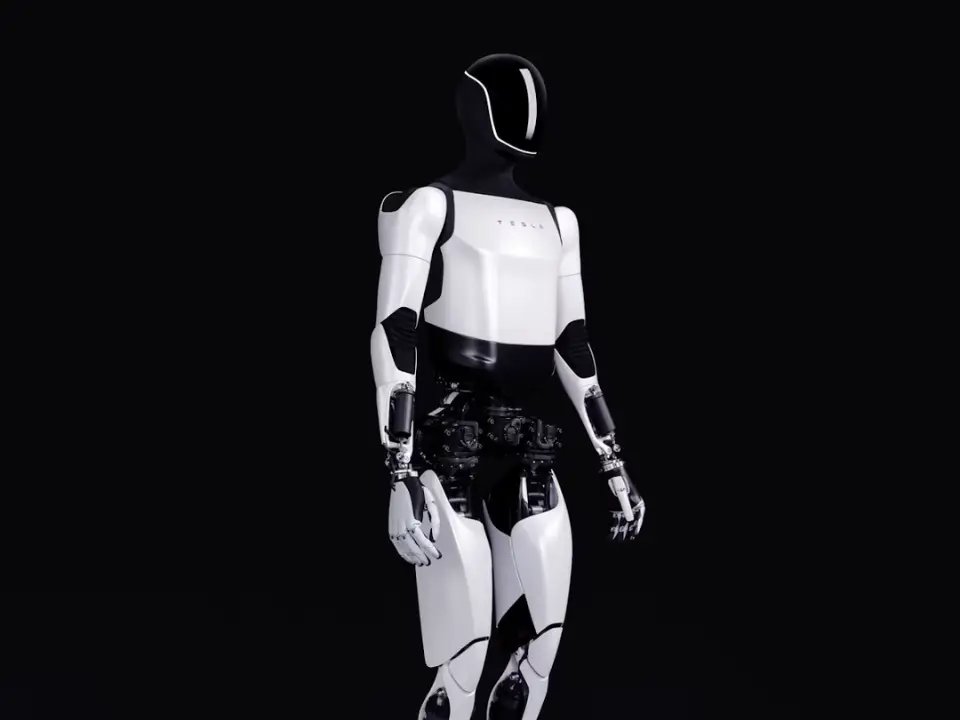)
Tesla is preparing something big for Optimus: new Gen 3 models surface in app
)
Bias or safety concerns? Bengaluru CEO says firm will not hire men from UP, Bihar, Rajasthan, MP. Here's why
)
Trump's welcome to Xi demonstrates 'attraction' to dictators: Chuck Schumer
)
Nigeria Navy moves to boost oil security, tackle crude theft and infrastructure threats
)
Scientists detect first radio signals directly from faraway planet
)
‘It is all possible’: Putin weighs next steps on Ukraine talks, rules out Europe conflict
)
Saudi Arabia, Turkey and Pakistan to hold urgent military talks amid intensifying Houthi attacks
)
Ex-Liverpool forward Mohamed Salah banned from driving in United Kingdom for six months
)
10,000 gather in support of 87-year-old forcefully evicted from home of 71 years
)
Meet Adrian Abraham: 9-year-old Indian-origin guitar prodigy aiming for a Guinness World Record
)
Red Sea crisis: Houthis promise not to target European ships; UNSC condemns Saudi attacks
)
'Blockbuster' nor'easter develops an eye similar to hurricanes as warnings are issued
)
Trump-Xi summit wrap: Big pageantry, Iran talks, few major developments and more meetings planned
)
'Making history': Xi Jinping praises Trump as US-China leaders dine at White House
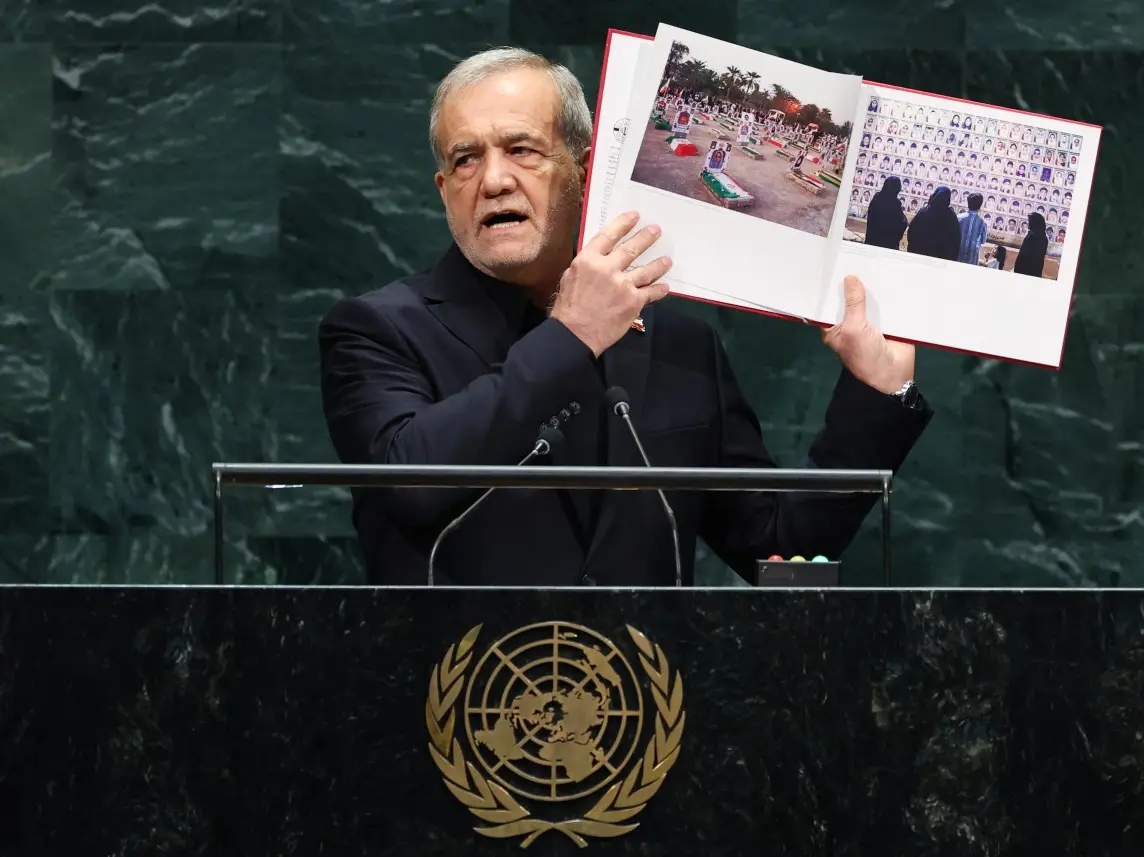)
'We do not wish to continue. It's America that must choose': Iran president Pezeshkian calls on US to end war
)
Exclusive | 'We always want to improve': Suruchi, Kamaljeet after winning Asian Games gold
)
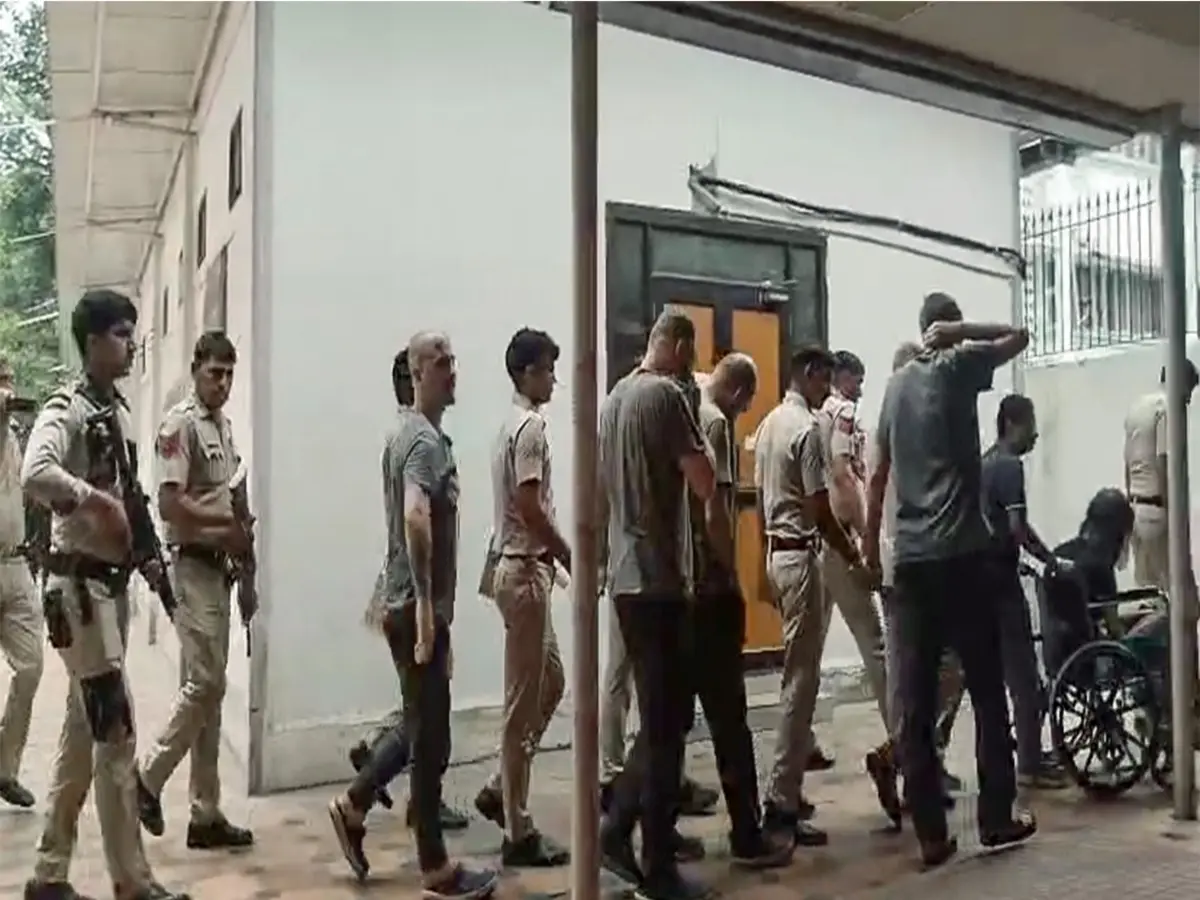
Bollywood mourns Mushtaq Khan: Sunny Deol, Rajpal Yadav and others pay tribute
)
Myanmar training camp case: US national, 6 Ukrainians allowed to meet their families abroad
)
99.9% more powerful - Scientists find boy who can recall memories from just 3 months of age
)
'FIRST LOOK from inside Noah’s Ark': Researchers share video from inside mysterious mound in Turkey
)
Trump made 'final decision' to give Ukraine Patriot missile production license: Zelensky
)
WATCH | As Shehbaz Sharif claims Pakistan’s ‘victory’ during 2025 conflict, Indian diplomat R Srinivas laughs at UN
)
'Fund people, not bombs': Hundreds take to New York streets as Netanyahu delivers speech at UN; dozens arrested
)
Susan Sarandon and Hannah Einbinder detained by NYPD outside UN Headquarters
)
'A terrorist country is asking me that question?': Jaishankar hits back at Pakistani journalist at UN; flags attacks on commercial shipping
)
Army chief reviews operational preparedness along LoC, visits mega eye camp in Tangdhar
&im=FitAndFill=(700,400))
‘Absolutely savage, sickening’: Zelensky slams Russia as daytime strikes kill 5 in Kyiv
)
US court backs Pentagon's decision to exclude Anthropic over Claude AI restrictions
The “unique testimony” into how “the weakest in the ancient society lived ... is certainly one of the most exciting discoveries in my life as an archaeologist,” he said in a press release.
“We can imagine here the servants, the slaves who worked in this area and came to sleep here at night,'” news agency AP quoted Gabriel Zuchtriegel, the director of Pompeii Archeological Park, as saying
“We know that it was definitely a life in precarious conditions,” he said.
Archaeologists also discovered the skeletal remains of two people, believed to have been a wealthy man and his male slave, who were stricken by volcanic ash attempting to escape death.
Italy’s culture minister, Dario Franceschini, said the find was “an important discovery that enriches the knowledge of the daily life of ancient Pompeiians, in particular the level of society still little known.”
Pompeii, which was rediscovered in the 18th century, is one of the most popular tourist attractions in Italy and repeatedly uncovers sensational finds.
(With inputs from agencies)