After Russian 'interference' in election, US to announce retaliatory measures today

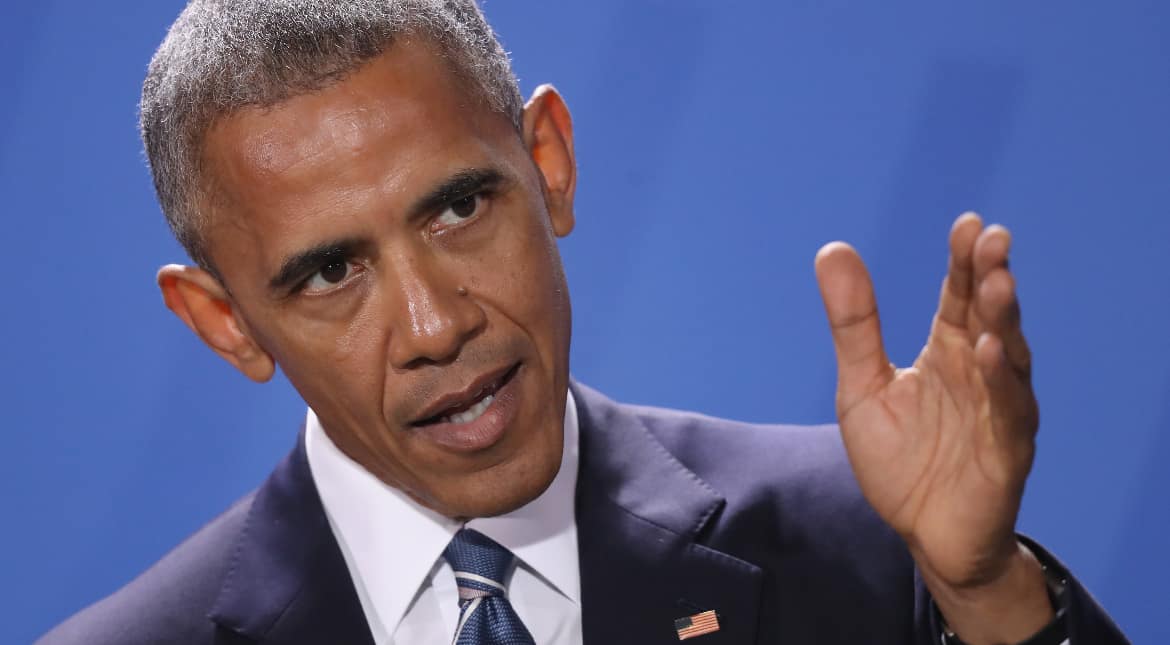
Obama
Possible steps include sanctions, indictments, leaks to embarrass Russian officials, and restrictions on Russian diplomats in the US
TheObamaadministration plans to announceon Thursday a series of retaliatory measures againstRussiafor hacking into USpolitical institutions and individuals and leaking information in an effort to help President-elect Donald Trump and other Republican candidates, two USofficials said on Wednesday.
Both officials declined to specify what actions President BarackObamahas approved, but said targeted economic sanctions, indictments, leaking information to embarrassRussian officials or oligarchs, and restrictions onRussian diplomats in the United States are among steps that have been discussed.

The US intelligence community has concluded that a hack-and-release of Democratic Party and Clinton staff emails was designed to put Trumpinto the Oval Office.
People tied to a Russian disinformation campaign that US intelligence officials say targeted Clinton's campaign may also be named under the plans, according to CNN.
&imwidth=180&imheight=135&format=webp&quality=medium)
Pakistan denies reports of PAF jets being used in attacks against Iran-backed Houthis in Yemen
&imwidth=180&imheight=135&format=webp&quality=medium)
Can you be mean to AI? Anthropic’s new rules explicitly ban cruelty to Claude
&imwidth=180&imheight=135&format=webp&quality=medium)
Trump has a new 'enemy': Anyone who calls it 'artificial intelligence'. Here's what we wants instead
&im=FitAndFill=(700,400)&imwidth=180&imheight=135&format=webp&quality=medium)
Food shortages, suicide attempts and more: USS Abraham Lincoln returns to US after 321 day deployment — What happened aboard the US carrier?
&imwidth=180&imheight=135&format=webp&quality=medium)
BTS agency HYBE announces first-ever Weverse Con Festival in India
&imwidth=180&imheight=135&format=webp&quality=medium)
Trump honours Microsoft CEO Satya Nadella with top technology honour amid immigration scrutiny
&imwidth=180&imheight=135&format=webp&quality=medium)
'I ended 8 wars': Trump slams Nobel Peace prize decision, claims award was his due
&imwidth=180&imheight=135&format=webp&quality=medium)
Russia president Putin promises to 'do everything' to help settle Middle East conflict as US-Iran negotiations stall
&imwidth=180&imheight=135&format=webp&quality=medium)
‘We will end ICC’: US sanctions International court, threatens to cripple hours after Navi Pillay wins Nobel Peace Prize
&imwidth=180&imheight=135&format=webp&quality=medium)
Delhi protest: Metro curbs, train cancellations, traffic diversions as protesters seek CEC Gyanesh Kumar’s resignation
&imwidth=180&imheight=135&format=webp&quality=medium)
UK navy hit by espionage scandal: Sailor accused of spying for Russia | Gravitas
&imwidth=180&imheight=135&format=webp&quality=medium)
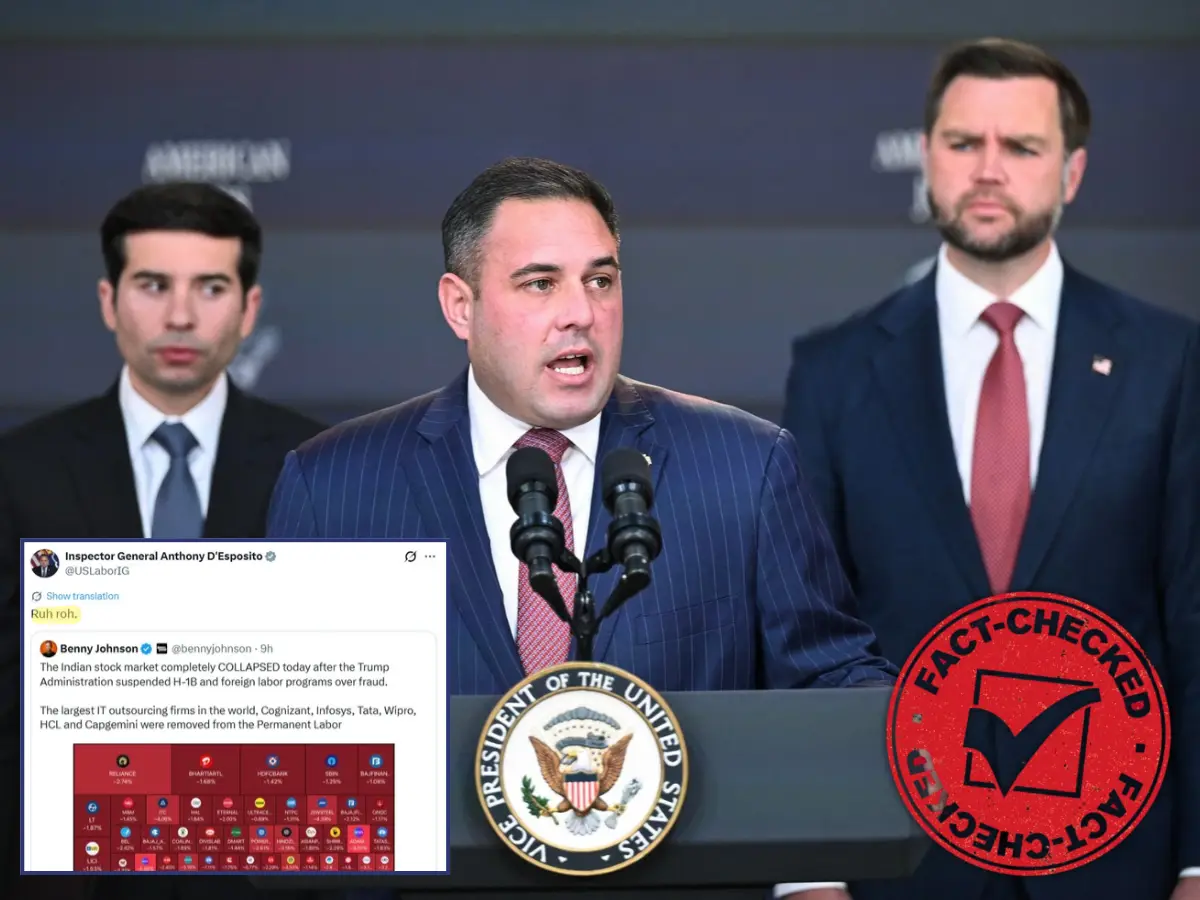
‘Ruh Roh’: Top US official mocks ‘Indian market collapse’ claim after Trump’s IT curbs. But did it? | FACT CHECK
&imwidth=180&imheight=135&format=webp&quality=medium)
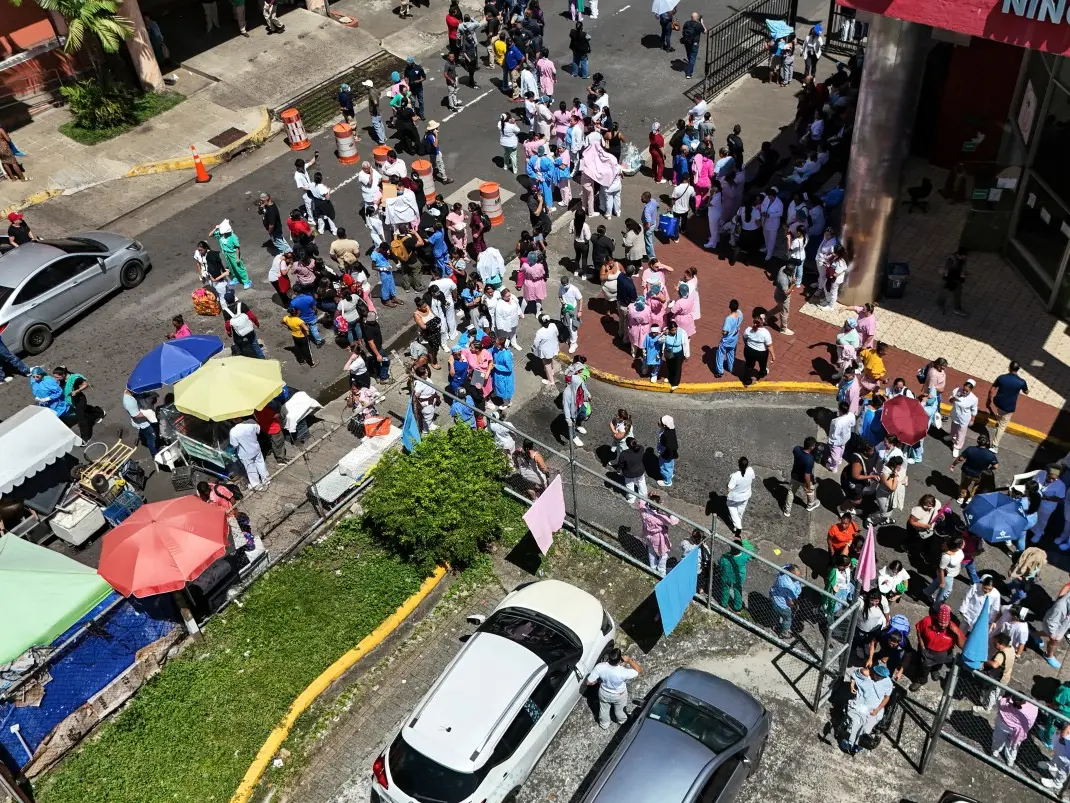
Powerful 7.7 magnitude earthquake strikes Panama, tsunami warning issued
&im=FitAndFill=(700,400)&imwidth=180&imheight=135&format=webp&quality=medium)
New Friday OTT releases (October 9, 2026): Reporting Live, Animals, Take Charge of My Heart- 6 new titles coming on Netflix, JioHotstar and more
&im=FitAndFill=(700,400)&imwidth=180&imheight=135&format=webp&quality=medium)
Rakul Preet Singh birthday special: 7 times the Ramayana actress served glamorous looks
&imwidth=180&imheight=135&format=webp&quality=medium)
Ryan Reynolds’ private messages reveal his blunt views on Justin Baldoni from Blake Lively’s legal case
&imwidth=180&imheight=135&format=webp&quality=medium)
Trump announces Russian diesel deal as Zelensky criticises move
&imwidth=180&imheight=135&format=webp&quality=medium)
Hurricane Isaias makes landfall in Florida as Category 2 storm with winds of 105mph, threatens Gulf Coast with life-threatening surge
&imwidth=180&imheight=135&format=webp&quality=medium)
Katie Zacharia likely to succeed Karoline Leavitt as Trump's White House press secretary
&imwidth=180&imheight=135&format=webp&quality=medium)
US midterm elections 2026: What a blue wave or blue tsunami could mean for Trump
&imwidth=180&imheight=135&format=webp&quality=medium)
OpenAI shuts down Russian, Iranian influence operations using ChatGPT to spread propaganda
&imwidth=180&imheight=135&format=webp&quality=medium)
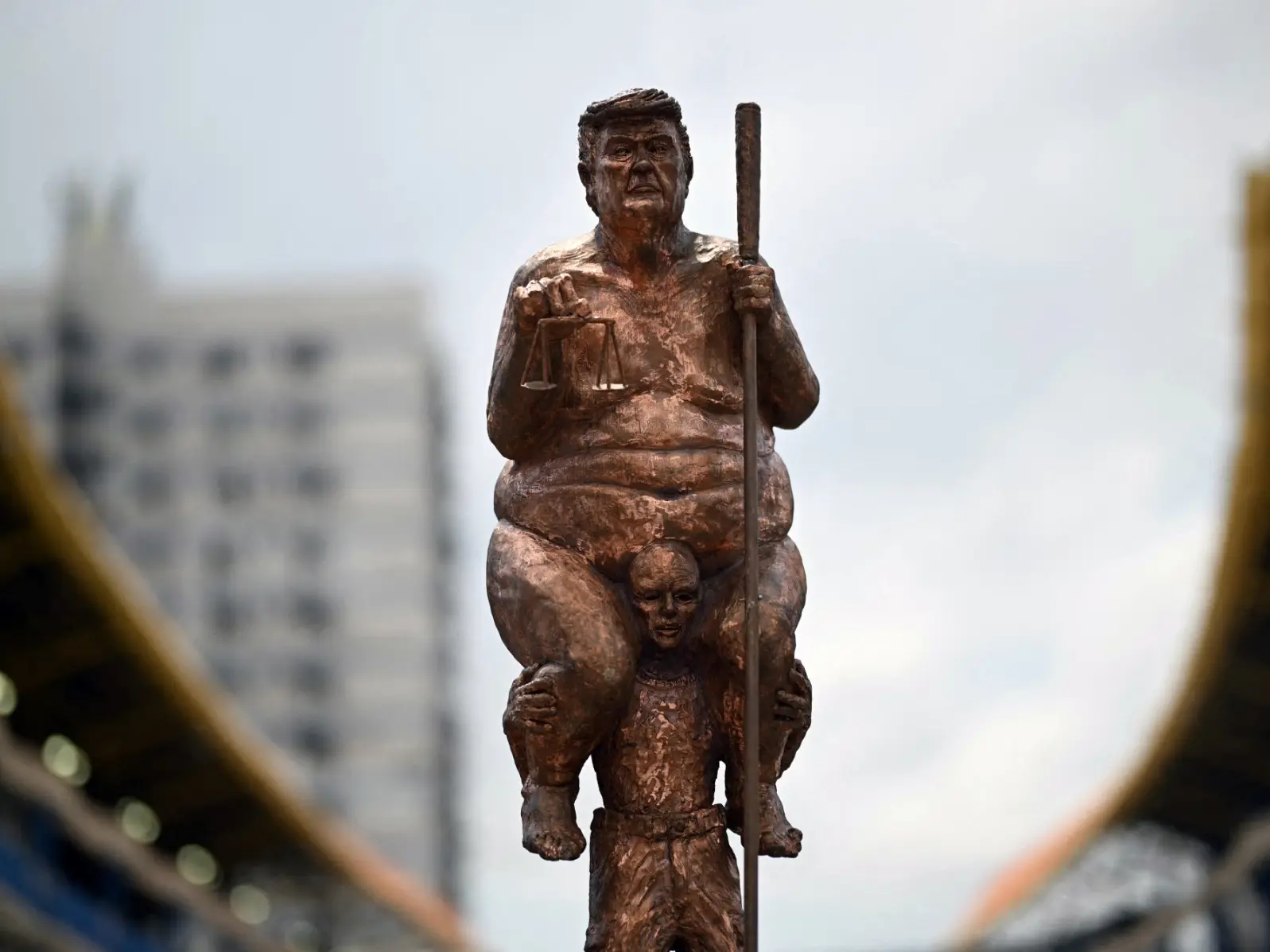
Trump's naked 23-karat gold statue unveiled near European Parliament
&imwidth=180&imheight=135&format=webp&quality=medium)
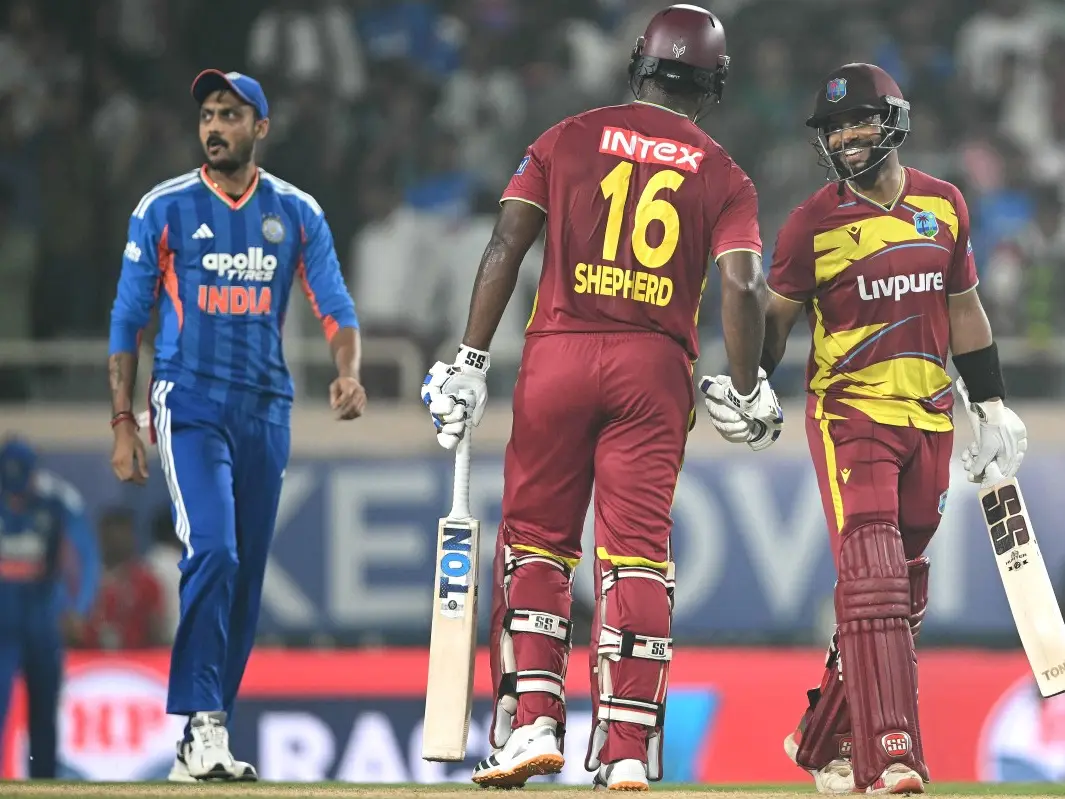
IND vs WI: West Indies set record for highest successful run chase in T20Is against India
&imwidth=180&imheight=135&format=webp&quality=medium)
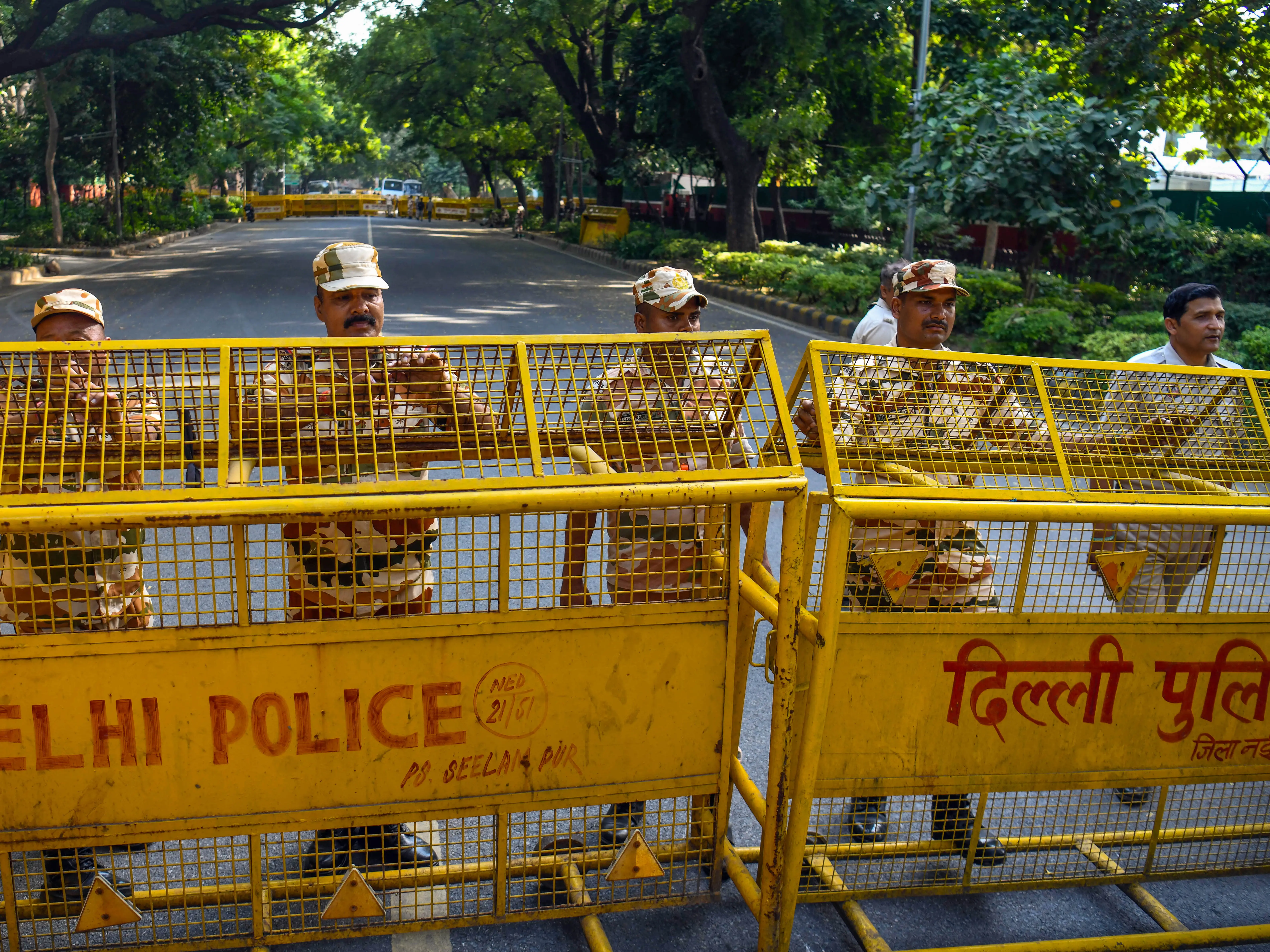
Delhi on high alert for CJP protest: Delhi police to use body cams to 'prove whether we did anything’; Pink Force, RAF, 35,000 personnel deployed
&imwidth=180&imheight=135&format=webp&quality=medium)
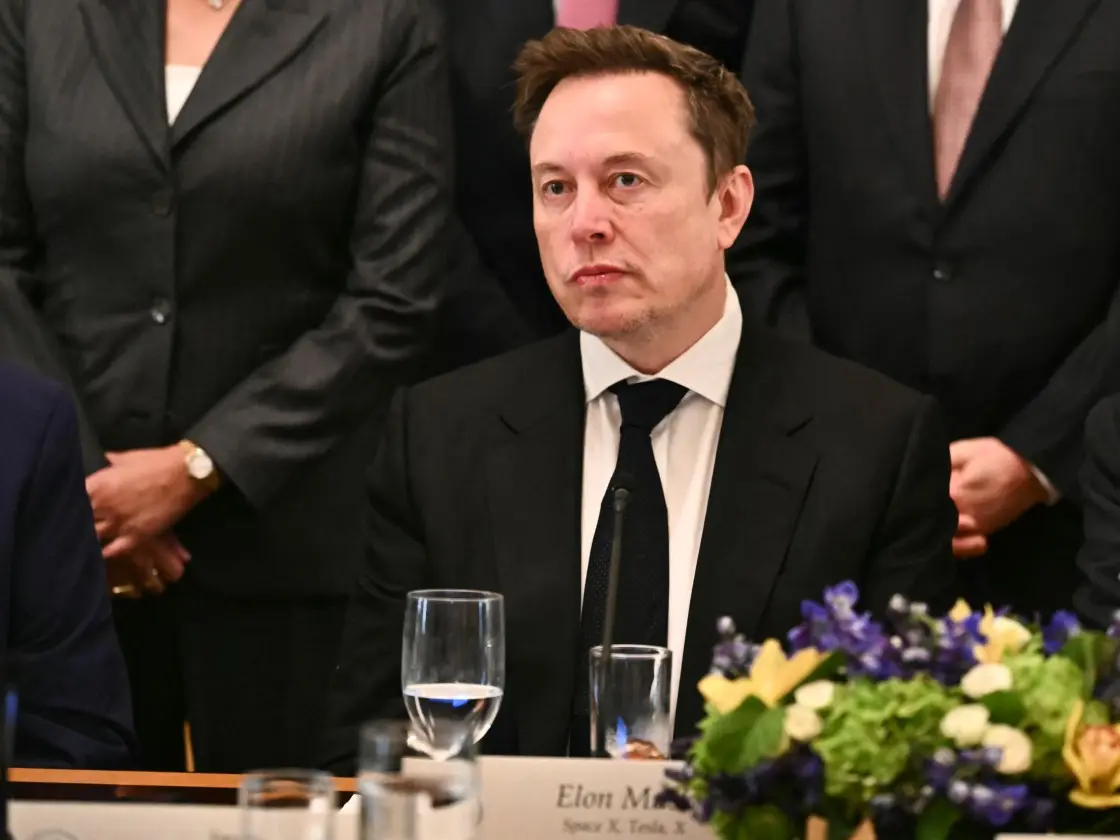
Musk doubles down on Starlink India licence allegations; Rahul Gandhi says ‘wait till...’
&im=FitAndFill=(700,400)&imwidth=180&imheight=135&format=webp&quality=medium)
Fastest-growing Asian economies in 2026: Who tops the chart? Where does India rank?
&imwidth=180&imheight=135&format=webp&quality=medium)
SC questions closure of 57 Delhi Metro stations, asks Centre to resume services in regulated manner
&imwidth=180&imheight=135&format=webp&quality=medium)
New York protests erupt as Trump administration defends ICE shooting
&imwidth=180&imheight=135&format=webp&quality=medium)
‘Never-ending flow of cheap labour’: JD Vance hits back at Indian-origin Congresswoman over US green card curbs for major tech companies
&imwidth=180&imheight=135&format=webp&quality=medium)
‘Right to protest must be protected, but...’: Delhi Police reveals why it denied CJP permission for October 10 Jantar Mantar protest
&imwidth=180&imheight=135&format=webp&quality=medium)
‘Real boss of India’: Elon Musk escalates attack over Starlink’s India entry
&imwidth=180&imheight=135&format=webp&quality=medium)
'I am not going to be watching it': JD Vance on livestream of Nidal Hasan's firing squad execution
&imwidth=180&imheight=135&format=webp&quality=medium)
Sri Lankan Tamil worker gets death sentence in Saudi Arabia over blasphemy, calls for pardon intensify
&imwidth=180&imheight=135&format=webp&quality=medium)
New York ICE shooting sparks protests as Mamdani to call on Trump to halt ICE operations
&imwidth=180&imheight=135&format=webp&quality=medium)
Houthis continue direct hits on Saudi targets, Türkiye and Pakistan missing in action | Gravitas
Russiahas repeatedly denied hacking accusations. Trump has dismissed the assessments of the USintelligence community.
Obama, in an interview earlier this month with NPR, said, "We need to take action and we will" againstRussiafor interfering in the USelection.
Republican Senators John McCain and Lindsey Graham called for an even tougher US response to Russian interference in the American election.
The US Congress should "increase the sanctions on Russia for this misbehavior," McCain told Fox News, pressing for a permanent American military presence in the Baltic states, as well as arming Ukraine with weapons.
"You need to hit Russia in a sustained fashion," Graham added, saying that for Obama to act now just before he leaves office on January 20 would "send the wrong signal."
Russia's Foreign Ministry spokeswoman, Maria Zakharova, promised retaliation on Wednesday against Washington in the event of new economic sanctions.
Jim Lewis, a cyber security expert with the Center for Strategic and International Studies think tank, said further sanctions may be an effective U.S. tool in part because they would be difficult for Trump to roll back and becauseRussia"hates" dealing with them.
"For the rest of the world, it’s like having 'scumball' stamped on your forehead," Lewis said.
In past cases, administration officials have decided to publicly blame North Korea and indict members of China’s military for hacking because they decided the net benefit of public shaming – and increased awareness brought to cyber security – outweighed potential risks. But determining an appropriate response toRussia's actions has proven more complicated in part becauseRussia's cyber capabilities are more advanced and due to fears about disrupting other geopolitical issues, such as the civil war in Syria.
Obamamay choose to invoke an April 2015 executive order that empowered him to levy sanctions in response to cyber attacks perpetrated by foreign groups targeting infrastructure, such as transportation, or done for economic purposes.
One option, said a USgovernment official who has participated in discussions on possible retaliation, would be leaking material onRussian officials or actions that the United States already has obtained in a way that would “parallel what theRussians did, but be impossible to prove.”
The official compared that option toRussian military and civilian intelligence agencies providing hacked material to the anti-secrecy group Wikileaks and trying – unsuccessfully, the official said – to cover their tracks.
Another option would be further economic sanctions againstRussia. Washington has already sanctionedRussiaover the past two years to punish Moscow for its role in annexing Crimea. But former US officials say the existing measures leave Washington plenty of room to slap new, tougher sanction onRussiain response to cyber intrusions.
The United States is still unlikely to impose blanket embargoes againstRussiabecause of the danger it could harm the economies of Western Europe, said Peter Harrell, a former senior State Department official who worked on sanctions policy.
Instead, the United States may target specificRussian intelligence officials or military divisions believed to be involved in the cyber intrusions. “TheRussian defence sector would be fair game,” Harrell said.
Looming over any action theObamaadministration takes againstRussiais whether Trump will seek to reverse course once he takes office on Jan. 20.
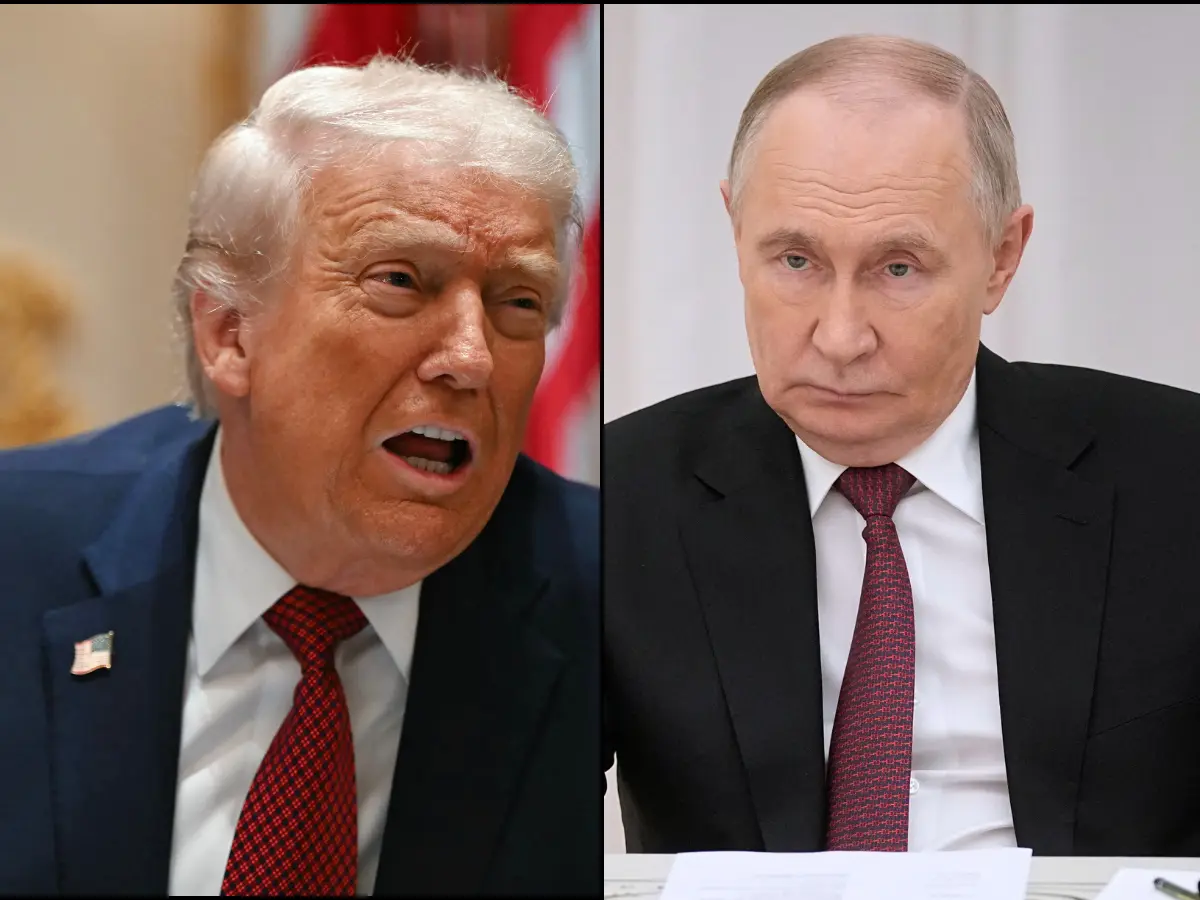
In addition to casting doubt on the conclusions of the USintelligence community about the hacks, Trump has repeatedly praisedRussian President Vladimir Putin and nominated people seen as friendly towards Moscow to senior administration posts.
(Agencies)