‘AC Nation’: How Singapore beats the heat offers lesson for India, other nations facing Super El Niño, slow monsoon, heatwaves

&imwidth=600&imheight=450&format=webp&quality=medium "‘AC Nation’: How Singapore beats the heat offers lesson for India, other nations facing Super El Niño, slow monsoon, heatwaves")
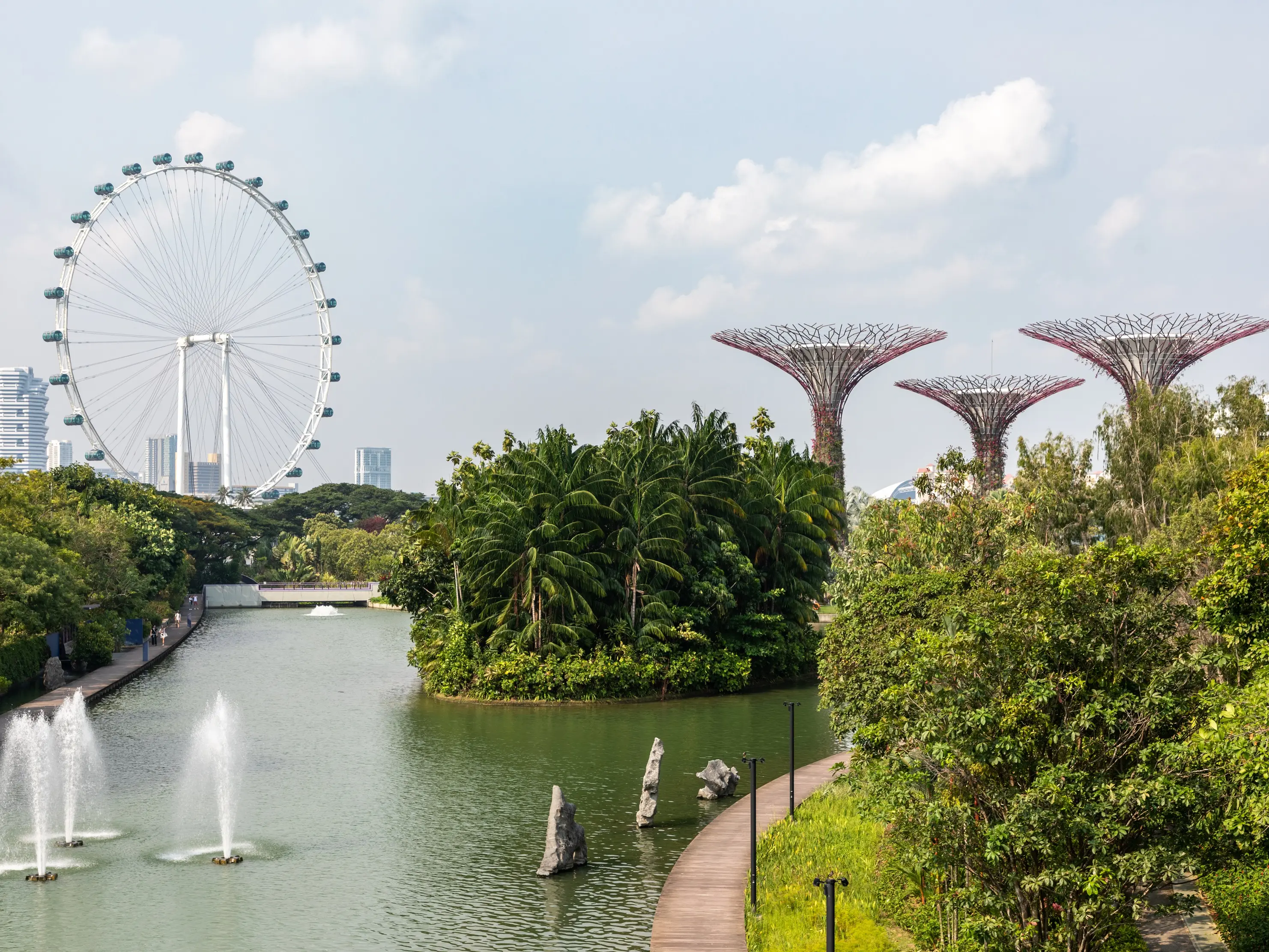
Singapore is a garden city with several measures in place to beat the heat. Photograph: (Others)
As Super El Niño fuels heatwaves and delays the India monsoon, it's a good time to look at how countries are beating the heat. Singapore offers practical solutions through efficient cooling, urban greening, wind corridors, and heat-resilience policies. Here is a breakdown
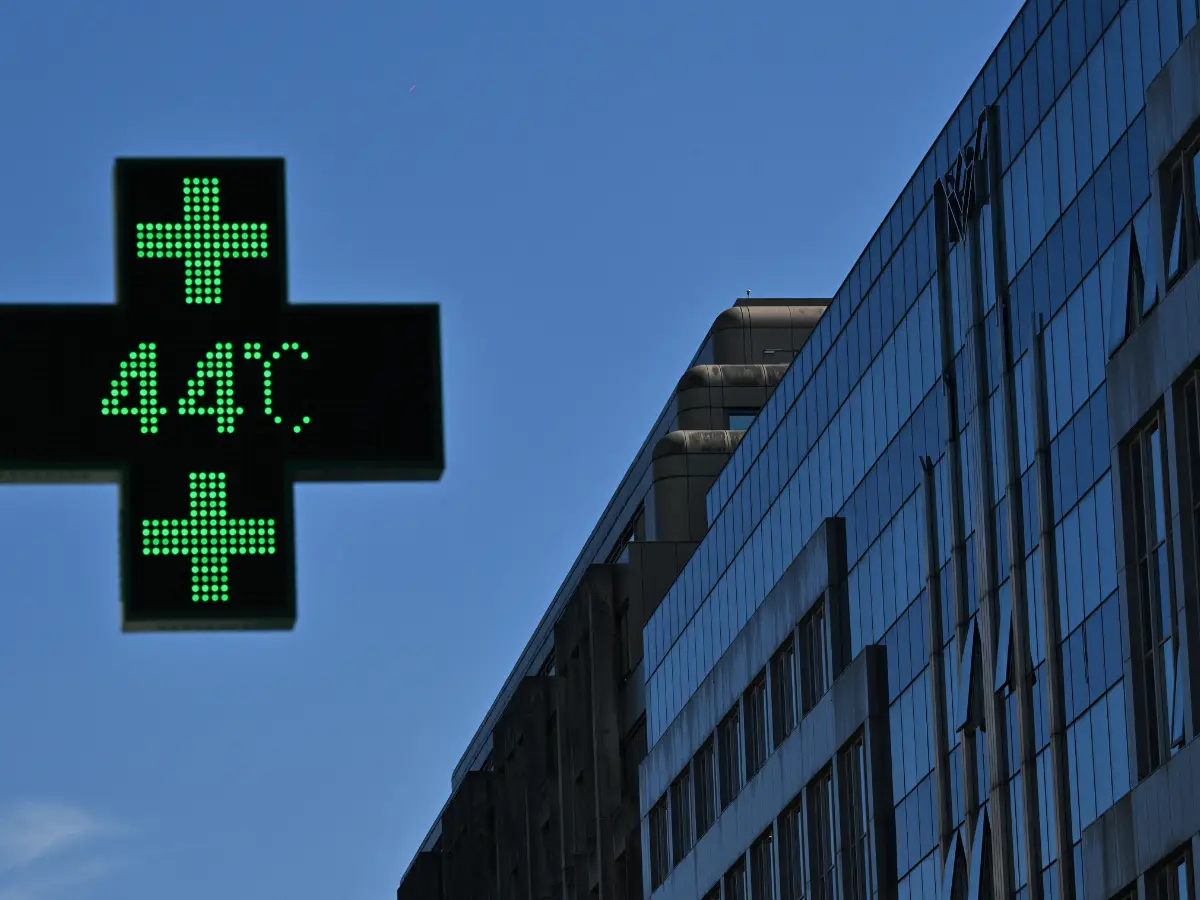
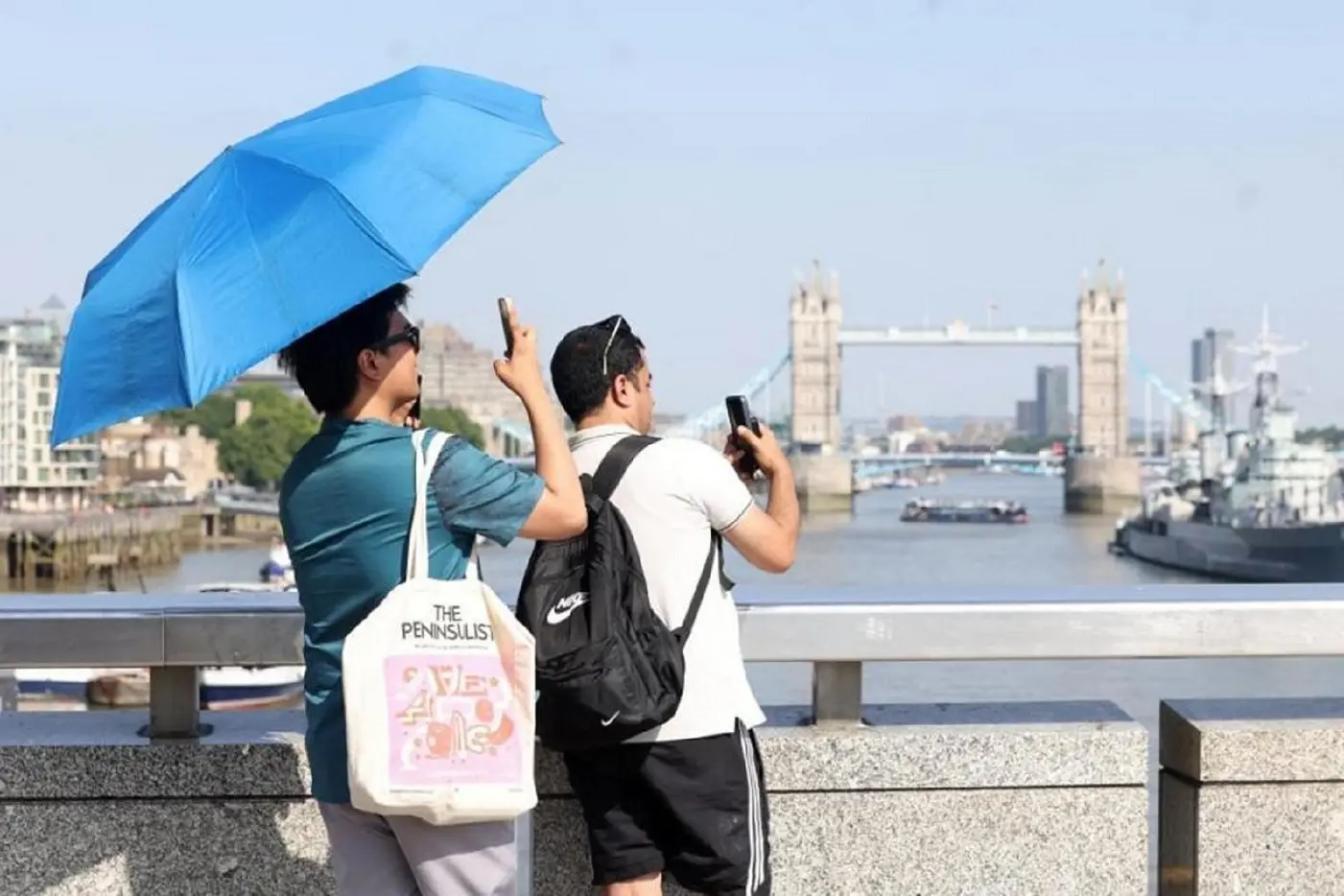
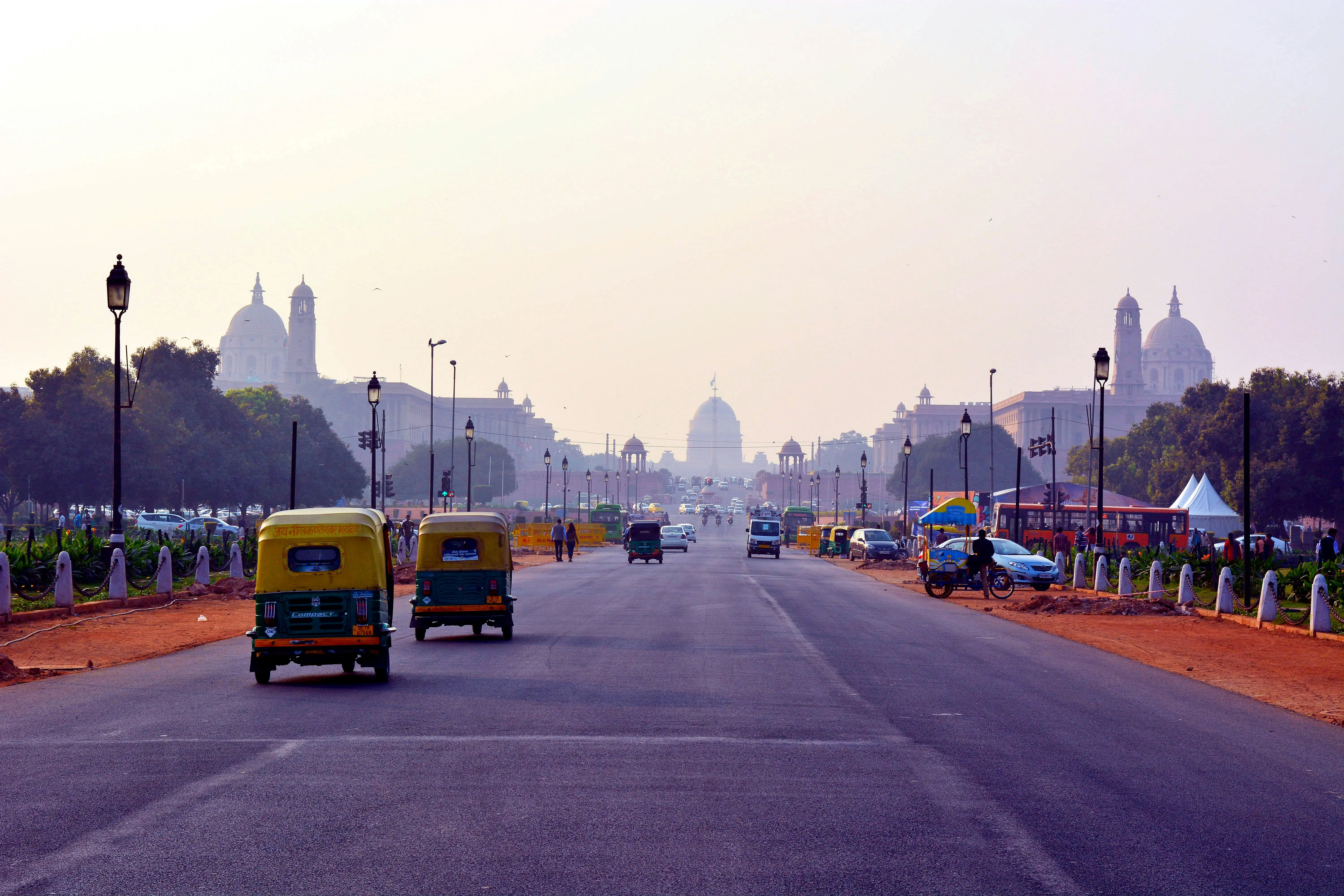
A Super El Niño is ravaging the climate and causing unusual heatwaves this year from Asia to Europe. In India, the monsoon is making slow progress, resulting in soaring temperatures from north to south. The pattern is not new, and the heat is here to stay. It is now all about how nations adapt to these climate extremes. One nation stands out in offering practical solutions to beating the heat: Singapore. The densely populated, hot and humid tropical city-state can offer practical lessons for India, Europe, and other nations in managing extreme heat.
Singapore's weather challenges
Sitting close to the Strait of Malacca and the Malaysian Peninsula, Singapore often experiences high humidity, which limits evaporative cooling. Its urban density creates heat islands, while temperatures often rise faster than the global average. But over the years, through government initiatives and private-sector interventions, Singapore has built systematic, multi-layered approaches to managing the heat. These combine technology, urban planning, policy, and public behaviour, all heavily promoted by the government.
'AC Nation': Singapore's strategies to beat the heat can be emulated by india and others
Singapore is often referred to as an "AC nation" due to the widespread and efficient use of air conditioning. Air-conditioning penetration is high in homes, offices, shopping malls, and public housing. These are paired with energy efficiency rules, including the national "Go 25" campaign. Under this initiative, government buildings are mandated to keep air conditioners at 25°C or higher in order to reduce excess energy consumption and emissions while maintaining comfort. Private firms are encouraged to do the same.
Trending Stories
)
)
)
)
)
)
)
)
)
&im=FitAndFill=(700,400))
)
)
&im=FitAndFill=(700,400))
)
&im=FitAndFill=(700,400))
)
)
)
)
)
&im=FitAndFill=(700,400))
)
)
)
)
)
)
)
)
)
)
)
)
)
)
)
)
Cooling systems: chilled water and lowering emissions
District cooling systems have been introduced in several parts of Singapore, using centralised chilled-water networks to serve multiple buildings efficiently.
For India, scaling efficient air-conditioning usage in public housing and commercial spaces through subsidies and standards such as Energy Conservation Building Code (ECBC) is one option. India can also launch a national campaign similar to Singapore's "Go 25" initiative, with incentives for compliance. Pilot district-cooling initiatives can be undertaken in dense urban clusters such as Mumbai and Delhi to avoid wasteful individual cooling units.
Hybrid cooling from fans
Singapore uses large ceiling fans in busy public places such as hawker centres and food courts.
Studies by the University of California, Berkeley, and Singapore-based researchers have shown that raising air-conditioner settings from 24°C to 26.5°C while using fans can save around 30 to 33 per cent of energy consumption without compromising comfort.
Public buildings, schools, and homes promote fans as a first line of cooling or as a complement to air conditioning, while the government encourages fan usage over air conditioning wherever possible. India can mandate or subsidise energy-efficient ceiling and desk fans in new buildings, schools, offices, and low-income housing.
A green nation: Singapore's aggressive urban greening and "city in nature" model
Once largely covered by swamps and dense vegetation, Singapore undertook extensive tree planting, the creation of parks, and the development of vertical greenery over the past four decades. The Landscaping for Urban Spaces and High-Rises (LUSH) scheme, launched in 2009, has added hundreds of hectares of greenery across the city-state. Most households are within a 10-minute walk of a park. In a nation where land is limited, greenery acts as the lungs of the city, helping to reduce local temperatures through shade and evapotranspiration.
Cool coatings and paints on buildings and roofs
Singapore has conducted pilot projects across more than 130 Housing and Development Board (HDB) residential blocks to introduce cool-coating materials and reflective paints on buildings and rooftops. These help reflect heat and lower ambient temperatures.
India can take a leaf out of Singapore's book and accelerate urban forestry and vertical-greening mandates in new developments, particularly in high-density urban areas.
Cool roofs and reflective paints can be introduced, starting with government buildings, while private buildings can be incentivised to adopt similar measures. Integrating urban greening into India's Smart Cities Mission projects could deliver measurable cooling benefits.
Climate-sensitive urban design and wind corridors: The quiet gamechangers of Singapore
Singapore's building layouts, street orientation, and spacing are optimised to improve wind flow, enhance natural ventilation, and disperse heat. Added to this are shaded walkways, covered linkways, and public spaces designed using thermal modelling to improve outdoor comfort.
India can incorporate wind-corridor planning and shading analysis into master plans for cities such as Ahmedabad, Chennai and Lucknow. Shaded pedestrian networks can also be mandated in upcoming urban projects.
The role of government: Singapore's public mandates, awareness, and heat-resilience policies
These initiatives are actively promoted through government-led public campaigns that stress energy conservation, with the government leading by example in its own facilities.
Singapore's Heat Resilience and Performance Centre, along with related government agencies, helps coordinate heat-stress guidelines, vulnerability mapping, and preparedness measures.
The nation has also phased out high-Global Warming Potential (GWP) refrigerants while providing incentives for retrofits and energy-efficient cooling systems. Energy efficiency is strongly emphasised in household appliances and building standards.
Similarly, India can strengthen nationwide heat-action plans through public mandates and awareness campaigns. Cooling centres can be developed in vulnerable areas during periods of extreme temperatures and integrated into plans of the National Disaster Management Authority (NDMA) and state disaster-management agencies. Big-data analysis and predictive modelling can be used for targeted interventions in high-density informal settlements and heat-prone urban zones.
Singapore's green building certification system
Academia-government research partnerships in Singapore have helped develop evidence-based policies on beating the heat. Recommendations include balancing population density with adequate green and blue spaces, and limiting excessive densification in already hot urban pockets.
India can prioritise low-cost, scalable measures first, such as fans, cool paints, tree planting, and public awareness, while gradually expanding efficient cooling infrastructure.
With its vast scale, India could adapt many of these measures through programmes such as the Smart Cities Mission, the Atal Mission for Rejuvenation and Urban Transformation (AMRUT), or a dedicated National Urban Heat Resilience Mission focused on protecting vulnerable populations.
The urban poor, who often suffer the most during delayed monsoons and heatwaves, should be at the centre of such efforts.
These strategies can reduce both immediate heat stress and long-term energy and climate burdens. Implementation would require local customisation for India's diverse climates and governance structures, but the blueprint from a comparable dense, humid Asian success story is clear.