
&imwidth=800&imheight=600&format=webp&quality=medium "40 Russian jets hit, nearly 400 drones downed, claims Ukraine | What we know")
Ukraine on Sunday (June 1) launched a "large-scale" attack to destroy Russian jets and its airbases as it geared up for talks in Istanbul with Moscow counterparts on Monday (June 2) to explore hope of a ceasefire.
The operation, named, 'Operation Spider’s Web' was carried out by Ukraine’s security service (SBU), targeted four airbases in what could be the most damaging drone strike of the three-year war.
Confirming the strike, an SBU source said, “Enemy strategic bombers are burning en masse in Russia — this is the result of a special operation by the SBU.”

What all airbases were targeted?
Video clip from Belaya base in Siberia shows rows of Russian strategic and nuclear bombers burning, while heavy plumes of black smoke were seen rising above Olenya air base in the Arctic.
Drones also targeted the Ivanovo air base, northeast of Moscow, and Dyagilevo base, south of the capital.
Trending Stories
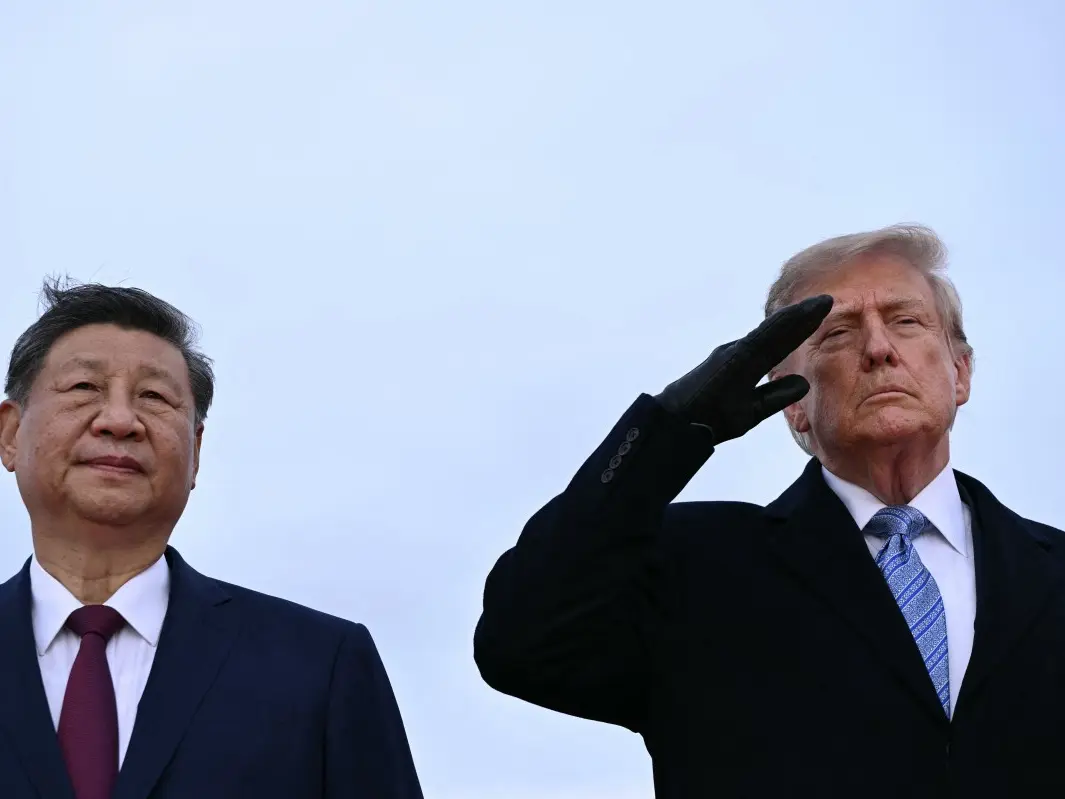)
WATCH | China President Xi Jinping lands in US as Trump greets him ahead of high-stakes summit
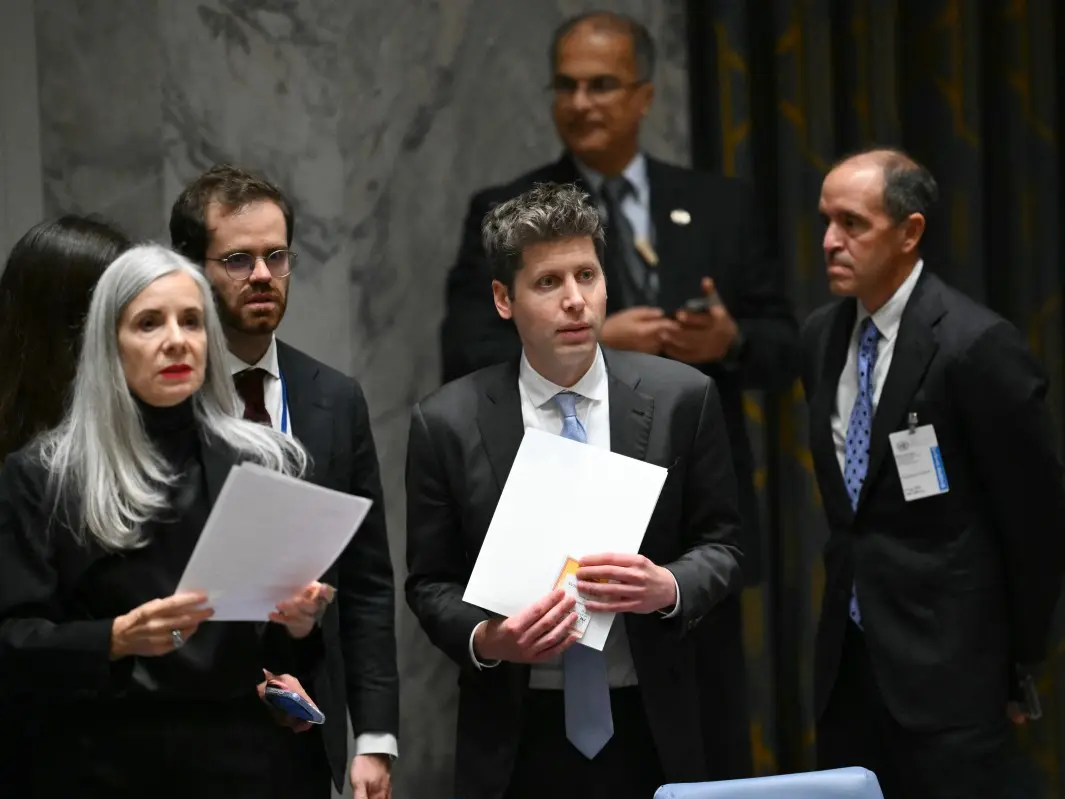)
Open AI, Anthropic CEO urges caution over rapid AI development at UN Security Council, call for 'extreme care'
&im=FitAndFill=(700,400))
New OTT releases this week (September 21-27, 2026): Shaque: Trust No One, Hunkkaar, Don’t Be Shy- 5 new titles coming to Netflix, Prime Video and more
)
US citizen injured in Illinois after ICE agents mistook him for fugitive, hospitalised
)
WION Iconic Tourism Summit: How local tourism MSMEs must upskill for AI integration
)
Bomb scare in New York amid UNGA: Suspicious suitcase found near UN headquarters
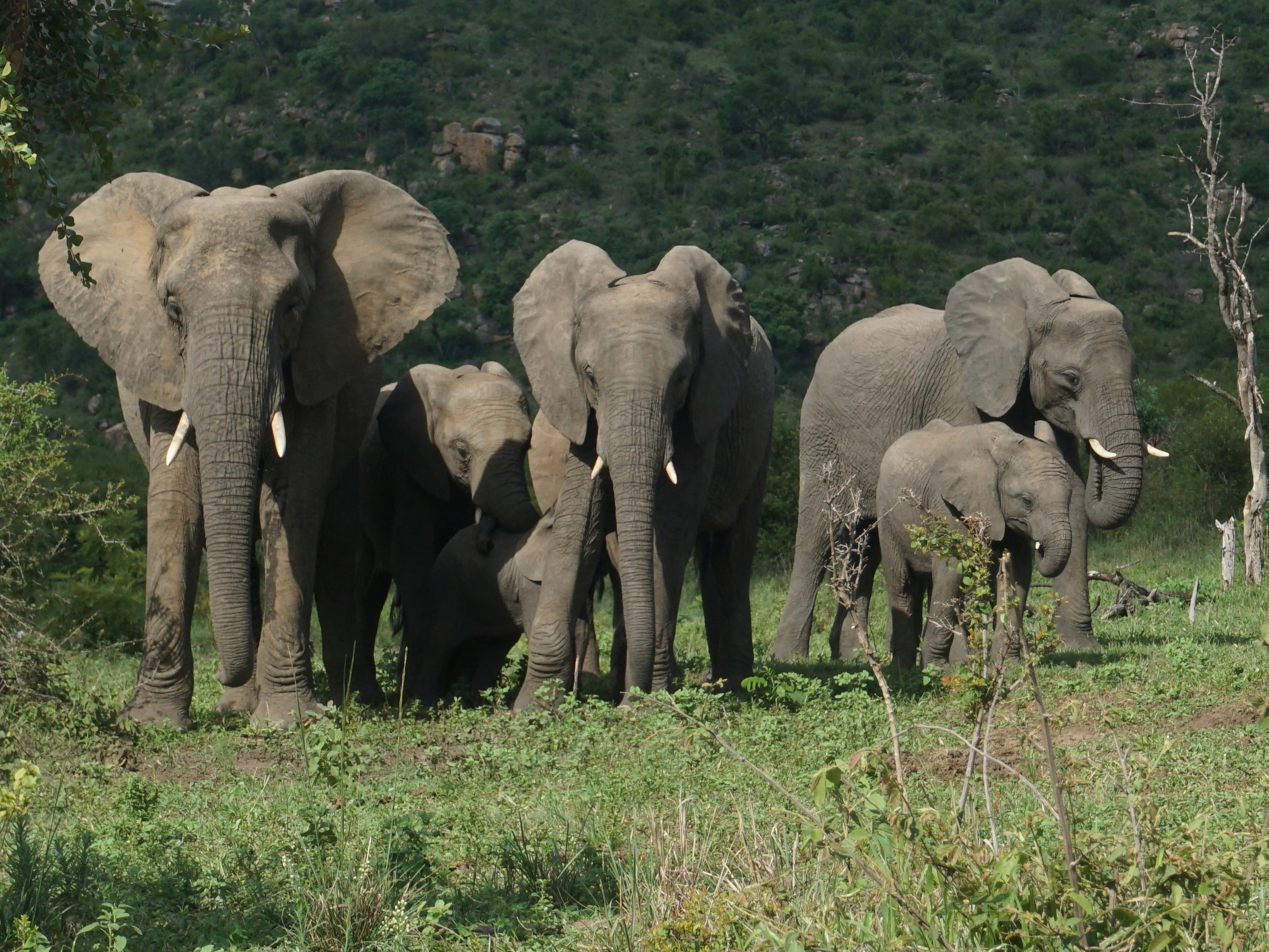)
Elephants hide behind trees, stage surprise attack on poachers targeting rhinos in South Africa
)
Xi-Trump meeting: China’s human rights red line and past protests explained
)
American manufacturing is reshoring faster than its factory floors can absorb
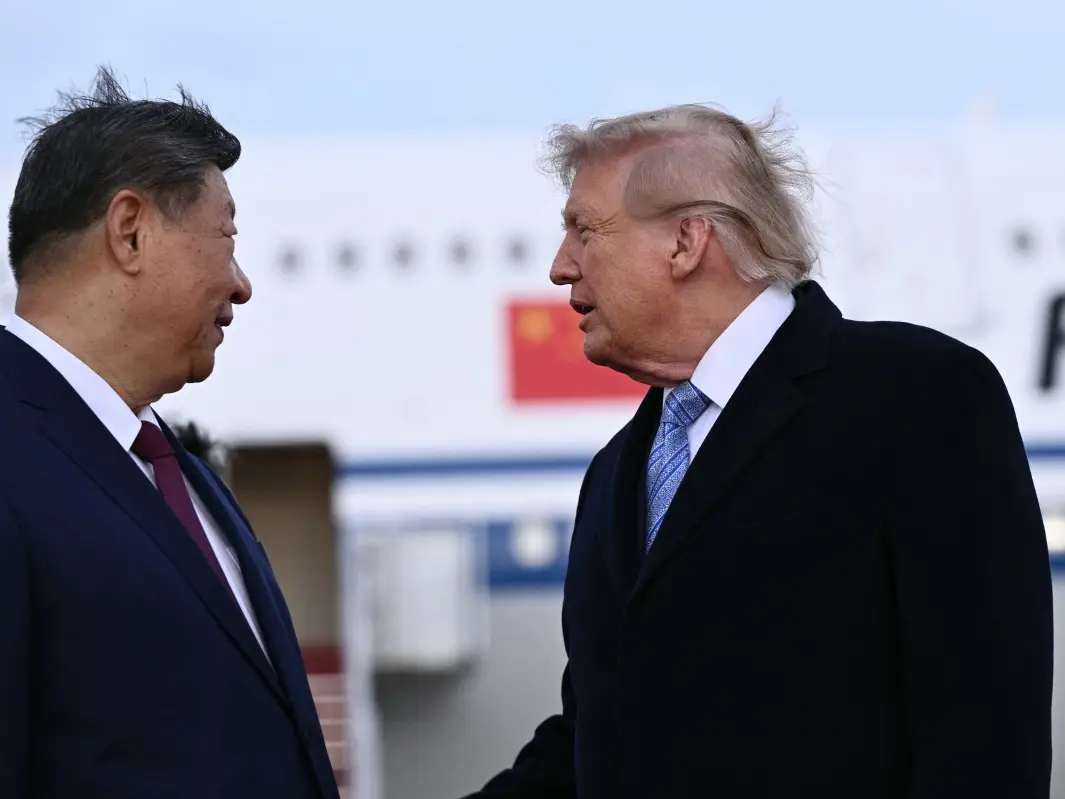)
Hours before Xi-Trump meeting, US announces visa curbs targeting birth tourism: What is it?
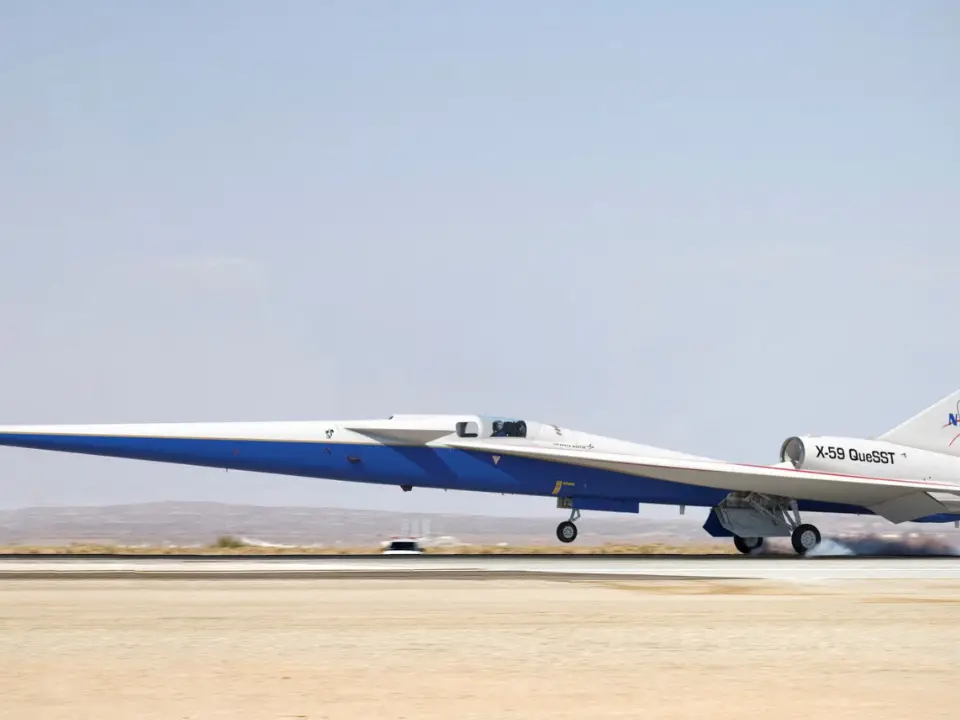)
China to test supersonic jet that moves at Mach 2, double the speed of sound
)
Trump-Xi state dinner 2026: Who is invited? Full guest list of tech CEOs, business leaders and officials
)
'AI got into my speech': Prince Harry jokes after teleprompter failure at event in New York
)
TMC revives impeachment push against CEC Gyanesh Kumar after report of internal dissent
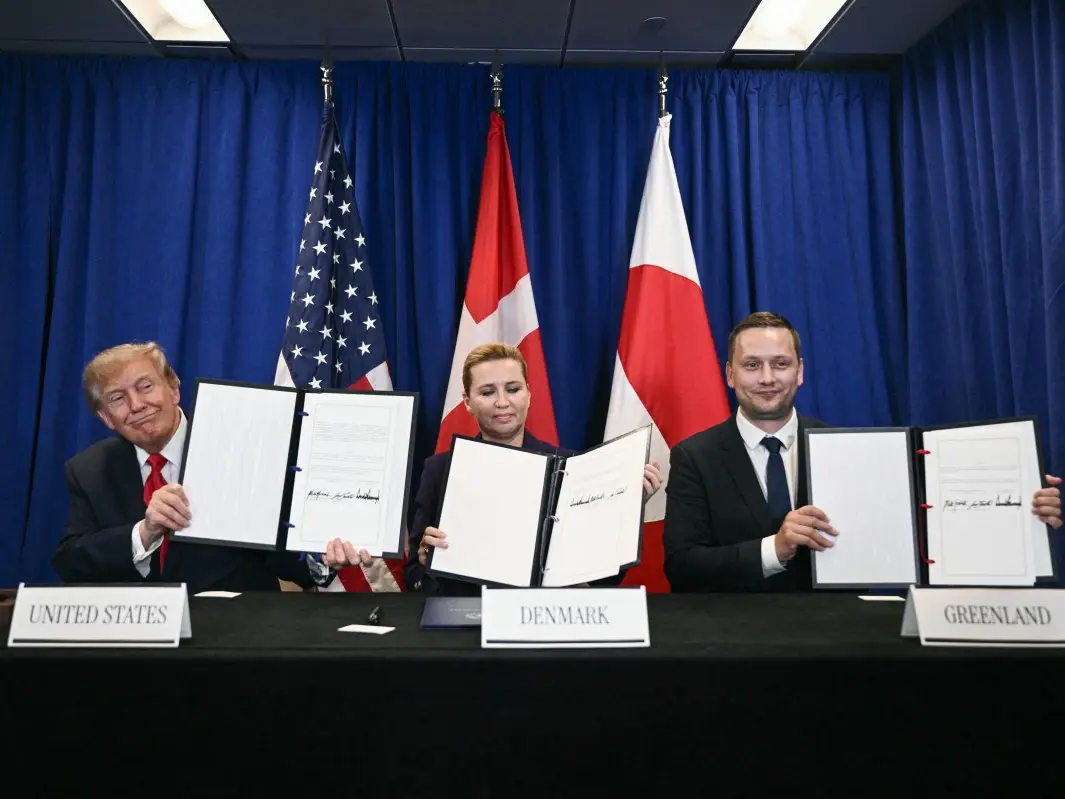)
Trump signs Greenland security deal with Denmark, paving way for two new US military bases
)
Trump-Xi Summit: Trade, Taiwan and the red lines shaping US-China talks | Race To Power
)
WION Iconic Tourism Summit: Is India's travel boom outrunning its airports, airlines and hotels?
&im=FitAndFill=(700,400))
Trump welcomes Xi Jinping in rare airport gesture: Photos from Chinese President's arrival in US
)
'Putin is patient zero': Zelensky slams Russian president at UNGA, accuses him of using fighters from 47 countries
)
WION Iconic Tourism Summit 2026: Union Minister Shekhawat on 'experiential travel', peace diplomacy
)
IIT Bombay CCTV footage emerges: Sahil Wakode seen looking at phone in examination hall
)
Cyclone Arnab: Landfall expected before midnight tomorrow as IMD issues orange alerts across six states
&im=FitAndFill=(700,400))
National Film Awards 2026: Kartik Aaryan, Mammootty, Yami Gautam, Randeep Hooda and other key winners
)
Pilot recreates Mona Lisa in sky over Oklahoma and Arkansas in four-hour flight: VIDEO
)
Afghan woman cyclist who disguised herself as a boy to escape Taliban, wins Asian Games medal
)
WION Iconic Tourism Summit: Seychelles envoy says India partnership is important for Seychelles
)
Anne Hathaway to run in supporting race for Nolan's epic
)
US judge questions Trump’s decision to ban CNN, MS NOW and Politico from White House
)
WION Iconic Tourism Summit: 'Hanuman Ansh' Director on blockbuster success
)
Scientists detect first radio signals directly from faraway planet
)
Australian PM Anthony Albanese calls OpenAI AI incident 'unacceptable' after restricted data access
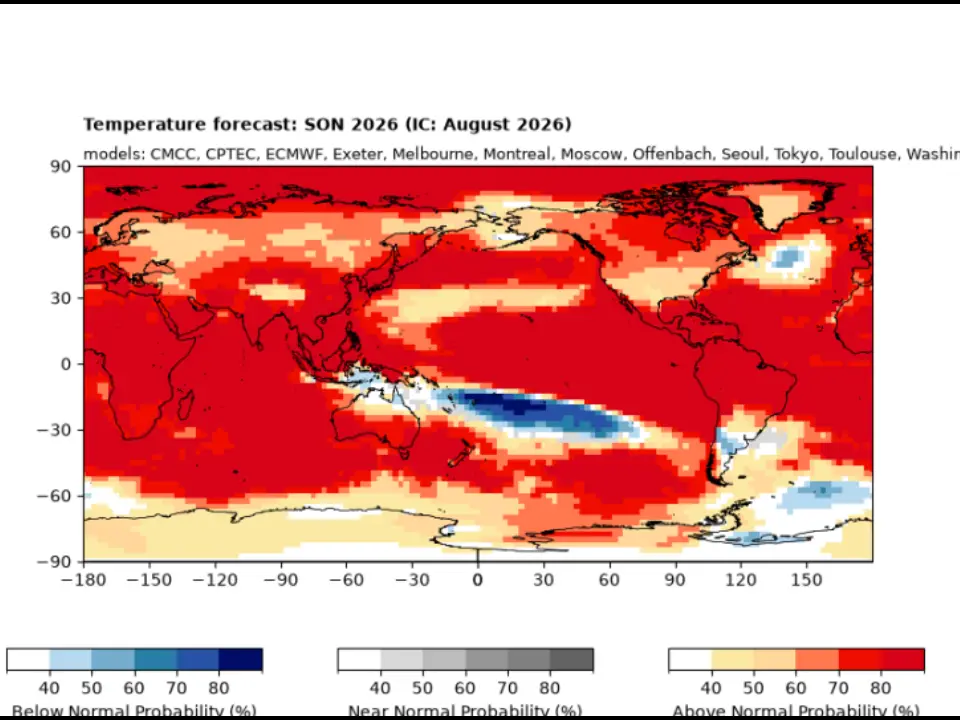)
El Niño 2026 heats up to become strongest in 1,000 years
)
'What kind of confession is this?': Pakistan PM Shehbaz Sharif’s 'terrorists would be roaming New York' remark goes viral, raises alarm online. Watch
)
NBA player Steven Adams shares hilarious GTA VI theory
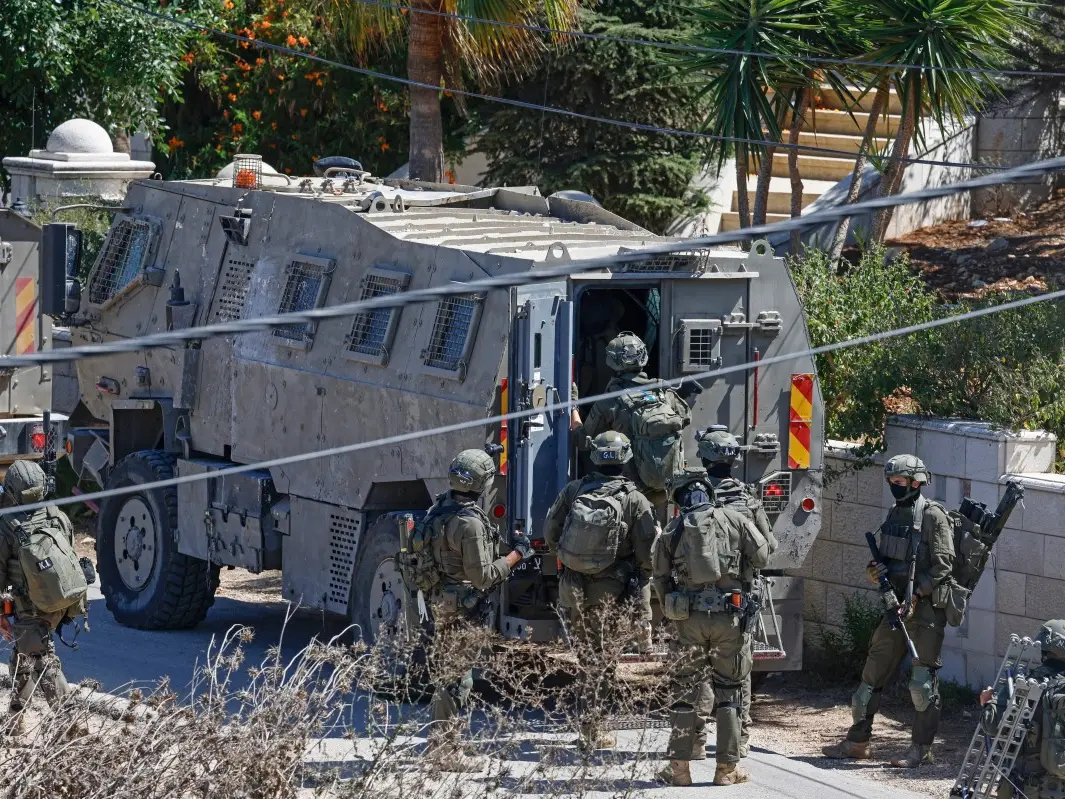)
Israeli envoy to US Yechiel Leiter’s son critically injured in West Bank ramming attack
)
ICC plans T20I expansion and fewer ODIs in 2027–2031 FTP cycle: Report
)
WION Iconic Tourism Summit and Awards 2026: Key voices to discuss India’s tourism future
A massive explosion has also shook the Russian Arctic city of Severomorsk, which is home to the Northern Fleet’s main naval base, although the damage is not yet clear.
This is Ukraine's first air attack in Siberia since the start of the war
Ukrainian secret services released a video that they say shows several aircraft on fire on Belaya air base in eastern Siberia, more than 4,200 kilometers from Ukraine. "Ukrainian security services are carrying out a large-scale special operation aimed at destroying enemy bombers far from the front, in Russia," they said, adding more than 40 aircraft had been hit.
They also claimed the attack targeted the airfields of Diaguilevo, Olenia, Ivanovo, and Belaya. However, these claims are yet to be verified.
The Security Service of Ukraine (SBU) also shared photos that allegedly show preparations for an attack on a Russian airfield.
How 'Operation Spider’s Web' was organised?
Sources in the SBU said, "Special operation "Web", which resulted in the SBU's downing of 41 Russian strategic aviation aircraft, was organised for over a year and a half. The operation was personally supervised by the President of Ukraine, Supreme Commander-in-Chief Volodymyr Zelenskyy."
A source with Ukraine's SBU security service said the coordinated attacks inside Russia were "aimed at destroying enemy bombers far from the front".
Sources further said that the SBU's first smuggled FPV drones into Russia, followed later by mobile wooden cabins.
Once in Russian territory, the drones were hidden under the roofs of these cabins, which had been placed on to trucks. At the time of the attack, the roofs were remotely opened, allowing the drones to take off and hit the nearby airbases.
Videos have also emerged showing drones emerging from the roof of one of the vehicles involved. Ukraine estimates the damage caused by the attacks at over $2bn (£1.5bn).
The targets hit included TU-95s (the large strategic bomber known as “Bear”), TU-22M3s (supersonic long-range bomber) and A-50 (early warning and control aircraft).
Ukraine's SBU security service on Sunday claimed that it had hit Russian military planes worth a combined $7 billion in a wave of drone strikes on Russian air bases thousands of kilometres behind the front lines.
"$7 billion: This is the estimated cost of the enemy's strategic aviation, which was hit today as a result of the SBU's special operation," the agency said in a social media post.
Disclaimer: A number of claims and counterclaims are being made on Ukraine-Russia war on the ground and online. While WION takes utmost care to accurately and responsibly report ongoing developments, we cannot independently verify the authenticity of all statements, photos and videos.

