

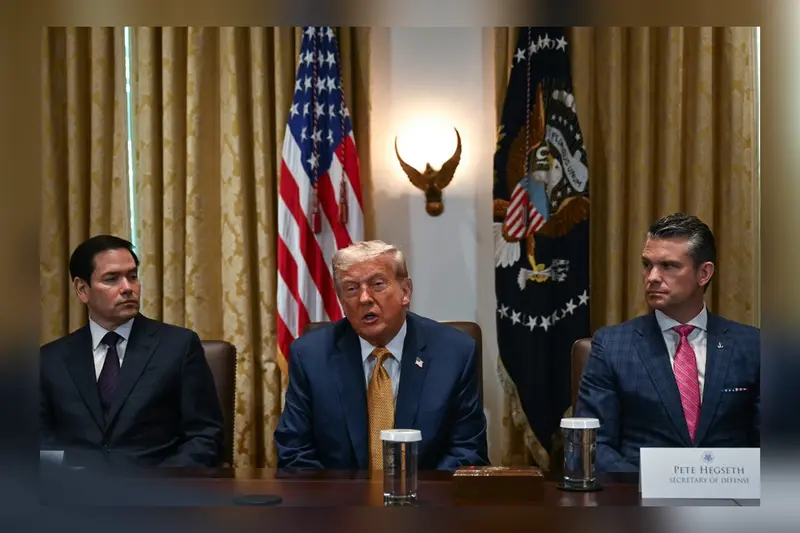
A new report has painted a stark picture of US military spending: over the past five years, more than half of the Pentagon's discretionary budget has gone to private contractors — a staggering $2.4 trillion — in what is being described as a "continuing and massive transfer of wealth from taxpayers to fund war and weapons manufacturing". The study by the Quincy Institute for Responsible Statecraft and Brown University's Costs of War project, first reported by The Guardian, details how the lion's share of the Pentagon's $4.4 trillion discretionary budget between 2020 and 2024 ended up in the hands of arms makers and defence tech firms.
What did the report find?
As per the report, between 2020 and 2024, the five largest Pentagon defence contractors — Lockheed Martin, Raytheon, Boeing, General Dynamics, and Northrop Grumman — alone secured $771 billion in contracts. Overall, private firms received as much as 54 per cent of the department's discretionary spending.
"High Pentagon budgets are often justified because the funds are ‘for the troops'," said William D. Hartung, one of the report’s authors. However, he explained that as the report shows "the majority of the department's budget goes to corporations, money that has as much to do with special interest lobbying as it does with any rational defense planning." He added that "Much of this funding has been wasted on dysfunctional or overpriced weapons systems and extravagant compensation packages."
The report also projects that the Trump administration's latest Pentagon budget will push overall US military spending past $1 trillion a year. This, despite Trump's early claims that he might slash defence spending, a $157 billion increase was pushed through Congress under his "One Big Beautiful Bill Act," effectively continuing — and even expanding — former president Joe Biden's administration's high defence budget. As per the report, since 2000, the US military budget has nearly doubled – an increase of 99 per cent.
"These figures represent a continuing and massive transfer of wealth from taxpayers to fund war and weapons manufacturing," said Stephanie Savell, director of the Costs of War project.
The report authors say that the US withdrawal from Afghanistan, contrary to the projections, "did not result in a peace dividend". Instead, "President Biden requested, and Congress authorised, even higher annual budgets for the Pentagon, and President Trump is continuing that same trajectory of escalating military budgets.
Trending Stories
&imwidth=180&imheight=135&format=webp&quality=medium)
Trump reconsidering calling off Nidal Hasan's execution livestream. Here's why
&imwidth=180&imheight=135&format=webp&quality=medium)
‘Rise up, young patriots!’: American singer Mary Millben says US donors funding CJP, backs Modi govt
&im=FitAndFill=(700,400)&imwidth=180&imheight=135&format=webp&quality=medium)
New OTT releases this week (October 12-18, 2026): Sacrifice, Koffee with Karan S9, Roadies Rebirth- 6 titles coming on Netflix, JioHotstar and more
&imwidth=180&imheight=135&format=webp&quality=medium)
Cornell University suspends fraternity parties over 2024 gang rape allegations
&imwidth=180&imheight=135&format=webp&quality=medium)
MI5 chief warns Russia is UK’s ‘aggressor number one’ as Iran and AI threats grow
&imwidth=180&imheight=135&format=webp&quality=medium)
Arijit Singh 9-city India stadium tour to start from January: Check venue and ticket prices
&imwidth=180&imheight=135&format=webp&quality=medium)
Inside Aneet Padda's 24th birthday bash with rumoured boyfriend Ahaan Panday and Alia Bhatt
&imwidth=180&imheight=135&format=webp&quality=medium)
US Midterms 2026: In Alaska, cost-of-living anxiety meets strangest ballot in high-stakes Senate race
&imwidth=180&imheight=135&format=webp&quality=medium)
'Turn approver, resign, we'll forgive you': Rahul Gandhi claims receiving messages from CEC Gyanesh Kumar
&imwidth=180&imheight=135&format=webp&quality=medium)
Delhi Police arrest Cockroach Janta Party's Saurav Das, Ashutosh Ranka, Ajinkya Shinde in Jantar Mantar case, to be produced before court
&imwidth=180&imheight=135&format=webp&quality=medium)
France accuses Musk of ‘online harassment’ of European leaders, warns of poll interference
&imwidth=180&imheight=135&format=webp&quality=medium)
Nobel Peace Prize winner Navi Pillay calls on US to 'get back to' being defender of human rights
&imwidth=180&imheight=135&format=webp&quality=medium)
Anupam Kher joins Ranbir Kapoor's Ramayana as Jatayu, new poster unveiled
&imwidth=180&imheight=135&format=webp&quality=medium)
‘My president, I mean my husband’: Trump's new press secretary Katie Zacharia's first briefing goes off the rails in 14 minutes
&imwidth=180&imheight=135&format=webp&quality=medium)
Russian woman and Bihar boy's love story goes viral after she reaches India to marry him
&im=FitAndFill=(700,400)&imwidth=180&imheight=135&format=webp&quality=medium)
Navratri 2026: 9 days, 9 forms of Goddess Durga and 9 colours- Check the complete list
&imwidth=180&imheight=135&format=webp&quality=medium)
Measles kills again: 6 dead in Pennsylvania as America faces its worst outbreak in decades | Gravitas
&imwidth=180&imheight=135&format=webp&quality=medium)
Girl 'dead' for 8 hours wakes up at her own funeral, dad insists she wasn't breathing
&imwidth=180&imheight=135&format=webp&quality=medium)
Trump accuses Houthis of driving up oil prices before US midterms, warns of consequences
&imwidth=180&imheight=135&format=webp&quality=medium)
Air India Flight from Frankfurt diverted to Jaipur after hijack alert, probe on
&imwidth=180&imheight=135&format=webp&quality=medium)
UK school ditches technology, shifts from screen to pen and paper for learning
&imwidth=180&imheight=135&format=webp&quality=medium)
'Ouch!!! That must hurt': Kangana Ranaut hails Kamal Haasan's sharp reply to Elon Musk over Starlink row
&imwidth=180&imheight=135&format=webp&quality=medium)
1,500 drones illuminate Mumbai sky as Cordelia Cruises unveils second ship, Cordelia Sky
&imwidth=180&imheight=135&format=webp&quality=medium)
Durga Puja 2026: Kolkata roads get a splash of colours
&imwidth=180&imheight=135&format=webp&quality=medium)
New Cold War: Why is China buying more gold? Explained
&imwidth=180&imheight=135&format=webp&quality=medium)
'Don't ever mess with nature!': Trump’s tiger attack post triggers social media backlash as victim's family issues heartbreaking tribute
&imwidth=180&imheight=135&format=webp&quality=medium)
Sidhu Moose Wala’s younger brother wins hearts by recreating late singer’s signature move at Toronto Hologram Show
&imwidth=180&imheight=135&format=webp&quality=medium)
China's counter-surveillance industry booms amid heightened espionage fears | Gravitas
&imwidth=180&imheight=135&format=webp&quality=medium)
US politicians mistakenly use Indian, Russian warship images for Navy's birthday posts
&imwidth=180&imheight=135&format=webp&quality=medium)
Netanyahu wants to join Saudi's war on Houthis, but Crown Prince denies: Report
&imwidth=180&imheight=135&format=webp&quality=medium)
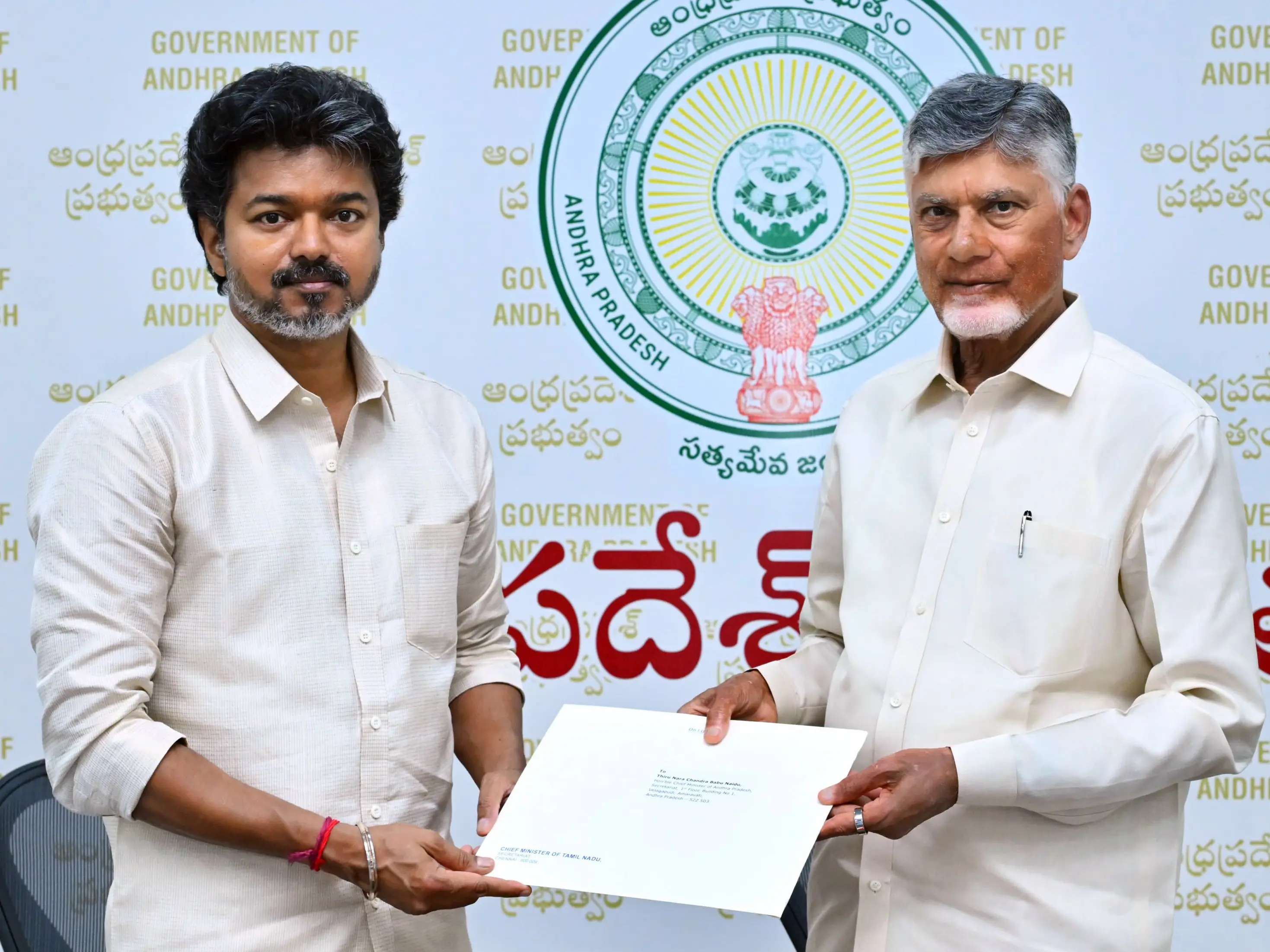
CMs Vijay-Naidu meet in Vijayawada, discuss water sharing, river-linking
&imwidth=180&imheight=135&format=webp&quality=medium)
F1 set to return to Africa for first time since 1993
&imwidth=180&imheight=135&format=webp&quality=medium)
Marco Rubio to visit India next week, focus on energy cooperation and strategic ties
&imwidth=180&imheight=135&format=webp&quality=medium)
‘How many people did she illegally bring from Somalia?’ Trump targets Ilhan Omar, questions her net worth
The report also highlights the sharp difference between what the US' Congress spent on development vs what it spent on defence. When calculated for inflation, the military spending clearly dwarfs the approximate $356 billion spent on diplomacy, development and humanitarian aid.

