
&imwidth=800&imheight=600&format=webp&quality=medium "'The damage is catastrophic': Jamaica reels after Hurricane Melissa’s landfall; Cuba braces for impact")
Hurricane Melissa, one of the most powerful storms on record, unleashed widespread destruction across Jamaica after making landfall on Tuesday (October 28). The hurricane, with maximum sustained winds of 185 mph (300 km/h), lashed the island with fierce winds and torrential rain, leaving a trail of devastation before continuing its deadly path toward Cuba.
In the wake of the storm, Prime Minister Andrew Holness declared Jamaica a ‘disaster area’, urging citizens to stay indoors due to ongoing flooding, landslide risks, and hazardous conditions. The full extent of the damage was still unclear on Tuesday evening, as emergency teams and local authorities began piecing together the aftermath. Many areas were without power, and communication networks were severely disrupted, making it difficult to get a clear picture of the devastation.
At its peak, Hurricane Melissa was classified as a Category 5 storm, one of the most intense hurricanes in history. However, by Tuesday evening, the storm had weakened slightly to a Category 3 as it moved over land. Despite this weakening, Melissa remained a powerful system capable of causing significant damage. "Saint Elizabeth is the breadbasket of Jamaica, and it has taken a heavy blow," said government minister Desmond McKenzie during a briefing. The southwestern parish of Saint Elizabeth, where the storm made its initial landfall, was described as “underwater,” with widespread flooding and substantial damage to homes, businesses, and infrastructure. McKenzie confirmed that several hospitals had been damaged, including in the hardest-hit areas.

The impact of the storm
The storm’s ferocity was unprecedented for Jamaica, with wind speeds surpassing those of some of the most notorious hurricanes in modern history, including Hurricane Katrina, which devastated New Orleans in 2005. The impact was particularly severe in coastal areas, with some reports indicating that Saint Elizabeth, a key agricultural hub, was left in ruins. The island’s agricultural sector, already grappling with a challenging year, took a significant hit. While immediate casualty figures were still not confirmed, authorities reported at least three deaths in Jamaica and several more across Haiti and the Dominican Republic, where the storm's outer bands had already caused flash floods and landslides. Haiti, which has struggled with political instability and poverty, was already facing a humanitarian crisis even before Melissa’s impact.
Trending Stories
)
Justice eludes Air India 1985 bombing victims as Canada probe goes 'inactive' | Gravitas
)
Trump revives India-Middle East-Europe economic corridor as India emerges central to West Asia’s future: What is it?
)
Erdogan again raises Kashmir issue at UNGA, calls for dialogue under UN Charter
)
Trump signs Greenland security deal with Denmark, paving way for two new US military bases
)
Most Americans want greater federal AI oversight
)
IND vs JPN T20I: How an overturned wide became point of difference between India's win and a tie
)
Trump-Xi summit: From trade to Taiwan, what will the US and Chinese presidents discuss in Washington?
)
Cyclone Arnab: Landfall expected before midnight tomorrow as IMD issues orange alerts across six states
)
ICC plans T20I expansion and fewer ODIs in 2027–2031 FTP cycle: Report
)
US-China tech war: Businesses in the front line
)
'Mumma’s boy from Gwalior who dared to dream': Kartik Aaryan pens long note after first National Award win
)
Gravitas | Boosting NHS productivity could save 20,600 lives in UK annually: Report
)
Nor'easter could batter 13 US states this week. What you should know
)
US and China vie for AI dominance as calls grow for regulation | Gravitas
)
Yemen clashes kill 154 people in two days as cornered Saudi battles Houthi offensive | Gravitas
)
Bomb scare in New York amid UNGA: Suspicious suitcase found near UN headquarters
)
IND vs JPN, one-off T20I: Japan captain Kendel on pushing India to the brink - ‘It was special’
)
Raaka creates history! Allu Arjun’s film secures Guinness World Record ahead of release
)
Mikel Arteta verbally agrees to three-year extension with Arsenal after title-winning Premier League season
)
WION Iconic Tourism Summit and Awards 2026: Key voices to discuss India’s tourism future
)
WION Iconic Tourism Summit and Iconic Awards 2026: India's travel economy leaders gather in Delhi
&im=FitAndFill=(700,400))
New OTT releases this week (September 21-27, 2026): Shaque: Trust No One, Hunkkaar, Don’t Be Shy- 5 new titles coming to Netflix, Prime Video and more
)
81st UN General Assembly: Burnham announces UK-US AI defence tie-up
)
Trump calls on nations to quit ‘rogue’ and ‘out-of-control’ International Criminal Court, rips UN
)
Infections transmitted from pregnant woman linked to autism risk
)
'What kind of confession is this?': Pakistan PM Shehbaz Sharif’s 'terrorists would be roaming New York' remark goes viral, raises alarm online. Watch
)
Elephants hide behind trees, stage surprise attack on poachers targeting rhinos in South Africa
)
IIT Bombay professor Suryanarayana Doolla sent on leave amid Sahil Wakode death probe
&im=FitAndFill=(700,400))
National Film Awards 2026: Kartik Aaryan, Mammootty, Yami Gautam, Randeep Hooda and other key winners
)
‘Strike a deal or drive Iran into hell’: Trump issues fresh warning to Tehran at UNGA
)
Anne Hathaway to run in supporting race for Nolan's epic
)
Over 4,200 books withdrawn from circulation in J&K colleges, 94% from Kashmir
)
From Gaddafi tearing up UN Charter to Trump’s ‘escalatorgate’: Most unforgettable UNGA moments
)
Explainer: Why rare-earth export licences and Board of Trade are US priorities ahead of Trump-Xi summit
)
Asia prepares for record El Nino, food shock
)
Oil slips to $98 as Saudi Arabia restarts East-West oil pipeline
)
Four female students raped during 'Red Zone' at California university. What we know
)
'Taiwan and human rights are red lines': China warns US ahead of Xi-Trump visit
Relief efforts begin
Relief efforts were quickly mobilised, but conditions on the ground made it difficult for rescue teams to access affected areas. The Jamaican Red Cross was distributing drinking water and hygiene kits in anticipation of widespread infrastructure disruptions. As the storm moved away from Jamaica, the United Nations prepared to send 2,000 relief kits from a staging center in Barbados, to be airlifted into the island once air travel was possible. The UN also planned to extend its assistance to Cuba and Haiti, where the effects of the storm were expected to be just as devastating.
Local officials indicated that around 25,000 tourists were still in Jamaica when the storm hit, some of whom were stranded in affected regions. However, government efforts to prioritize the safety of local residents over tourism were a primary focus, with authorities urging tourists to stay in designated shelters until the danger passed. Olympian sprinter Usain Bolt, one of Jamaica’s most iconic figures, took to social media to share messages of support for his country. “Pray for Jamaica,” he posted, expressing concern for his fellow Jamaicans, especially those in rural areas who had been harder hit by the storm.
Health warnings and evacuations continue
As if the devastation caused by the hurricane weren’t enough, local health authorities issued warnings about the possibility of crocodiles being displaced by rising water levels. With floods inundating rivers, gullies, and swamps, there were concerns that crocodiles might make their way into residential areas, posing an additional threat to public safety. The South East Regional Health Authority (SERHA) used social media to urge residents to remain vigilant. In addition to the danger from the storm itself, health officials warned of the long-term impacts, particularly on public health systems that had already been stretched thin by the pandemic. Hospitals had been severely damaged in some areas, and officials expressed concern about the potential spread of waterborne diseases due to the extensive flooding.
Cuba and the Bahamas Prepare for Impact
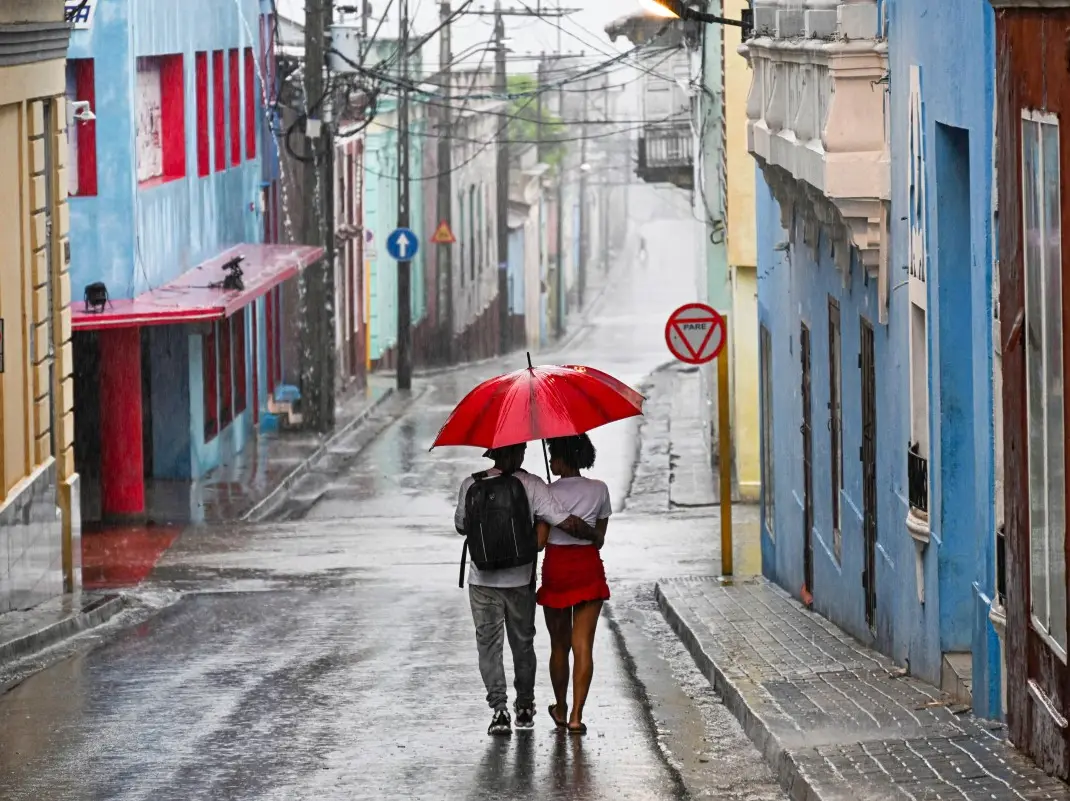
As Jamaica begins its recovery, Hurricane Melissa continued its march toward Cuba, where authorities were preparing for a direct hit. Officials in Cuba had already evacuated nearly 500,000 people from high-risk areas. The storm was expected to make landfall late Tuesday or early Wednesday near Santiago de Cuba, the country’s second-largest city. Cuban authorities were focused on ensuring the safety of residents, particularly in coastal areas, and securing critical infrastructure ahead of the storm.
The Bahamas, too, was bracing for impact, with additional evacuations ordered for the southern islands in anticipation of Melissa’s arrival. The storm's projected path had already affected nearby Haiti and the Dominican Republic, which had seen torrential rainfall and flooding from the storm’s outer bands, contributing to at least four deaths.

