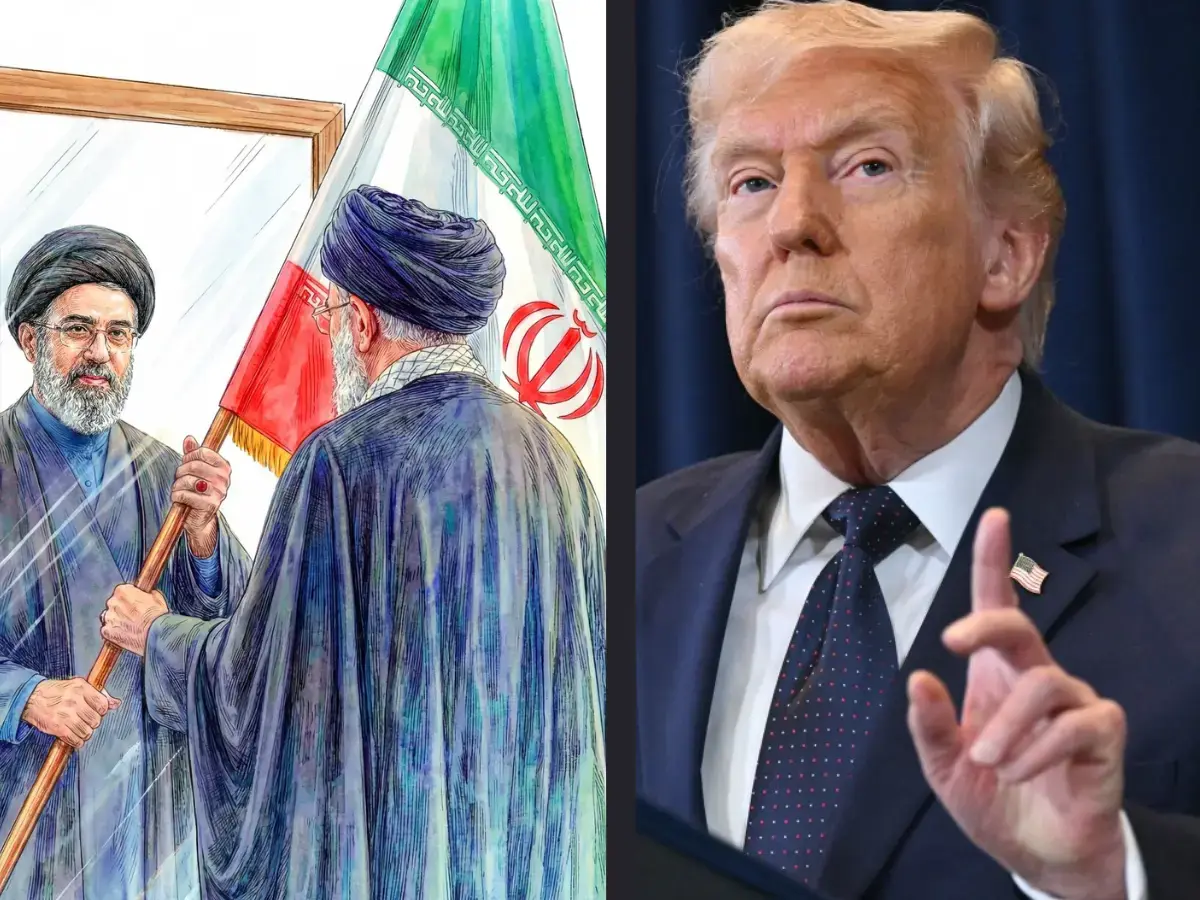
$1.2 trillion erased in a single day, US recession looming – 5 ways the Iran war is hitting America where it hurts most: its own economy

&imwidth=600&imheight=450&format=webp&quality=medium "$1.2 trillion erased in a single day, US recession looming – 5 ways the Iran war is hitting America where it hurts most: its own economy")
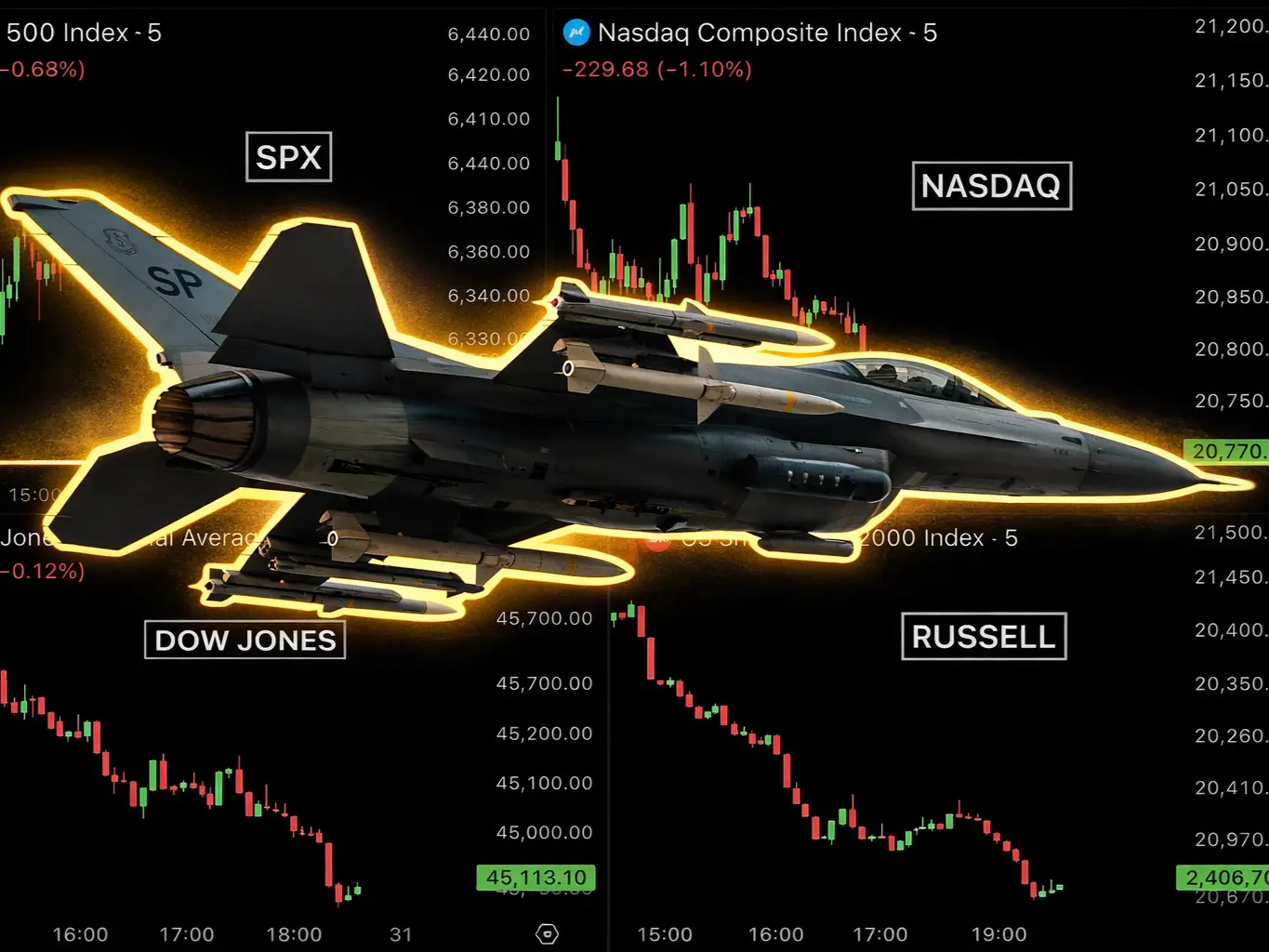
Operation Epic Fury is directly hitting business bottomlines and household budgets in the US Photograph: (Others)
The Iran war is battering the US economy, wiping out $1.2 trillion in market value in a single day. The oil price shocks are increasingly looking like the 1970s. Inflation is creeping in, and recession risks are looming
The Iran war is hitting the US where it hurts most: its own economy. In recent days, American markets have wiped out more than a trillion dollars in value, with indices hitting eight-month lows between March 26 and 30. Here are five key indicators showing that President Donald Trump’s Middle East outing is proving costly for American consumers and corporations, causing oil-price-driven inflation and a financial market rout.
$1.2 trillion wiped off markets in a single day
According to compiled data, at least $1.2 trillion was wiped off US markets in a single day. The S&P 500 fell by 1.66 per cent, erasing around $1 trillion, while the Nasdaq dropped 2.09 per cent, losing about $600 billion, and the Dow fell by 1.2 per cent, shedding $300 billion. Late March is seeing some of the heaviest sell-off days.
Also read: Gulf tensions explode as Iran hits, sets ablaze Kuwaiti oil tanker Al-Salmi near Dubai | Watch video
US recession looming, according to prediction markets; corporate profits hit
On the prediction website Polymarket, the odds favour a 37 per cent chance of a US recession by the end of 2026. This reflects crowd-sourced sentiment on war-driven risks to the American economy and businesses.
Trending Stories
)
)
)
)
)
)
)
)
)
)
)
)
)
)
)
)
)
)
&im=FitAndFill=(700,400))
)
)
)
&im=FitAndFill=(700,400))
)
&im=FitAndFill=(700,400))
&im=FitAndFill=(700,400))
)
Corporate profits are being affected, and these costs are being passed on to consumers, leading to inflation as well as delays in investment and hiring. These factors are pushing recession odds to 37 per cent.
This represents real wealth destruction for 401(k)s, pensions and businesses. The financial conditions of both consumers and businesses are worsening faster than any Federal Reserve move could offset.
Also read: Trump willing to end Iran war without reopening Strait of Hormuz: New report makes EXPLOSIVE claims
US oil prices up by more than $50 a barrel
The pressure of the war is slowly showing up at the pump. WTI crude was trading near $57 per barrel in late December. Now it is flirting with $106 a barrel, a surge of around $50. Brent crude is similarly between $100 and $110, marking one of the sharpest monthly price spikes on record.
The national average gasoline price is up 30 per cent in March, reaching $4 per gallon. Prices of diesel, jet fuel, and petrochemicals are also rising.
Supply-side shocks are occurring due to threats to the Strait of Hormuz, Iranian production and infrastructure risks, and its retaliatory targeting of Gulf energy infrastructure. Despite the US being a net oil exporter, oil prices represent a far greater cost of the war for it, outpacing its military spending. This is because the country still imports refined products and faces global pricing.
No cash for discretionary spending: US consumer economy takes a hit
Consumer spending accounts for nearly 70 per cent of US GDP. Higher energy costs are hitting household spending, particularly on discretionary items such as travel and shopping, as disposable incomes are squeezed.
Demand is softening, with economists at Goldman Sachs and elsewhere raising 2026 inflation forecasts while trimming growth outlooks.
Business margins are getting crushed
Sectors linked to energy supply—such as transport, manufacturing, agriculture, and retail—are facing higher input and logistics costs.
In essence, this resembles the classic oil shocks of the 1970s.
This may become a key reason why Trump would want to end the war quickly, allowing oil flows to normalise through diplomacy or de-escalation.