US winter storm: Deep freeze triggers 'frost quakes', mysterious booms heard in Kentucky, Tennessee

&imwidth=600&imheight=450&format=webp&quality=medium "US winter storm: Deep freeze triggers 'frost quakes', mysterious booms heard in Kentucky, Tennessee")
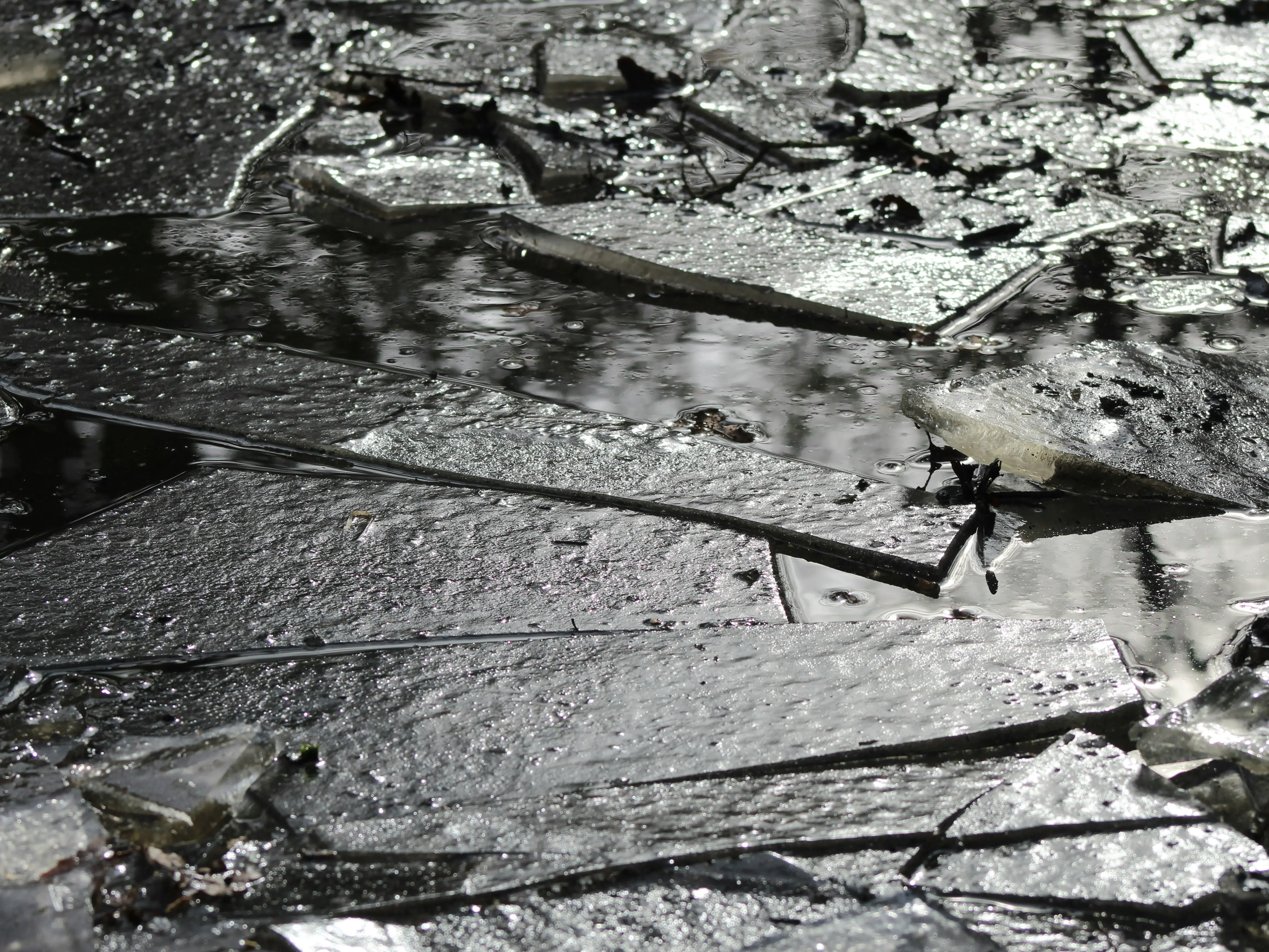
US winter storm triggers frost quakes in some states. Photograph: (Unsplash)
US winter storm: Frost quakes were reported in some US states, as cold frigid conditions slammed several parts of the US. What are frost quakes? Can they be dangerous, and how can you know whether the boom you just heard came from one?
A massive winter storm is pummeling the US Northeast, bringing with it heavy snow and ice amid freezing temperatures. The frigid conditions are also causing frost quakes, accompanied by loud booms, in several areas. People are hearing cracking sounds coming from the ground, fearing whether the foundations of their homes are at risk. This noise can be attributed to frost quakes, also known as cryoseism. It causes the ground to vibrate as the frozen soil and groundwater crack. They can be mistaken for earthquakes because of the shaking and are accompanied by a loud boom, but are rarely threatening. However, the cracking can be bad news for buildings and roads. Frost quakes are currently being reported from states like Tennessee, Michigan and Kentucky. They are caused by water right under the surface, which freezes and cracks as temperatures drop suddenly. The winter storm provided the moisture for this to occur in several regions.
Which states reported frost quakes?
In Nashville, nearly two inches of rain fell over the weekend. As the temperatures fell, underground moisture froze. This ice then expands, putting extra pressure on the soil and bedrock. The pressure continues to build, and the soil layers and the rock. This triggered a noticeable boom and shaking. However, frost quakes do not occur when enough snow falls since it acts as an insulator. This makes the phenomenon rare. Frost quakes were also reported across south-central Kentucky. Frost quake warnings were also issued for New York state and Michigan over the weekend. The latter witnessed wind chills reaching -45 degrees, with temperatures plummeting to around -30 degrees in the northern parts of the state. This makes it a prime candidate for frost quakes.
Also Read: Severe cold and ice storm cripple US, leaving millions without power and disrupting air travel
What does a frost quake sound like?
It is hard to tell where the frost quake is originating from. The sound of the boom can also vary. Sometimes it might sound like a dull thud, a strange rumble, a loud crack or even like a gunshot.
Trending Stories
)
)
)
)
)
)
)
)
)
)
)
)
)
)
)
)
)
)
)
)
)
)
)
)
)
)
)
)
)
&im=FitAndFill=(700,400))
)
)
)
)
)
)
)
)
)
&im=FitAndFill=(700,400))
)
)
Can frost quakes damage houses?
Frost quakes rarely cause any damage, although they can sometimes cause small cracks in pavement or foundations.
What time do frost quakes mostly happen?
Frost quakes usually occur when the air is the coldest. According to weather experts, this mostly happens between 11 pm and 3 am. So if you hear a weird loud noise that startles you in the middle of the night, don't worry, nothing weird is going on.
US winter storm death toll
The severe weather has killed at least 30 people in the US. This includes those who got caught in the cold outside and experienced hypothermia. Weather-related traffic, sledging, and snowplough accidents also caused deaths.

