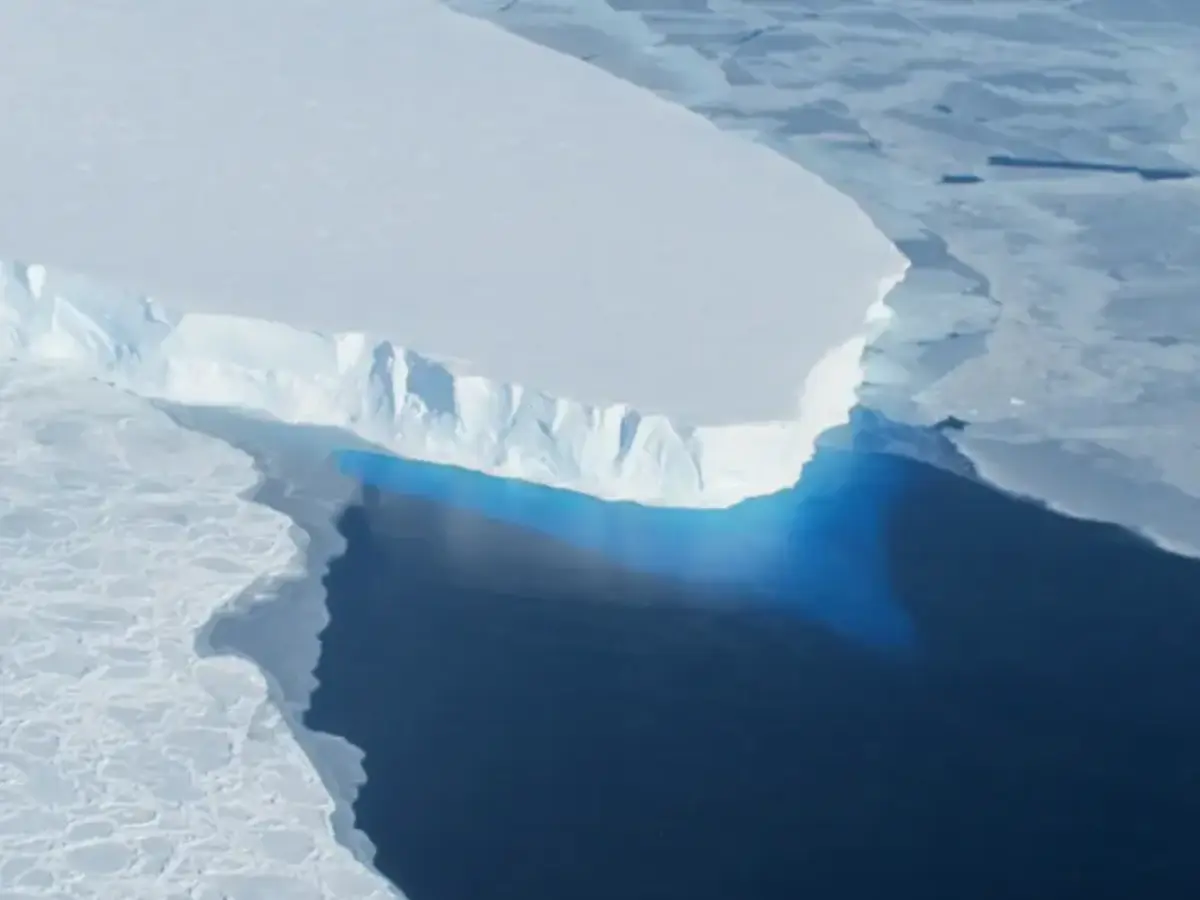
Scientists drilled 3,300 feet deep into Doomsday Glacier. It wasn't enough

&imwidth=600&imheight=450&format=webp&quality=medium "Scientists drilled 3,300 feet deep into Doomsday Glacier. It wasn't enough")
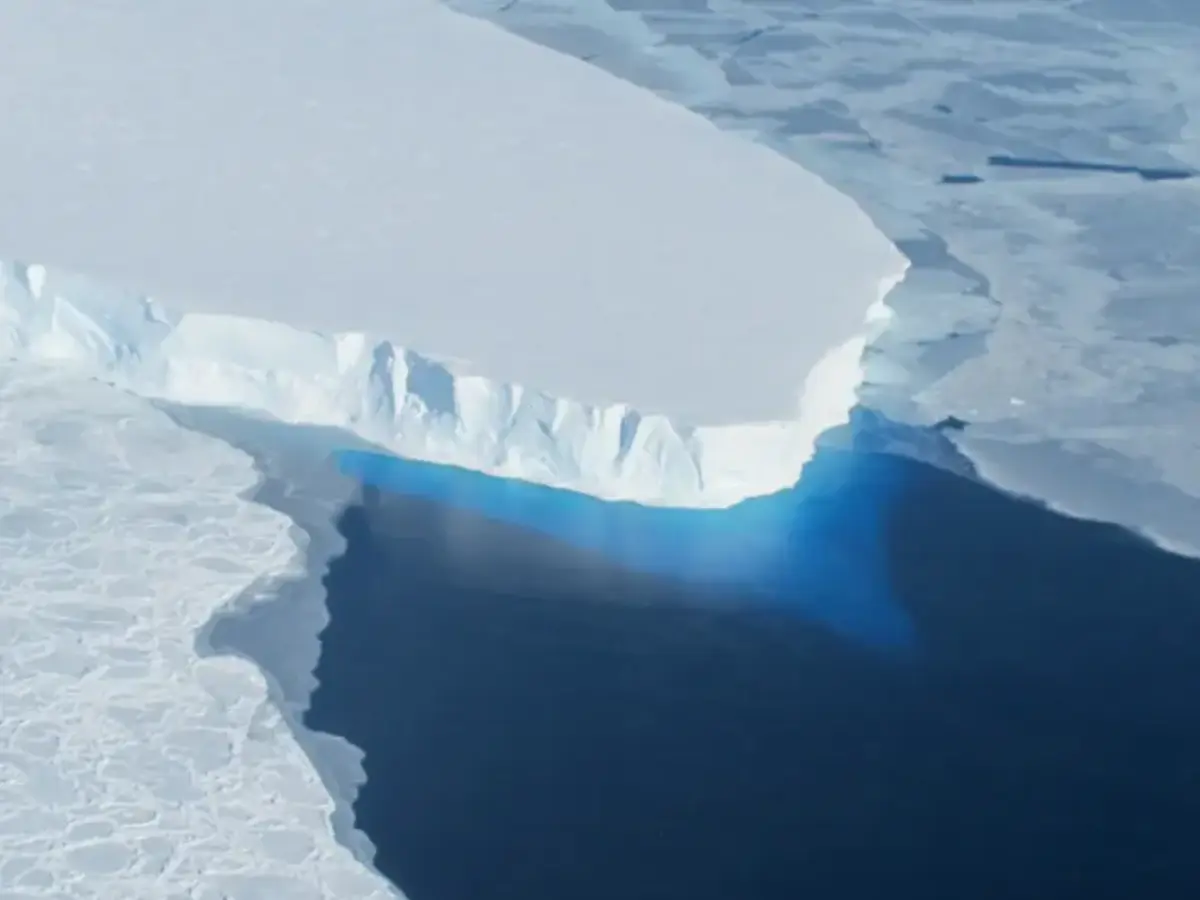
Doomsday Glacier did not let scientists reach the desired depth. Photograph: (AFP)
A team studying the Doomsday Glacier, or the Thwaites Glacier, faced a major setback when they could only drill about three-fourths of the intended distance. The plan was to place instruments at the bottom of the glacier, but harsh weather meant it could not happen.
Scientists who set up camp on the Doomsday Glacier, officially known as the Thwaites Glacier, faced failure after their drilling instruments got stuck after reaching only about half a mile down the ice. The team of researchers had to get a drill to bore through the ice and faced a tight deadline. The task had to be achieved by February 7, since the ship that took them had to return to New Zealand on this day. However, all their efforts went in vain as the machinery could only reach three-quarters of its final destination, the New York Times reported. They intended to place instruments in the warming waters below the ice that is fast melting. Scientists are making efforts to learn about Thwaites as it is predicted to eventually drown the world's coastlines. The team was supposed to learn about the warming waters below the glacier, which is contributing to its withering away.
To carve the hole, scientists and engineers first made a borehole around one foot in diameter. They then used hot water to reach about 3,300 feet deep into the ice. Constant application of hot water was needed to prevent the hole from refreezing, which is estimated to happen in just 48 hours. This happened last weekend, and the mission's success depended on securing the instruments in place by Monday (February 2). The weather was expected to worsen in the region this week, making helicopter operations difficult, leading to the team being stranded. They need to leave by February 7.
Also Read: Major catastrophe unfolding in Antarctica as hundreds of earthquakes slam Doomsday Glacier
First data gathered from Thwaites Glacier’s ‘main trunk’
While they managed to dip and remove a set of pilot instruments, their main equipment got stuck in the ice before it could reach the end point. However, the good news is that the scientists collected first ever data from beneath the glacier’s "main trunk". They now have proof that the waters under the glacier are warm.
Trending Stories
)
)
)
)
)
)
)
)
)
)
)
)
)
)
)
)
)
)
)
)
)
)
)
)
)
)
)
)
)
)
)
)
)
)
&im=FitAndFill=(700,400))
)
)
)
)
Thwaites Glacier is predicted to collapse entirely by the early 22nd century. When this happens, global sea levels could rise by 10 feet. This occurrence is bound to happen, and scientists are racing to study the glacier before it disappears. Another study also noted that the glacier has been struck by 362 glacial earthquakes between 2010 and 2023, making it extremely unstable. Glacial earthquakes have been recorded in Greenland in the past, but they were hard to detect in Antarctica, according to the study published in Geophysical Research Letters