Robot umpires in Korea prove World Cup 'mess' is real: Humans are biased towards star players

&imwidth=600&imheight=450&format=webp&quality=medium "Robot umpires in Korea prove World Cup 'mess' is real: Humans are biased towards star players")
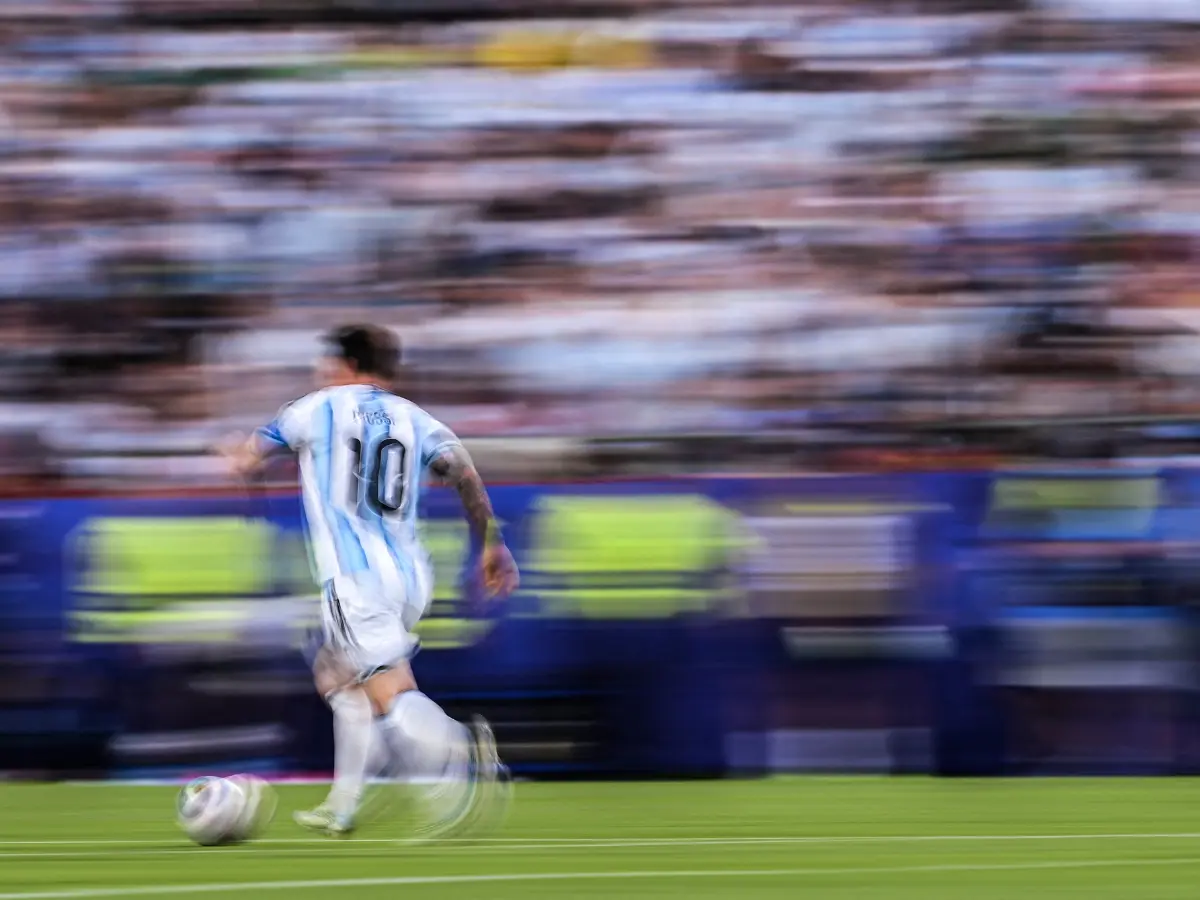
Human referees and umpires have a natural bias towards star players, a study carried out on robot umpires in Korea shows. Photograph: (AFP)
FIFA World Cup has witnessed allegations of unfair play by officials who have been accused of delivering decisions in favour of a particular team and a big-name player. A study has now shown that human referees choose to side with such players.
As allegations of rigged decisions being taken by referees rage during the ongoing FIFA World Cup, Korea has done something that shows how humans are biased towards big-name players. The Korea Baseball Organization (KBO) deployed robot umpires during its 2024 season. They use pitch-tracking sensors and cameras to analyse whether a pitch has crossed the strike zone. The data collected by the Automatic Ball-Strike system (ABS) is given to the human home plate umpire, who then delivers the final decision. Researchers at the University of Michigan (UM) have now analysed the effectiveness of the robots.
According to them, human umpires may have been ruling in favour of popular high-status players unknowingly. Their data showed that these hitters performed worse during the 2024 KBO season compared to the previous year in terms of strike-zone judgment. Jimin Song, a UM kinesiologist and study co-author, said in a statement, “Before ABS, when a big-name batter was at bat, umpires may have given more favourable calls on borderline pitches.”
Umpire decisions changed when replaced with robots
In fact, their statistics dropped across multiple plate-focused areas after ABS was deployed. However, the shift in wider-ranging hitting performance was not as noticeable. The researchers believe the player performance did not change, and the change was in the way the umpires made the decisions. However, the same was not true for major-name pitchers since they performed in varied positions or got fewer opportunities.
Study co-author and UM kinesiologist Richard Paulsen, said, "Some decisions made by officials, like ball-strike decisions or out-of-bounds calls, are very objective and could be automated easily." Song and Paulsen say the implications of their findings apply to other areas as well, where power dynamics are at play. This includes workplaces and educational institutions.
The team says, despite what their findings show, that human judgment remains useful for more subjective decisions, and so they do not see "human officiating to go away completely anytime soon." However, their study shows that there is a need to work towards reducing biases as much as possible through blind performance reviews and evaluations.
&im=FitAndFill=(700,400))
)
)
)
)
)
)
)
)
)
)
)
)
)
)
&im=FitAndFill=(700,400))
)
)
)
)
)
)
)
)
)
)
)
)
)
&im=FitAndFill=(700,400))

