NASA saw something bizarre happening 88 km above Earth from space. What was it?

&imwidth=600&imheight=450&format=webp&quality=medium "NASA saw something bizarre happening 88 km above Earth from space. What was it?")
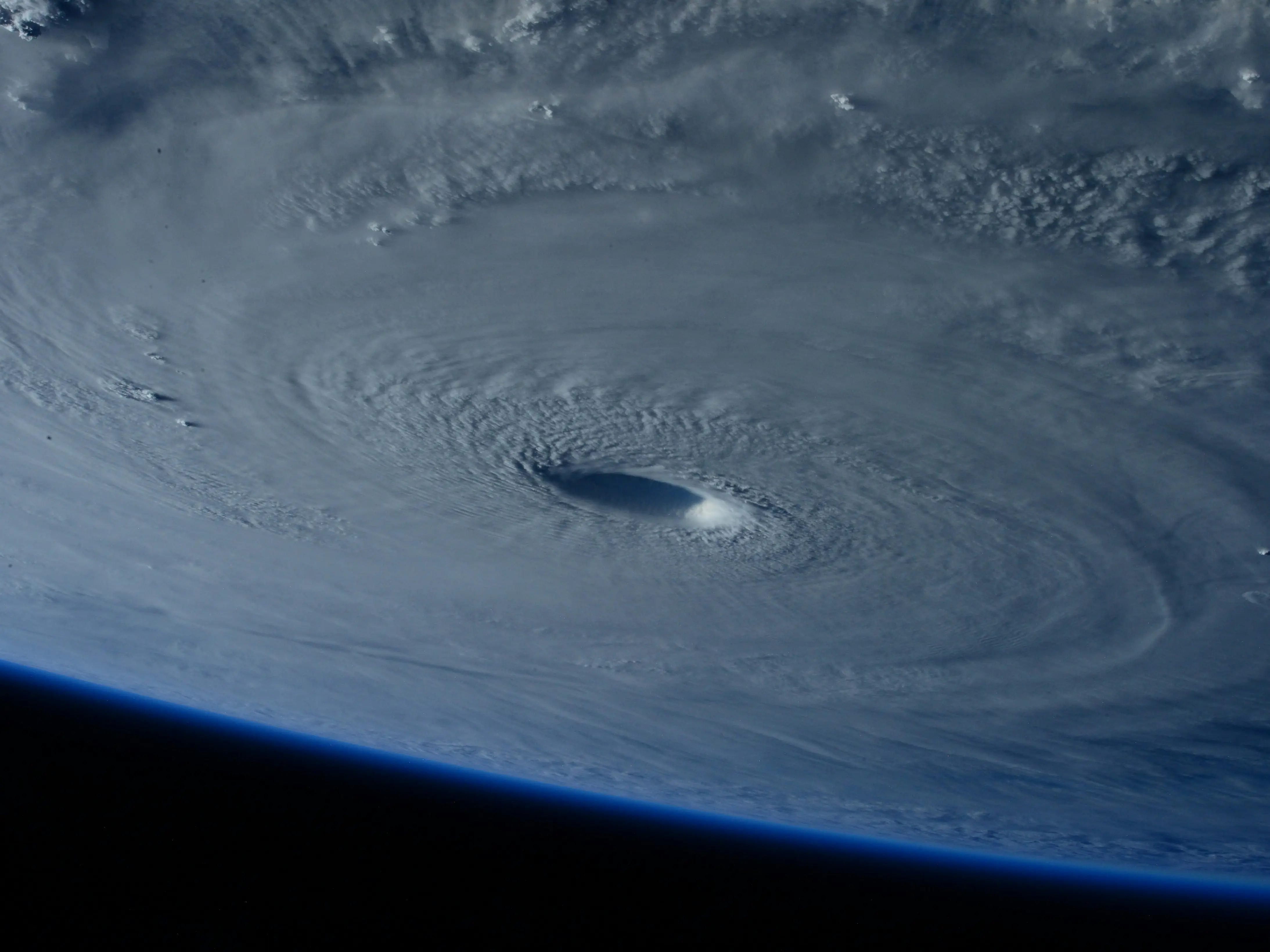
A NASA photo of a hurricane. Photograph: (NASA)
NASA saw a strange occurrence in the upper atmosphere in 2024 when a hurricane slammed into Florida. Scientists are intrigued by the detection since it can impact satellites and also proves how weather on the ground can ripple to such high levels.
NASA detected something strange above Earth from the International Space Station, which proved that what goes on at the ground level doesn't necessarily remain restricted there. This strange phenomenon is linked to Hurricane Helene, which slammed the Florida coast in September 2024. An instrument on the ISS detected an unknown phenomenon rushing through Earth's atmosphere, around 88 kilometres above the planet. NASA was baffled to see something that was not visible from the ground, yet was picked up from space. What it saw were atmospheric waves, and to see them high above Earth shows that strong weather events not only devastate land, but also have an effect on the different layers of the atmosphere. The phenomenon was observed in the mesosphere, the third layer of Earth's atmosphere that extends from 50 to 85 km.
As Helene smashed into Florida, a NASA instrument aboard the ISS saw hints of a type of atmospheric wave that typically forms when events like hurricanes occur, Earth.com reported. The Atmospheric Wave Instrument (AWE) was installed outside the ISS in 2023 to detect “atmospheric glow,” a light displayed by gases at high altitudes. When Helene hit, AWE observed a pattern that appeared to be like ripples high above Earth. NASA said that this happened because of the storm, which was so strong that it stirred the air so far above.
Also Read: Scientists warn intense heat due to climate change could freeze Earth, ushering in a new Ice Age
The pattern travelled towards the West, meaning the disturbance did not remain restricted to the storm zone. The ISS orbits 400 kilometres above the surface, and caught something that did not show up in ordinary weather measurements. This makes it the perfect vantage point for making similar observations in the future.
Also Read: Major catastrophe unfolding in Antarctica as hundreds of earthquakes slam Doomsday Glacier
How AWE on ISS and a set of telescopes can find more new phenomena
Trending Stories
&im=FitAndFill=(700,400)&imwidth=280&imheight=210&format=webp&quality=medium)
&imwidth=280&imheight=210&format=webp&quality=medium)
&imwidth=280&imheight=210&format=webp&quality=medium)
&imwidth=280&imheight=210&format=webp&quality=medium)
&imwidth=280&imheight=210&format=webp&quality=medium)
&imwidth=280&imheight=210&format=webp&quality=medium)
&imwidth=280&imheight=210&format=webp&quality=medium)
&im=FitAndFill=(700,400)&imwidth=280&imheight=210&format=webp&quality=medium)
&imwidth=280&imheight=210&format=webp&quality=medium)
&imwidth=280&imheight=210&format=webp&quality=medium)
&imwidth=280&imheight=210&format=webp&quality=medium)
&imwidth=280&imheight=210&format=webp&quality=medium)
&imwidth=280&imheight=210&format=webp&quality=medium)
&imwidth=280&imheight=210&format=webp&quality=medium)
&imwidth=280&imheight=210&format=webp&quality=medium)
&imwidth=280&imheight=210&format=webp&quality=medium)
&imwidth=280&imheight=210&format=webp&quality=medium)
&imwidth=280&imheight=210&format=webp&quality=medium)
&imwidth=280&imheight=210&format=webp&quality=medium)
&imwidth=280&imheight=210&format=webp&quality=medium)
&imwidth=280&imheight=210&format=webp&quality=medium)
&imwidth=280&imheight=210&format=webp&quality=medium)
&imwidth=280&imheight=210&format=webp&quality=medium)
&imwidth=280&imheight=210&format=webp&quality=medium)
&imwidth=280&imheight=210&format=webp&quality=medium)
&im=FitAndFill=(700,400)&imwidth=280&imheight=210&format=webp&quality=medium)
&imwidth=280&imheight=210&format=webp&quality=medium)
&imwidth=280&imheight=210&format=webp&quality=medium)
&imwidth=280&imheight=210&format=webp&quality=medium)
&imwidth=280&imheight=210&format=webp&quality=medium)
&imwidth=280&imheight=210&format=webp&quality=medium)
&imwidth=280&imheight=210&format=webp&quality=medium)
&imwidth=280&imheight=210&format=webp&quality=medium)
&imwidth=280&imheight=210&format=webp&quality=medium)
&imwidth=280&imheight=210&format=webp&quality=medium)
AWE was made with the aim of understanding what goes on in the upper atmosphere when storms hit the ground. Learning of this impact in the thin air at higher altitudes can prove crucial to gauging the ripple effects and how they impact a region that ultimately affects the conditions that matter for satellites. Even a slight shift in the density of air in the upper atmosphere could lead satellites to run into problems. AWE can help learn more about these observations and help prevent any problems that might impact satellites. AWE, alongside Advanced Mesospheric Temperature Mapper (AMTM), a set of telescopes that can detect details that ordinary sensors miss, can continue to monitor such never-before-seen phenomena higher up.

