

&imwidth=800&imheight=600&format=webp&quality=medium "Scientists warn intense heat due to climate change could freeze Earth, ushering in a new Ice Age")
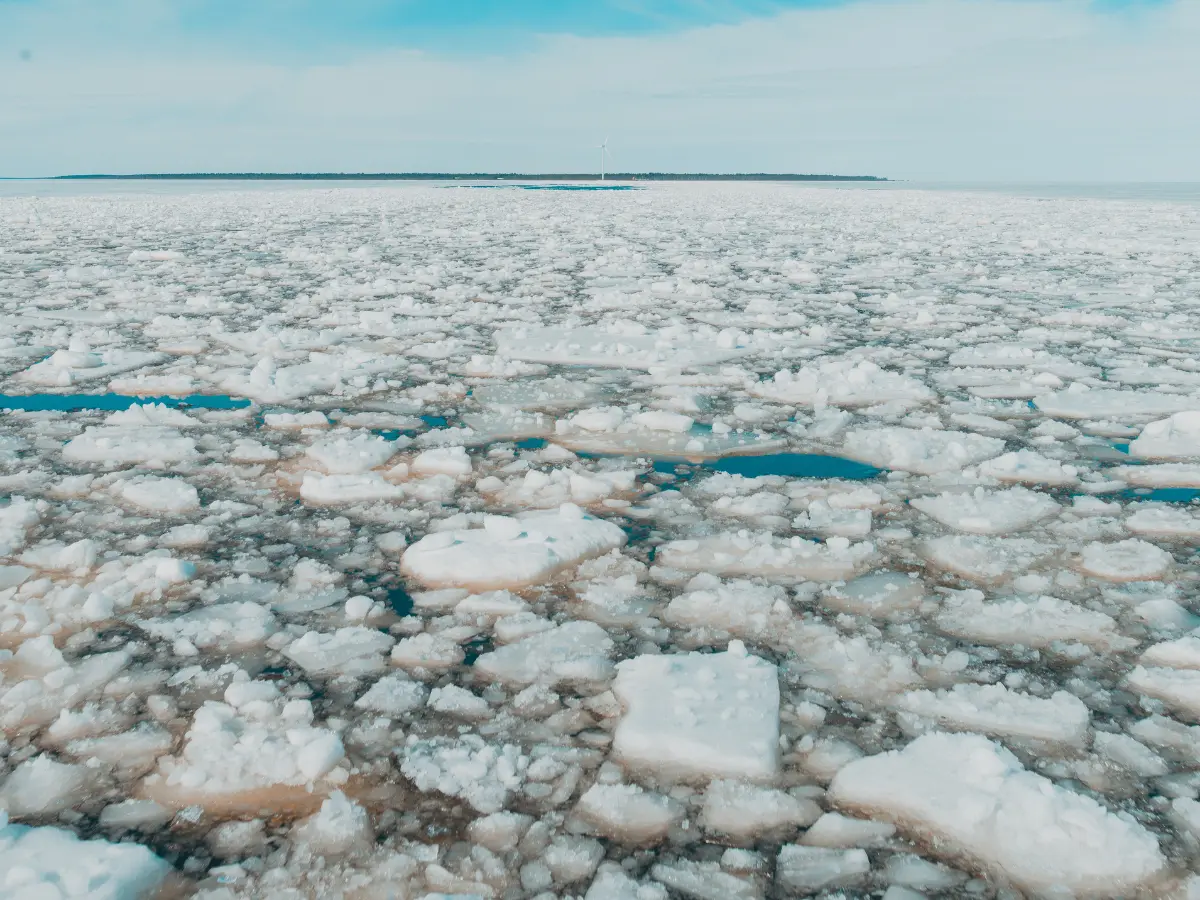
A study has found that even though the planet is warming up, we might be going towards another ice age. It sounds paradoxical, but scientists say it is possible. Researchers from the University of California, Riverside, and the University of Bremen believe that as carbon dioxide levels rise and Earth heats up to an extreme point, heat would end in cold because of "a glitch in the matrix", ultimately returning us to an Ice Age. According to the researchers, Earth has a natural thermostat which helps it regulate its temperature when things get out of hand. More carbon dioxide and heat in the atmosphere cause it to rain more, eroding rocks and pulling all the CO2 into the ocean. In the sea, microscopic plankton feed on it and then die and sink. With them, CO2 also disappears for thousands of years. This cools down the planet, and the cycle resets.
Also Read: A robot got lost in Antarctica. It revealed scary secrets from underneath another glacier
Earth's chemistry will go off track
However, the latest study suggests that if Earth witnesses extreme warning, way over the edge, this thermostat fails to function as expected. An overreaction occurs, and the ocean is filled with nutrients, mainly phosphorus, causing the plankton to overgrow. A lot more CO2 starts getting absorbed by the seafloor, quicker than what is released into the atmosphere by volcanoes and other occurrences. In even warmer seas with low oxygen levels, phosphorus is released again, providing more of it to the plankton, which keep growing. With CO2 fast depleting, a vicious cycle sets in and temperatures will plummet rapidly, pushing Earth into an Ice Age.
Researchers state that this is what will ultimately happen to Earth someday, but not today. This process would take place over hundreds of thousands of years, and humans would not be here to see this Ice Age. The cycle will happen as it usually does, with a warming climate, extreme heat, rising sea levels that would wash away much of the coasts and much more.

