Lohri 2026: A look at the history, significance, and why the festival is celebrated

&imwidth=600&imheight=450&format=webp&quality=medium "Lohri 2026: A look at the history, significance, and why the festival is celebrated")
Lohri 2026 Photograph: (Freepik)
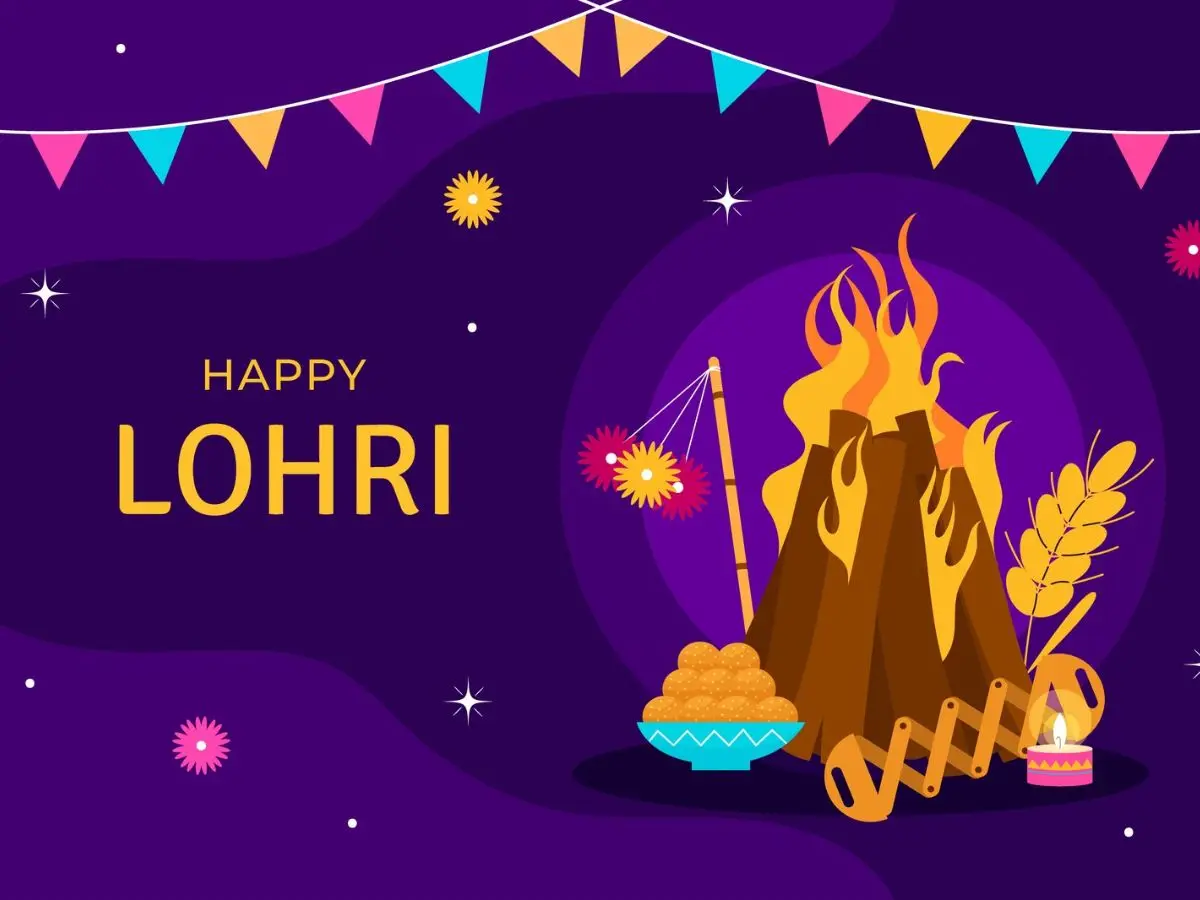
Wishing you a very Happy Lohri! It is a vibrant Punjabi harvest festival celebrated every year on January 13th. Take a look at the history, significance, and cultural traditions the festival holds.
Lohri, the festival of joy and new beginnings, is celebrated every year on January 13 across North India, particularly in Punjab, Haryana, and parts of Delhi. People mark the festivities by lighting bonfires, singing Punjabi folk songs, performing energetic dances, and sharing sweets. Lohri is more than just a celebration as it is a tribute to nature, the harvest, and the strengthening of community connections.
What Is Lohri Festival?
Lohri is a midwinter folk festival that marks the passing of the winter solstice and the end of winter, and welcomes the longer days. In today’s chaotic and busy life, it continues to remind people of the importance of gratitude, peace, and harmony with nature. It brings families and neighbours together, sharing the simple joys of life.
The festival holds significant importance for farmers as it celebrates the harvest of rabi crops, particularly sugarcane, wheat, and mustard.
Trending Stories
&im=FitAndFill=(700,400))
)
)
)
)
)
)
)
)
)
)
)
)
)
&im=FitAndFill=(700,400))
)
)
)
)
)
)
)
)
)
)
)
)
)
)
)
)
)
&im=FitAndFill=(700,400))
)
)
)
)
)
)
)
)
)
Traditionally, it is viewed as an auspicious occasion for new beginnings, where families celebrate the festival with extra enthusiasm when welcoming a newborn child or commemorating the first Lohri of newlyweds, symbolising prosperity, fertility, and happiness in the future.
Significance of Lohri Festival
Lohri celebrations are not complete without a bonfire, which represents warmth, light, and positive energy. It also symbolises the end of harsh winter days, bringing hope for brighter, warmer times ahead. People gather around the fire to offer peanuts, popcorn, sesame seeds, jaggery, and rewri, distributing these treats among each other as they pray for abundance and protection from negativity. While circling the bonfire, they honour Agni, the fire god, who is believed to carry their prayers to the divine.
History of Lohri Festival
Lohri is deeply rooted in the remembrance of the legend named Dulla Bhatti, a local hero who helped poor girls by freeing them from slavery and ensuring their marriage during the Mughal era. Hence, the traditional Lohri songs continue to praise his bravery and generosity, keeping his story alive across generations.
People dance to energetic bhangra and giddha, wear vibrant traditional attire, and share festive treats like sweets, popcorn, and peanuts to strengthen cultural identity and promote togetherness.

