ITR last date 2026: What happens if you miss deadline? Know about late fees, interest, delayed refunds

&imwidth=600&imheight=450&format=webp&quality=medium "ITR last date 2026: What happens if you miss deadline? Know about late fees, interest, delayed refunds")
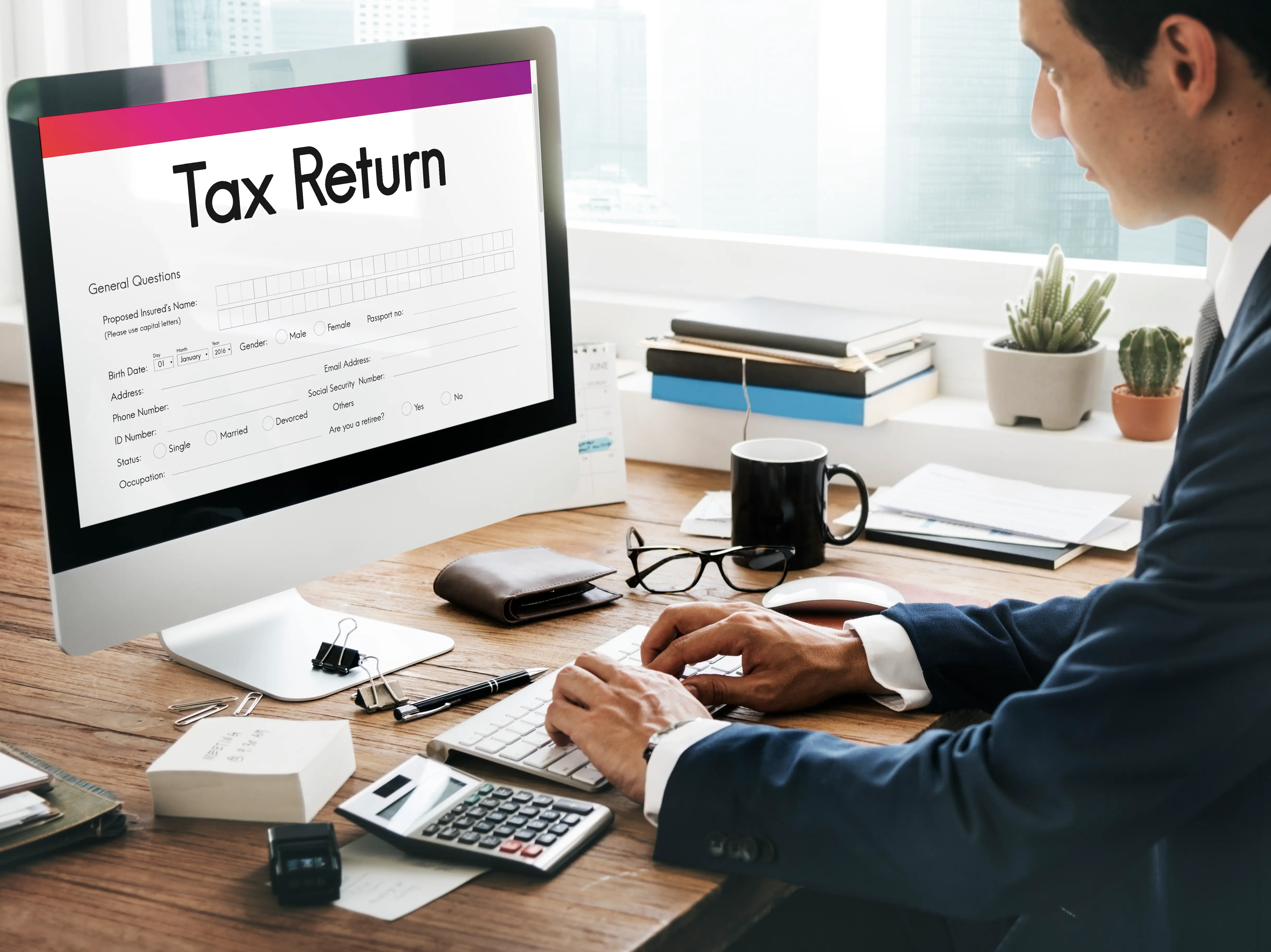
Representative image. Photograph: (Magnific)
ITR have been filed by over 3 crore people till now, and more people are rushing to complete it. Experts warn late filers face fees, mounting interest, delayed refunds, and loss of the ability to carry forward business or capital losses for future tax benefits.
The deadline to file the Income Tax Returns (ITR) is 31 July 2026, just a few days away. Till now, over 3 crore ITRs have been filed, highlighting a growing awareness and a strong shift towards early compliance. As the last day approaches, several taxpayers are scrambling to finish their filings and avoid hefty late fees and penalties.
However, despite these encouraging trends in tax compliance, experts warn that those who haven't yet filed shouldn't put it off any longer, since missing the deadline can trigger financial and procedural repercussions down the line, including added costs, delayed refunds, and complications with certain tax benefits.
Here are some of the key consequences of missing the deadline:
Late filing fee
If you don’t file your ITR by the notified due date, you may need to pay a late fee, as per the Income-tax Act, but only if the relevant conditions and limits apply in your case. And this isn’t some “instead of” thing. It comes along with whatever tax you already owe, so filing later doesn’t magically erase it.
Trending Stories
)
)
)
)
)
)
)
)
)
)
)
)
)
)
)
)
)
)
)
)
)
)
)
)
)
)
)
)
)
)
)
)
)
)
)
&im=FitAndFill=(700,400))
)
Interest on unpaid tax
If any self-assessment tax is still pending after the due date, interest can keep stacking up until the unpaid part is finally cleared. Even if it looks small at first, the total interest amount can become more noticeable later on.
Delay in receiving your refund
For many salaried individuals, TDS is deducted during the year, so the refund is basically “your money back”. But you can only claim that back properly by filing the Income Tax Return. So if you delay the ITR, the refund also tends to get pushed back. Instead of getting the refund in a few weeks, you may end up waiting much longer, just because the return went in late.
Trouble with carrying forward losses
If you had eligible business losses or certain capital losses in the financial year, then timely filing may be important to carry them forward, so you can set them off in future years, subject to the Income-tax Act rules. Missing the deadline can mean you lose chances that could have helped reduce taxes later.

