Iran using military-grade jammers to block Starlink internet, invading homes to remove devices

&imwidth=600&imheight=450&format=webp&quality=medium "Iran using military-grade jammers to block Starlink internet, invading homes to remove devices")
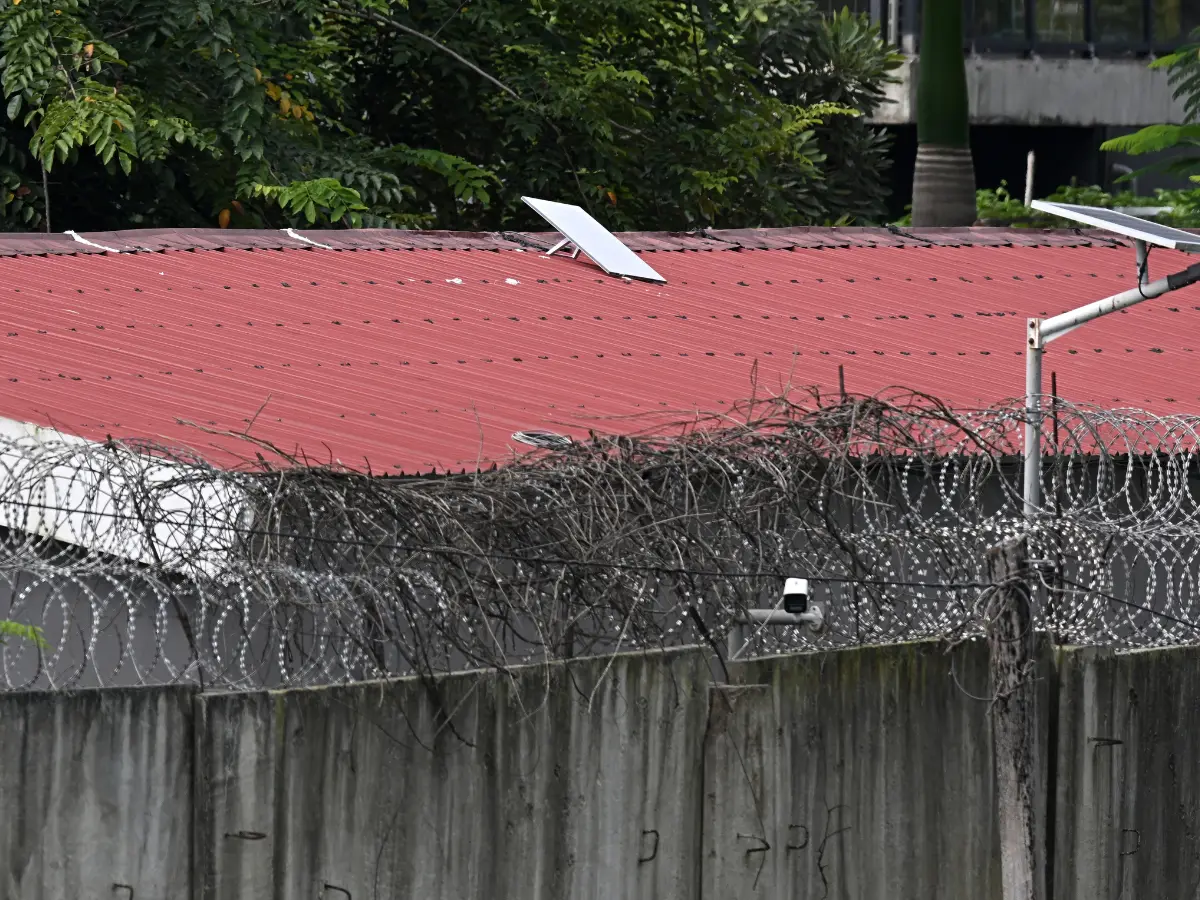
Starlink internet terminals are unable to connect with satellites in Iran. Photograph: (AFP)
Iran has managed to block even satellite internet in the country, as Starlink also faces troubles. The GPS signals that terminals use to link to satellites have been blocked. An expert said this could be an alarm bell for other countries.
Iran has been systematically blocking internet access in the country, with even Starlink hit, touted to be impossible to jam. Reports suggest that the administration has deployed military-grade GPS jammers to prevent people from accessing or sending out information. Amir Rashidi, director of digital rights at the Miaan Group, a US-based nonprofit that deals with Iranian internet censorship, said that these jammers have cut satellite internet performance by around 80 per cent in parts of the country. Data from major internet infrastructure companies suggests that after the blockade was imposed on January 8, a 98.5 per cent crash in traffic was recorded within 30 minutes, as reported by Cloudflare. According to the Internet Society, a nonprofit that pushes for an open internet, since 2018, Iran has blocked internet access 17 times. Rashidi wrote on LinkedIn, "The level of violence by the government is unlike anything I have ever witnessed. The Islamic Republic is killing to survive.”
Jamming Starlink satellite internet proved to be an impossible task for Russia in Ukraine, the Rest of World reported. To support Ukraine in its war, Musk sent terminals to let people access the internet and remain connected. Military officials also used Starlink internet to keep communication open with the world. But Moscow tried blocking it and failed as SpaceX quickly pushed software updates, which thwarted all attacks on its satellites. During the 2022 Mahsa Amini protests in Iran, Starlink activated beams over Iran, which showed that its internet cannot be blocked. This is precisely why Starlink has gained popularity, acting as a sure-shot communication line for militaries, activists and journalists. It has thousands of low-Earth orbit satellites that shift frequencies frequently. They are not dependent on any infrastructure on land, meaning they can keep working when non-satellite internet blackouts are imposed.
Also Read: Iran protests: 'Save Erfan Soltani' hashtag trends on social media amid news of execution
Iran police taking away satellites from homes
Trending Stories
&imwidth=280&imheight=210&format=webp&quality=medium)
&im=FitAndFill=(700,400)&imwidth=280&imheight=210&format=webp&quality=medium)
&imwidth=280&imheight=210&format=webp&quality=medium)
&imwidth=280&imheight=210&format=webp&quality=medium)
&imwidth=280&imheight=210&format=webp&quality=medium)
&im=FitAndFill=(700,400)&imwidth=280&imheight=210&format=webp&quality=medium)
&imwidth=280&imheight=210&format=webp&quality=medium)
&imwidth=280&imheight=210&format=webp&quality=medium)
&imwidth=280&imheight=210&format=webp&quality=medium)
&imwidth=280&imheight=210&format=webp&quality=medium)
&imwidth=280&imheight=210&format=webp&quality=medium)
&imwidth=280&imheight=210&format=webp&quality=medium)
&imwidth=280&imheight=210&format=webp&quality=medium)
&imwidth=280&imheight=210&format=webp&quality=medium)
&imwidth=280&imheight=210&format=webp&quality=medium)
&imwidth=280&imheight=210&format=webp&quality=medium)
&imwidth=280&imheight=210&format=webp&quality=medium)
&imwidth=280&imheight=210&format=webp&quality=medium)
&imwidth=280&imheight=210&format=webp&quality=medium)
&imwidth=280&imheight=210&format=webp&quality=medium)
&imwidth=280&imheight=210&format=webp&quality=medium)
&imwidth=280&imheight=210&format=webp&quality=medium)
&imwidth=280&imheight=210&format=webp&quality=medium)
&imwidth=280&imheight=210&format=webp&quality=medium)
&im=FitAndFill=(700,400)&imwidth=280&imheight=210&format=webp&quality=medium)
&imwidth=280&imheight=210&format=webp&quality=medium)
&imwidth=280&imheight=210&format=webp&quality=medium)
&imwidth=280&imheight=210&format=webp&quality=medium)
&imwidth=280&imheight=210&format=webp&quality=medium)
&imwidth=280&imheight=210&format=webp&quality=medium)
&imwidth=280&imheight=210&format=webp&quality=medium)
&imwidth=280&imheight=210&format=webp&quality=medium)
&imwidth=280&imheight=210&format=webp&quality=medium)
&imwidth=280&imheight=210&format=webp&quality=medium)
&imwidth=280&imheight=210&format=webp&quality=medium)
However, Tehran seems to have done it this time, and experts say it is a warning sign for the rest of the world. Using military-grade jammers, Iran has even affected satellite internet. Starlink terminals use GPS signals to locate themselves and connect to satellites. Iran disrupted these signals to cut off access. SpaceX is yet to provide a fix, and has not commented yet. However, it has prepared a "white list" system which allows government mouthpiece media and some administrators access to the internet. Some border towns also continue to receive internet service, as reported by Reuters. An eyewitness told The New York Post that the police are now entering people's homes without permission and taking away the satellites.