Indian Constitution Day 2025: Why November 26 is celebrated as India’s constitution day — History, significance, and more - explained

&imwidth=600&imheight=450&format=webp&quality=medium "Indian Constitution Day 2025: Why November 26 is celebrated as India’s constitution day — History, significance, and more - explained")
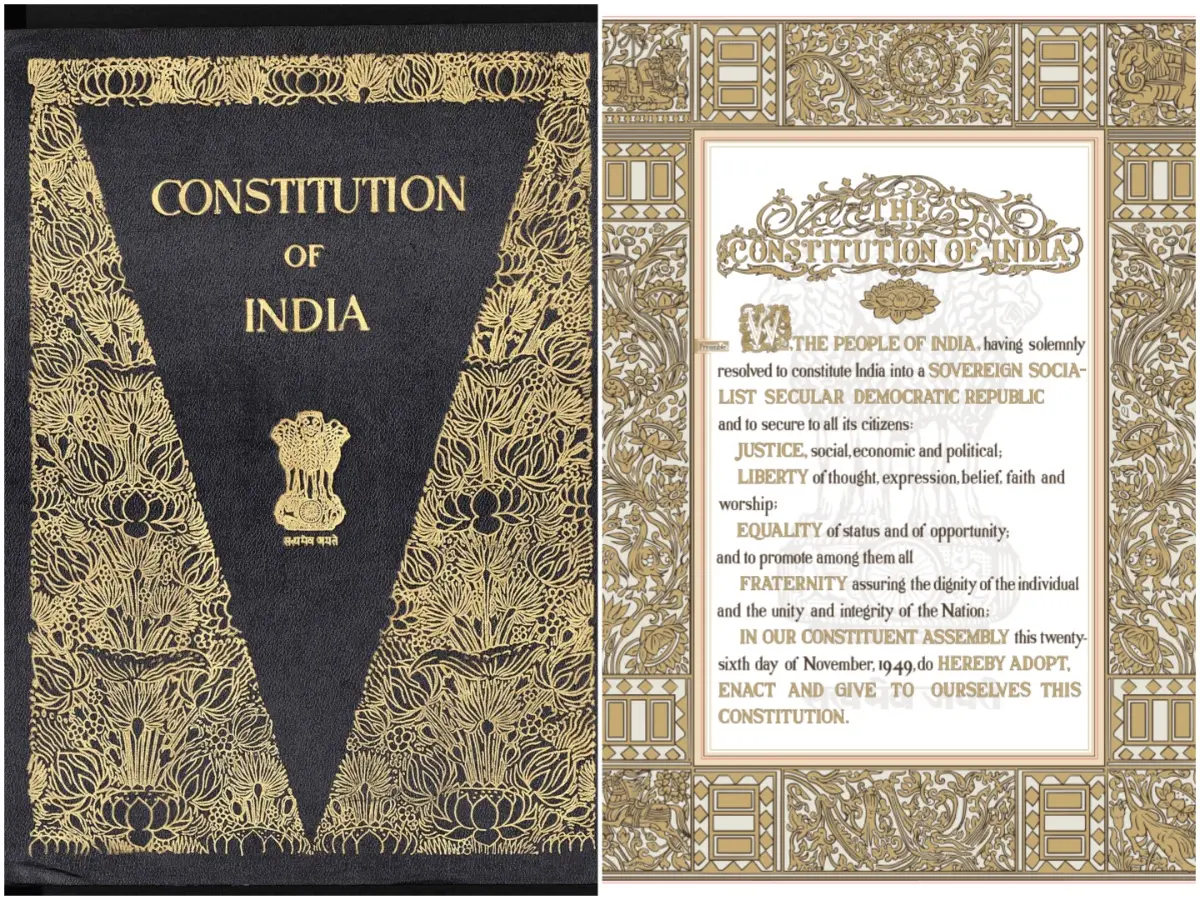
Representational Image. Photograph: (Wikimedia Commons)
Constitution Day is dedicated to honouring the vision of the Constituent Assembly and reminding citizens of the foundational principles that guide Indian society. This day encourages reflection on the fundamental duties listed in the Constitution, fostering respect, inclusivity, and unity.
Constitution Day, also known as Samvidhan Divas, is celebrated annually on November 26 to honour the adoption of the Indian Constitution in 1949 by the Constituent Assembly of India. When India became a republic, the Constitution finally came into effect on January 26, 1950. This day marks a pivotal moment in India's history, recognising the establishment of the longest written constitution in the world.
What is the history and origin of India’s constitution?
In order to mark India as a sovereign democratic republic, a need was felt to have a set of provisions after the Government of India Act, 1935. After the push for decades over the constitution, subsequently, a Constituent Assembly was formed in December 1946, considering the first President of India, Dr. Rajendra Prasad, as its chairman.
Apart from key figures such as Dr BR Ambedkar, Sardar Patel, and Jawaharlal Nehru, the Constituent Assembly comprised 389 members and convened for the first time on December 9, 1946. During this initial session, Dr Ambedkar was given the responsibility of drafting the Constitution.
After three years, Dr BR Ambedkar came up with the draft in the Constituent Assembly in 1948. Following the debate over the draft across eleven sessions and for more than two years, the draft was adopted on November 26, 1949, with a few amendments. And, the Constitution of India finally came into effect on January 26, 1950. Since then, January 26 has been observed as Republic Day annually.
What is the significance of Constitution Day?
Trending Stories
)
)
)
)
)
)
)
)
)
)
)
)
&im=FitAndFill=(700,400))
)
)
)
)
)
)
)
)
)
)
)
)
)
)
)
)
)
)
)
)
)
)
)
Constitution Day is dedicated to honouring the vision of the Constituent Assembly and reminding citizens of the foundational principles that guide Indian society. Schools, government offices, and institutions across the country organise multiple activities to promote constitutional values, civic responsibilities, and awareness of citizens’ rights and duties. The day also encourages reflection on the fundamental duties listed in the Constitution, fostering respect, inclusivity, and unity.
Why is November 26 celebrated as Constitution Day?
November 26 was chosen because it represents the formal adoption of the Indian Constitution, a landmark transition from colonial legislation to independent, self-drafted governance. It symbolises the commitment of India to democracy, law, and justice, inspiring generations to preserve and uphold the values enshrined in the Constitution.

