The nuclear hogs of Fukushima have skipped generational evolution. Here's why

&imwidth=600&imheight=450&format=webp&quality=medium "The nuclear hogs of Fukushima have skipped generational evolution. Here's why")
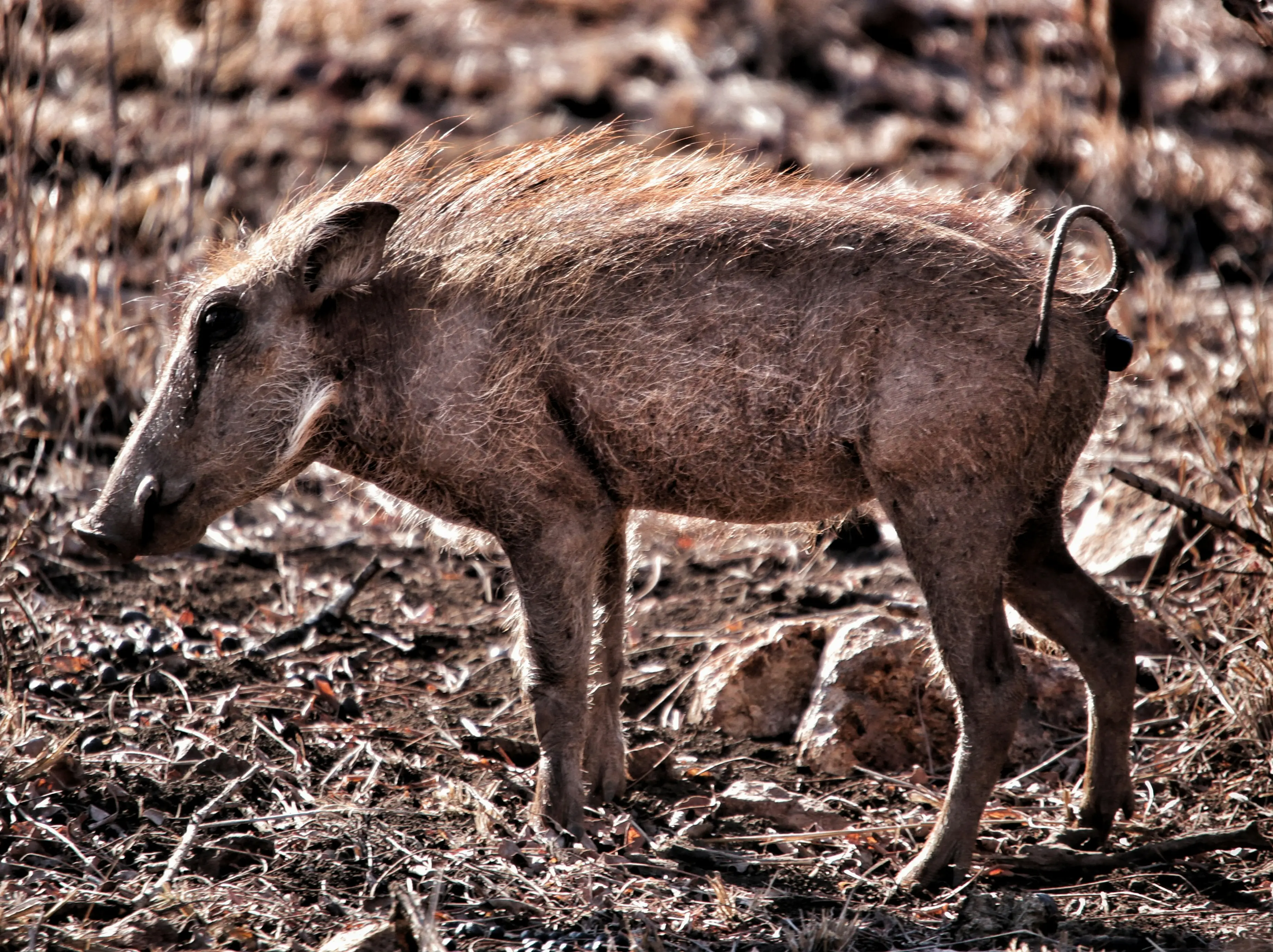
Wild boars in Fukishima have skipped generations in evolution. Photograph: (Unsplash)
“Ghost hogs” are running wild near the Fukushima nuclear plant. Their genes show an evolution that has jumped several generations because the wild boars mated with the domestic pigs. The finding shows how a world without humans fast forwards evolution.
Radioactive domestic pigs and wild boar are interbreeding near the Fukushima nuclear plant disaster, creating nuclear hogs. They are not glowing monsters; they are biological time machines. Scientists have found that after the 2011 tsunami triggered an evacuation around the plant, domestic pigs started mating with the Japanese wild boar, and the resulting hybrids are "fast-forwarding" evolution. In 2011, a magnitude earthquake shook the Fukushima region in Japan. The massive temblor and the tsunami damaged the nuclear power plant, triggering an immediate evacuation. Nearly 164,000 residents were forced to leave their homes within hours. They left behind domesticated animals like pigs who started mating with feral boars. The hybrid offspring are roaming the area today and are “ghost hogs” who are living proof of how a world left behind by humans led to evolution happening in “fast-forward”, a living simulation of how life reclaims a post-human world at five times the normal speed. Their findings were published in the Journal of Forest Research.
Shingo Kaneko of Fukushima University partnered with Hirosaki University geneticist Donovan Anderson to understand how domestic pig genetics have influenced the successive generations of hybrid boars. They tracked the "Nuclear Hogs" of Fukushima and found something amazing happening with them. The interbreeding formed a temporal shortcut. While a wild boar breeds once a year, the domestic pig is "polyestrous," meaning they can breed all year round. When the two combined, the "maternal clock" of the domestic pig took over. Because the hybrid offspring inherited the domestic mother’s ability to breed year-round, the population accelerated at an unprecedented speed. In the time it would take a normal boar population to go through three generations, the Fukushima hybrids have gone through nearly ten.
Domestic pig DNA is being wiped off
“While it has been previously suggested that hybridization between rewilded swine and wild boars can contribute to population growth, this study demonstrates—through the analysis of a large-scale hybridization event following the Fukushima nuclear accident—that the rapid reproductive cycle of domestic swine is inherited through the maternal lineage,” Kaneko said in a statement. The team also noted that this is causing the domestic "pig" DNA to being purged. Because the hybrids breed so fast and back-cross with the surviving wild boars, the "wild" genes are winning the race.
Also Read: Chernobyl disaster site has nothing growing, except this organism that is thriving on radiation
Trending Stories
&imwidth=280&imheight=210&format=webp&quality=medium)
&imwidth=280&imheight=210&format=webp&quality=medium)
&imwidth=280&imheight=210&format=webp&quality=medium)
&imwidth=280&imheight=210&format=webp&quality=medium)
&imwidth=280&imheight=210&format=webp&quality=medium)
&imwidth=280&imheight=210&format=webp&quality=medium)
&imwidth=280&imheight=210&format=webp&quality=medium)
&imwidth=280&imheight=210&format=webp&quality=medium)
&imwidth=280&imheight=210&format=webp&quality=medium)
&imwidth=280&imheight=210&format=webp&quality=medium)
&imwidth=280&imheight=210&format=webp&quality=medium)
&imwidth=280&imheight=210&format=webp&quality=medium)
&imwidth=280&imheight=210&format=webp&quality=medium)
&imwidth=280&imheight=210&format=webp&quality=medium)
&imwidth=280&imheight=210&format=webp&quality=medium)
&imwidth=280&imheight=210&format=webp&quality=medium)
&imwidth=280&imheight=210&format=webp&quality=medium)
&imwidth=280&imheight=210&format=webp&quality=medium)
&imwidth=280&imheight=210&format=webp&quality=medium)
&imwidth=280&imheight=210&format=webp&quality=medium)
&imwidth=280&imheight=210&format=webp&quality=medium)
&imwidth=280&imheight=210&format=webp&quality=medium)
&im=FitAndFill=(700,400)&imwidth=280&imheight=210&format=webp&quality=medium)
&imwidth=280&imheight=210&format=webp&quality=medium)
&imwidth=280&imheight=210&format=webp&quality=medium)
&imwidth=280&imheight=210&format=webp&quality=medium)
&im=FitAndFill=(700,400)&imwidth=280&imheight=210&format=webp&quality=medium)
&imwidth=280&imheight=210&format=webp&quality=medium)
&imwidth=280&imheight=210&format=webp&quality=medium)
&imwidth=280&imheight=210&format=webp&quality=medium)
&imwidth=280&imheight=210&format=webp&quality=medium)
&imwidth=280&imheight=210&format=webp&quality=medium)
&imwidth=280&imheight=210&format=webp&quality=medium)

&imwidth=280&imheight=210&format=webp&quality=medium)
Human absence leads nature to quickly take over
Scientists say that the mechanism likely exists in other parts of the world as well, and they think it can help manage invasive species in places like Texas or Alberta. However, the biggest takeaway of this finding is that human absence leads nature to take over at breakneck speed. Evolution did not wait for the radiation to fade and instead sped up towards making a return to the wild.