Frozen in time: Baby born from 30-year-old embryo makes history

&imwidth=600&imheight=450&format=webp&quality=medium "Frozen in time: Baby born from 30-year-old embryo makes history")
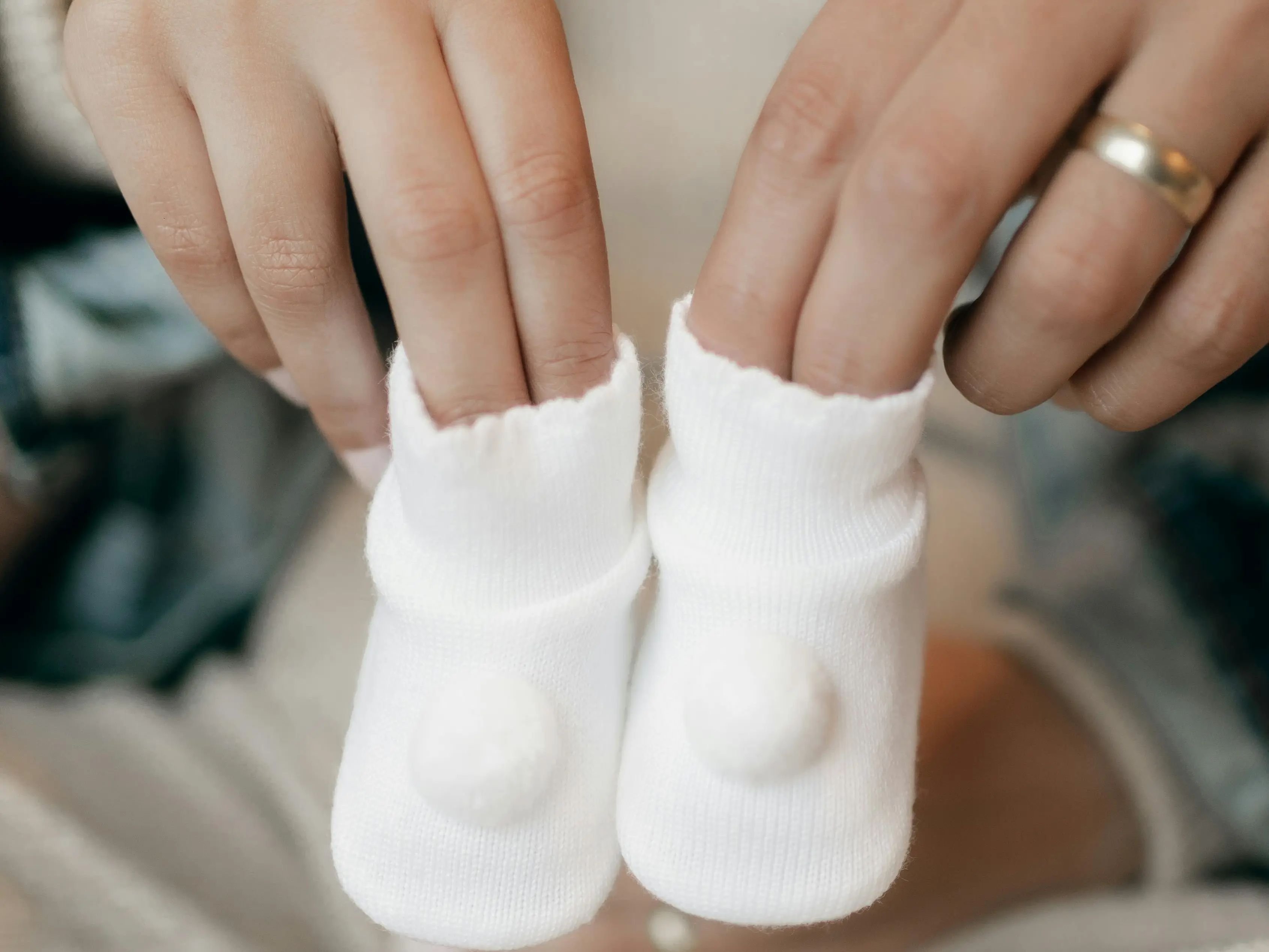
For representational purpose only Photograph: (Pexels)
Lindsey and her husband, Tim Pierce, who reside in London, Ohio, “adopted” the embryo from a woman who had it created in 1994
A baby boy born over the weekend holds the record for the "oldest baby." Thaddeus Daniel Pierce, who was born on July 26, grew from an embryo that had been kept in storage for 30 and a half years.
“We had a rough birth but we are both doing well now,” Lindsey Pierce, his mother was quoted saying. “He is so chill. We are in awe that we have this precious baby!” Lindsey and her husband, Tim Pierce, of London, Ohio, "adopted" the embryo from a woman who had it created in 1994. Her family and church family, she says, believe "it's like something out of a sci-fi movie."
“The baby has a 30-year-old sister,” she adds. Tim was a toddler when the embryos were first created. “It’s been pretty surreal,” said Linda Archerd, 62, who donated the embryo. “It’s hard to even believe.”
How it all started?
The beginning of the story goes back to the early 1990s. Archerd had been trying—and failing—to conceive for six years. She and her husband had decided to attempt IVF, then a relatively new technology. "People were unfamiliar with it," said Archerd. "A lot of people were like, what are you doing? They went ahead and, in May of 1994, they were able to produce four embryos. One was implanted into Linda's womb. It gave birth to a healthy baby girl. "I was so blessed to have a baby," Archerd said. The other three embryos were cryopreserved and stored in a tank.
That was 31 years ago. The healthy baby girl is now a 30-year-old woman with her own 10-year-old daughter. But the other three embryos remained frozen in time. Archerd initially intended to use the embryos herself. “I always wanted another baby desperately,” she says. “I called them my three little hopes.” Her then husband felt differently, she said. Archerd divorced him but managed to obtain custody of the embryos and held onto them in storage, still hoping that she might be able to use them someday, perhaps with a different partner.
Trending Stories
)
)
)
)
)
)
)
)
)
)
&im=FitAndFill=(700,400))
)
)
)
)
)
)
)
)
)
)
)
)
)
)
)
)
)
)
)
)
)
)
)
)
)
That cost her annual storage fees, which multiplied over the years and amounted to about a thousand dollars yearly, she estimated. To her, it was worth it. "I always thought it was the right thing to do," she said.
Things changed when she began experiencing menopause, she recalled. She thought about what she could do. She didn't want to dispose of the embryos or donate them for research. And she did not want to give them to another family as an anonymous donor—she wanted to know the parents and any offspring. "It's my DNA; it came from me … and it's my daughter's sibling," she said.
Next, she discovered about embryo "adoption." This is a form of embryo donation in which both parties get some input into who they "place" their embryos with or "adopt" them from. It is regulated by agencies—typically openly religious ones—that feel an embryo is the moral equivalent of a born person. Archerd is Christian.
There are a number of agencies that provide these adoption services in the US, but they don't all accept embryos that have been frozen for a very long period of time. That's partly because those embryos will have been frozen and stored in unfamiliar, antiquated methods, and partly because old embryos are believed to be less likely to survive thawing and transfer to develop successfully into a baby.
"So many facilities would not even accept my information," explained Archerd. But then she discovered the Snowflakes program operated by the Nightlight Christian Adoptions agency. The agency would take her embryos, but it required Archerd's medical records from when the embryos had been produced, along with the embryos' lab records.
So Archerd contacted the fertility physician who had treated her many years ago. "I still recalled his phone number in my head," she said. That physician, then in his 70s, is still practicing at a clinic in Oregon. He pulled out Archerd's files from his basement, she told. "Some of them were in handwriting," she added. Her embryos were placed in Nightlight's "matching pool" in 2022.

