
&imwidth=800&imheight=600&format=webp&quality=medium "Four AI models fail Math test they could not cheat on, humans score a perfect 10")
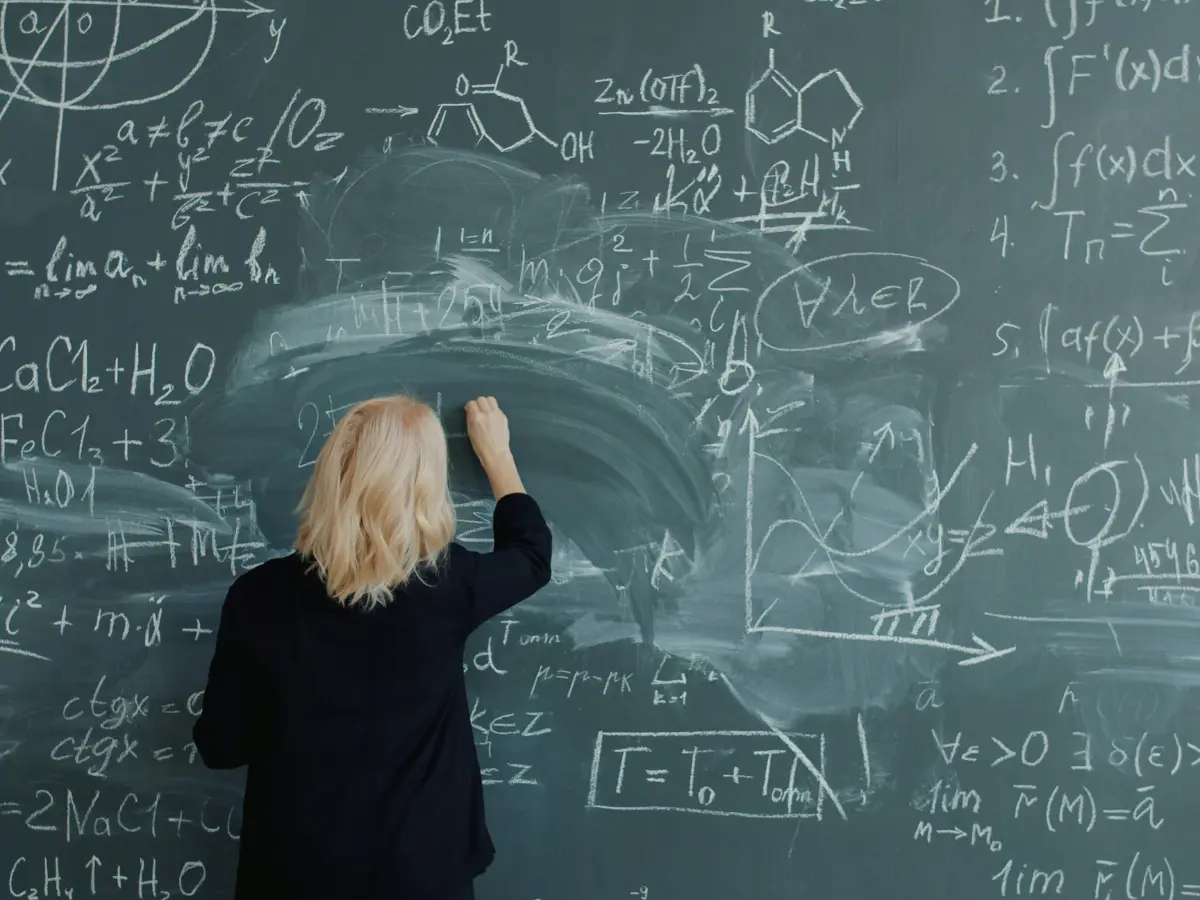
Artificial Intelligence systems might have solved an 80-year-old Math problem, but a test designed to evaluate it against top-tier academicians has revealed that it still has a long way to go when it comes to new and complex research-level mathematics. Four AI systems failed the test, which is part of "First Proof," a rigorous new AI benchmarking mechanism. The AI systems were given 10 research-level maths problems, and their answers were assessed by a jury of anonymous human specialists. To prevent AI from simply scanning through its training data, all the questions were new and had never been published anywhere. They were provided by 10 researchers from a broad range of mathematical specialities who had solved them at some point in their careers. A group of 30 mathematicians checked the answers, and the results proved that AI does not come close to human mathematicians in novel problems. The findings were published in the Nature journal.
Also Read: Company accidentally blows away Rs 4,800 crore on Claude AI in a month because of a tiny oversight
The First Proof team carried out the test in an entirely autonomous way without humans being involved in any way. The AI systems also had to be publicly available. This ruled out Google’s Aletheia, which has been designed specifically for solving maths problems, and the full, unreleased version of Claude Mythos. OpenAI entered its ChatGPT 5.5 Pro model. Three academic groups provided the rest of the models - from the University of California, Los Angeles (UCLA); Princeton University in New Jersey; and the Swiss Federal Institute of Technology (ETH) in Zurich. They built "harnesses"—automated systems that prompted existing chatbots, such as ChatGPT, Gemini, and Claude, to repeatedly check the answers.

AI vs human mathematicians: The results
The top-performing AI system was able to solve only 6 out of 10 problems. Since all of them had been solved by mathematicians, this proved that human expertise in the field still outperforms AI on unseen, highly rigorous research problems. ETH Zurich stood first, whose harness had used ChatGPT to generate answers. UCLA was second (ChatGPT harness), followed by OpenAI (standalone ChatGPT 5.5 Pro), and Princeton (using a Gemini 3.1 Pro harness).
Trending Stories
)
Iran, India agree to deepen humanitarian and political ties, President Pezeshkian says
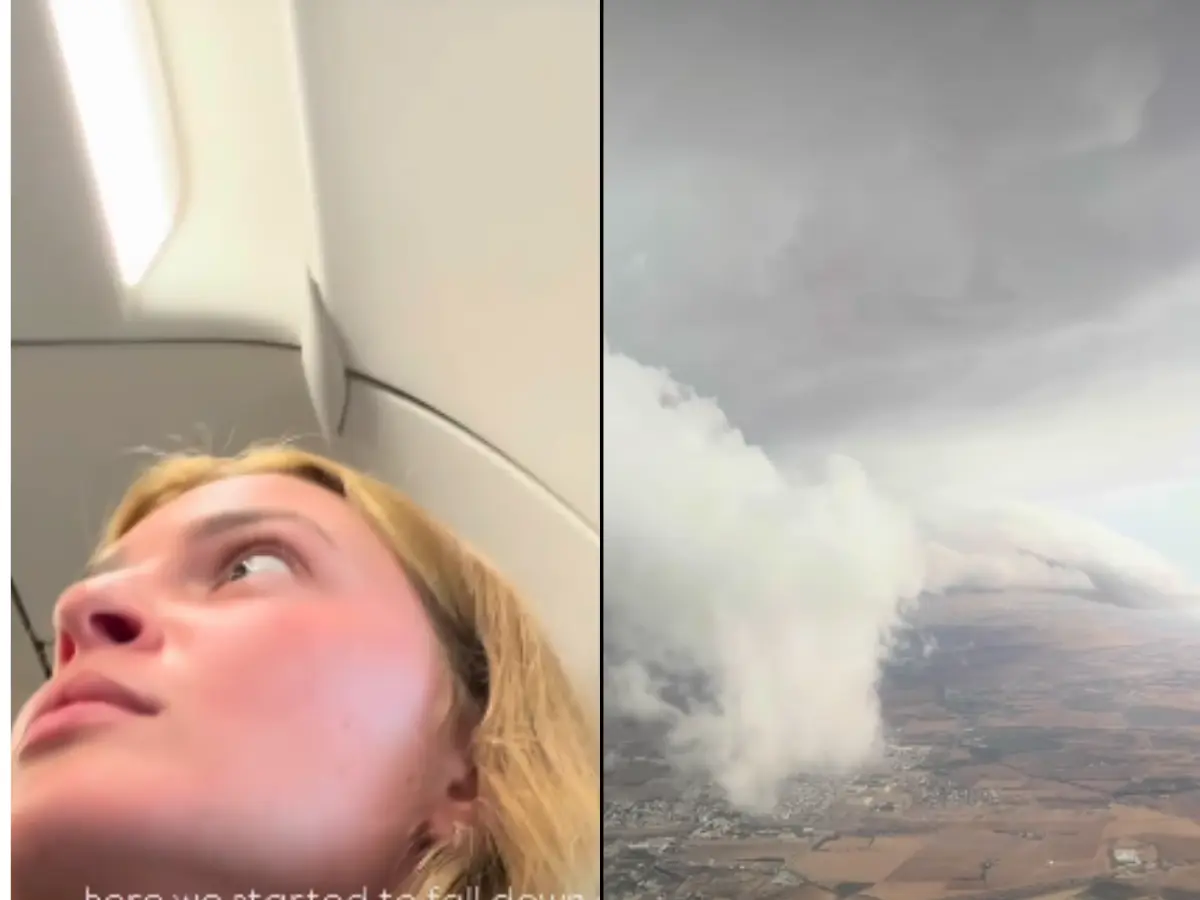)
Turkish Airlines plane flies through a storm three times, triggering severe turbulence
)
'He is popular...': Malaysian PM Anwar Ibrahim's praise for PM Modi during bilateral meeting | WATCH
)
BRICS Summit 2026: Trump wants to weaken BRICS, but maybe doing the opposite
)
Baba Vanga's first prophecy for 2027 is out, and straight out of science fiction
)
Indian importers urge Bangladesh to lift export ban on 'Hilsa' fish ahead of Durga Puja
)
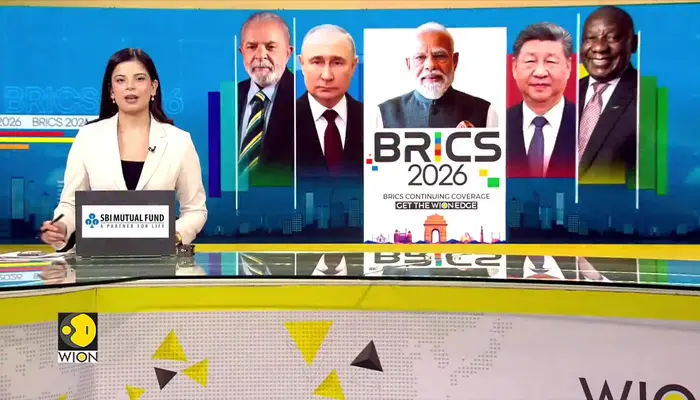
‘Partners, not rivals’: Xi outlines four point plan for stronger India-China ties
)
BRICS Summit: New Delhi declaration adopted with full consensus, big diplomatic win for India
)
BRICS Summit 2026: PM Modi, Xi reach key consensus on ties, China to assume BRICS chairmanship in 2027
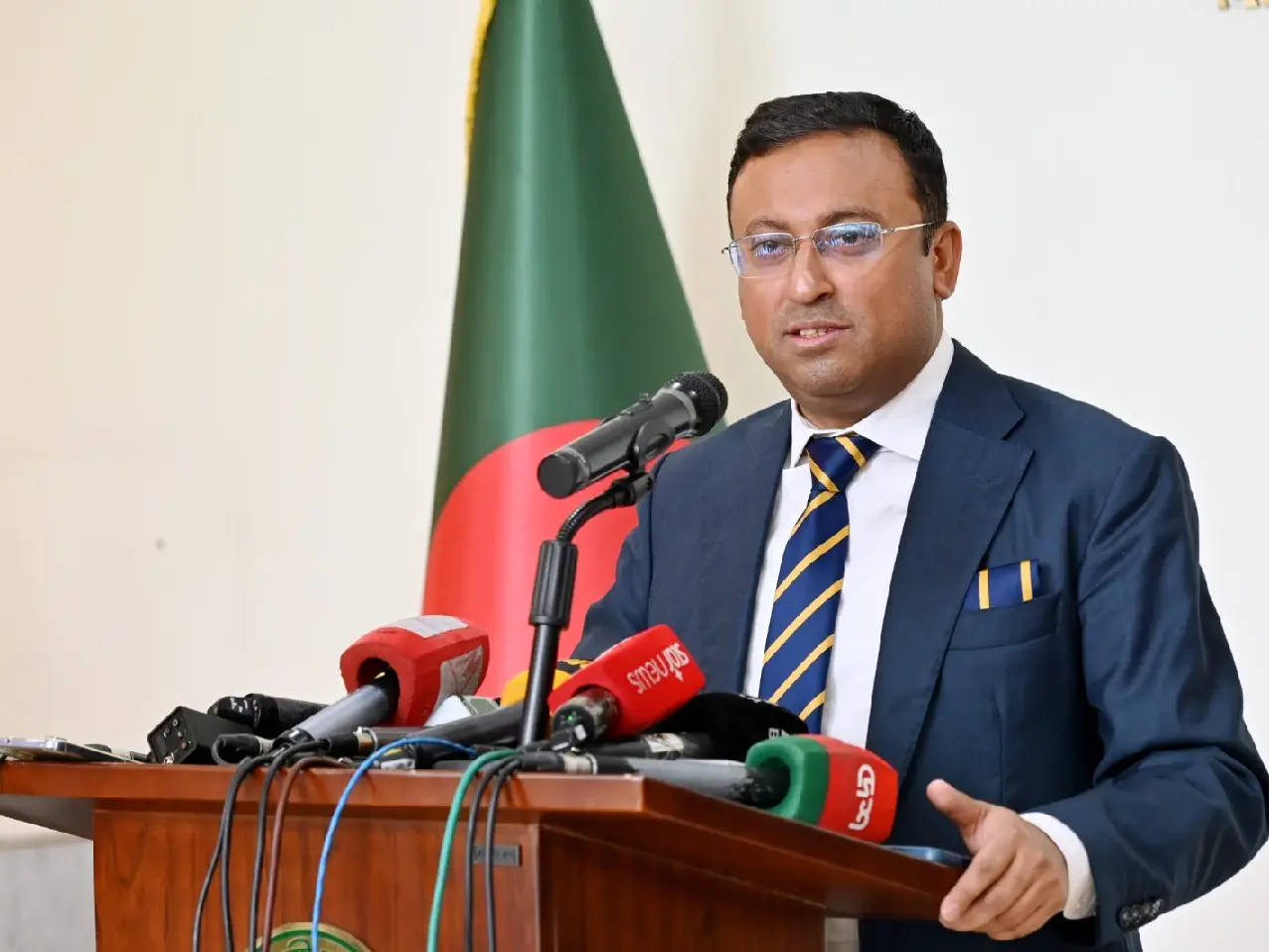)
‘Want to reset ties with India, have engagement based on mutual interests,’ says Bangladesh minister
)
Did India risk its US trade deal despite softer stance at BRICS?
&im=FitAndFill=(700,400))
How 2nm technology improves iPhone performance
)
800 million years old - Scientists discover 'fingerprints' of supercontinent Gondwana in ancient rocks
)
US diplomat accused of possessing child abuse images secretly flown out of UK by US Marines
)
Russian drone hits Warsaw-bound train near Polish border, Zelensky accuses Moscow of ‘deliberate’ targeting
)
First naval drone battle? Ukraine says Sargan 3000 sank Russian unmanned boat
)
'Huge destructive power': North Korea calls its latest missile launches 'live-fire drill' even as US dismisses 'immediate threat'
&im=FitAndFill=(700,400))
Why European Meteor missiles use ramjet engines compared to standard US solid rockets
)
NATO under Russian threat? Drone strikes just 2 km from Poland, narrow escape for former UK PM, CIA chief
)
Delhi’s balancing act: BRICS serves as a stage for West Asia diplomacy
)
War is making Russia stronger? How Ukraine is shaping Moscow’s next generation of weapons
)
Trump says Canada eager to reach a deal, it could come ‘fairly soon’ if Ottawa treats US farmers better
)
9-year-old Chennai prodigy clears Cambridge IGCSE grade 10 exams
)
PM Modi and China's Xi offered to help resolve Russia-Ukraine war: Kremlin
&im=FitAndFill=(700,400))
Why Chinese PL-15 air-to-air missiles use dual-pulse motors compared to European interceptors
)
UK breakup on the cards? Scotland, Wales and Northern Ireland push for independence
)
Who is the smiling man beside Modi, Putin and Xi at BRICS Summit 2026?
&im=FitAndFill=(700,400))
Meet top 5 batters fastest to 3000 runs in T20Is
)
Did China give Iran intel before US base strike that killed 3 troops? Trump says, 'You’re right...'
&im=FitAndFill=(700,400))
From Rinku Singh to Mayank Yadav, 5 players dropped from India’s squad for Afghanistan T20Is
)
NEET-UG to move to computer-based test soon, NTA DG says ‘CBT is the future’
)
Humans may lose control of AI: Anthropic CEO calls for slowdown, Altman, Musk back him
)
Akram, Afridi, Mushtaq tear into PCB after Pakistan’s Test series collapse in UK
The results show that AI models have a long way to go before they can function autonomously as reliable research assistants, proof-checkers, and problem-solvers for human mathematicians. First Proof will come up with more versions of the test in future to correctly decide when this could actually become possible.

