Earthquake at 0km depth rattles Florida's Space Coast. It wasn't natural

&imwidth=600&imheight=450&format=webp&quality=medium "Earthquake at 0km depth rattles Florida's Space Coast. It wasn't natural")
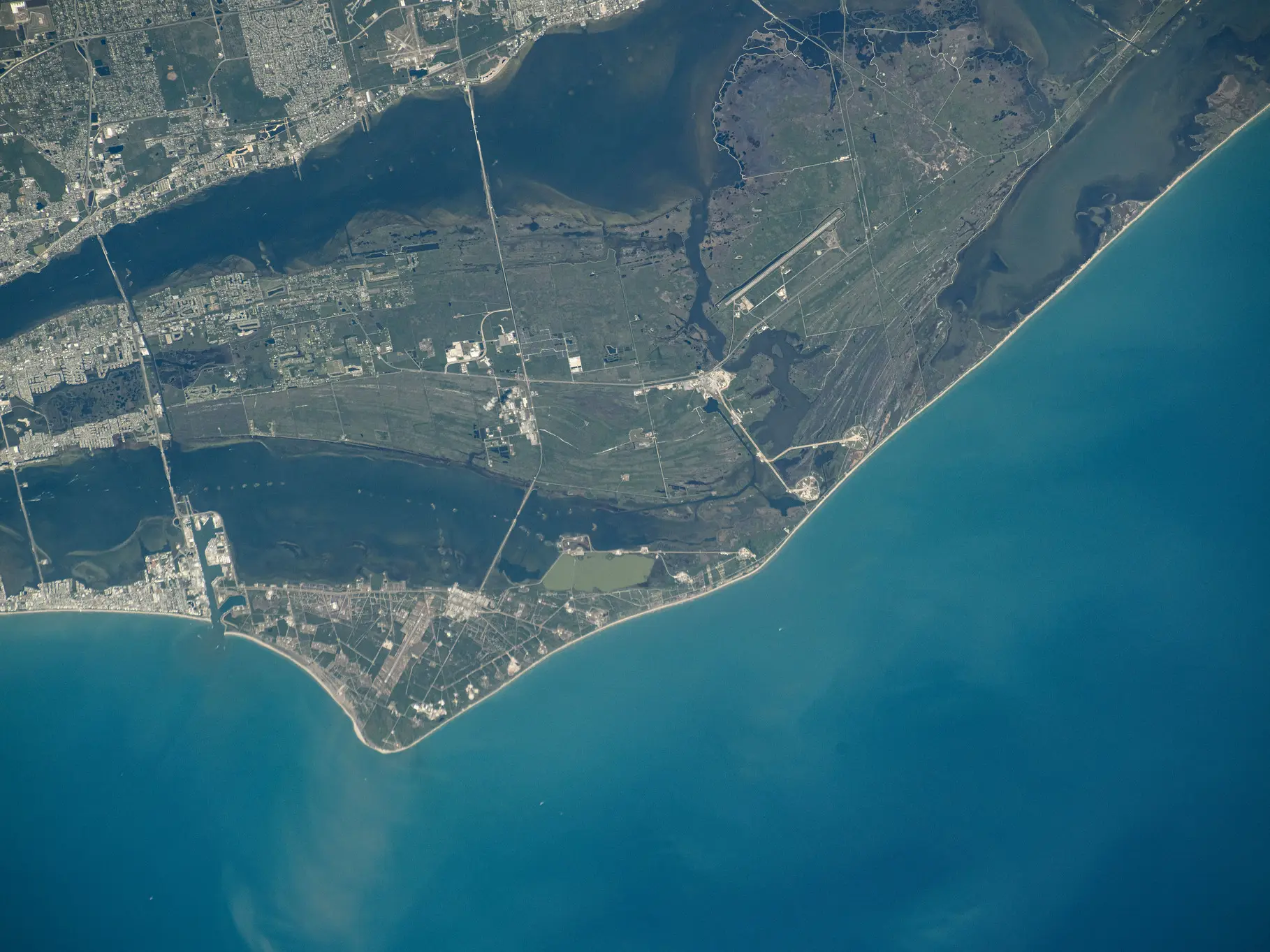
Florida was jolted by a small earthquake on Thursday because of an experimental explosion. Photograph: (NASA)
Florida was shaken by a small earthquake on Thursday afternoon. People flocked to social media to know more and were left surprised when they found out what had actually happened. USGS stated that an explosion in the area was responsible.
A 3.9 magnitude earthquake struck Florida on Thursday afternoon. However, it wasn't a natural occurrence as the government's earthquake tracking website showed "experimental explosion" as the reason. This has led to speculation on what this secretive boom could have been that shook some portions of the state. USGS data showed it was recorded at a depth of 0 feet, which hints at an artificial trigger, since a natural earthquake often strikes several kilometres deep. “The recorded ground motions from this event are more typical of an explosion than a naturally occurring earthquake,” the agency said.
Some reports suggest that the US Navy likely carried out some tests in the region, something it has done in the past as well. It carries out controlled underwater detonations to test the ability of major warships to withstand explosions near mines or torpedoes. Meteorologist Nic Merianos of CBS Miami wrote on X, “USGS showing Magnitude 3.9 off the Space Coast, as ”Experimental Explosion." Never seen this before." But officials have not provided any clarification on the cause of the tremors yet.
Previous test explosions that triggered earthquakes
It was the ninth event classified as an experimental explosion in the region since 2016, USGS data showed. In 2021, the US Navy carried out a test explosion near the USS Gerald R Ford, known as a "shock trial," two years before its first deployment. The US Navy has been doing so for decades, after first learning that nearby explosions can affect critical ship systems without causing physical damage.
Seismometers pick up energy released from artificial explosions and register it as earthquakes. The energy travels through the ground or seabed, and when sensors detect it, they calculate the magnitude based on its strength. On May 28 this year, when Blue Origin's New Glenn rocket exploded at Cape Canaveral, it was registered as a magnitude 2.5 earthquake.
Trending Stories
&imwidth=280&imheight=210&format=webp&quality=medium)
&imwidth=280&imheight=210&format=webp&quality=medium)
&imwidth=280&imheight=210&format=webp&quality=medium)
&imwidth=280&imheight=210&format=webp&quality=medium)
&imwidth=280&imheight=210&format=webp&quality=medium)
&imwidth=280&imheight=210&format=webp&quality=medium)
&imwidth=280&imheight=210&format=webp&quality=medium)
&imwidth=280&imheight=210&format=webp&quality=medium)
&imwidth=280&imheight=210&format=webp&quality=medium)
&imwidth=280&imheight=210&format=webp&quality=medium)
&imwidth=280&imheight=210&format=webp&quality=medium)
&imwidth=280&imheight=210&format=webp&quality=medium)
&imwidth=280&imheight=210&format=webp&quality=medium)
&imwidth=280&imheight=210&format=webp&quality=medium)
&imwidth=280&imheight=210&format=webp&quality=medium)
&imwidth=280&imheight=210&format=webp&quality=medium)
&imwidth=280&imheight=210&format=webp&quality=medium)
&imwidth=280&imheight=210&format=webp&quality=medium)
&imwidth=280&imheight=210&format=webp&quality=medium)
&imwidth=280&imheight=210&format=webp&quality=medium)
&imwidth=280&imheight=210&format=webp&quality=medium)
&imwidth=280&imheight=210&format=webp&quality=medium)
&im=FitAndFill=(700,400)&imwidth=280&imheight=210&format=webp&quality=medium)
&imwidth=280&imheight=210&format=webp&quality=medium)
&imwidth=280&imheight=210&format=webp&quality=medium)
&imwidth=280&imheight=210&format=webp&quality=medium)
&im=FitAndFill=(700,400)&imwidth=280&imheight=210&format=webp&quality=medium)
&imwidth=280&imheight=210&format=webp&quality=medium)
&im=FitAndFill=(700,400)&imwidth=280&imheight=210&format=webp&quality=medium)
&imwidth=280&imheight=210&format=webp&quality=medium)
&imwidth=280&imheight=210&format=webp&quality=medium)
&imwidth=280&imheight=210&format=webp&quality=medium)
&imwidth=280&imheight=210&format=webp&quality=medium)

&imwidth=280&imheight=210&format=webp&quality=medium)
Reactions to earthquake in Florida
Meanwhile, Floridians had some things to say, reacting to the artificial tremors. "What type of experimental explosion generates a 3.9 earthquake?" a user wrote on X. Another said, "This is nuts! A 3.9 experimental explosion is basically a small quake." Others were more scared, as one wrote, "Sounds like they are laying ground work for something probably not good for us," with one adding, "Wonder if they are actually trying to blow up a submarine. Or some other type of threat."

