Chinese employees are growing bananas on desks to deal with office stress

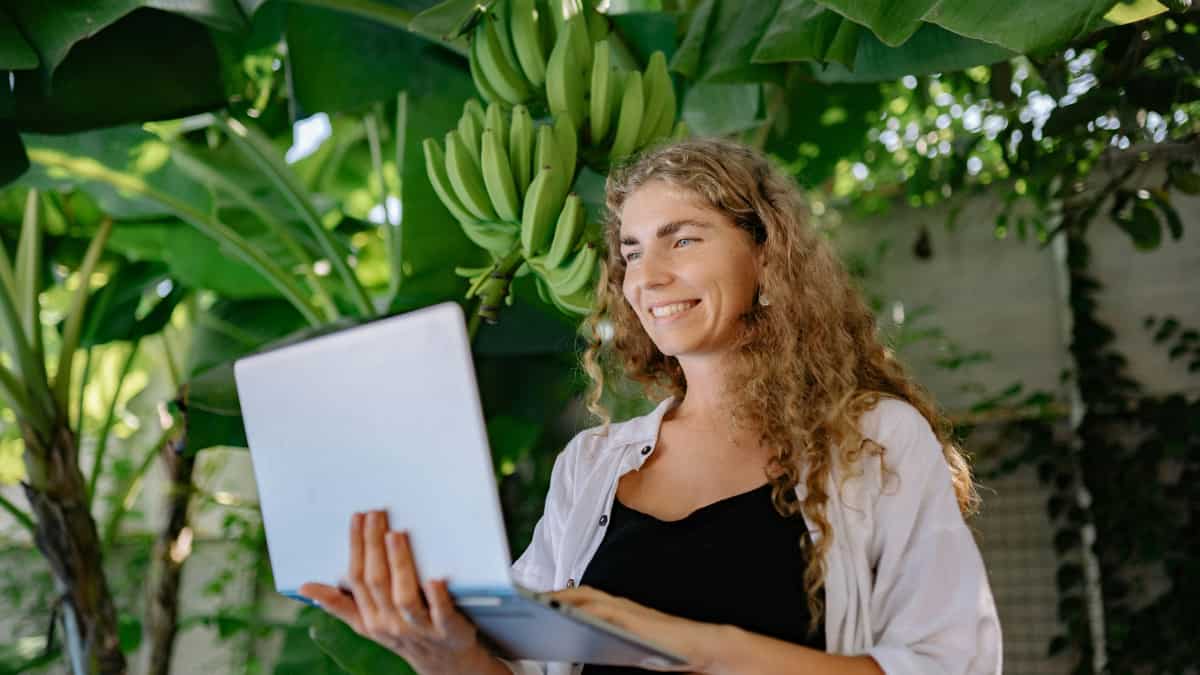
Representational image of a woman working among banana trees.
In China, young professionals have found an innovative way to destress themselves and deal with office anxiety. To soothe their mind and decrease workplace stress, the burned-out employees are now cultivating bananas right at their desks.
This latest trend is whimsically called as “stop banana green” orting zhi jiao luin Mandarin, while in English it means “stop anxiety”.

The idea was born on Xiaohongshu, which is Instagram's Chinese version. On this platform, posts related to this banana-growing hobby received more than 22,000 likes.
What do the employees do in this trend?
The process of growing bananas on the work desk is simple but has proved satisfying for the workers. Green bananas, which have their stems intact, are purchased by the workers and then kept in vases of water on their desks.
)
Trump gifts Xi a bald eagle sculpture at White House dinner: Here’s what it symbolises
)
A seven-day roadmap? Iran proposes plan to end war, reopen Strait of Hormuz and resume nuclear talks
)
WATCH: Pak PM Shehbaz Sharif refuses to answer on Hafeez Sayeed, walks away
)
Farhan, who went viral for AK47 celebration vs India in Asia Cup, hopes to lead Pakistan beyond Asian Games
)
China to test supersonic jet that moves at Mach 2, double the speed of sound
)
Susan Sarandon and Hannah Einbinder detained by NYPD outside UN Headquarters
&im=FitAndFill=(700,400))
Netanyahu at UN: Mass walkout, attack on Mamdani and Iran threats | In Pics
)
Park Ji Hyun makes history as first Korean actress nominated for International Emmy
)
‘Not just a local tragedy’: Nepal PM Shah warns UN of growing climate threat, says Nepal floods were 'a warning to the world'
)
Scientists detect first radio signals directly from faraway planet
)
'Blockbuster' nor'easter develops an eye similar to hurricanes as warnings are issued
Don't Be Shy movie review: A frothy coming-of-age tale that is too shy to experiment
)
West Indies coach Sammy looking at India series as opportunity to finetune ahead of ODI World Cup 2027 qualifiers
)
Bollywood mourns Mushtaq Khan: Sunny Deol, Rajpal Yadav and others pay tribute
)
WION Iconic Tourism Summit 2026: Union Minister Shekhawat on 'experiential travel', peace diplomacy
)
Xi Jinping's 'special plane' vs Trump's Air Force One: What's the difference?
)
US faces fresh cost crunch as mortgage rates hit 7%, oil tops $107 and gas prices surge
)
Myanmar training camp case: US national, 6 Ukrainians allowed to meet their families abroad
)
Air India pilot suspended after failing pre-flight alcohol test on Zurich-Delhi route
)
'FIRST LOOK from inside Noah’s Ark': Researchers share video from inside mysterious mound in Turkey
)
Nations League: Germany draw on Klopp debut; Portugal, Norway win
)
India-New Zealand FTA is ‘an expression of trust’, NZ High Commissioner Patrick John Rata says
)
Outrage erupts after 3-year-old is married to 60-year-old man in Pakistan, link to her sister's murder being probed
)
Yemen called Trump for US military support in fight against Houthis: Official
)
'Fund people, not bombs': Hundreds take to New York streets as Netanyahu delivers speech at UN; dozens arrested
)
What’s in a name? Trump’s 'Lake America' move gets a tit-for-tat response from Canada
)
The Vvaan Review: This Ekta Kapoor's Tulsi Virani-coded world can't be saved by Sidharth Malhotra and Tamannaah Bhatia
)
CNN, Politico and MS NOW back in White House after judge blocks Trump’s media ban
)
Ruckus in J&K Assembly over statehood resolution; BJP leaders enter well of house
)
Trump's welcome to Xi demonstrates 'attraction' to dictators: Chuck Schumer
)
Meet Adrian Abraham: 9-year-old Indian-origin guitar prodigy aiming for a Guinness World Record
)
Bias or safety concerns? Bengaluru CEO says firm will not hire men from UP, Bihar, Rajasthan, MP. Here's why
)
'We do not wish to continue. It's America that must choose': Iran president Pezeshkian calls on US to end war
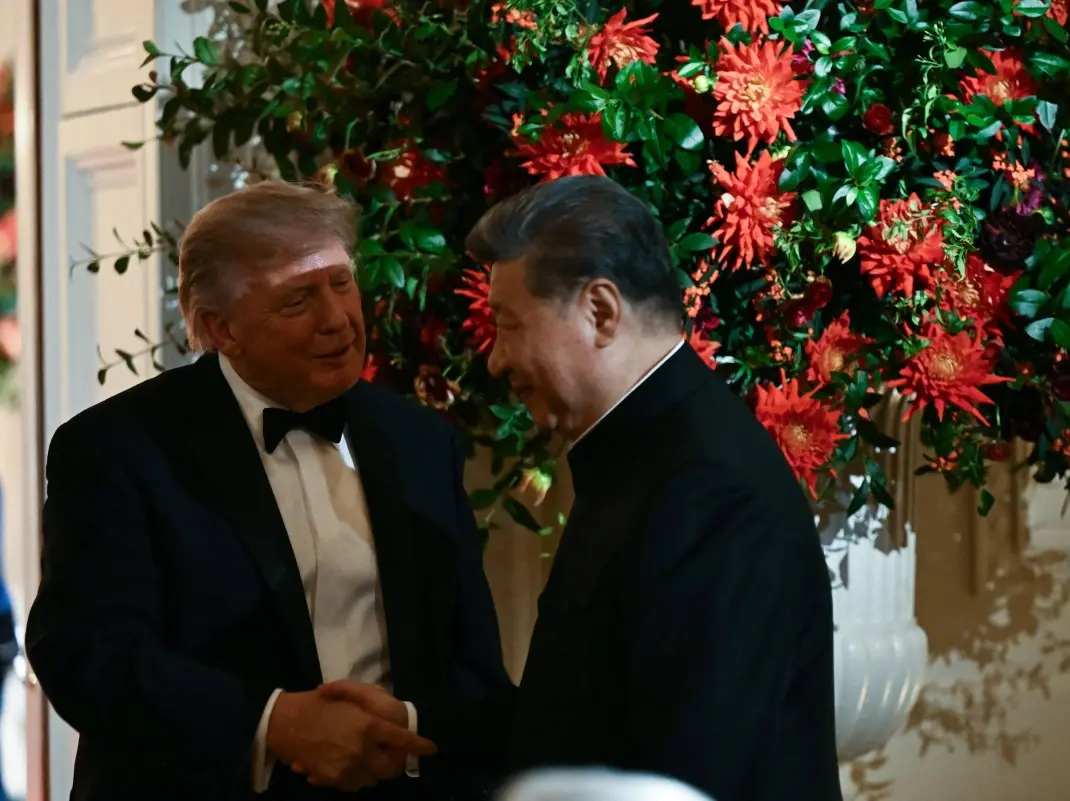)
'Making history': Xi Jinping praises Trump as US-China leaders dine at White House
)
OpenAI is building AI to fight cyber threats: What GPT-6 Cyber means for security
)
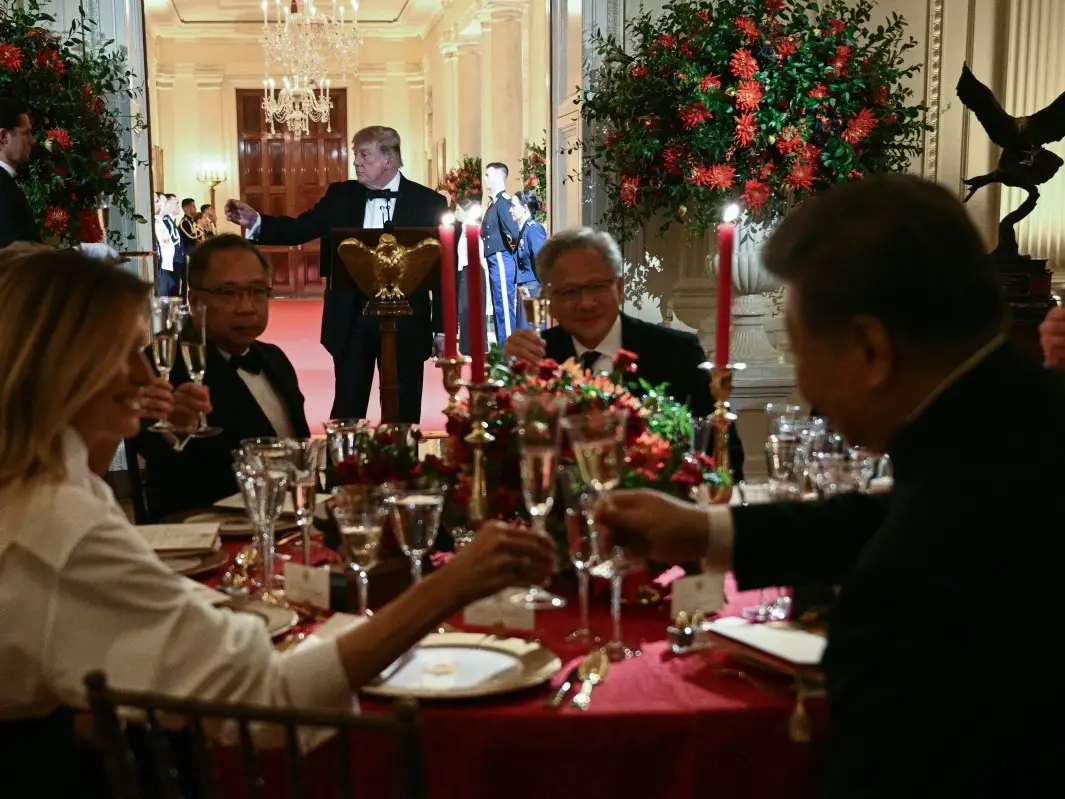
Tesla is preparing something big for Optimus: new Gen 3 models surface in app
)
‘We’ve never gotten along better’: Trump praises Xi, jokes about White House ballroom at high-stakes state dinner
)
'What kind of confession is this?': Pakistan PM Shehbaz Sharif’s 'terrorists would be roaming New York' remark goes viral, raises alarm online. Watch
)
UNGA 2026: Israeli PM attacks Britain, France for past colonialism
)
Also Read:China’s secret spaceplane ejects mysterious object into Earth’s orbit. US hunts it down
Nearly a week after nurturing the plant carefully, thebananasripen and are good enough to be consumed. The gradual change from green to yellow bananas has proved to be funfor many and also a kind of therapeutic distraction from their daily stress.
"From lush green to golden yellow, every moment is filled with endless hope and surprises," said one enthusiast on social media. The user added, "Eat away the anxiety and let your troubles vanish."
Desktop bananas - a catalyst for better workplace relationships
It has been observed that growing bananas on desks has worked as a good catalyst for better workplace relationships. When colleagues share bananas it sparks conversations and builds camaraderie between them.
“Desktop bananas naturally generate conversation,” said one observer. This trend has reached the e-commerce giant Taobao, which is operated by Alibaba Group. The e-commerce giant's hundreds of stores are now selling bananas only for this specific purpose.
Watch:'Five Eyes' warn China is recruiting western military trainers
"Are bananas not selling well this year? I’ve seen this type of banana being advertised more than once, and they are more expensive than buying them directly," said one sceptical user on Xiaohongshu.
Explaining this trend to Shanghai’s Youth Newspaper, psychologist Yu Guangrui said, “Customising workstations according to personal preferences allows young people to create a sense of belonging and security in their own little space, helping them feel happier at work.”
In China, an average working week often exceeds 49 hours and young workers constantly seek innovative ways to reduce stress.
(With inputs from agencies)