AI APOCALYPSE is coming: The bubble of overvalued stocks, underperforming apps will burst soon, but who will survive?

&imwidth=600&imheight=450&format=webp&quality=medium "AI APOCALYPSE is coming: The bubble of overvalued stocks, underperforming apps will burst soon, but who will survive?")
Image strictly for representative purposes only Photograph: (Others)
What we're covering here: The Artificial Intelligence or AI industry is seeing a looming bust, similar to the dot-com crash. A recent study found that 95 per cent of generative AI pilots failed to deliver return on investment. Who will survive the crash?
The artificial intelligence boom, fuelled by the overvaluation of AI stocks and heavy promotion by experts, industry insiders, and investors like Bill Gates, is beginning to crack. Soaring computing costs are not matching returns on investment (ROI). Experts now warn that we are living in an era much like the dot-com bubble of the late 1990s, which burst at the start of this millennium. Will the AI crash hit in 2026? Who will survive it? Here's what you should know.
AI boom is starting to crack – AI stocks are already falling
Between 2020 and 2025, the AI sector attracted enormous media attention and capital. The frenzy drew comparisons to the dot-com boom. But recent developments suggest that this period of irrational exuberance may soon face a sharp reality check.
The stock of AI chip giant Nvidia — the poster child of the AI hardware boom — dropped by nearly 7.4 per cent over two consecutive days. This same stock had surged over 3,000 per cent in recent years. The fall reflects a wave of investor scepticism. CoreWeave, one of Nvidia’s cloud computing partners, lost 33 per cent of its value in just two days, wiping out $24 billion in market capitalisation.
What triggered fears of an AI industry collapse?
Trending Stories
)
)
)
)
)
)
)
)
)
)
)
)
)
)
)
)
)
)
)
)
)
)
)
)
)
)
)
)
)
)
)
)
&im=FitAndFill=(700,400))
)
)
)
)
)
)
A mix of disappointing AI product updates and poor business returns has raised concerns. The underwhelming response to GPT-5, the latest iteration of ChatGPT, is one example. But the bigger shock came from a recent MIT study that found 95 per cent of enterprise generative AI projects had delivered no measurable return on investment.
What the MIT study revealed about AI startups
The MIT study analysed 300 enterprise AI initiatives, conducted 150 executive interviews, and surveyed 350 employees. It found that only 5 per cent of new AI deployments had delivered tangible business value. Many initiatives were misaligned with actual business needs, prioritising flashy features over cost-saving or efficiency—supposedly AI’s core strengths. Internally developed systems failed more often than vendor-supplied solutions, suggesting poor planning, integration, and execution in many companies.
Sam Altman and others warn of overvaluation
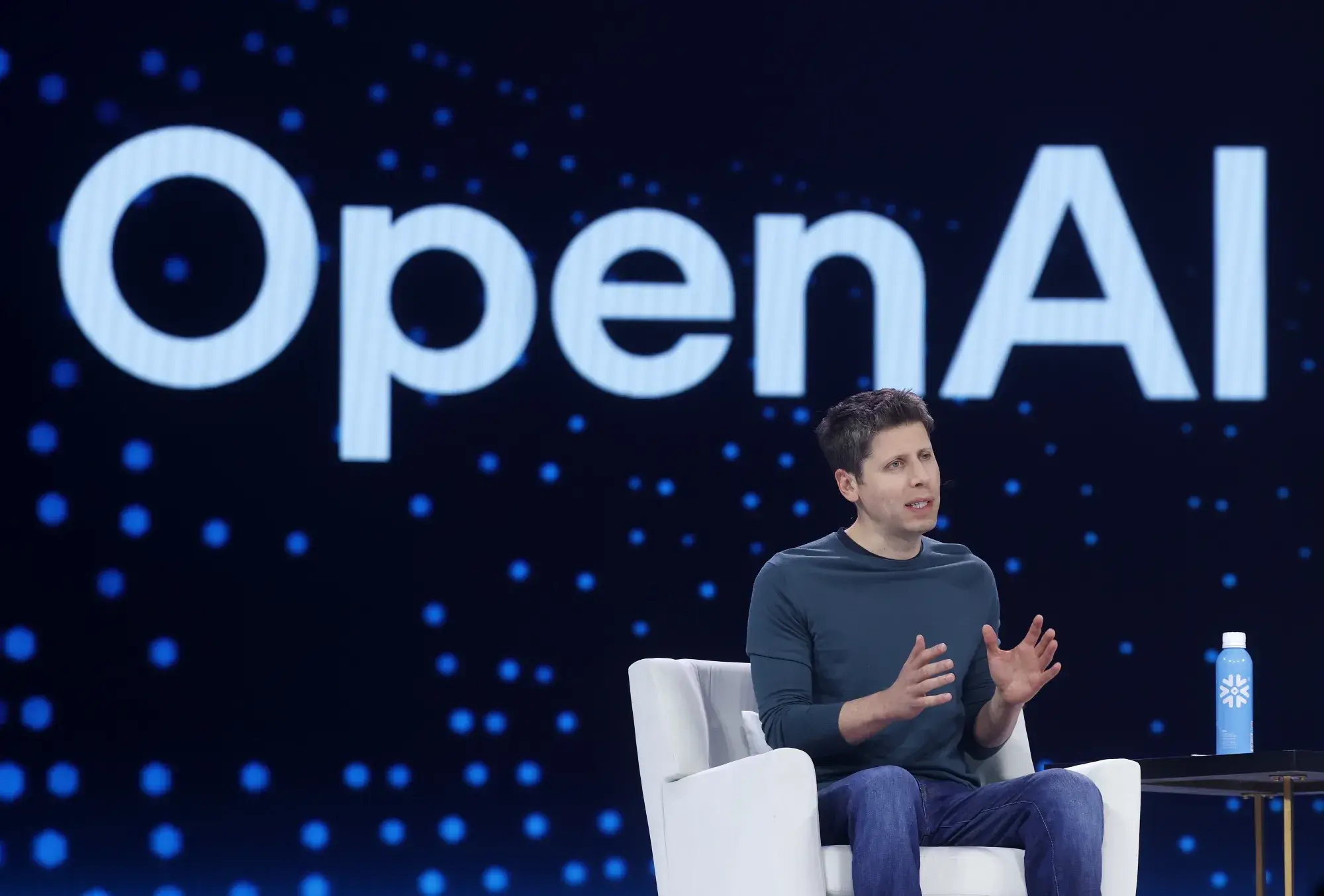
Recently, Sam Altman, CEO of OpenAI, publicly compared today’s AI fervour to the dot-com bubble. He warned of "overexuberant investment."
Torsten Sløk of Apollo Global Management added that AI valuations are “more extreme than during the dot-com era,” with vastly greater speculative capital at risk.
Valuations far exceed real earnings
AI companies are being valued at levels far above their actual revenue. OpenAI is reportedly valued at $157 billion — roughly 40 times its estimated annual income. Anthropic is targeting a 50× valuation. Deutsche Bank has warned that these levels are unsustainable and a sharp correction is likely.
Computing and infrastructure costs could make ai startups unviable
AI model training requires immense computing resources. Models like GPT-4 cost around $100 million to train. Since 2016, training costs have doubled approximately every year.
Environmental and infrastructure costs are also climbing. GPT-4 consumed around 50 GWh of energy during training. Water usage by AI data centres is projected to exceed 6.6 billion cubic metres per year by 2027—more than half of the UK’s annual water use.
Will the AI bust mirror the dot-com crash?
A Financial Times analysis suggests that while a market shake-up is likely, today’s Big Tech firms—Amazon, Google, Microsoft—are built on strong earnings and operational capacity. They are better positioned to survive a downturn. The firms most at risk are small or mid-sized startups without deep financial reserves or real-world utility.
Real-world use, not novelty, will determine survival
As Bret Taylor, chairman of OpenAI, put it, only companies that deliver "real-world use" will persist. He noted that after the dot-com crash of 2000–2001, only those offering genuine utility, like Google and Amazon, survived.
The AI boom may not be over, but it is entering a phase of correction and realism. The most optimistic view is that any “apocalypse” will ultimately consolidate the sector, leaving only a few serious players with sustainable models and deep pockets.