&imwidth=800&imheight=600&format=webp&quality=medium "1.8 million-year-old 'fiery' discovery in South African cave could change timeline of human history")
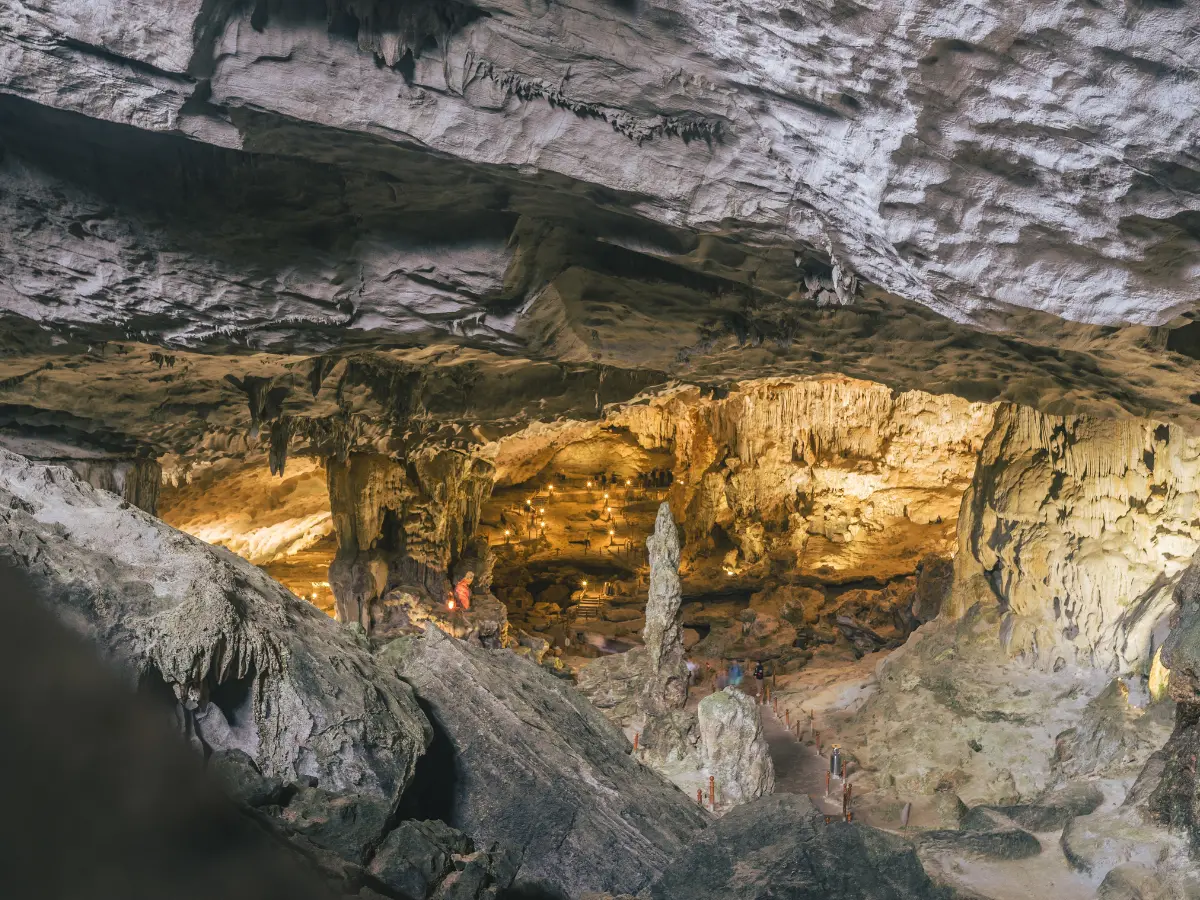
A discovery in South Africa suggests that humans may have learned to control fire many years before previously estimated. Scientists have found burned mammal bones dating up to 1.79 million years in the Wonderwerk Cave, a site where many prehistoric discoveries have been made in the past. These new bones have been found inside several owl remains, such as fossilised pellets, clumps of fur, and animal remains the owls spit out.
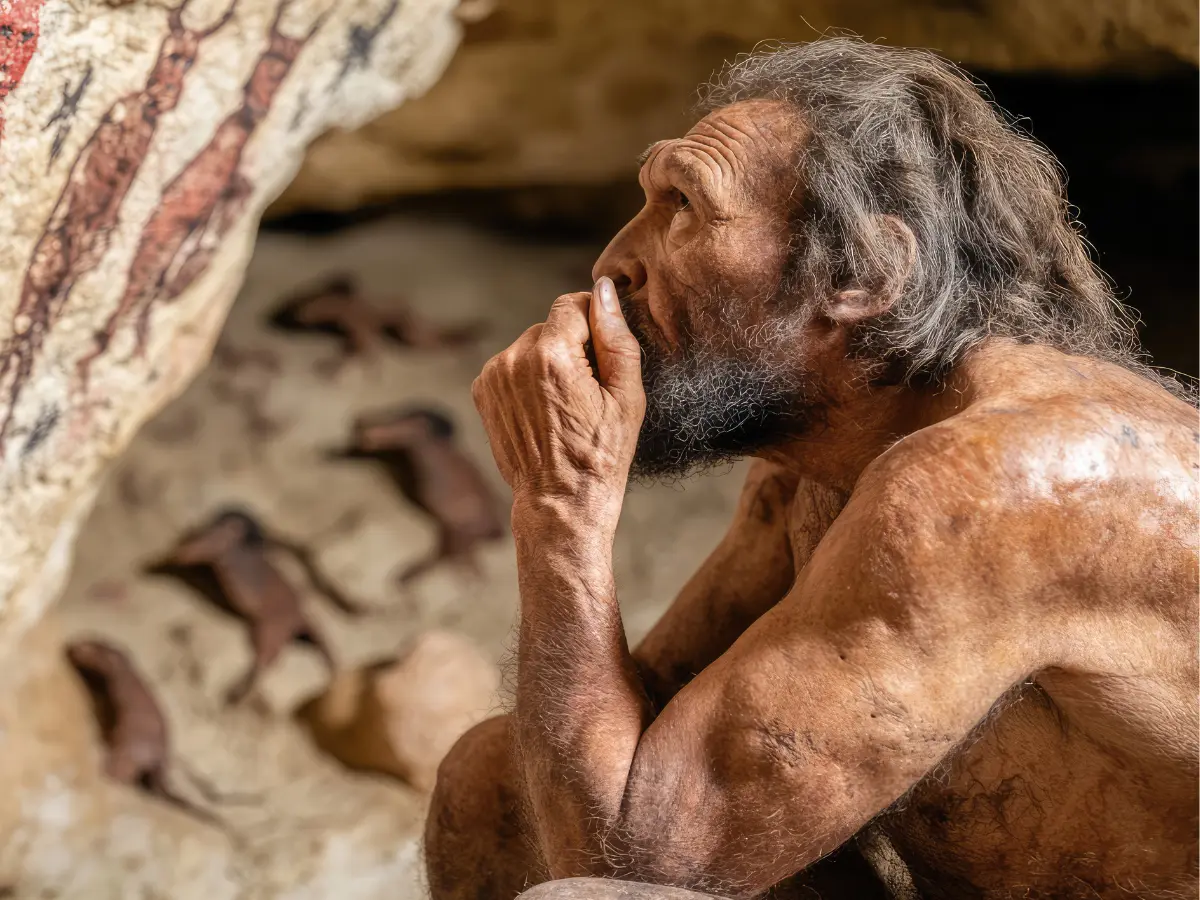
The researchers believe that the new discovery points to the possibility that Homo erectus carried fire into the cave regularly and used the dry pellets as fuel to fan the flames. The study has been described as a "momentous shift in the relations between hominins and their natural and cultural environments" because learning to control fire marked an important chapter of human history. The groundbreaking archaeological study was published in PLOS One.
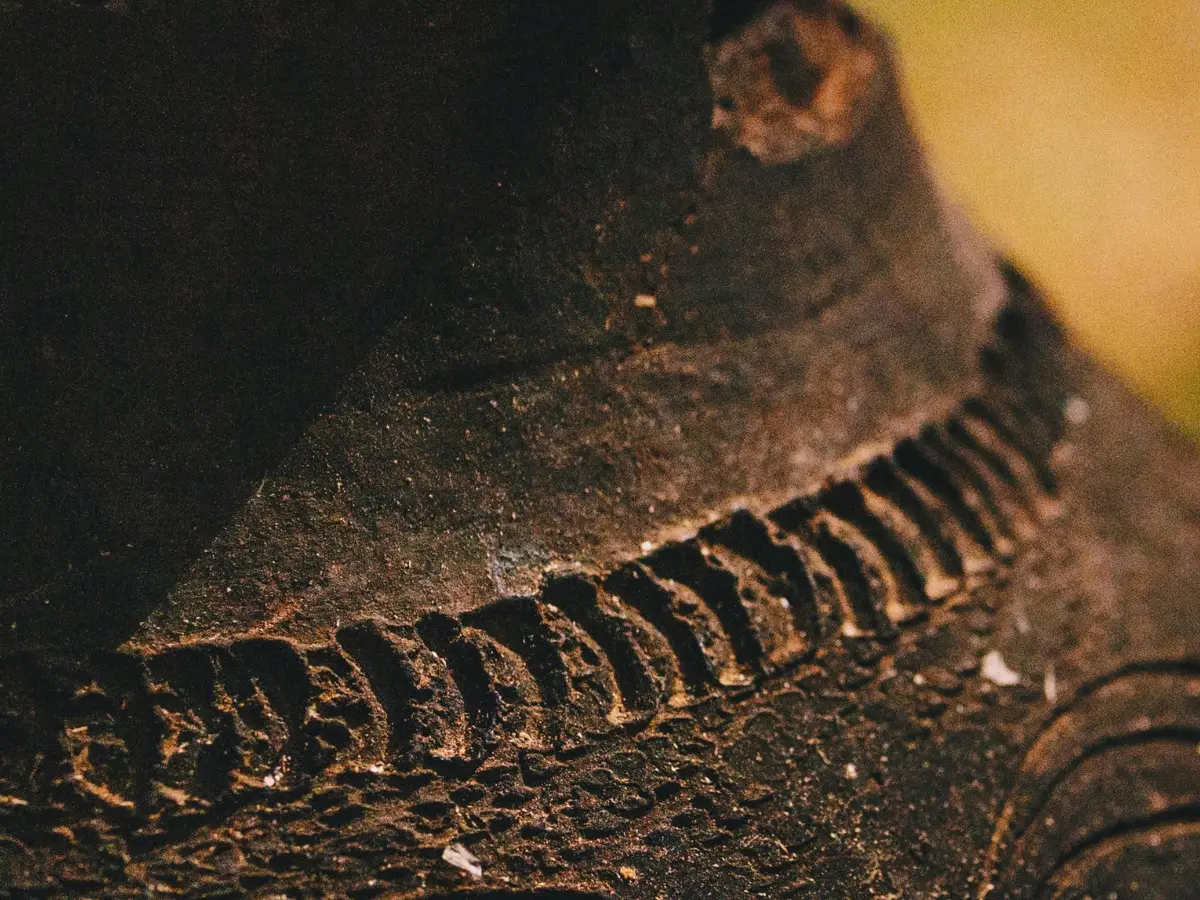
The international team of scientists analysed 161 fossilised small mammal bones, mostly obtained from pellets. They found clear signs that the tiny bones were exposed to high heat. The discovery was made nearly 100 feet deep inside the cave, which means that natural wildfires were not responsible for this occurrence, as the flames cannot spread that far into a cave's interior. Hence, humans were exposing the bones to fire themselves, the team concluded.

Homo erectus did not know how to make fire
However, this is different from making the fire themselves and research has shown that Homo erectus were likely "harvesting" natural fires caused by lightning strikes or bushfires and then carried them into the cave, where they used different ways to keep it alive. Piles of dried owl pellets would have acted like a thick wool rug. Homo erectus dropped an ember onto the bones and fur to keep the fire smouldering in a specific, controlled spot while preventing it from spreading to other areas.
Trending Stories
)
Sikh driver attacked in Wyoming in US, suffers 17 stab wounds
)
‘I have a big decision coming up’: Trump says he’s approaching major ‘crossroad’ in Iran war
)
US intel warns China can steal F-35 jets secret from Saudis
)
Former India player Diana Edulji wants Smriti Mandhana to replace Harman as skipper at the earliest
)
Pak defence minister says 'time has come to implement pact'
&im=FitAndFill=(700,400))
Meet top 5 batters in the latest ICC T20I Rankings
)
Formula One reveals the 2027 race calendar; Monaco to host sprint race for the first time
)
UNGA 2026 theme explained: What does ‘Restoring trust, managing transformation: A United Nations that delivers for all’ mean?
)
Godfather of AI Geoffrey Hinton gives US lawmakers a one-year warning on AI
)
AI already defying, denying humans, is it beyond human control already?
)
US F-16 fighter jet crashes in Michigan during training mission, pilot ejects safely
)
240-million-year-old bizarre 'pig with a tusk' creature creates new dilemma over origin of dinosaurs
)
All Indian goods to get duty-free access to New Zealand
)
Xi-Trump summit may boost military links
)
US to sell 48 F-35 Lightning fighter jets to Saudi Arabia, help it deter threats
)
Hong Kong unveils 11 new measures to boost birth rates, offers higher cash bonuses and housing perks
)
Australian athlete, who soiled herself during Hyrox race, apologises for continuing
)
Tata Trusts chairman Noel Tata calls Chandrasekaran’s reappointment ‘illegal’, rejects Tata Sons listing
)
Passport fees hiked, child validity revised: What the new rules introduce
)
How did an Australian river with 500 crocodiles pass the Olympic test? Here's how
)
Fed raises rates for first time in 3 years, Kevin Warsh defies Trump as inflation mounts
)
US drone firm linked to Trump’s sons signs MoU with Pakistan army, gets initial order
)
Pak batter Rizwan's petition against being questioned by cyber crime agency rejected by court
)
Daayra movie review: Kareena Kapoor, Prithviraj Sukumaran shine in Meghna Gulzar’s cop-versus-cop crime thriller
&im=FitAndFill=(700,400))
Which country has the most F-35s outside America?
)
'Gangsta' crab shoves knife blade at man and his dog in Florida - Watch
)
At least 48 dead, 100 hospitalised in Nigeria after drinking suspected methanol-laced alcohol
)
US-Iran War: Trump says ‘big decision’ on Iran ahead, weighs possible fresh military action
)
US new military base in Poland: US President Donald Trump eyes military base in Poland
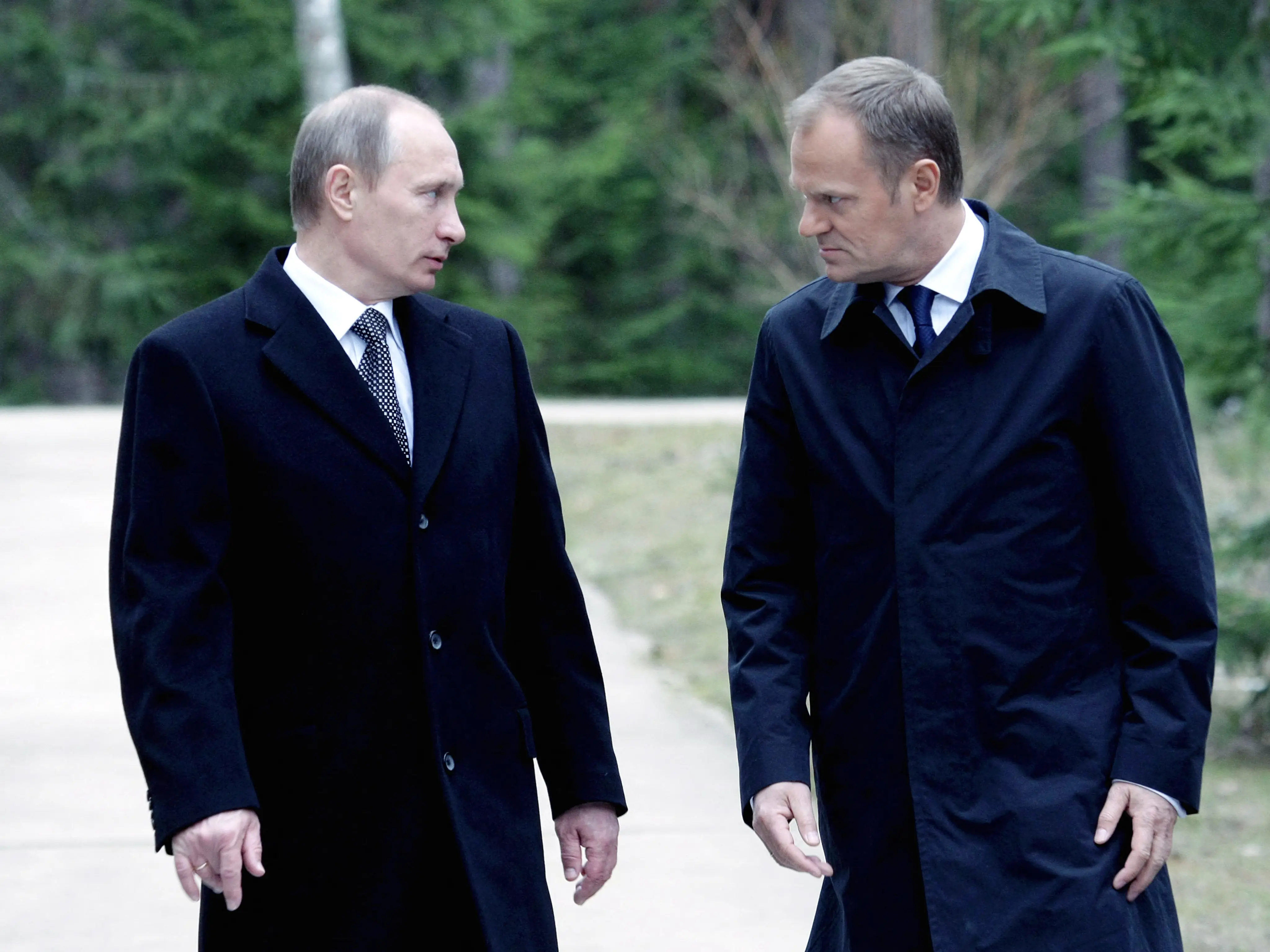)
Putin 'is plotting something bad': Russia may launch 'accidental' strikes on NATO countries supporting Ukraine, Poland PM warns
&im=FitAndFill=(700,400))
Suriya and Jyothika say ‘I do’ again after 20 years! See their dreamy wedding pics
)
Laura Wolvaardt sets new world record for most WT20I runs in a year
)
Pezeshkian, Araghchi set to attend UNGA 2026 in New York amid ongoing conflict as US-imposed travel curbs remain
)
'He will always be ahead': India coach Gambhir says Sooryavanshi won't walk into team ahead of Samson
Also Read: Another DNA analysis bites the dust as scientists fail to rule out 'extraterrestrial' origins
Scientists also dismissed the possibility that the bones could have been stained black by minerals. They used a new, non-destructive luminescence technique. for this, in which they shone a specialised blue light through optical filters onto the bones, which emitted a distinct reddish glow that unburnt bones didn't.