Cat-ch me if you can: Cyprus scrambles to curb feral cat population with new strategy

&imwidth=600&imheight=450&format=webp&quality=medium "Cat-ch me if you can: Cyprus scrambles to curb feral cat population with new strategy")
For representational purpose only Photograph: (AFP)
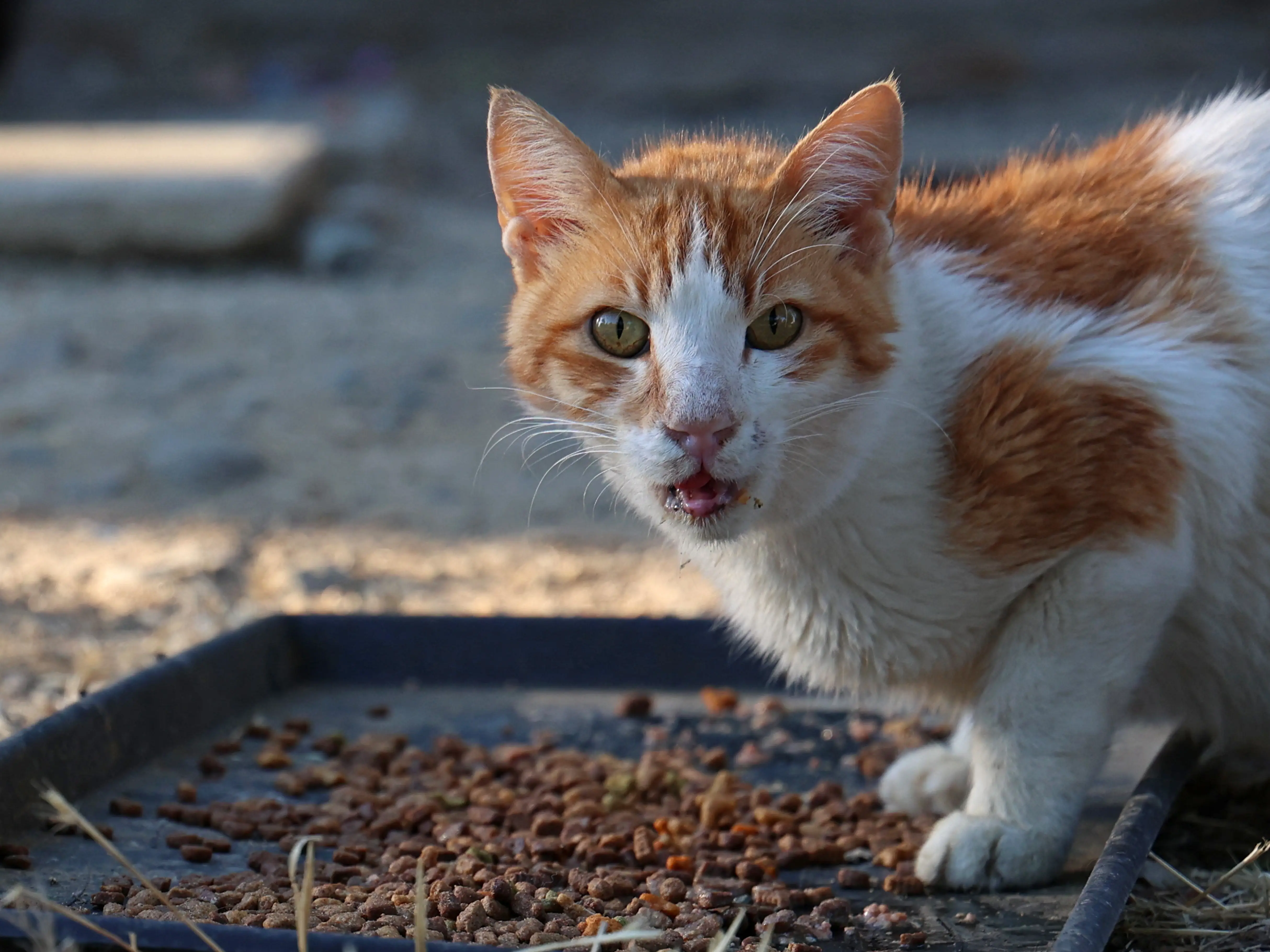
Cyprus faces a growing feral cat population, prompting government action to increase sterilisation funding and create a unified plan with volunteers and experts
Cyprus, a small Mediterranean island with around 1 million residents, is grappling with a growing feral cat population. The island reportedly has as many cats as people, though animal advocates argue the numbers may be far higher. Currently, Cyprus runs a sterilisation program designed to limit the expansion of this feline population. However, this initiative is seen as insufficient to handle the rising numbers. According to Environment Commissioner Antonia Theodosiou, the program only sterilises around 2,000 cats annually with a budget of 100,000 euros ($117,000), which is far from enough. Despite the limited program, Cyprus has developed a reputation for having a notably high cat population relative to its human inhabitants.
In response to concerns over the increasing number of cats and their impact on local ecosystems, Environment Minister Maria Panayiotou announced a significant boost in funding to the sterilization program on October 4, aligning with World Animal Day. The government has committed to increasing the budget for cat sterilizations to 300,000 euros annually, a move celebrated by animal welfare groups.
However, Charalambos Theopemptou, chair of the Parliamentary Environment Committee, cautioned that financial support alone won’t address the issue. "There must be a comprehensive plan," he warned, emphasising that sterilization efforts must be part of a broader strategy to reduce the feral cat population effectively. Feral cats, with their natural hunting instincts, pose a threat to the island’s fragile ecosystems and often suffer as they roam urban streets in search of food and shelter. The overpopulation can also lead to significant distress for the cats themselves.
A Long History with Cats
Cyprus has long been associated with its fondness for cats. Archaeologists discovered evidence of the first domesticated cat in a 9,500-year-old village, where the animal’s bones were found near human remains, hinting at an ancient bond between the two species. According to legend, in the 4th century, Saint Helen brought cats to Cyprus to combat a snake infestation, which led to the creation of the St. Nicholas of the Cats monastery—still a sanctuary for felines today.
For visitors, Cyprus’ well-fed cats are a familiar sight, often seen lounging outside restaurants where tourists regularly leave them scraps. This easy access to food, coupled with a high survival rate for kittens, has contributed to the rapid increase in the feral cat population.
Trending Stories
)
)
)
)
)
)
)
)
)
)
&im=FitAndFill=(700,400))
)
)
)
)
)
)
)
)
)
)
)
)
)
)
)
)
)
)
)
)
)
)
)
)
)
The Challenge of Controlling the Population
Demetris Epaminondas, president of the Veterinary Association, attributes the problem to unchecked breeding and the survival of more kittens, thanks to caring locals who often feed and look after strays. The government’s current sterilization program involves distributing funds to municipalities, which then use private veterinarians to sterilize cats brought in by animal groups. But experts acknowledge this approach is falling short of meeting the actual demand.
Elias Demetriou, who runs the Friends of Larnaca Cats sanctuary, argues that simply increasing funding won’t solve the problem without the involvement of knowledgeable conservation groups to help catch and sterilize the animals. Meanwhile, Eleni Loizidou, head of the Cat Alert organisation in Nicosia, described her group's recent effort to capture and sterilize 397 feral cats as a "drop in the ocean," highlighting that many female cats remain unsterilized due to the difficulty in trapping them.
Looking for Solutions
Veterinary experts like Epaminondas believe that Cyprus could bring its cat population under control in as little as four years, provided there is a coordinated plan that prioritises sterilization. He advocates for a simpler process, where private clinics take the lead in offering free sterilisations without bureaucratic delays. A more streamlined approach, he says, would motivate more people to participate.
Epaminondas also proposes using a smartphone app to help locate large groups of cats for capture and sterilization, as well as creating a fund where people and businesses can donate to support the initiative. He also sees the increased funding as an opportunity to encourage corporate contributions. The cost of sterilizing a feral cat is approximately 55 euros ($64), with a higher cost for domesticated cats that require more specialised care.
Meanwhile, Theodosiou’s team has been working on a long-term strategy that will involve the collaboration of government officials, conservationists, and volunteers. The goal is to establish an accurate count of the cat population and develop a comprehensive sterilization plan. Additionally, this strategy aims to legalize private sanctuaries for cats, helping to alleviate the problem in the long term.

