More harm than good? AI, robots, trackers at workplace can be detrimental to quality of life, study finds


Representational image of artificial intelligence.
In the ever-connected digital era, where tech is our ride-or-die, picturing existence sans our beloved gizmos feels like venturing into uncharted realms. But, a new studyconducted by the Institute for Work thinktank has suggestedthat exposure to emerging workplace technologies, such as trackers, robots, and AI-based software, negatively affects people's quality of life. The study, which surveyed over 6,000 people, examined the impact of various technologies on wellbeing.
According to the study, increased exposure to technologies like AI-based software, wearable trackers, and robotics correlates with poorer health and wellbeing among workers. Conversely, traditional information and communication technologies (ICTs), such as laptops and tablets, have a more positive influence on wellbeing.
Tech's impact on wellbeing

Dr Magdalena Soffia, the lead author of the study, who spoke to Guardian said that it's not the technologies themselves but rather their implementation that poses problems.
“We don’t want to claim that there is some sort of determinism in what technology causes, in terms of wellbeing,” she said.
“We say it really depends on the context: on lots of structural factors, on environmental conditions, how it is designed and how it is deployed. So lots of human decisions,” she added.
&imwidth=180&imheight=135&format=webp&quality=medium)
Pakistan to head IMF, World Bank boards after 74 years amid persistent economic crisis
&imwidth=180&imheight=135&format=webp&quality=medium)
Group's fibre-optic drones pose new challenge for Israel
&imwidth=180&imheight=135&format=webp&quality=medium)
US midterms 2026: Ken Paxton may have Elon Musk to thank if he wins the Texas Senate race. Here's why
&imwidth=180&imheight=135&format=webp&quality=medium)
AI decodes Napoleon-era secret letter unsolved for more than 200 years. What was hidden in the ciphers?
&imwidth=180&imheight=135&format=webp&quality=medium)
Ankita Bhandari murder case: Parents meet CBI, seek impartial investigation
&imwidth=180&imheight=135&format=webp&quality=medium)
US budget deficit nears $2 trn as tariff refunds rise; debt crosses $40 trn
&imwidth=180&imheight=135&format=webp&quality=medium)
Gravitas | Iran threatens to hit key bridges in 7 countries if US resumes strikes
&imwidth=180&imheight=135&format=webp&quality=medium)
Ukraine drone strike disrupts 22 Russian airports, over 200 flights

Not Khan but Pal: Why did Imran Khan choose his mother's surname over his father's? Family tree explained
&imwidth=180&imheight=135&format=webp&quality=medium)
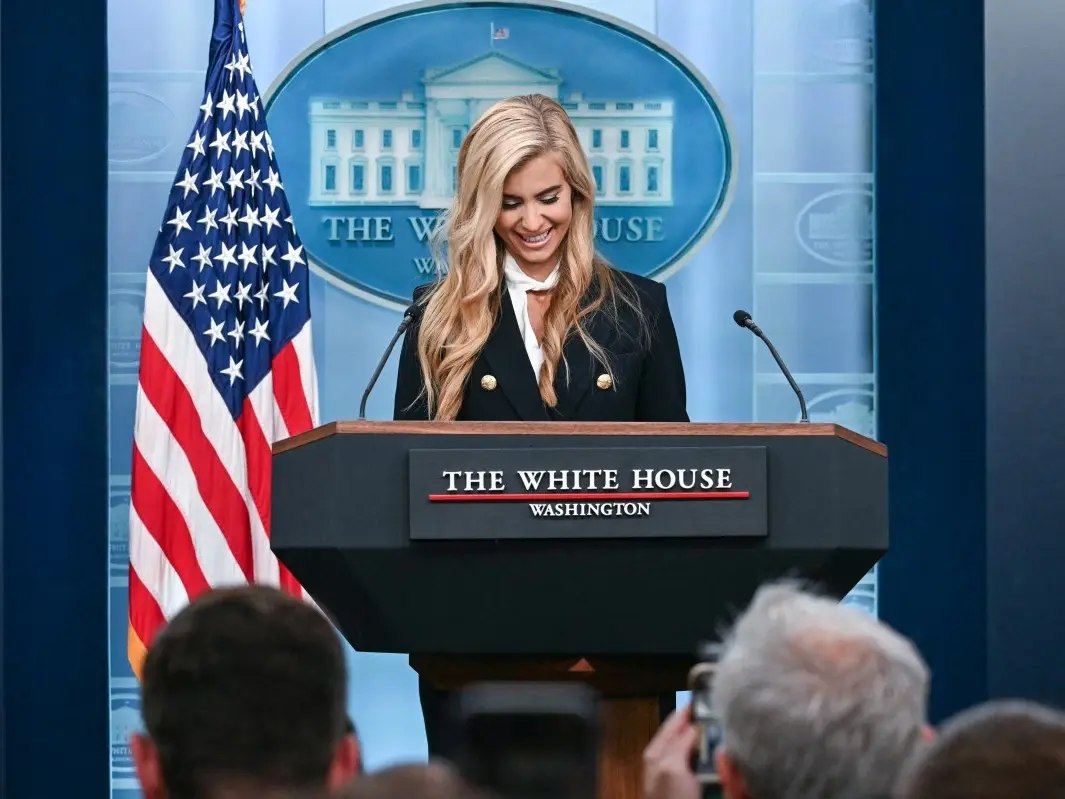
Did Trump just fire Katie Zacharia as his new press secretary? Here’s what he said
&imwidth=180&imheight=135&format=webp&quality=medium)
A secret code, a midnight escape and 300 deaths: The Russian officer who turned on Putin
&imwidth=180&imheight=135&format=webp&quality=medium)
Iranian woman, 23, handed death sentence for ‘blasphemy’ in social media post; appeals for help
&imwidth=180&imheight=135&format=webp&quality=medium)
Oregon school shooting: 16-year-old shooter identified, used shotgun bought by mother; Trump praises bystander who shot gunman as 'great hero'
&imwidth=180&imheight=135&format=webp&quality=medium)
After ODIs, T20Is and Tests, cricket set to introduce a new format: All you need to know
&imwidth=180&imheight=135&format=webp&quality=medium)
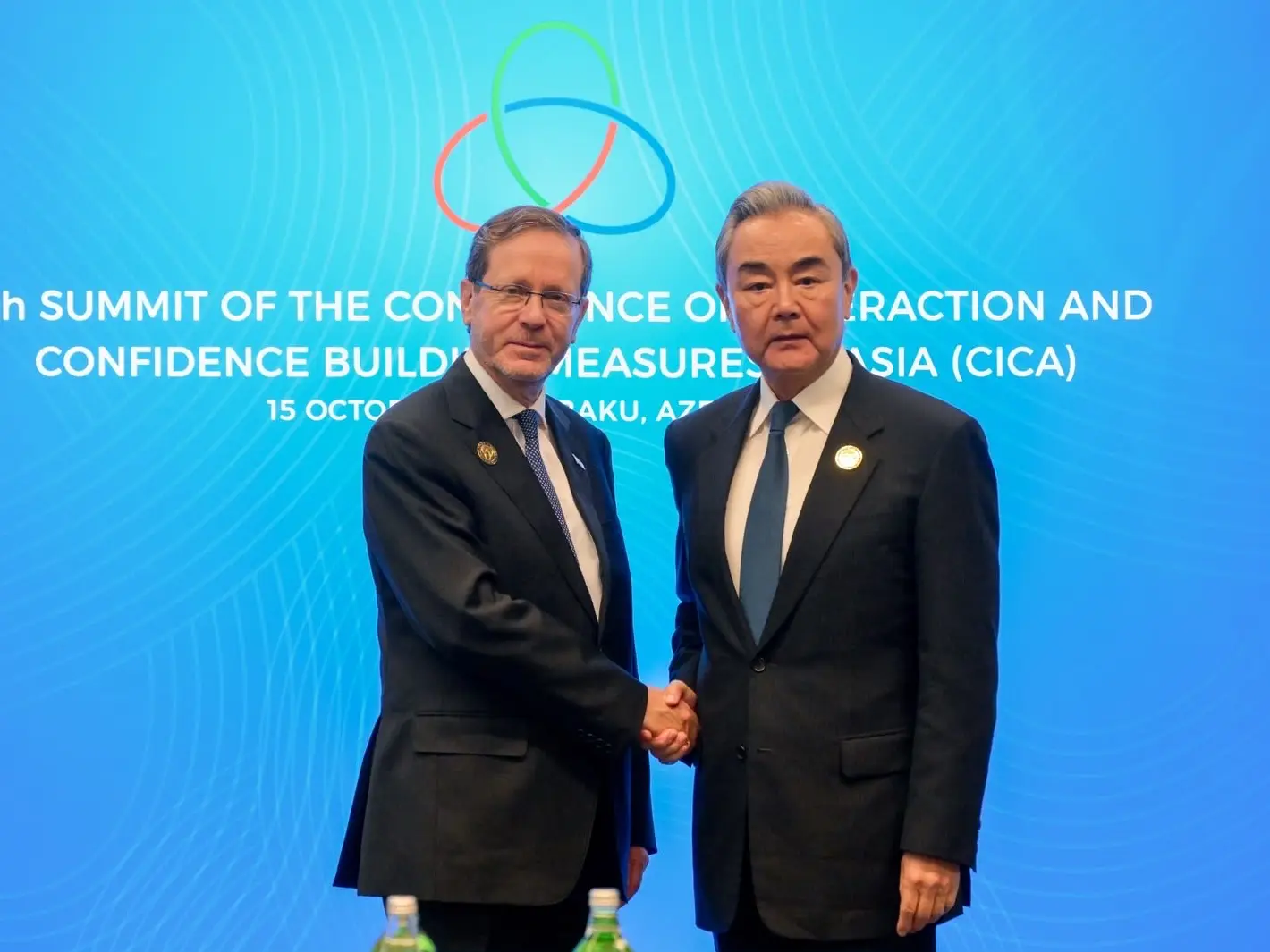
China tells Israel to stop West Bank settlements, calls Palestine issue ‘historic injustice’
&imwidth=180&imheight=135&format=webp&quality=medium)
‘My president, I mean my husband’: Trump's new press secretary Katie Zacharia's first briefing goes off the rails in 14 minutes
&imwidth=180&imheight=135&format=webp&quality=medium)
Mars is not for man: Human heart is too weak to survive the trip, study shows
&imwidth=180&imheight=135&format=webp&quality=medium)
China responds to Trump's Press Secretary Katie Zacharia after toilet remark: 'Visit China more often'
&im=FitAndFill=(700,400)&imwidth=180&imheight=135&format=webp&quality=medium)
Who left the White House podium the fastest? Press secretaries with the shortest stints
&imwidth=180&imheight=135&format=webp&quality=medium)
Vijay Deverakonda and Rashmika Mandanna's Ranabaali X Review: Netizens call it history-rich but overstuffed
&imwidth=180&imheight=135&format=webp&quality=medium)
Was Trump in danger at Alaska rally? Viral video shows Secret Service agents reacting
&imwidth=180&imheight=135&format=webp&quality=medium)
US midterms 2026: Alexandria Ocasio-Cortez donates $1 million to Abdul El-Sayed’s as Michigan race heats up
&imwidth=180&imheight=135&format=webp&quality=medium)
Here’s who is eyeing the White House press secretary role after Katie Zacharia’s exit
&imwidth=180&imheight=135&format=webp&quality=medium)
BCCI names India’s ODI squad for New Zealand tour, Gill and Iyer to share captaincy
&imwidth=180&imheight=135&format=webp&quality=medium)
Abhishek Sharma sets all-time record for most T20I sixes in a year
&imwidth=180&imheight=135&format=webp&quality=medium)
'I don’t trust anybody', says Trump when asked about Netanyahu
&im=FitAndFill=(700,400)&imwidth=180&imheight=135&format=webp&quality=medium)
Inside Tesla's Roadster: 10 features of Elon Musk's 'flying car' that push the limits of electric vehicles | In Pics
&imwidth=180&imheight=135&format=webp&quality=medium)
India’s naval priorities: Ex-Navy Chief calls for third aircraft carrier, more warships and submarines
&im=FitAndFill=(700,400)&imwidth=180&imheight=135&format=webp&quality=medium)
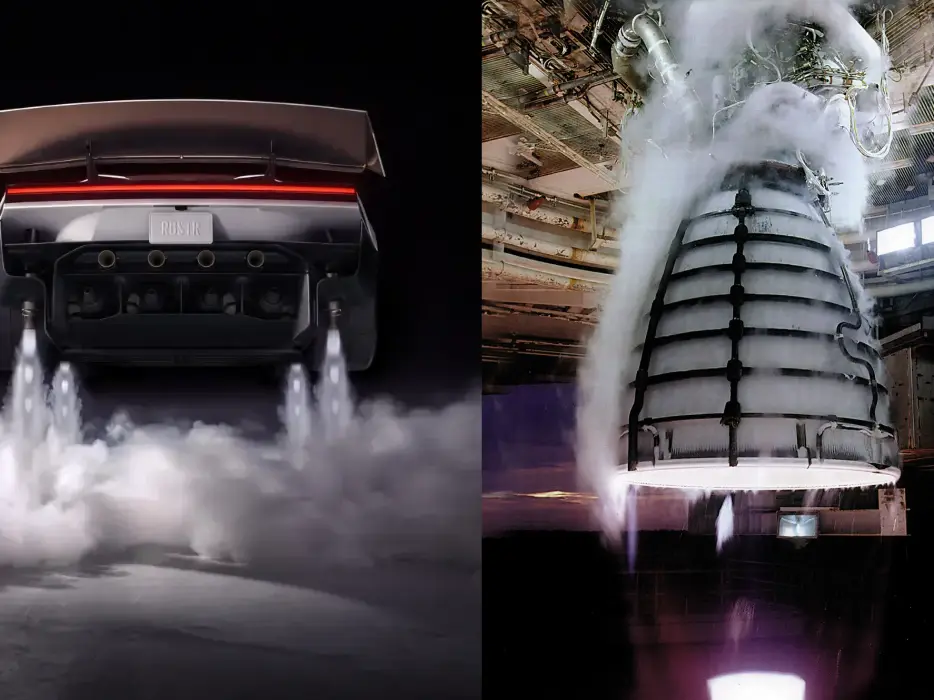
Tesla Roadster's thrusters vs rocket engines: What's the difference?

US ends automatic work permit extensions; Indian workers lose 540-day safety net: What it means
&im=FitAndFill=(700,400)&imwidth=180&imheight=135&format=webp&quality=medium)
Salman Khan-Karisma Kapoor reunion at Koffee with Karan season 9 sparks nostalgia: A look at their most loved films
&imwidth=180&imheight=135&format=webp&quality=medium)
BJP veteran LK Advani hospitalised in Delhi with chest infection
&im=FitAndFill=(700,400)&imwidth=180&imheight=135&format=webp&quality=medium)
New Friday OTT releases (October 16, 2026): DC, Sacrifice, Aasha- 6 new movies and TV shows coming on Netflix, Zee 5, Prime Video and more
&imwidth=180&imheight=135&format=webp&quality=medium)
Iran rejects Saudi allegations of backing Houthi attacks, renews mediation offer
Economists at Goldman Sachs predicted last year that up to 300 million jobs worldwide could be automated by 2030 due to advancements in generative AI.
The study usedthe EuroQoL EQ-5D-3L, a well-established measure of quality of life, to assess respondents' mobility, mental health, and pain levels. This approach provided nuanced insights into the relationship between technology and well-being, highlighting the importance of efficient work processes.
Findings regarding trackers and surveillance technologies also align with recent warnings from trade unions and campaigners about the negative consequences of constant monitoring of workers.
Also watch |Make movies with AI
Thisstudy forms part of the Pissarides Review into the Future of Work and Wellbeing, conducted by the IFW in collaboration with Warwick Business School and Imperial College London.