
&imwidth=800&imheight=600&format=webp&quality=medium "What makes smart cities truly smart? Hint: It's not just technology")
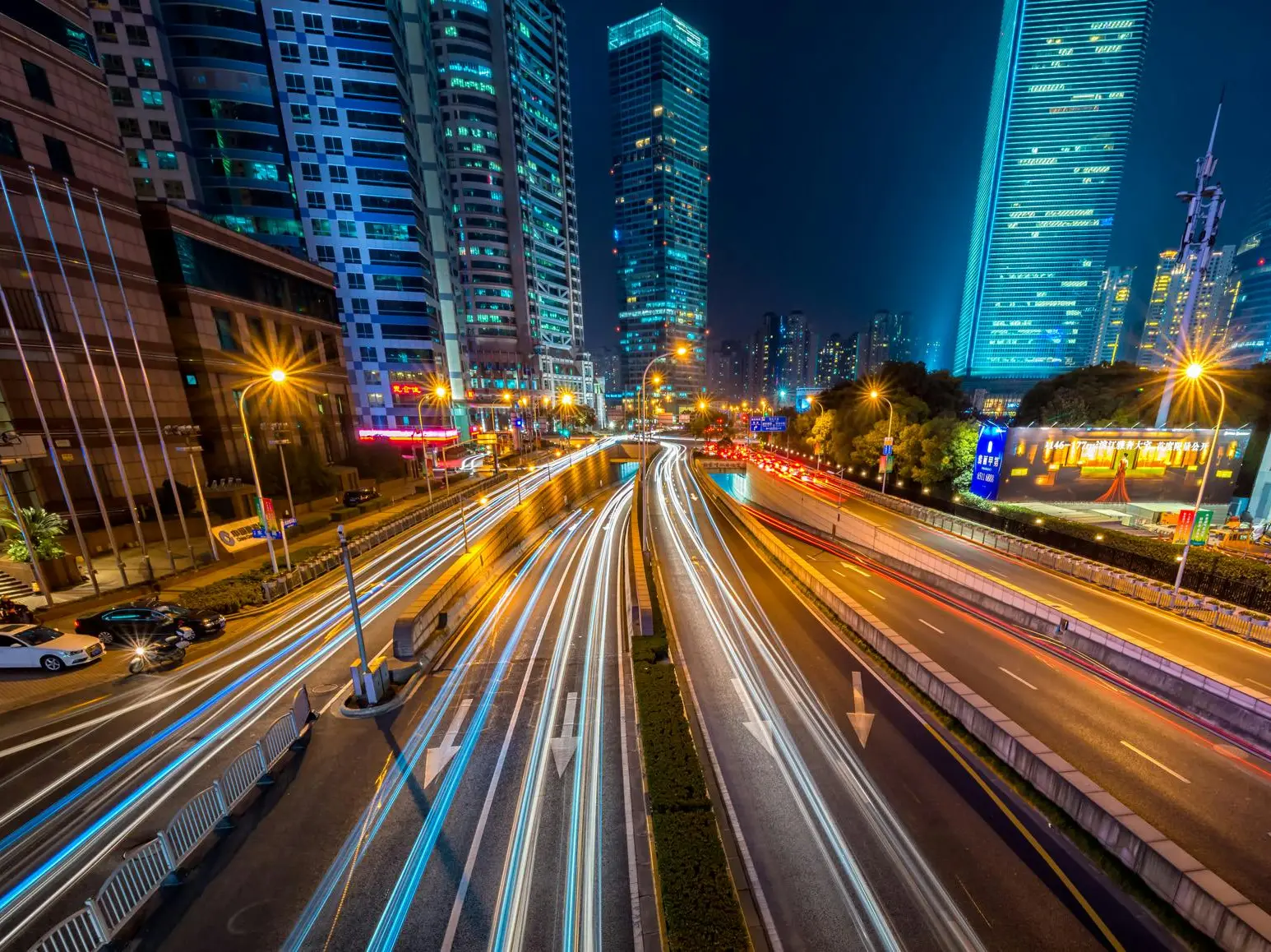
African cities are growing fast. But as they expand, a key question remains: how do we make these cities smart, fair, and inclusive?
A new community-led approach in Johannesburg’s Westbury neighbourhood is showing the way. Instead of starting with tech companies or governments, the plan begins with local people.
Researchers from the University of Johannesburg worked with 30 residents to design their ideal “smart neighbourhoods”, focusing on real-life needs like safety, electricity, education, and culture.

What makes a city truly smart?
A smart city uses digital tools like sensors, data networks, and connected devices to manage services. These tools can help with things like traffic, electricity, public safety and waste management.
But technology alone isn’t enough. If people are not part of the planning, even the smartest systems can ignore real problems.
Trending Stories
)
Saudi vs Houthis: Houthis claim missiles & drones used in attack on key Saudi sites
)
Nepal forms 7-member panel to probe August 26 Bhotekoshi flood from source to downstream
)
Gaza under attack: Health chief's son killed in IDF strikes
)
Reacher star Alan Ritchson opens up about alleged blackmail, suicide attempt during difficult period
)
Delhi voter roll shake-up: 3.31 million electors flagged in SIR review
)
US-Iran war: Tehran draws red lines — seven demands before any peace talks
)
‘End of my career...’: NSA Doval recalls tense Sikkim mission when China captured Indian intelligence team
)
Mark Carney mimics Trump in hilarious moment over C$70 billion clean-energy investment; room erupts in laughter
)
9 women found dead near Johannesburg: South Africans rally, demand 'enough' to femicide
)
Report: Iran rebuilding Taleghan 2, nuclear site tied to past weapons research, hit twice by Israel
)
Iran sets 7 conditions to end war with US: What are Tehran’s demands?
)
Harry Brook targets long reign at top of T20I rankings after Sri Lanka sweep
)
Russia's deadly Ukraine strikes kill 2 in Sumy, hit Dnipro mall
)
Russia-Europe tensions: Polish PM warns Russian attacks could test NATO's unity
66 years of the Indus Waters Treaty: How India and Pakistan settled a bitter river dispute
)
Trump defends AI amid growing alarm, announces new 'AI force' and promises an 'AI czar'
&im=FitAndFill=(700,400))
How many F-35s does Britain, Japan and Israel have?
)
Raphinha hat-trick powers Barcelona to 3-1 win over Sevilla in La Liga
)
EXCLUSIVE | Singer Hanita Bhambri on her Toxic debut, working with Vishal Mishra and more
)
Trump announces ‘AI Force’ as debate grows over AI risks and regulation
)
Africa is splitting, and a lot sooner than estimated, giving way to a new ocean
)
Nigeria: Protesters take to the streets, police fire shots
&im=FitAndFill=(700,400))
‘Not the US or China’: These are the countries leading the world in arable land
)
China may have gained access to US's classified F-35 jets; parts meant for repairs diverted to Hong Kong, sparking Pentagon inquiry
)
Flying cars in UAE: Ras Al Khaimah signs deal with Chinese company to test new transport
)
The Verdict | When precision fails: US commits war crime in Minab school strike, UN finds
)
Aravana prasadam shortage at Sabarimala temple in Kerala triggers protests, TDB questioned
)
Trump 2.0: Dark days ahead for America’s ‘imperial presidency’
)
‘Will go to any extent’: Pakistan vows to defend Saudi Arabia amid Houthi attacks
)
Cochin shipyard starts building Indian Navy's next-gen missile vessels
)
Kampala-Ankara rift deepens: Uganda suspends military ties, seeks Fred Lumbuye's extradition
)
US-Iran war: Tehran sets seven conditions to re-engage in talks with US
)
Arvind Kejriwal, family members, Delhi CM Rekha Gupta get SIR notices
)
Russia holds first parliamentary elections since the beginning of the Ukraine war
)
Several petrol pumps, other businesses to refuse UPI payments above Rs 2,000 from Oct 16: Is it legal?
)
Ed Sheeran addresses Macklemore's removal, Gaza conflict during Philadelphia concert: 'I cannot hide how I feel'
Russia attacks Ukraine with 174 drones, kills 8; 2 vessels hit in Black Sea
&im=FitAndFill=(700,400))
Meet top 5 Indian batters with fastest T20I centuries
)
Trump bans CNN, MS NOW and Politico from White House over ‘FAKE NEWS’
)
)
Professor Rennie Naidoo of the University of the Witwatersrand said a better approach is to start with communities themselves. In Westbury, residents shared their hopes for the future what changes they wanted and how tech could support those changes without replacing their values.
"When communities imagine their future, it’s not about fancy tech it’s about what helps them live better lives,” said Naidoo.
Westbury’s vision: safety, power and dignity
Westbury is a working-class neighbourhood shaped by history. It struggles with gang violence, high unemployment and poor infrastructure. But it also has strong community bonds.
Residents said safety was their top concern. They liked the idea of smart surveillance tools but insisted these should be controlled locally, not by distant authorities. They wanted technology that helps them feel safer, not more watched.
Electricity was another big issue. Westbury faces regular power cuts. People wanted solar panels, not as a luxury but as a basic need. They imagined solar-powered community hubs that keep homes, schools and businesses running even during blackouts.
They also saw potential in tech for education and culture. Some suggested augmented reality to bring local stories and landmarks to life. While others dreamed of digital centres where young people could learn coding or music or start online businesses.
Building smarter cities with the people, not just for them
This work in Westbury is part of a bigger trend. From Cape Town to Medellín, more cities are inviting locals into the planning process. In Cape Town, the “Play Khayelitsha” initiative used games and roleplay to let residents share their ideas. In Colombia’s Medellín, local voices helped shape transport and education policies. These projects show that when people help design smart cities, the results are more useful, trusted, and fair.
Naidoo said this matters especially in African cities, where the legacy of colonialism still affects urban development. “Technology is not neutral,” he said. “It carries the ideas of whoever designs it. So it’s important that the people who live in cities help shape the future.”
