OpenAI CEO believes India can become a full-stack AI leader

&imwidth=600&imheight=450&format=webp&quality=medium "OpenAI CEO believes India can become a full-stack AI leader")
OpenAI CEO believes India can become a full-stack AI leader
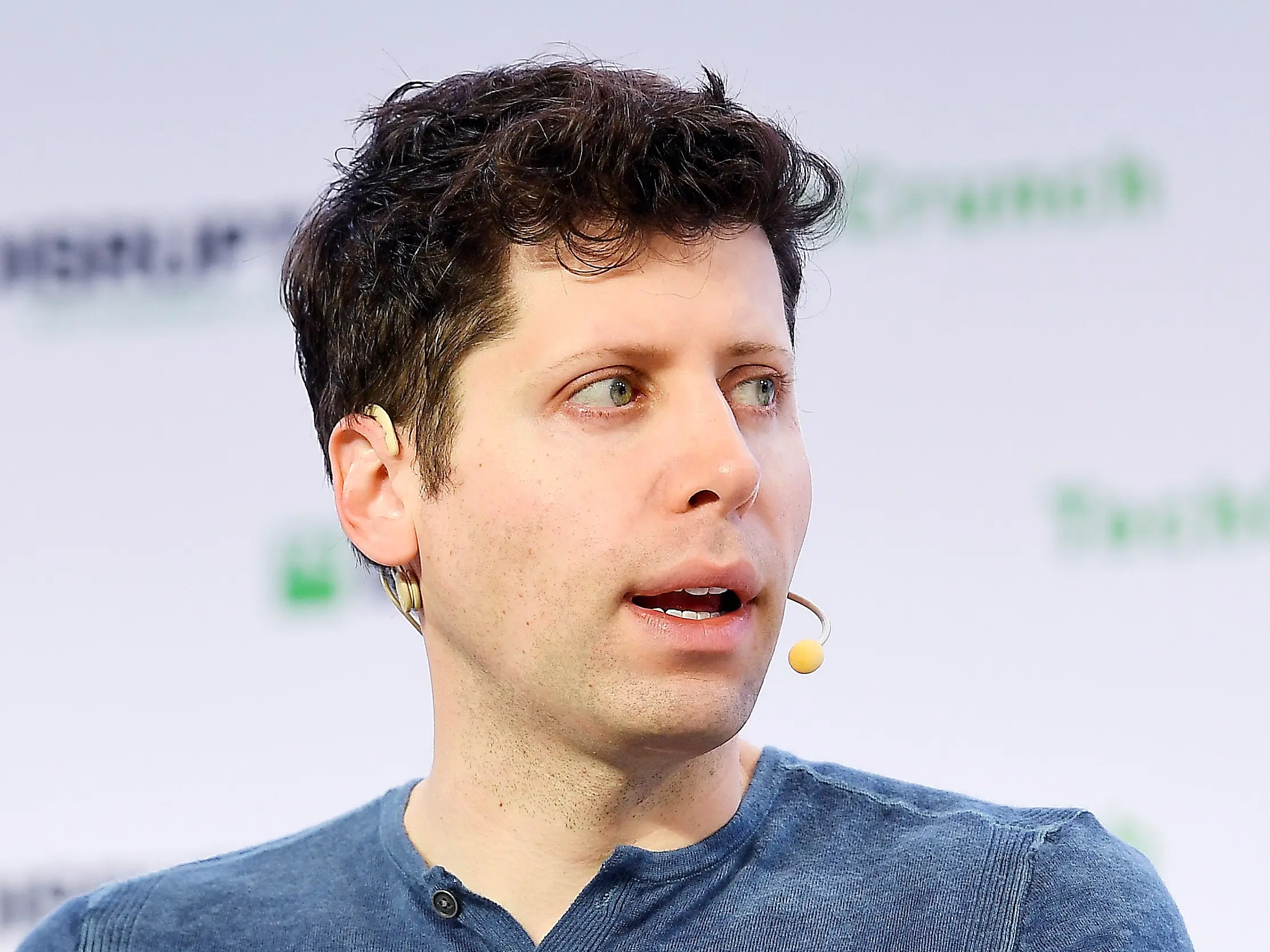
OpenAI CEO Sam Altman says India can become a “full-stack AI leader”, citing talent, policy support and scale. India is now OpenAI’s second-largest market as it prepares to host the Global AI Impact Summit 2026 in New Delhi.
OpenAI Chief Executive Officer Sam Altman has said that India has the potential to become a “full-stack AI leader”, as the country prepares to host the Global AI Impact Summit 2026 in New Delhi.
Speaking ahead of the summit, Altman said India now ranks as OpenAI’s second-largest user base globally, behind only the United States. His comments come as India positions itself as a major hub for artificial intelligence development, adoption and governance.
Sam Altman sees India as a full-stack AI leader
According to Altman, India has all the key elements needed to build and scale artificial intelligence across the entire value chain. This includes talent, policy support, infrastructure and a large user base.
He said India is not only using AI tools but is also capable of building them. “India has the ingredients homegrown tech talent, a clear national strategy and strong optimism about what AI can do,” Altman said, as reported by ANI.
India’s growing digital economy and its focus on public-interest technology have also helped accelerate AI adoption across sectors such as healthcare, education and agriculture.
Trending Stories
&imwidth=280&imheight=210&format=webp&quality=medium)
&imwidth=280&imheight=210&format=webp&quality=medium)
&imwidth=280&imheight=210&format=webp&quality=medium)
&imwidth=280&imheight=210&format=webp&quality=medium)
&imwidth=280&imheight=210&format=webp&quality=medium)
&imwidth=280&imheight=210&format=webp&quality=medium)
&imwidth=280&imheight=210&format=webp&quality=medium)
&imwidth=280&imheight=210&format=webp&quality=medium)
&imwidth=280&imheight=210&format=webp&quality=medium)
&imwidth=280&imheight=210&format=webp&quality=medium)
&imwidth=280&imheight=210&format=webp&quality=medium)
&imwidth=280&imheight=210&format=webp&quality=medium)
&imwidth=280&imheight=210&format=webp&quality=medium)
&imwidth=280&imheight=210&format=webp&quality=medium)
&imwidth=280&imheight=210&format=webp&quality=medium)
&imwidth=280&imheight=210&format=webp&quality=medium)
&imwidth=280&imheight=210&format=webp&quality=medium)
&imwidth=280&imheight=210&format=webp&quality=medium)
&imwidth=280&imheight=210&format=webp&quality=medium)
&imwidth=280&imheight=210&format=webp&quality=medium)
&imwidth=280&imheight=210&format=webp&quality=medium)
&imwidth=280&imheight=210&format=webp&quality=medium)
&imwidth=280&imheight=210&format=webp&quality=medium)
&imwidth=280&imheight=210&format=webp&quality=medium)
&imwidth=280&imheight=210&format=webp&quality=medium)
&imwidth=280&imheight=210&format=webp&quality=medium)
&im=FitAndFill=(700,400)&imwidth=280&imheight=210&format=webp&quality=medium)
&imwidth=280&imheight=210&format=webp&quality=medium)
&imwidth=280&imheight=210&format=webp&quality=medium)
&imwidth=280&imheight=210&format=webp&quality=medium)
&imwidth=280&imheight=210&format=webp&quality=medium)
&imwidth=280&imheight=210&format=webp&quality=medium)
&imwidth=280&imheight=210&format=webp&quality=medium)
&imwidth=280&imheight=210&format=webp&quality=medium)
&imwidth=280&imheight=210&format=webp&quality=medium)
India’s growing importance for OpenAI
Altman said India has emerged as one of OpenAI’s most important markets. He noted that India now has around 100 million weekly active users on OpenAI platforms, making it the company’s second-largest market by usage.
He also highlighted that India has the largest number of students using ChatGPT worldwide and ranks fourth globally in the adoption of Prism, OpenAI’s free tool for scientific research and collaboration.
OpenAI opened its first office in New Delhi last year and plans to expand its presence further. Altman said the company is also exploring deeper partnerships with the Indian government to widen access to AI tools.
Focus on access, adoption and skills
Altman outlined three areas that he believes are crucial for AI to drive growth in India.
First is access, ensuring that AI tools are available to people regardless of income, education or technical background. Second is adoption, where AI must be integrated into schools, clinics, small businesses and public services. The third is agency, which focuses on building AI literacy so people can confidently use these tools for decision-making and problem-solving.
He warned of a “capability gap”, where access to AI exists but the skills to use it effectively remain limited to a small group. According to him, large-scale AI literacy programmes will be critical to close this gap.
India’s AI push and what comes next
India’s government has been promoting a full-stack AI approach through its national AI mission, which aims to expand computing capacity, support startups and develop multilingual AI applications for public services.
The Global AI Impact Summit 2026, scheduled to be held at Bharat Mandapam in New Delhi, is expected to bring together global leaders, policymakers and technology firms to discuss inclusive and responsible AI growth.
Altman said AI will play a key role in shaping India’s future and that India, in turn, will help shape the future of artificial intelligence globally.
