Meta, IBM join AI race, launch ‘AI Alliance' with 'open-science' approach

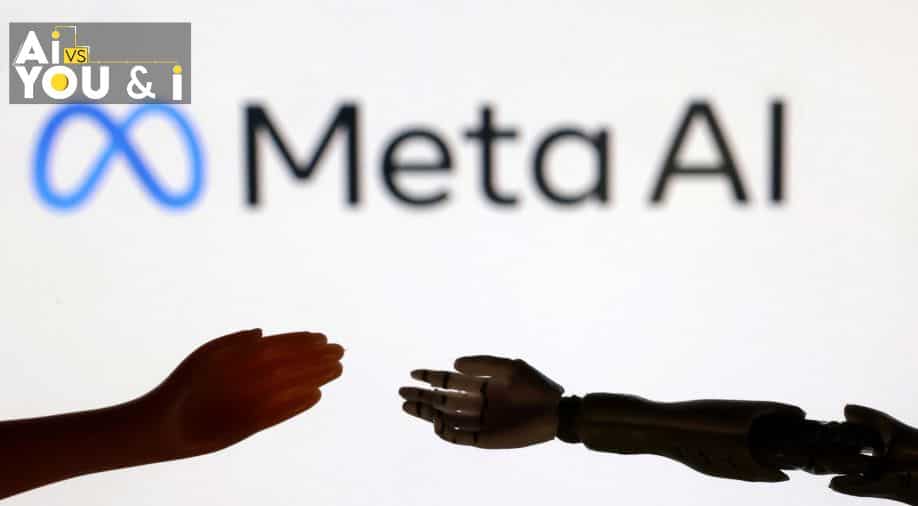
Logo of Meta AI is seen in this illustration which has joined hands with IBM in the AI race.
The parent company of Facebook, Meta, and IBM on Tuesday (Dec 5) launched a new group named 'AI Alliance' which advocates for an “open-science” approach to the development of AI which has now placed them at odds with rivals Google, Microsoft and ChatGPT-maker OpenAI.
The two opposing camps – the open and the closed – disagreed about whether AI should be built in a way which makes the underlying technology widely accessible. At the heart of the debate remains safety and also who gets profit from the advances of AI.
IBM senior vice-president Dario Gil, who directs the company's research division, said that the approach which is “not proprietary and closed” is favoured by the open advocates. “So it’s not like a thing that is locked in a barrel and no one knows what they are,” he added, as per The Guardian.

AI Alliance to restructure future of AI?
The AI Alliance, which is headed by IBM and Meta and includes Sony, Dell, Intel, the chipmakers AMD and many universities and AI startups – is “coming together to articulate, simply put, that the future of AI is going to be built fundamentally on top of the open scientific exchange of ideas and open innovation, including open source and open technologies," said Gil, while speaking to Associated Press before the launch.
The alliance will most probably lobby regulators to ensure that the new legislation works in their favour.
Taking aim at Google, OpenAI and startup Anthropic, Meta’s chief AI scientist Yann LeCun wrote on social media that these companies – which he called the “massive corporate lobbying” - write the rules in a way so as to benefit their high-performing AI models and concentrate their power over the development of the technology.
Watch:Wine tasting with AI? Scientists achieve spirited breakthrough in Artificial Intelligence domain
)
Justice eludes Air India 1985 bombing victims as Canada probe goes 'inactive' | Gravitas
)
Mumbai: Gallops restaurant at Mahalaxmi Racecourse licence suspended over food safety violations
)
Erdogan again raises Kashmir issue at UNGA, calls for dialogue under UN Charter
)
'Our team opened the gate of gold medals': Harmanpreet Kaur on India’s Asian Games final win
)
'Needs time away from the international scene': England white-ball captain Brook on pacer Brydon Carse's future
)
Four decades after leaving Kolkata, the Birlas may be coming back for more
)
The Verdict | Moral policing isn’t culture or discipline, it’s crime
)
New Zealand farms shift to carbon forests: Carbon credits fuel a land rush reshaping rural life
)
Cyclone Arnab: Landfall expected before midnight tomorrow as IMD issues orange alerts across six states
)
Glitch in the matrix caught on camera: Woman vanishes after talking to reporter
)
Rani Mukerji's mother Krishna Mukerji passes away; Karan Johar, Jaideep Ahlawat visit actress
)
Asian Games 2026: India women's cricket team beats Sri Lanka by 147 runs for first gold
)
ICC plans T20I expansion and fewer ODIs in 2027–2031 FTP cycle: Report
)
Key accused in Bihar's Jamui molestation case, arrested after police shoot him in leg
)
'Mumma’s boy from Gwalior who dared to dream': Kartik Aaryan pens long note after first National Award win
)
Gravitas | Boosting NHS productivity could save 20,600 lives in UK annually: Report
)
US and China vie for AI dominance as calls grow for regulation | Gravitas
)
Yemen clashes kill 154 people in two days as cornered Saudi battles Houthi offensive | Gravitas
72nd National Film Awards: Kartik Aaryan receives Best Actor honour for Chandu Champion in Gujarat
)
IND vs JPN, one-off T20I: Japan captain Kendel on pushing India to the brink - ‘It was special’
)
Raaka creates history! Allu Arjun’s film secures Guinness World Record ahead of release
)
Saudi Arabia exits China-led mBridge digital currency platform amid Saudi-Houthi conflict
)
WION Iconic Tourism Summit and Awards 2026: Key voices to discuss India’s tourism future
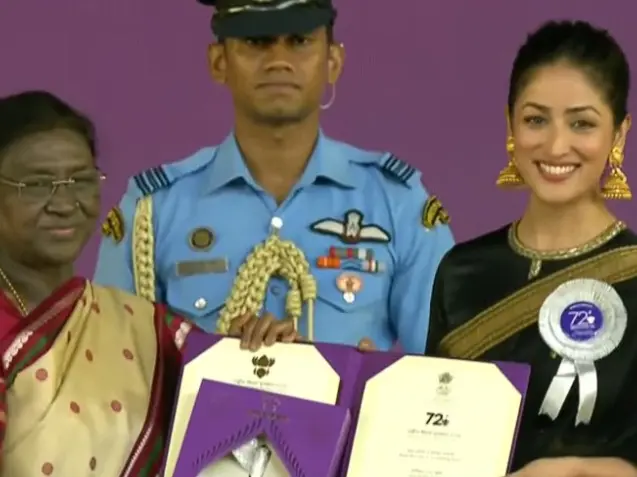)
National Film Awards 2026: Yami Gautam wins Best Actress for Article 370
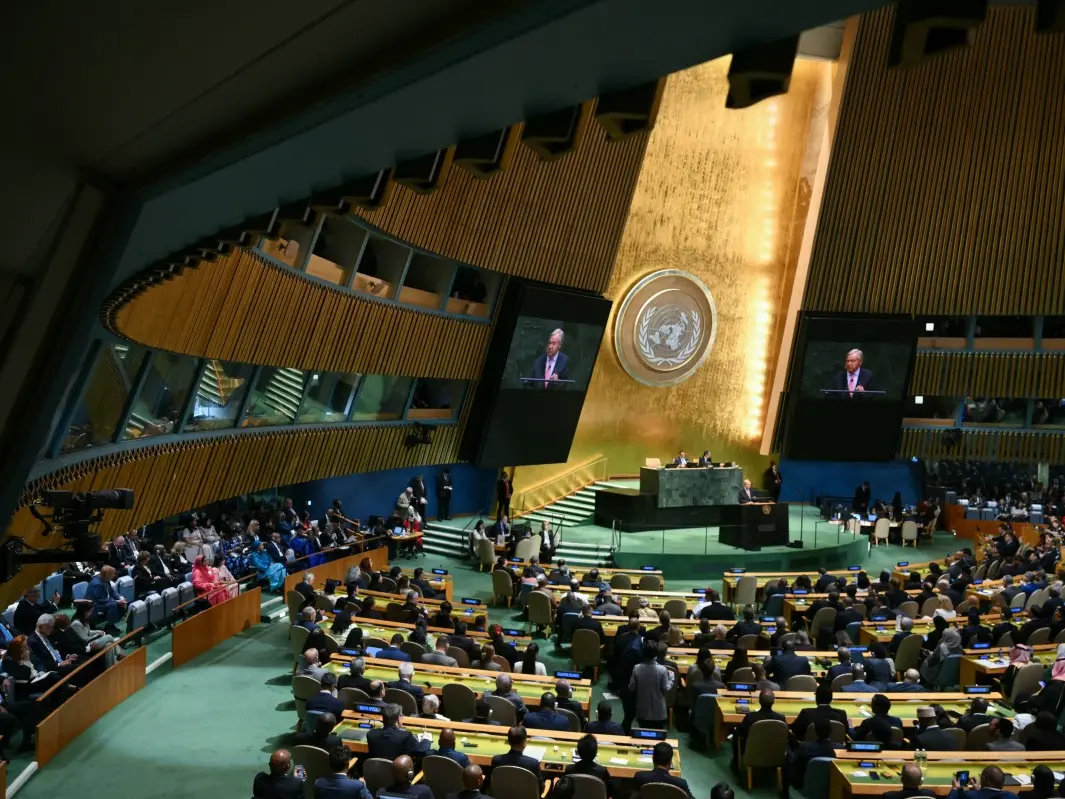)
World leaders repeatedly call Gaza crisis ‘genocide’ as Israel’s war dominates opening sessions of UNGA
)
WION Iconic Tourism Summit and Iconic Awards 2026: India's travel economy leaders gather in Delhi
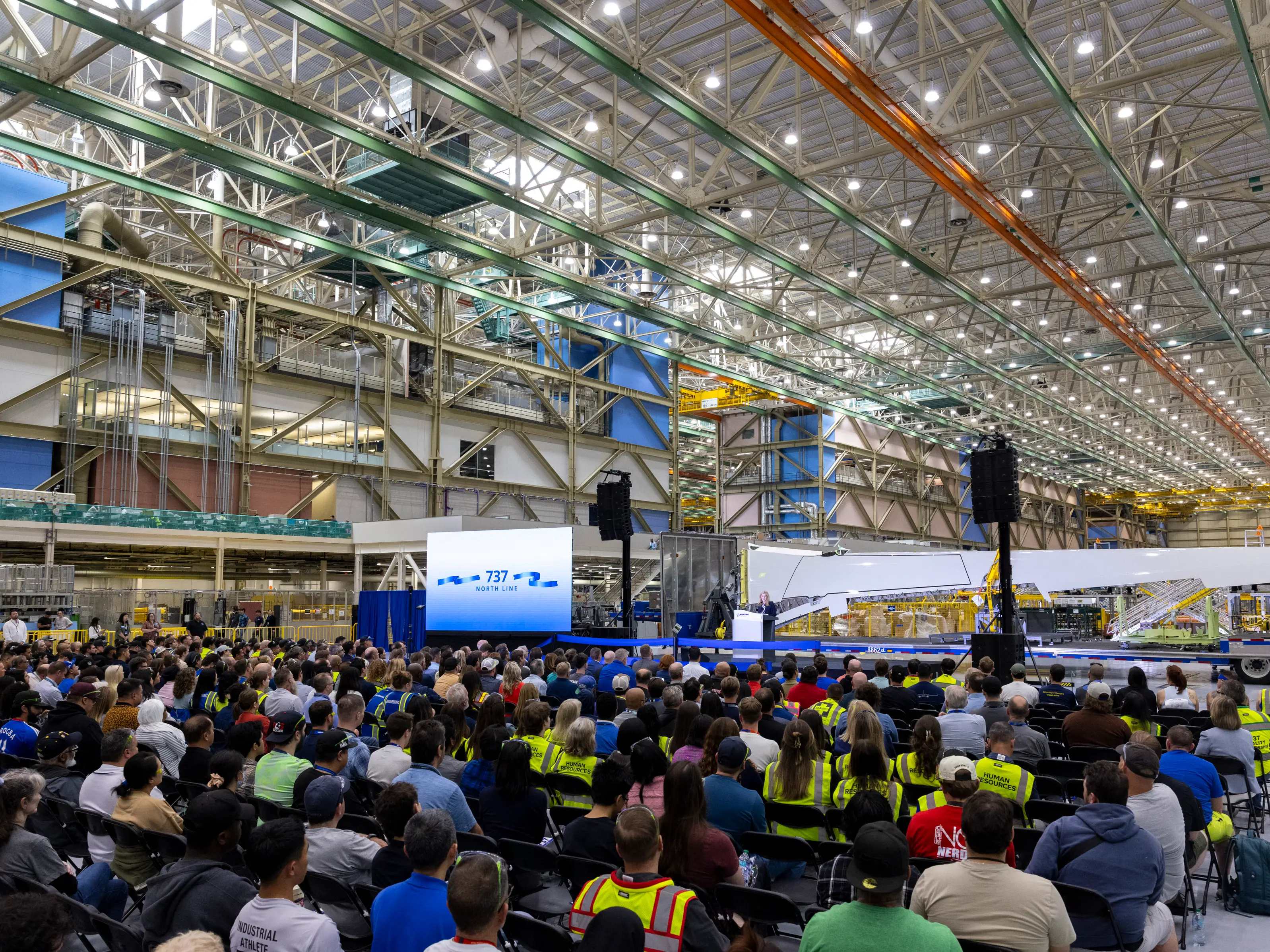)
American manufacturing is reshoring faster than its factory floors can absorb
&im=FitAndFill=(700,400))
New OTT releases this week (September 21-27, 2026): Shaque: Trust No One, Hunkkaar, Don’t Be Shy- 5 new titles coming to Netflix, Prime Video and more
)
Trump calls on nations to quit ‘rogue’ and ‘out-of-control’ International Criminal Court, rips UN
)
Who is Clavicular? The 20-year-old controversial 'Looksmaxxing' influencer charged with rape allegations
)
'This is normally what toddlers do': Why a psychiatrist is raising fresh questions about Trump’s recent behaviour
&im=FitAndFill=(700,400))
National Film Awards 2026: Kartik Aaryan, Mammootty, Yami Gautam, Randeep Hooda and other key winners
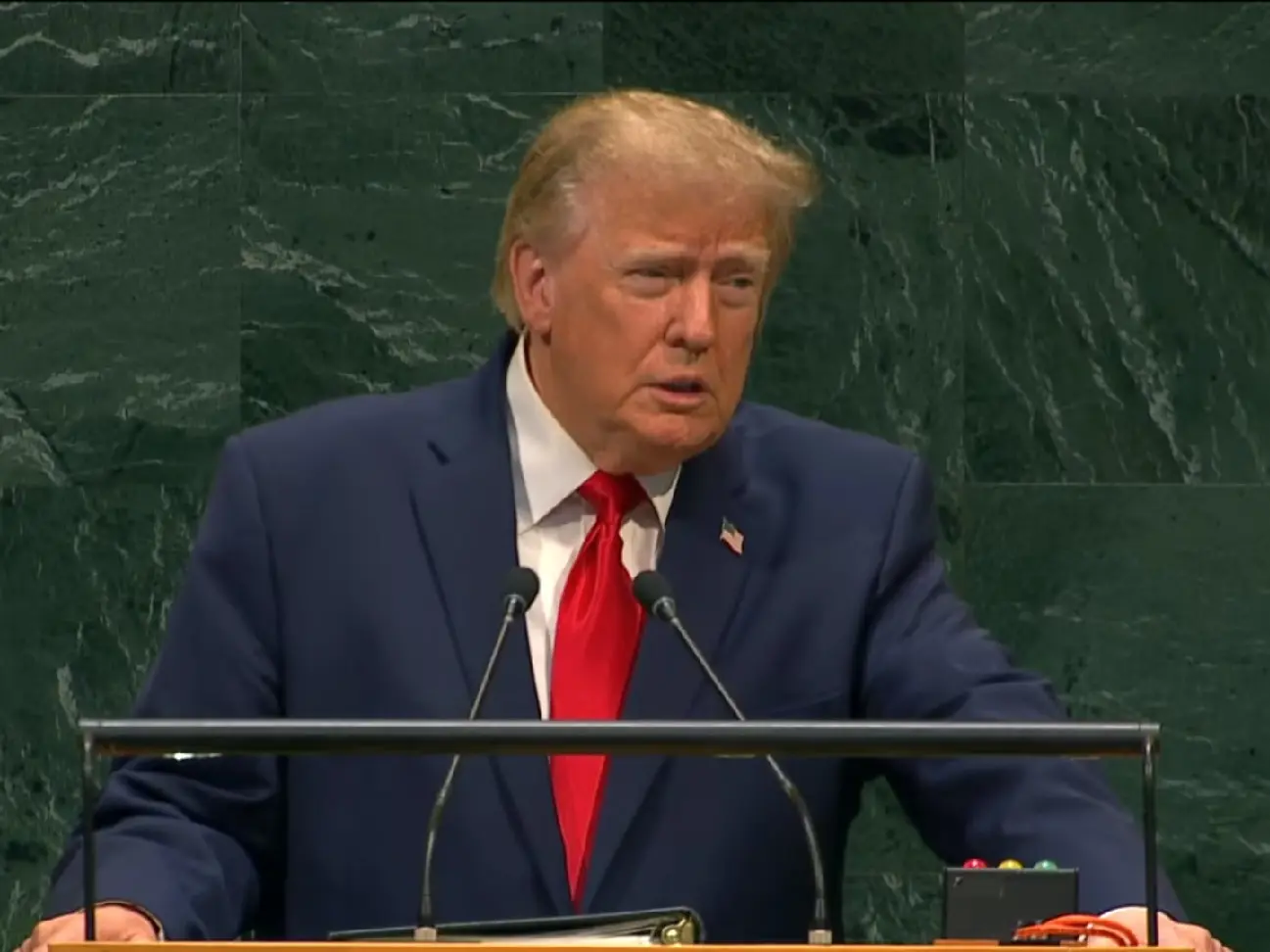)
‘Strike a deal or drive Iran into hell’: Trump issues fresh warning to Tehran at UNGA
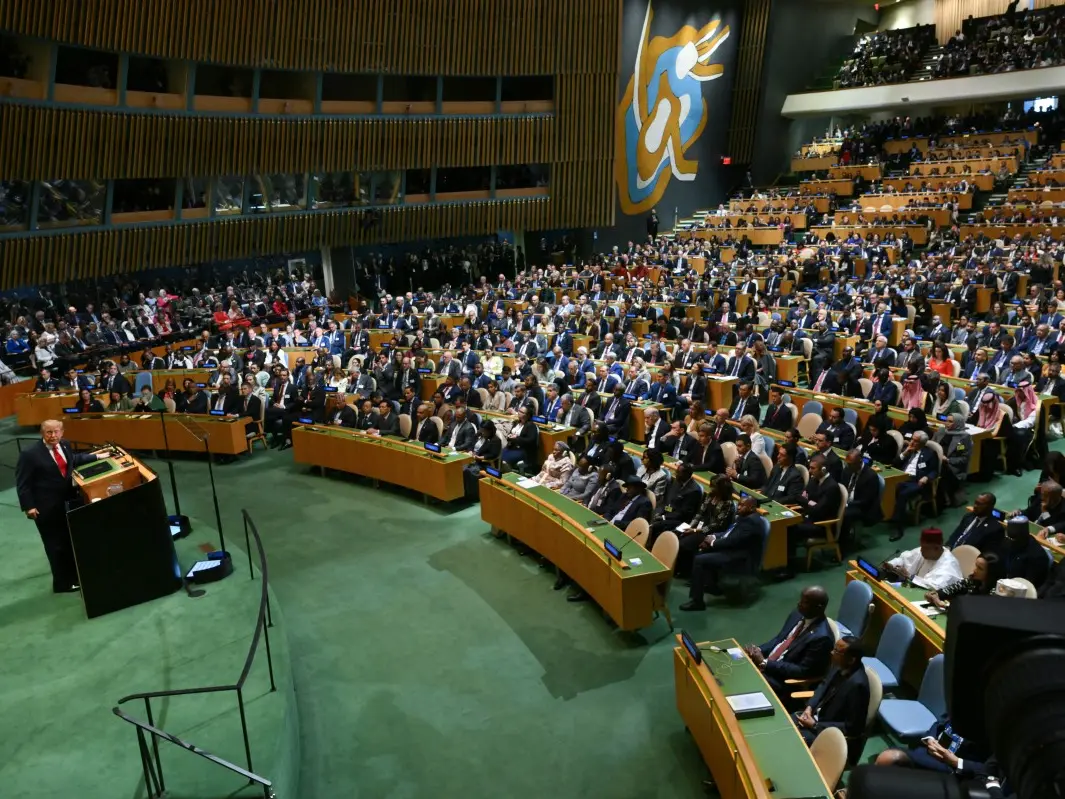)
Trump calls Cuba a ‘failed state’ at UN, Cuban delegation walks out
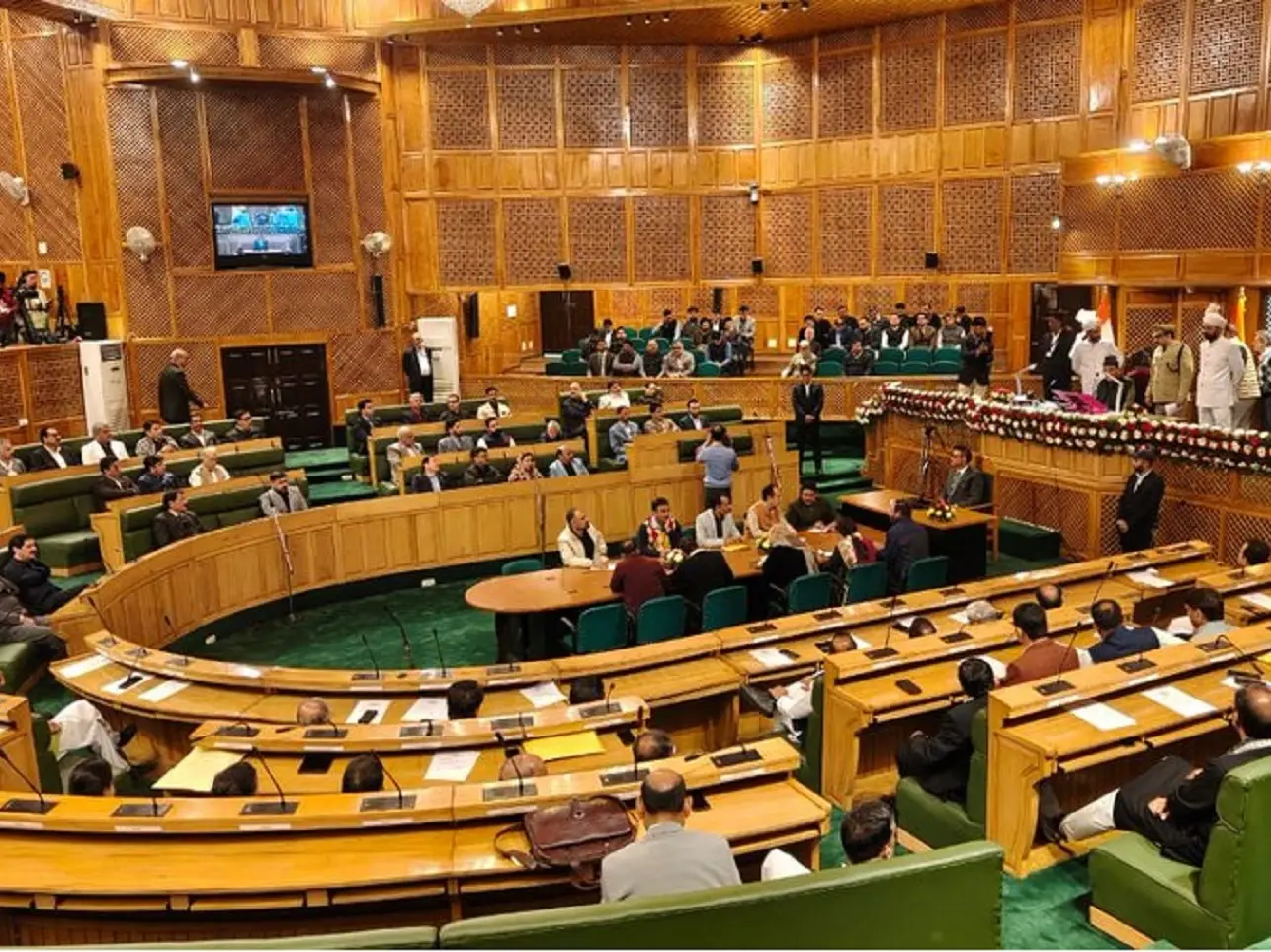)
Over 4,200 books withdrawn from circulation in J&K colleges, 94% from Kashmir
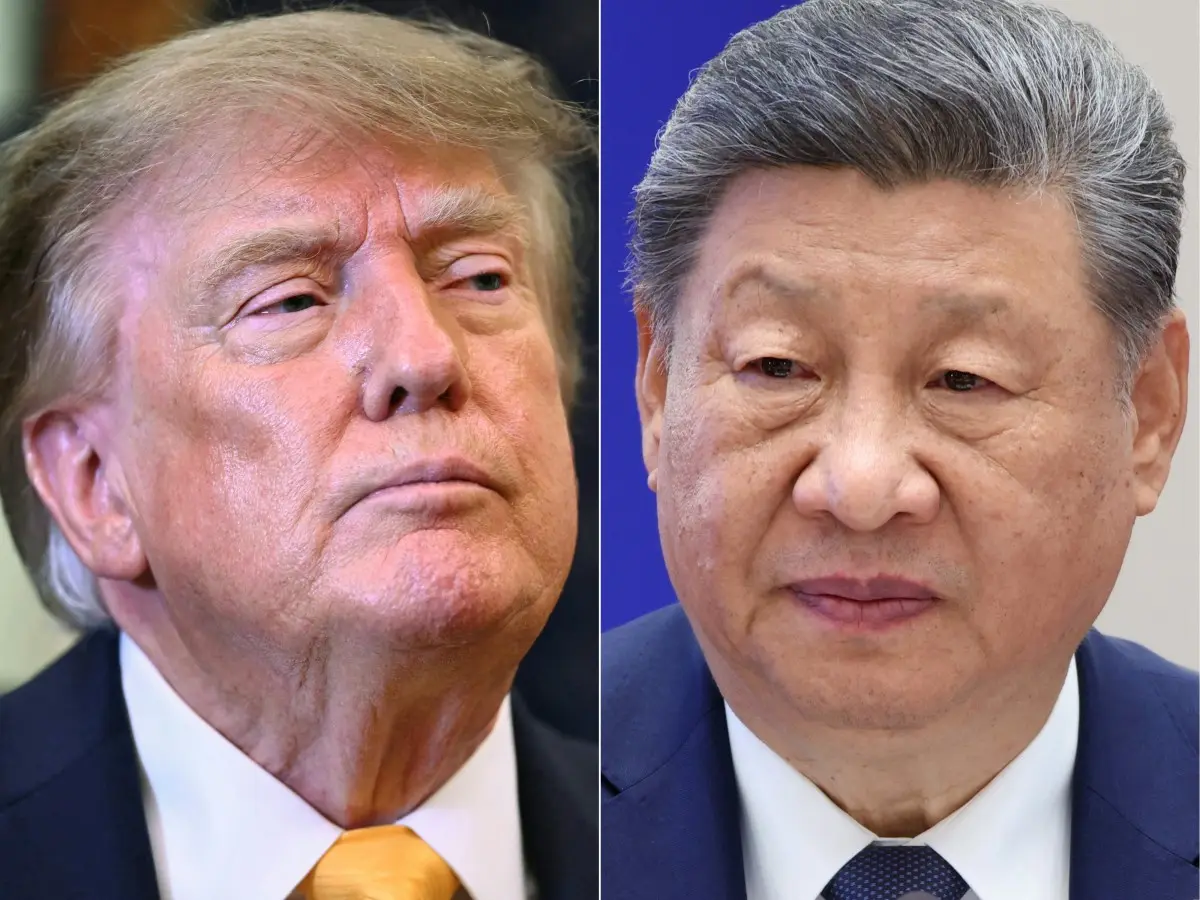)
Trump’s China visa crackdown puts US universities, Chinese students in focus ahead of Trump- Xi summit
)
Explainer: Why rare-earth export licences and Board of Trade are US priorities ahead of Trump-Xi summit
)
Oil slips to $98 as Saudi Arabia restarts East-West oil pipeline
)
‘Shame on you’: Netanyahu vows to ‘tell the truth’ about Mamdani at UN ahead of New York visit
The three companies, along with Microsoft – a key partner of OpenAI, have constituted their own industry group called the Frontier Model Forum.
Taking to X, LeCun said that he was worried that fearmongering from fellow scientists regarding AI “doomsday scenarios” has given a push to those people who want to ban open-source research and development.
“In a future where AI systems are poised to constitute the repository of all human knowledge and culture, we need the platforms to be open source and freely available so that everyone can contribute to them,” wrote LeCun. “Openness is the only way to make AI platforms reflect the entirety of human knowledge and culture,” he added.
(With inputs from agencies)