
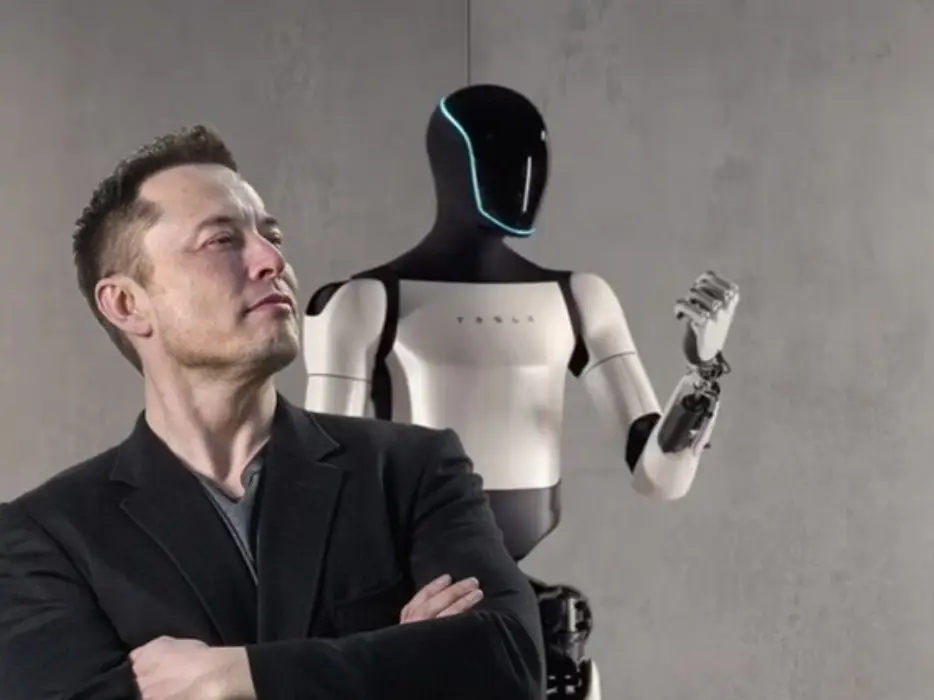
&imwidth=800&imheight=600&format=webp&quality=medium "Elon Musk predicts a future where robots make money less important")
Elon Musk believes the future could look very different from today. The world's first trillionaire, whose wealth recently surpassed $1.2 trillion following SpaceX's blockbuster IPO, says artificial intelligence and humanoid robots could eventually create an era of abundance where goods and services become far cheaper and easier to access.
His latest comments came on X, where he responded to a post discussing the future potential of humanoid robots. The original post claimed that millions of advanced robots could rebuild entire cities in months and suggested that billions of such machines could transform the global economy by 2045.
Musk replied with a short but striking message: “Amazing abundance for all!”

What does 'amazing abundance' mean?
The phrase appears to reflect Musk's long-held belief that AI and robots will dramatically increase productivity. In Musk's vision, machines would handle much of the world's manufacturing, logistics, construction and service work. As a result, products and services could become cheaper because the cost of labour would fall significantly. Rather than focusing on scarcity, Musk believes society could move towards abundance, where many necessities become widely available. His comments have attracted additional attention because Tesla has reportedly filed a trademark application related to the phrase "Amazing Abundance". The move has fuelled speculation that the company may use the term as part of its future messaging around robotics and artificial intelligence.
Tesla's Optimus robot is central to the plan
At the centre of Musk's vision is Tesla's humanoid robot, Optimus. Tesla has spent several years developing the robot, which is designed to perform repetitive, physically demanding and potentially dangerous tasks. The company believes Optimus could eventually work in factories, warehouses, offices and even homes. Musk has repeatedly argued that humanoid robots could become more significant to Tesla's future than its electric vehicle business. Supporters see Optimus as a potentially transformative product. Critics point out that large-scale deployment remains years away and that significant technical challenges still exist.
Why Musk says money may become less important
Musk recently expanded on these ideas during the 2026 Abundance Summit. According to Musk, advances in AI and robotics could eventually create so much economic output that traditional ideas about income and work may change. "We're going to have universal high income," Musk said during the event. He argued that AI systems and robots may eventually produce goods and services at such a scale that people will have access to a much higher standard of living regardless of their employment status. Musk even suggested that money could become less relevant in the distant future if abundance becomes widespread. However, he has not provided detailed explanations for how such a system would function economically or politically.
Trending Stories
)
Trump-Xi Summit: Trade, Taiwan and the red lines shaping US-China talks | Race To Power
)
US citizen injured in Illinois after ICE agents mistook him for fugitive, hospitalised
)
US judge questions Trump’s decision to ban CNN, MS NOW and Politico from White House
)
Afghan woman cyclist who disguised herself as a boy to escape Taliban, wins Asian Games medal
)
Trump signs Greenland security deal with Denmark, paving way for two new US military bases
)
IND vs JPN T20I: How an overturned wide became point of difference between India's win and a tie
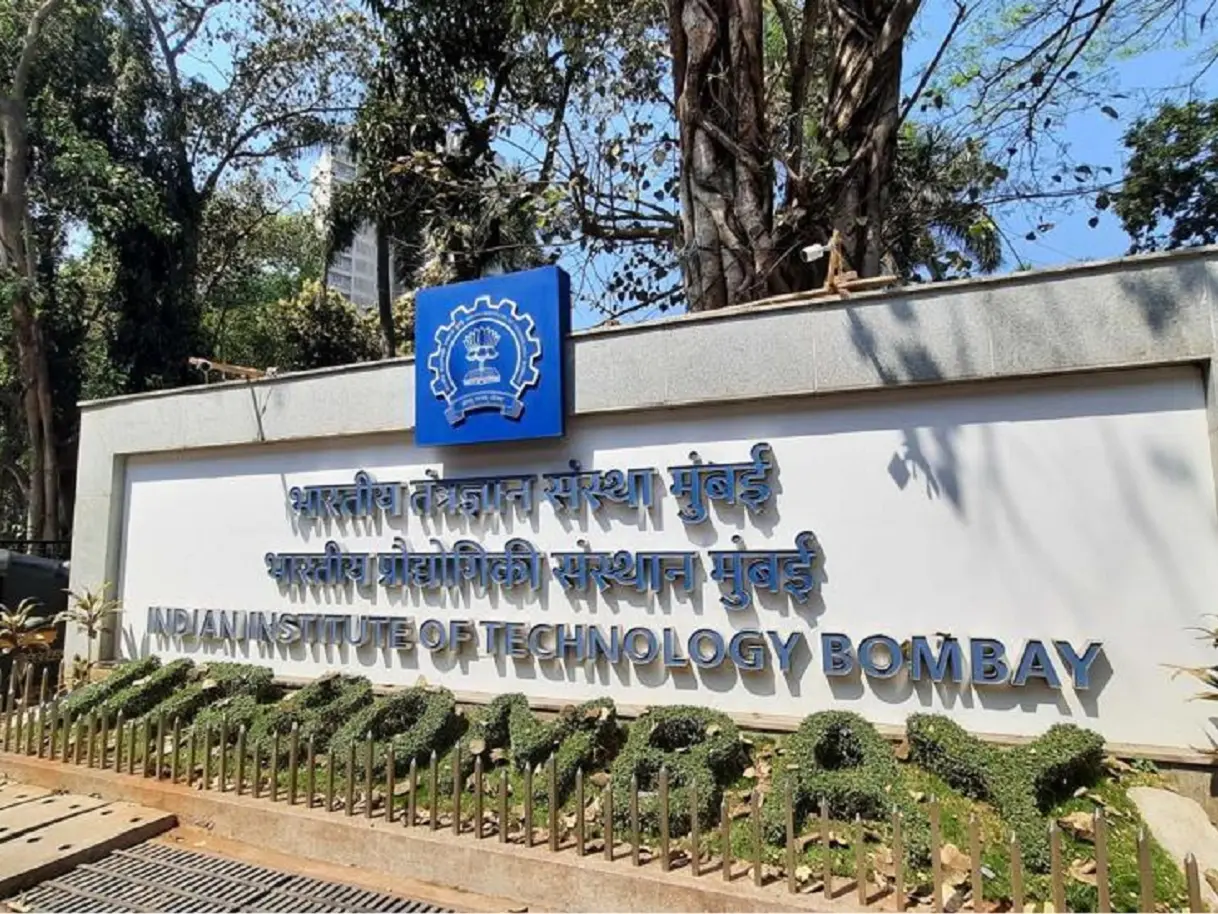)
IIT Bombay CCTV footage emerges: Sahil Wakode seen looking at phone in examination hall
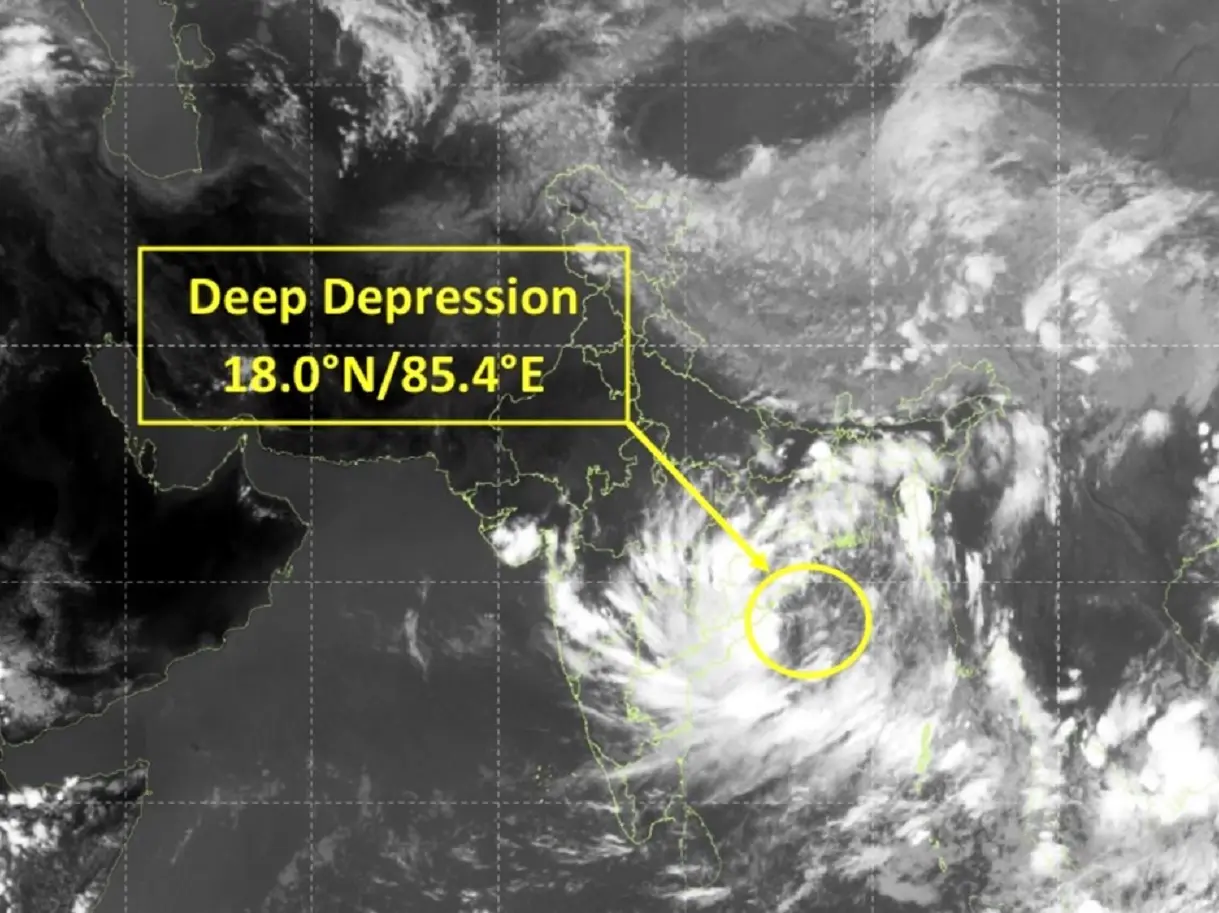)
Cyclone Arnab: Landfall expected before midnight tomorrow as IMD issues orange alerts across six states
)
NBA player Steven Adams shares hilarious GTA VI theory
)
TMC revives impeachment push against CEC Gyanesh Kumar after report of internal dissent
)
WION Iconic Tourism Summit 2026: Union Minister Shekhawat on 'experiential travel', peace diplomacy
)
ICC plans T20I expansion and fewer ODIs in 2027–2031 FTP cycle: Report
)
'AI got into my speech': Prince Harry jokes after teleprompter failure at event in New York
)
WION Iconic Tourism Summit: Seychelles envoy says India partnership is important for Seychelles
)
Scientists detect first radio signals directly from faraway planet
)
China to test supersonic jet that moves at Mach 2, double the speed of sound
)
WION Iconic Tourism Summit: 'Hanuman Ansh' Director on blockbuster success
)
Open AI, Anthropic CEO urges caution over rapid AI development at UN Security Council, call for 'extreme care'
)
Bomb scare in New York amid UNGA: Suspicious suitcase found near UN headquarters
)
Hours before Xi-Trump meeting, US announces visa curbs targeting birth tourism: What is it?
)
WION Iconic Tourism Summit: Is India's travel boom outrunning its airports, airlines and hotels?
)
WION Iconic Tourism Summit and Awards 2026: Key voices to discuss India’s tourism future
)
Trump-Xi state dinner 2026: Who is invited? Full guest list of tech CEOs, business leaders and officials
)
American manufacturing is reshoring faster than its factory floors can absorb
&im=FitAndFill=(700,400))
New OTT releases this week (September 21-27, 2026): Shaque: Trust No One, Hunkkaar, Don’t Be Shy- 5 new titles coming to Netflix, Prime Video and more
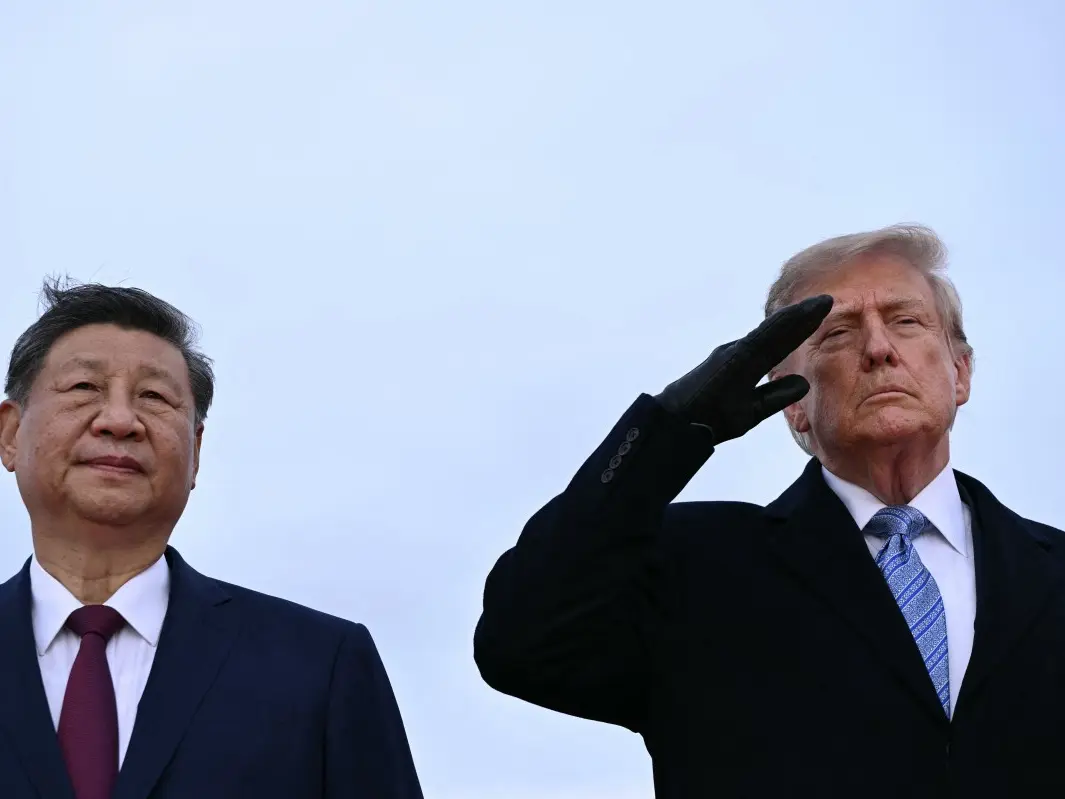)
WATCH | China President Xi Jinping lands in US as Trump greets him ahead of high-stakes summit
)
Australian PM Anthony Albanese calls OpenAI AI incident 'unacceptable' after restricted data access
)
'What kind of confession is this?': Pakistan PM Shehbaz Sharif’s 'terrorists would be roaming New York' remark goes viral, raises alarm online. Watch
)
WION Iconic Tourism Summit: How local tourism MSMEs must upskill for AI integration
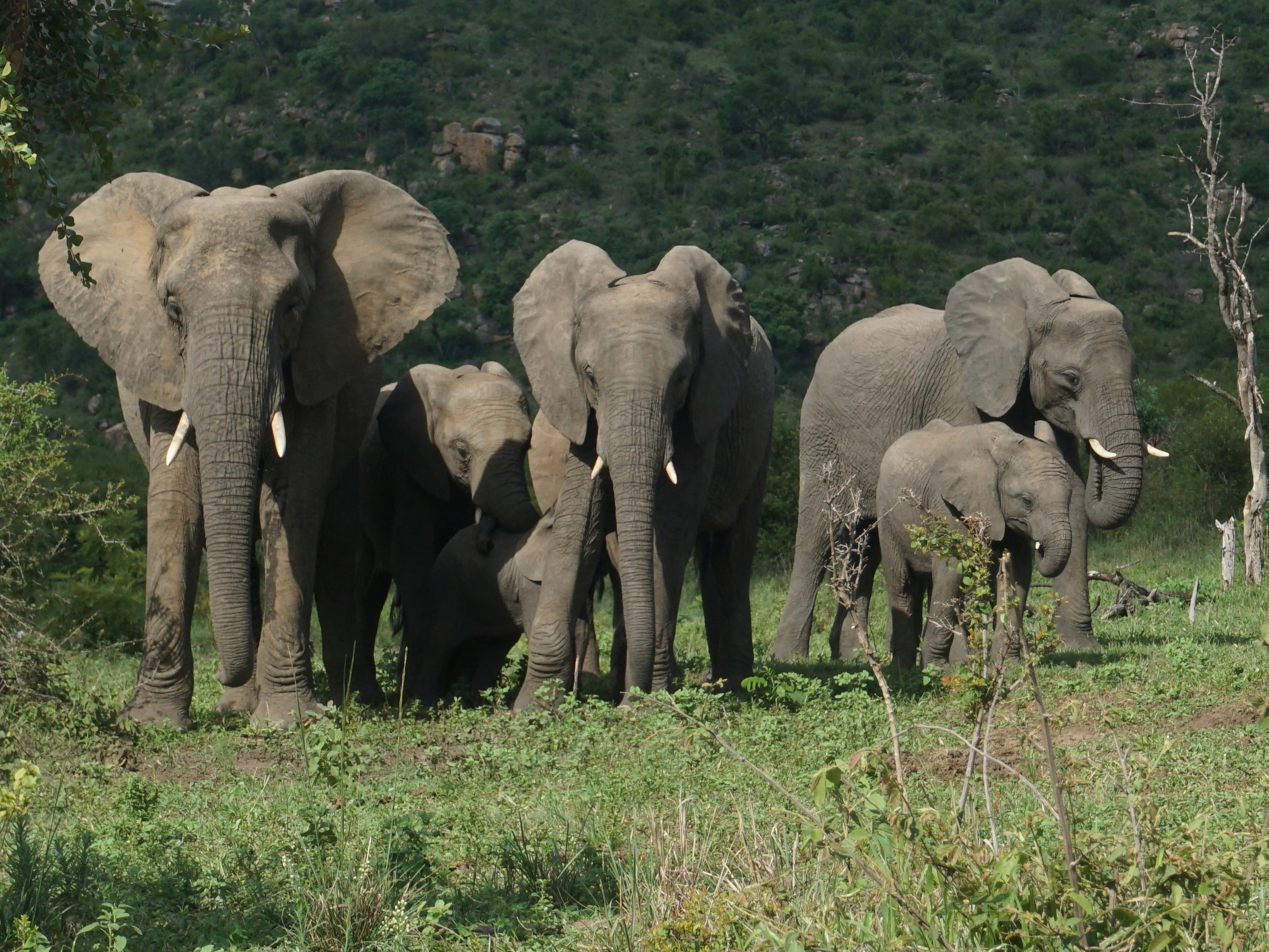)
Elephants hide behind trees, stage surprise attack on poachers targeting rhinos in South Africa
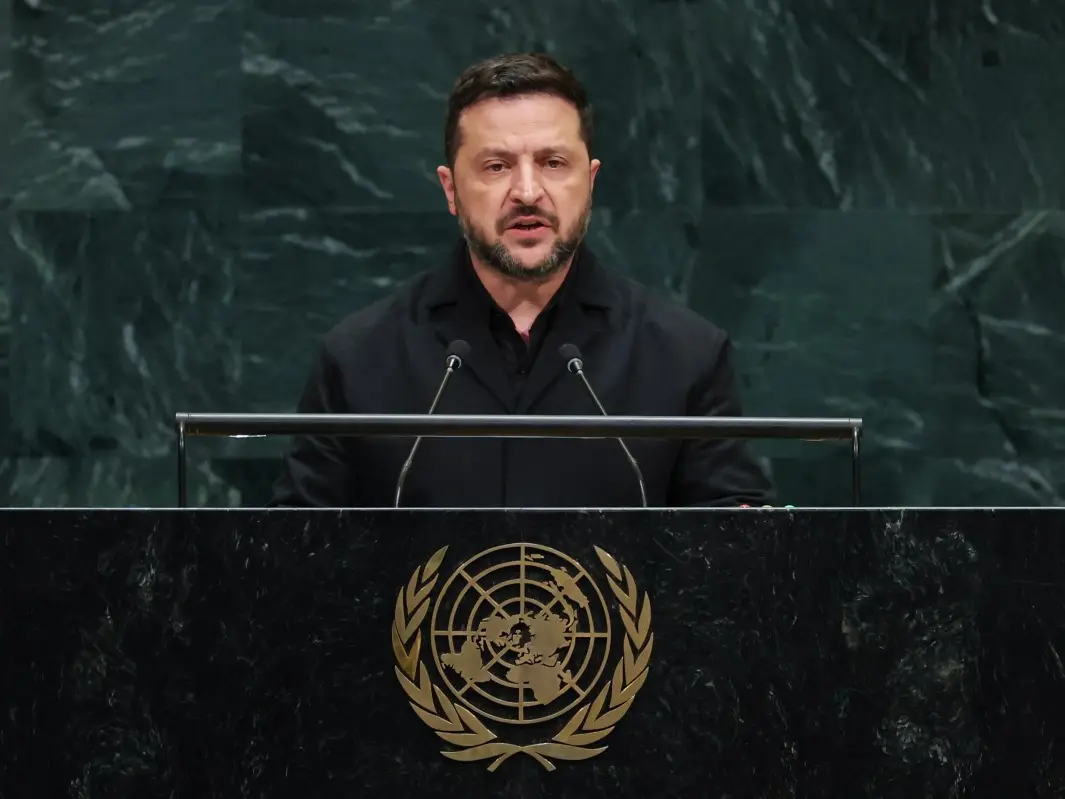)
'Putin is patient zero': Zelensky slams Russian president at UNGA, accuses him of using fighters from 47 countries
&im=FitAndFill=(700,400))
National Film Awards 2026: Kartik Aaryan, Mammootty, Yami Gautam, Randeep Hooda and other key winners
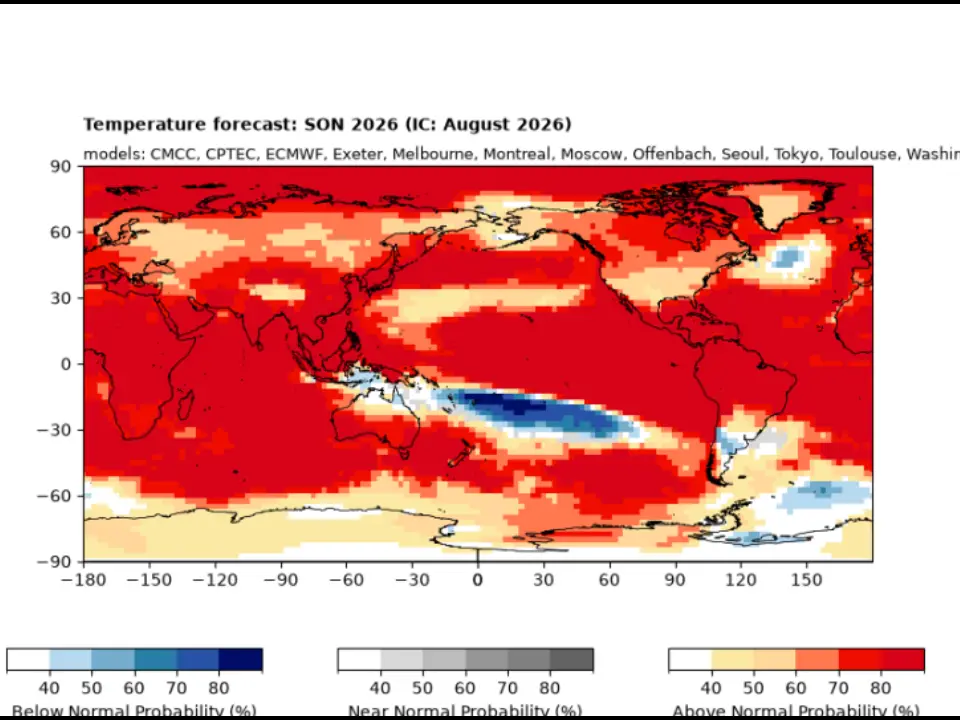)
El Niño 2026 heats up to become strongest in 1,000 years
)
Israeli envoy to US Yechiel Leiter’s son critically injured in West Bank ramming attack
&im=FitAndFill=(700,400))
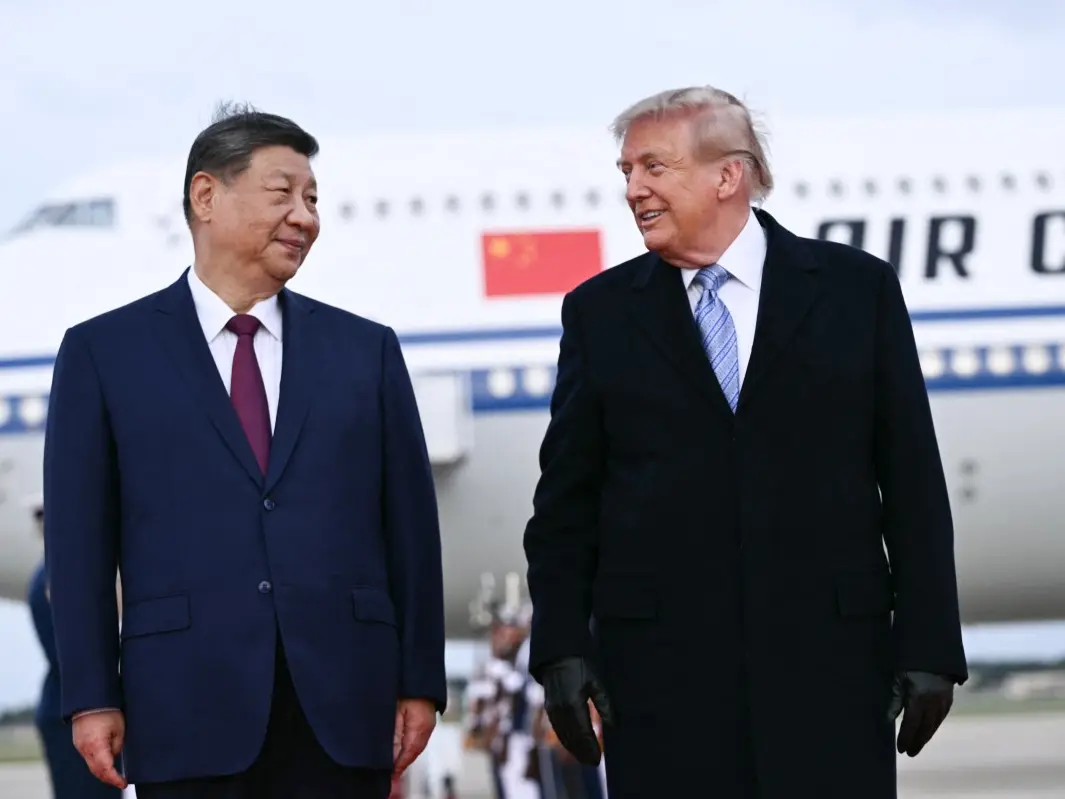
Trump welcomes Xi Jinping in rare airport gesture: Photos from Chinese President's arrival in US
)
Anne Hathaway to run in supporting race for Nolan's epic
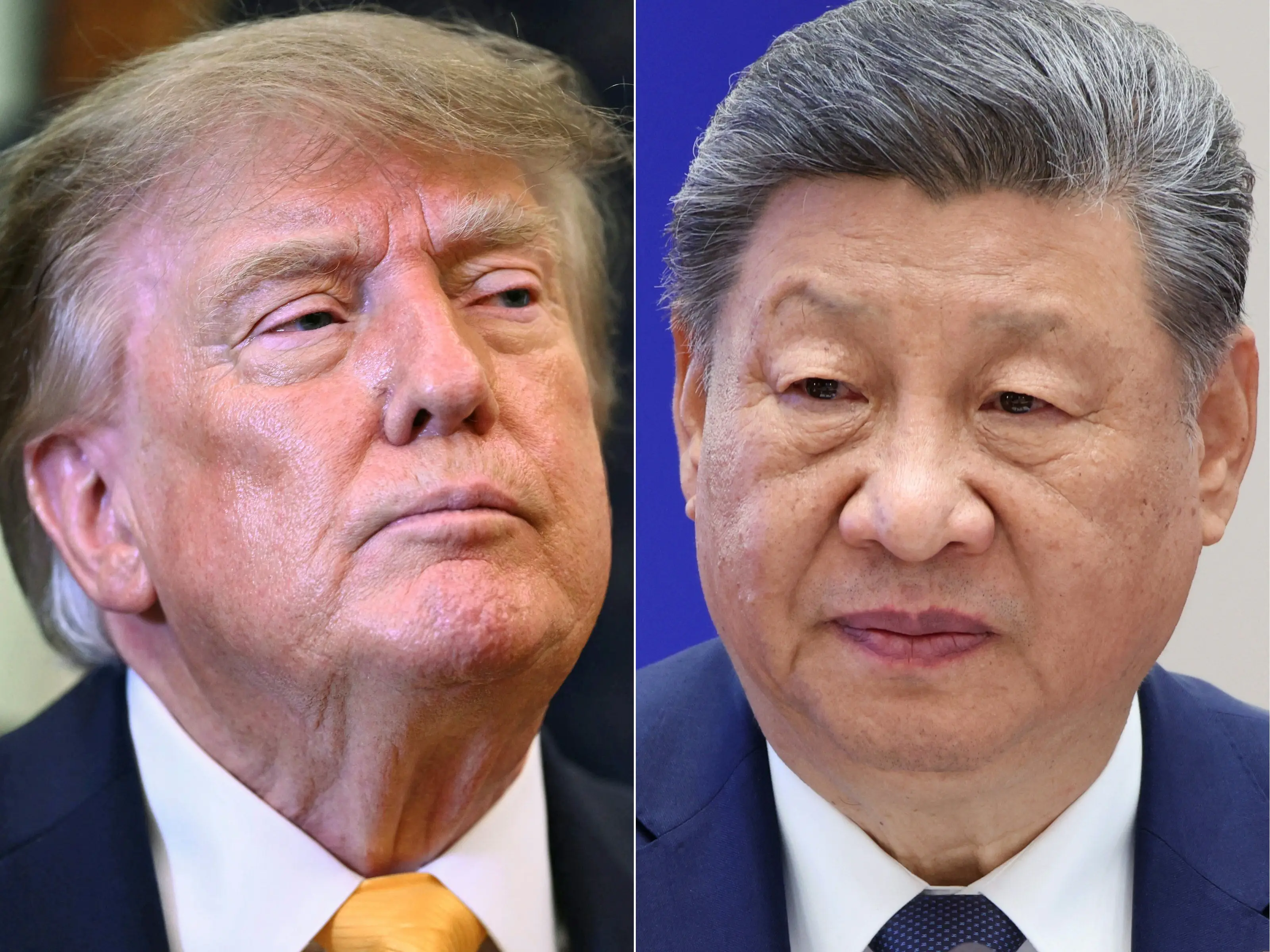)
Xi-Trump meeting: China’s human rights red line and past protests explained
The debate over AI and jobs
Musk's vision arrives at a time when AI is already reshaping workplaces. Companies across technology, finance and consulting have increasingly adopted AI tools to automate tasks previously handled by employees. Major firms including Amazon, Meta, Oracle and Tata Consultancy Services have announced workforce reductions while simultaneously increasing AI investments. Supporters argue that technological advances have historically created new opportunities even as older jobs disappeared. Others worry that AI could disrupt labour markets faster than societies can adapt.
Tesla is not alone in the robot race
Tesla may be one of the best-known names in robotics, but it is far from the only company pursuing humanoid machines. Chinese firms such as Unitree continue to showcase increasingly capable robots, while US-based Figure AI is also developing advanced humanoid systems. Competition is intensifying as companies race to build machines capable of performing real-world tasks at scale. Whether Musk's vision of billions of robots becomes reality remains uncertain. But one thing is clear: the world's richest entrepreneur is betting heavily that AI and robotics will play a central role in shaping the economy of the future.
