Apple vs Android: Why does Apple sell fewer phones than Android but make more money?

&imwidth=600&imheight=450&format=webp&quality=medium "Apple vs Android: Why does Apple sell fewer phones than Android but make more money?")
Why does Apple sell fewer phones than Android but make more money?
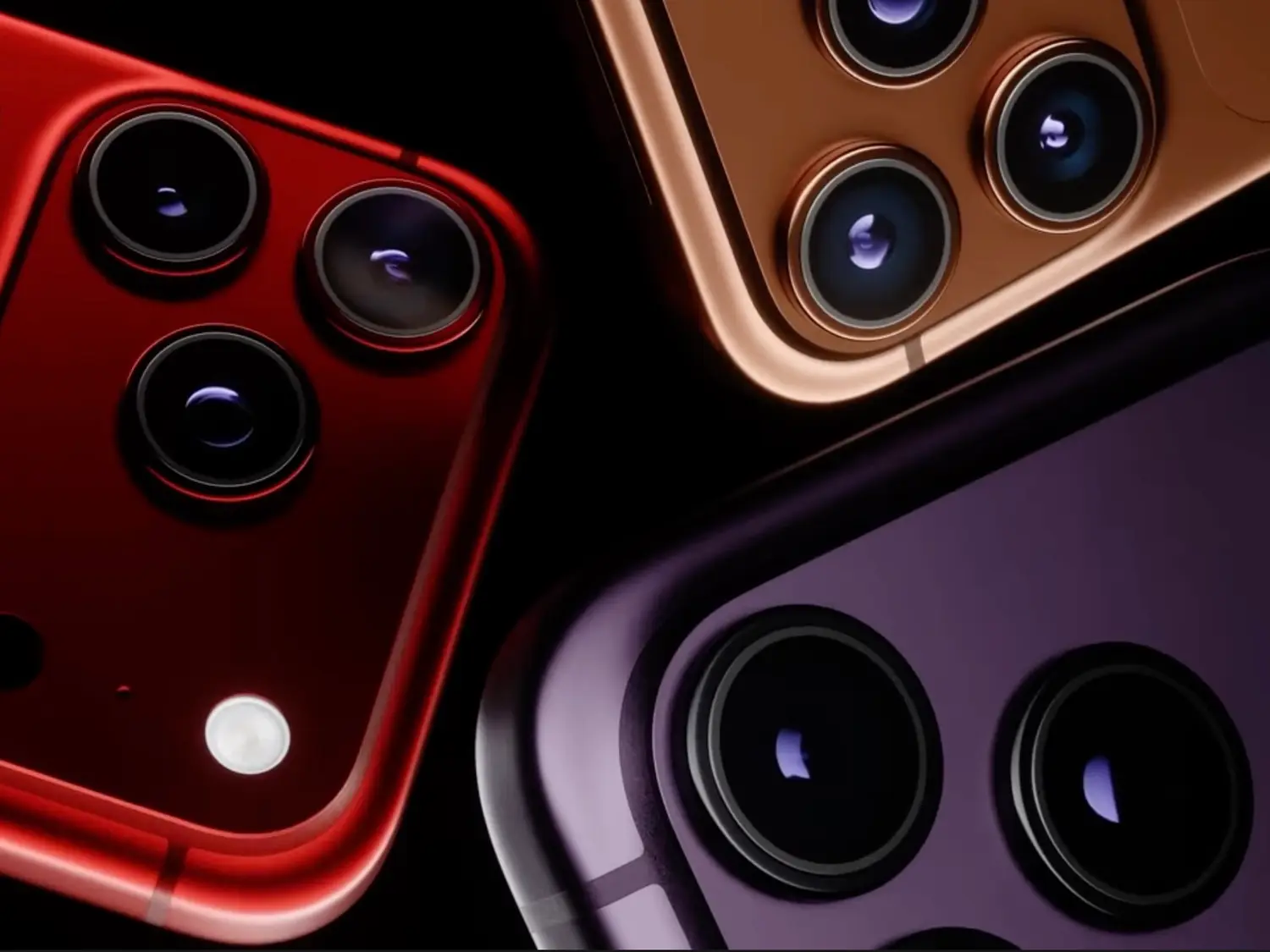
Android powers most smartphones worldwide, but Apple earns the largest share of industry profits. Premium pricing, strong customer loyalty, a connected ecosystem and fast-growing services help Apple make more money despite selling fewer phones.
When people look at smartphone market share, Android appears to be the clear winner. Google's operating system powers around 70 per cent of smartphones worldwide, while Apple's iPhone accounts for a much smaller share. Yet year after year, Apple earns far more profit than most Android phone makers combined. So how does the company achieve this despite selling fewer phones?
The answer lies in Apple's premium strategy, ecosystem and growing services business.
Apple focuses on premium phones
Unlike Android, which includes hundreds of manufacturers selling phones across every price range, Apple mainly targets the premium segment. Many Android brands compete aggressively in the budget and mid-range markets, where profit margins are often very small. Apple, on the other hand, sells most iPhones at premium prices. That means it earns significantly more profit from every device it sells. Industry analysts at Counterpoint Research have repeatedly reported that Apple captures the majority of global smartphone operating profits despite shipping fewer devices than the Android ecosystem.
The iPhone is only the beginning
Apple also makes money long after someone buys an iPhone. Many users subscribe to services such as iCloud+, Apple Music, Apple TV+, Apple Arcade and AppleCare. The company also earns revenue through the App Store, where developers pay commissions on many digital purchases. This creates recurring income that continues for years after the original phone sale.
Trending Stories
&imwidth=280&imheight=210&format=webp&quality=medium)
&imwidth=280&imheight=210&format=webp&quality=medium)
&im=FitAndFill=(700,400)&imwidth=280&imheight=210&format=webp&quality=medium)
&imwidth=280&imheight=210&format=webp&quality=medium)
&imwidth=280&imheight=210&format=webp&quality=medium)
&imwidth=280&imheight=210&format=webp&quality=medium)
&im=FitAndFill=(700,400)&imwidth=280&imheight=210&format=webp&quality=medium)
&imwidth=280&imheight=210&format=webp&quality=medium)
&imwidth=280&imheight=210&format=webp&quality=medium)
&imwidth=280&imheight=210&format=webp&quality=medium)
&imwidth=280&imheight=210&format=webp&quality=medium)
&imwidth=280&imheight=210&format=webp&quality=medium)
&imwidth=280&imheight=210&format=webp&quality=medium)
&imwidth=280&imheight=210&format=webp&quality=medium)
&imwidth=280&imheight=210&format=webp&quality=medium)
&imwidth=280&imheight=210&format=webp&quality=medium)
&imwidth=280&imheight=210&format=webp&quality=medium)
&imwidth=280&imheight=210&format=webp&quality=medium)
&im=FitAndFill=(700,400)&imwidth=280&imheight=210&format=webp&quality=medium)
&imwidth=280&imheight=210&format=webp&quality=medium)
&imwidth=280&imheight=210&format=webp&quality=medium)
&imwidth=280&imheight=210&format=webp&quality=medium)
&imwidth=280&imheight=210&format=webp&quality=medium)
&imwidth=280&imheight=210&format=webp&quality=medium)
&imwidth=280&imheight=210&format=webp&quality=medium)
&imwidth=280&imheight=210&format=webp&quality=medium)
&imwidth=280&imheight=210&format=webp&quality=medium)
&imwidth=280&imheight=210&format=webp&quality=medium)
&imwidth=280&imheight=210&format=webp&quality=medium)
&imwidth=280&imheight=210&format=webp&quality=medium)
&imwidth=280&imheight=210&format=webp&quality=medium)
&imwidth=280&imheight=210&format=webp&quality=medium)
&imwidth=280&imheight=210&format=webp&quality=medium)
&imwidth=280&imheight=210&format=webp&quality=medium)
&imwidth=280&imheight=210&format=webp&quality=medium)
&imwidth=280&imheight=210&format=webp&quality=medium)
The Apple ecosystem keeps users loyal
Another reason is customer retention.
Many iPhone users also own an Apple Watch, AirPods, iPad or Mac. These devices work together through features like AirDrop, Handoff, iCloud synchronisation and Continuity. Because everything is connected, customers are more likely to remain within Apple's ecosystem when buying their next device. This loyalty reduces marketing costs and helps Apple maintain strong demand even without leading global shipment volumes.
Profit matters more than market share
Selling the most devices does not always mean earning the most money. Android's large market share comes from many companies competing across different price points, while Apple focuses on fewer models with higher average selling prices. Combined with services revenue, strong brand loyalty and efficient hardware-software integration, this strategy allows Apple to generate industry-leading profits even with fewer smartphone shipments. For Apple, success has never been about selling the most phones it has been about creating long-term value from every customer.
