
&imwidth=800&imheight=600&format=webp&quality=medium "AI in Fashion designing: Will AI decide what you wear next?")
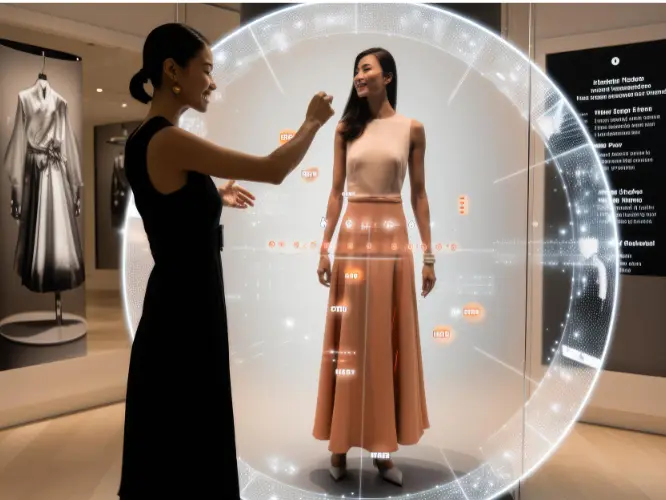
Artificial intelligence (AI) is quietly becoming a designer in the fashion world. From predicting trends to creating sketches, AI tools are changing how clothes are imagined, made and sold.
According to a report by McKinsey & Company, AI is expected to add up to $150 billion to the global fashion and luxury industry over the next few years. By analysing data from social media, online shopping, and fashion archives, AI can identify upcoming styles and suggest what people might want to wear next.
How AI Predicts Fashion Trends

AI algorithms can scan millions of images and posts from platforms like Instagram, TikTok and e-commerce websites. They then identify patterns such as colours, cuts or fabrics gaining popularity. A study in Fashion and Textiles Journal explained that machine learning can forecast how long a micro-trend will last and when it might peak.
For designers, this means faster insights. Instead of waiting for seasonal reports, AI provides real-time updates. This shortens the cycle between inspiration and production.
Designing with Algorithms
Trending Stories
)
What’s in a name? Trump’s 'Lake America' move gets a tit-for-tat response from Canada
)
Outrage erupts after 3-year-old is married to 60-year-old man in Pakistan, link to her sister's murder being probed
)
Trump gifts Xi a bald eagle sculpture at White House dinner: Here’s what it symbolises
)
‘Not just a local tragedy’: Nepal PM Shah warns UN of growing climate threat, says Nepal floods were 'a warning to the world'
)
Farhan, who went viral for AK47 celebration vs India in Asia Cup, hopes to lead Pakistan beyond Asian Games
)
CNN, Politico and MS NOW back in White House after judge blocks Trump’s media ban
)
India-New Zealand FTA is ‘an expression of trust’, NZ High Commissioner Patrick John Rata says
Don't Be Shy movie review: A frothy coming-of-age tale that is too shy to experiment
)
Park Ji Hyun makes history as first Korean actress nominated for International Emmy
)
Tesla is preparing something big for Optimus: new Gen 3 models surface in app
)
Bias or safety concerns? Bengaluru CEO says firm will not hire men from UP, Bihar, Rajasthan, MP. Here's why
)
Trump's welcome to Xi demonstrates 'attraction' to dictators: Chuck Schumer
)
Nations League: Germany draw on Klopp debut; Portugal, Norway win
)
WION Iconic Tourism Summit 2026: Union Minister Shekhawat on 'experiential travel', peace diplomacy
)
Scientists detect first radio signals directly from faraway planet
)
A seven-day roadmap? Iran proposes plan to end war, reopen Strait of Hormuz and resume nuclear talks
)
The Vvaan Review: This Ekta Kapoor's Tulsi Virani-coded world can't be saved by Sidharth Malhotra and Tamannaah Bhatia
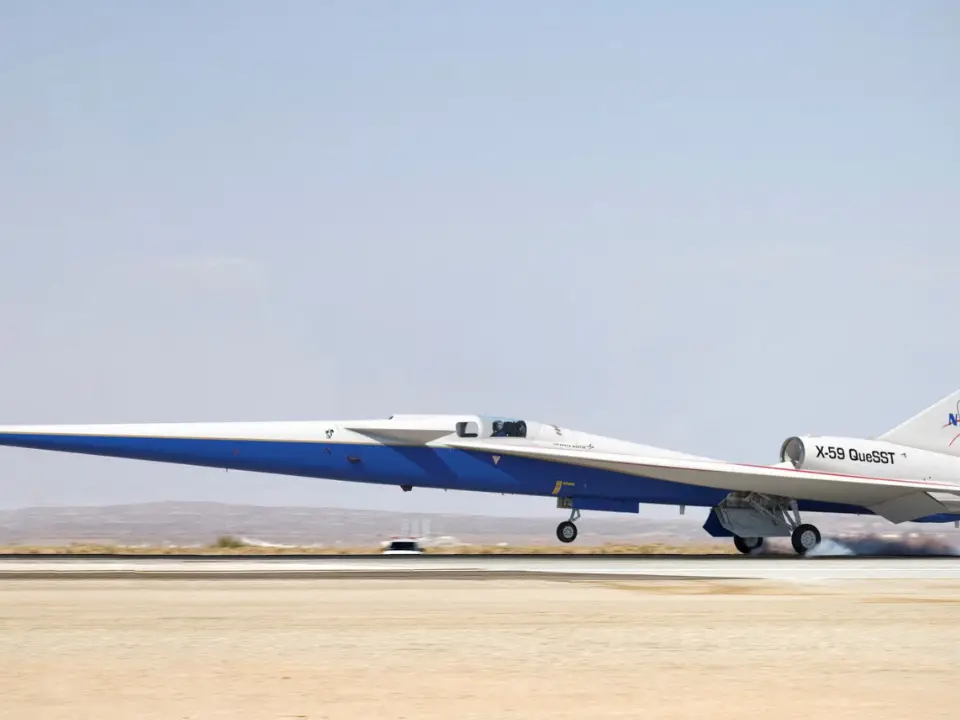)
China to test supersonic jet that moves at Mach 2, double the speed of sound
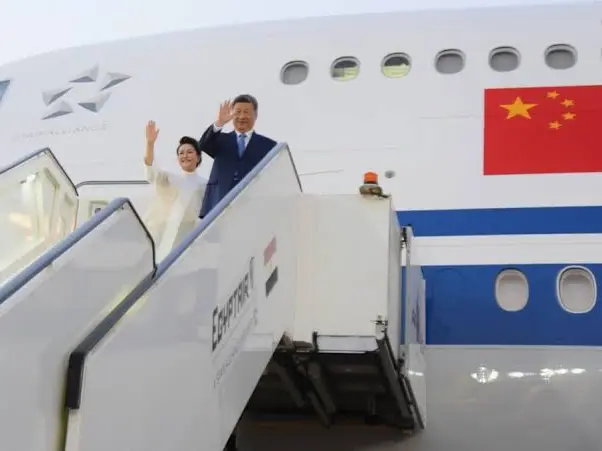)
Xi Jinping's 'special plane' vs Trump's Air Force One: What's the difference?
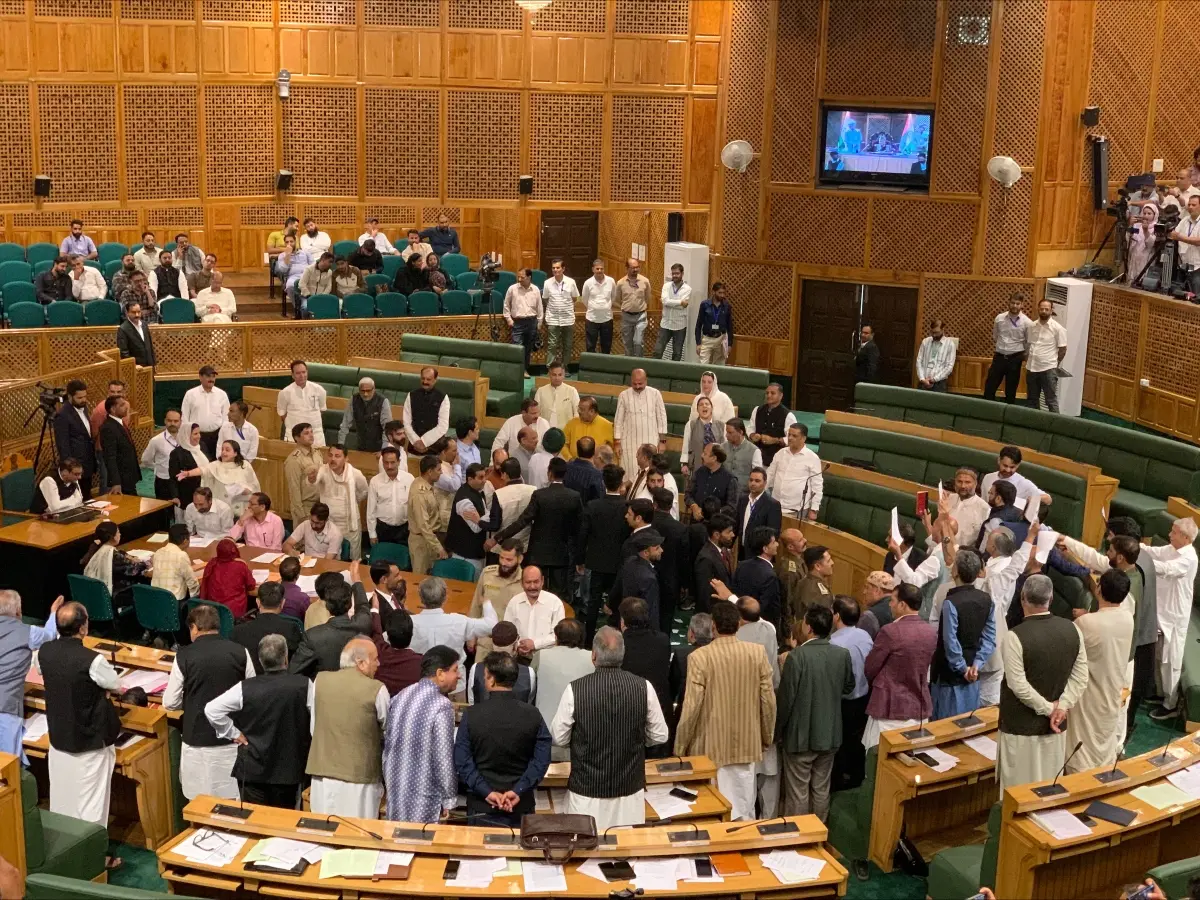)
Ruckus in J&K Assembly over statehood resolution; BJP leaders enter well of house
)
UNGA 2026: Israeli PM attacks Britain, France for past colonialism
)
West Indies coach Sammy looking at India series as opportunity to finetune ahead of ODI World Cup 2027 qualifiers
)
‘We’ve never gotten along better’: Trump praises Xi, jokes about White House ballroom at high-stakes state dinner
)
Air India pilot suspended after failing pre-flight alcohol test on Zurich-Delhi route
)
Yemen called Trump for US military support in fight against Houthis: Official
)
Meet Adrian Abraham: 9-year-old Indian-origin guitar prodigy aiming for a Guinness World Record
)
US faces fresh cost crunch as mortgage rates hit 7%, oil tops $107 and gas prices surge
)
'Blockbuster' nor'easter develops an eye similar to hurricanes as warnings are issued
)
WATCH: Pak PM Shehbaz Sharif refuses to answer on Hafeez Sayeed, walks away
)
OpenAI is building AI to fight cyber threats: What GPT-6 Cyber means for security
)
'Making history': Xi Jinping praises Trump as US-China leaders dine at White House
)
'What kind of confession is this?': Pakistan PM Shehbaz Sharif’s 'terrorists would be roaming New York' remark goes viral, raises alarm online. Watch
&im=FitAndFill=(700,400))
Netanyahu at UN: Mass walkout, attack on Mamdani and Iran threats | In Pics
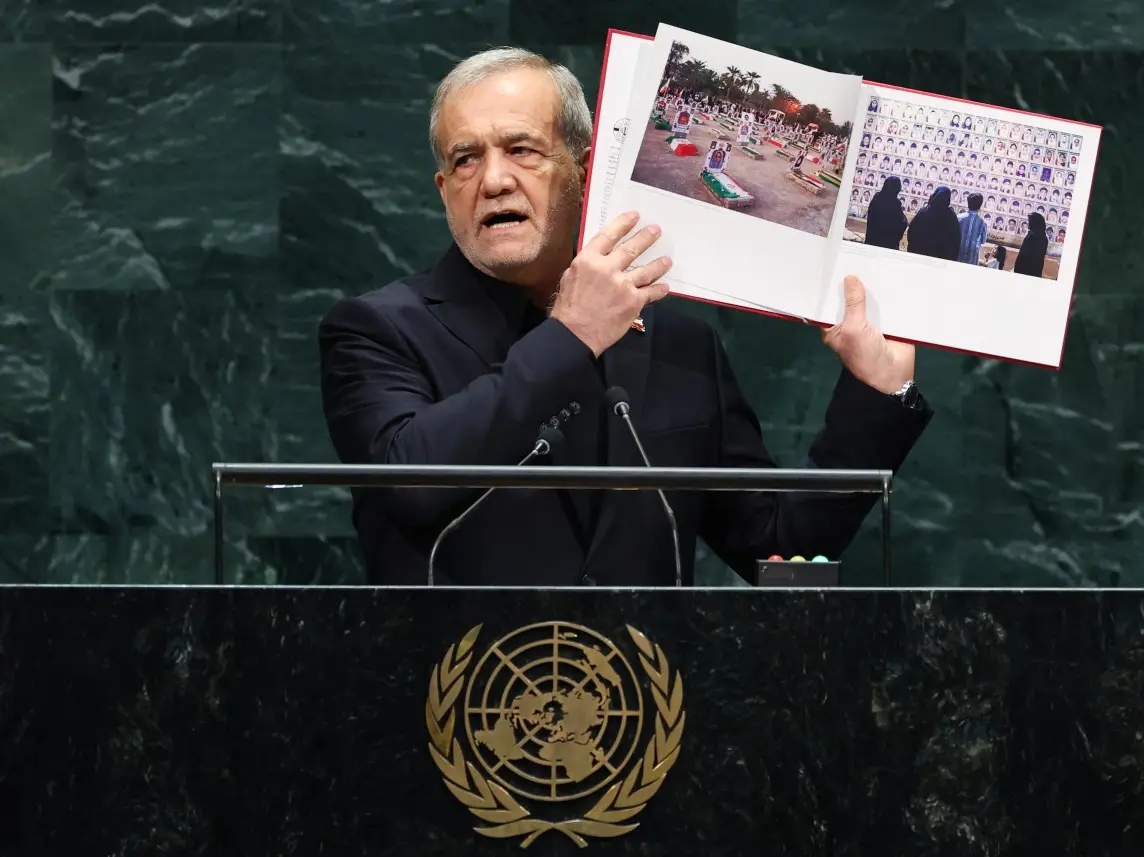)
'We do not wish to continue. It's America that must choose': Iran president Pezeshkian calls on US to end war
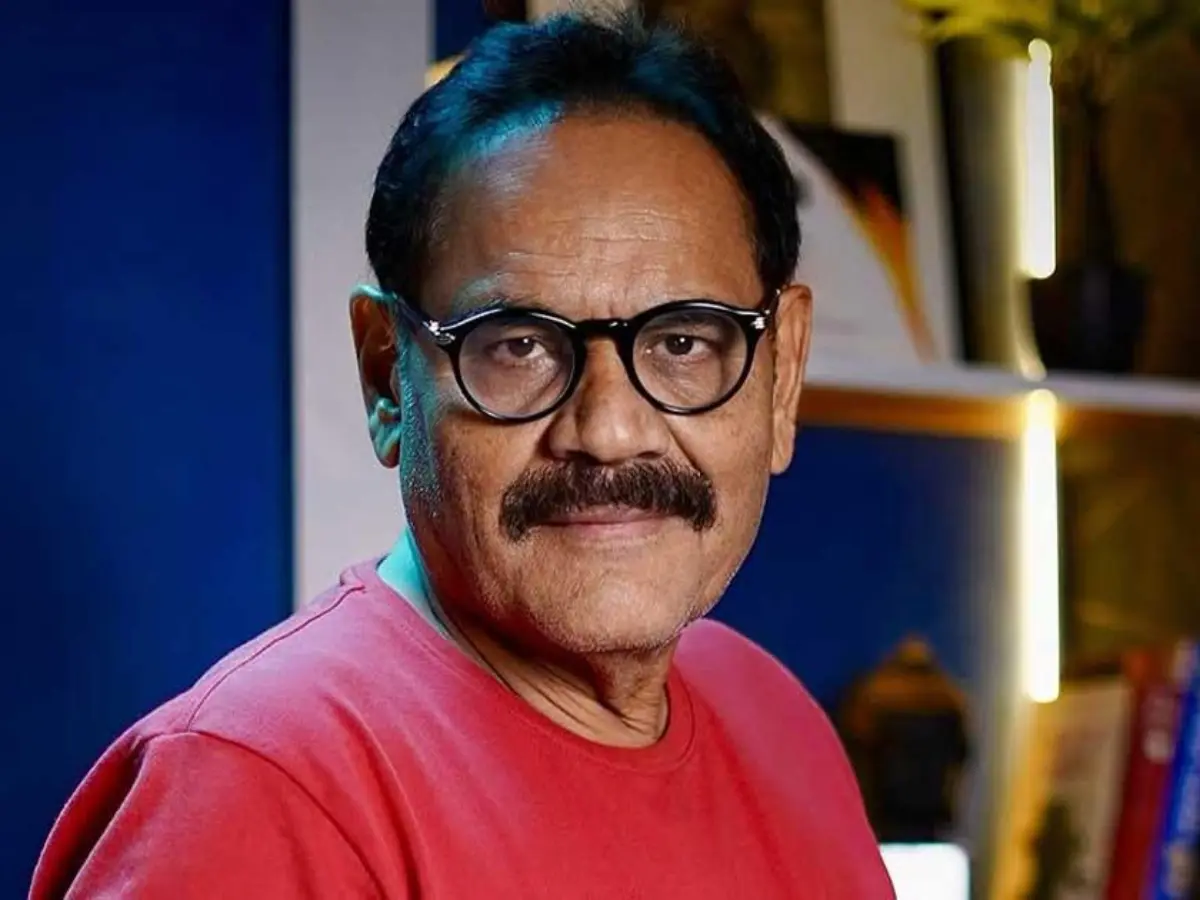)
Bollywood mourns Mushtaq Khan: Sunny Deol, Rajpal Yadav and others pay tribute
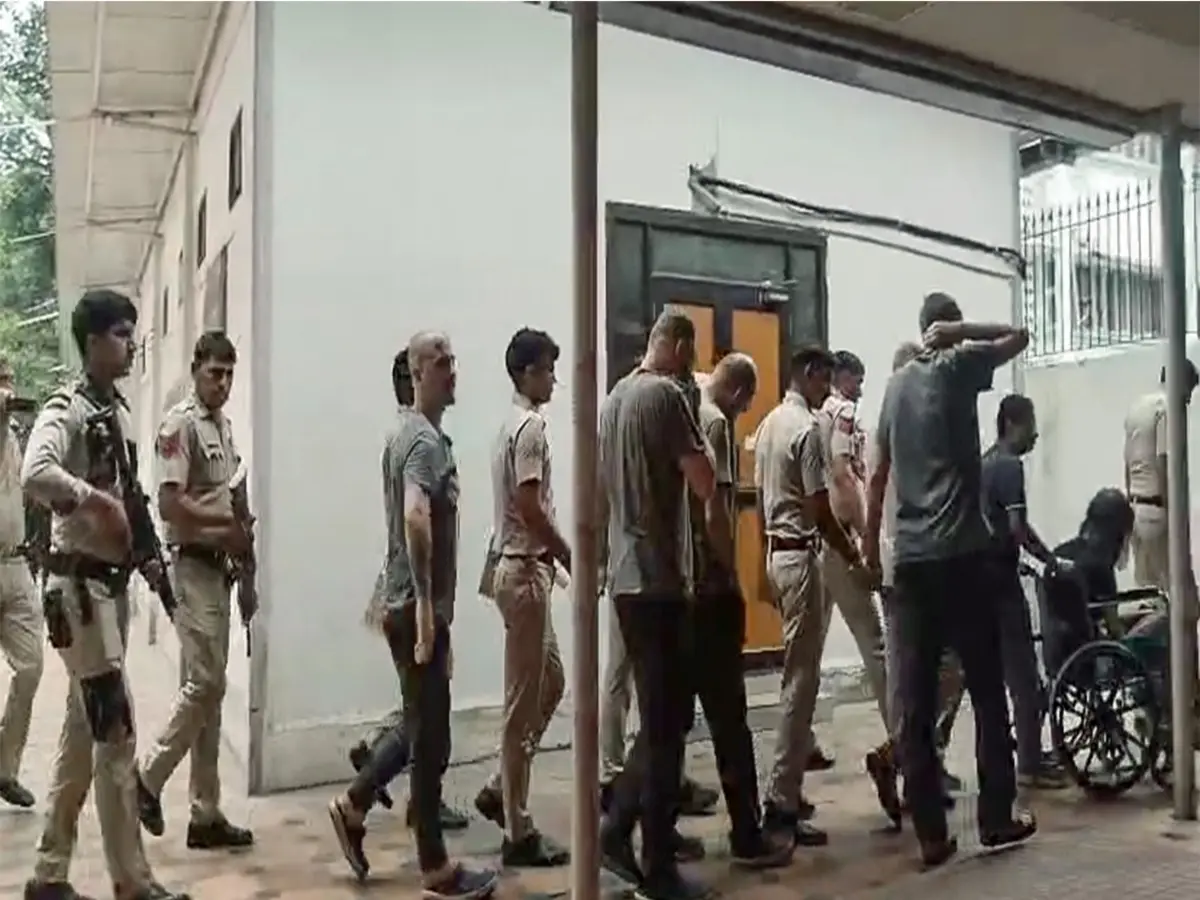)
Myanmar training camp case: US national, 6 Ukrainians allowed to meet their families abroad
)
'FIRST LOOK from inside Noah’s Ark': Researchers share video from inside mysterious mound in Turkey
)
'Fund people, not bombs': Hundreds take to New York streets as Netanyahu delivers speech at UN; dozens arrested
)
Susan Sarandon and Hannah Einbinder detained by NYPD outside UN Headquarters
)
AI is not only about prediction; it also helps create. Tools like Repsketch allow fashion teams to generate realistic sketches of garments quickly, while platforms like Artiphoria enable even non-designers to create prints and artwork.
Generative AI can suggest hundreds of variations of a single design. This helps designers test ideas rapidly and explore creative directions they might not have considered. As the Business of Fashion reported, many luxury labels are experimenting with AI to develop mood boards and fabric patterns.
Personalisation and Sustainability
AI is also personalising shopping. Apps such as 3DLOOK and EasySize use algorithms to recommend sizes and styles based on body measurements. This reduces returns, which are a major cost for retailers.
On the sustainability side, AI helps brands forecast demand better. By predicting how many pieces will sell, companies can avoid overproduction, reducing waste and unsold stock. A report by the Ellen MacArthur Foundation noted that digital tools like AI could play a central role in moving fashion towards a circular economy.
The Future of AI in Fashion
Experts say AI should be seen as a partner rather than a replacement for human designers. Creativity, cultural meaning and emotional connection remain deeply human. But with AI handling data analysis and repetitive tasks, designers can focus more on storytelling and innovation.
The fashion industry is under pressure to become faster, more sustainable, and more personalised. With AI, it is now possible to design collections that are not only on-trend but also more efficient and environmentally friendly.
