

&imwidth=800&imheight=600&format=webp&quality=medium "AI in everyday life: How Google plans to transform user experience")
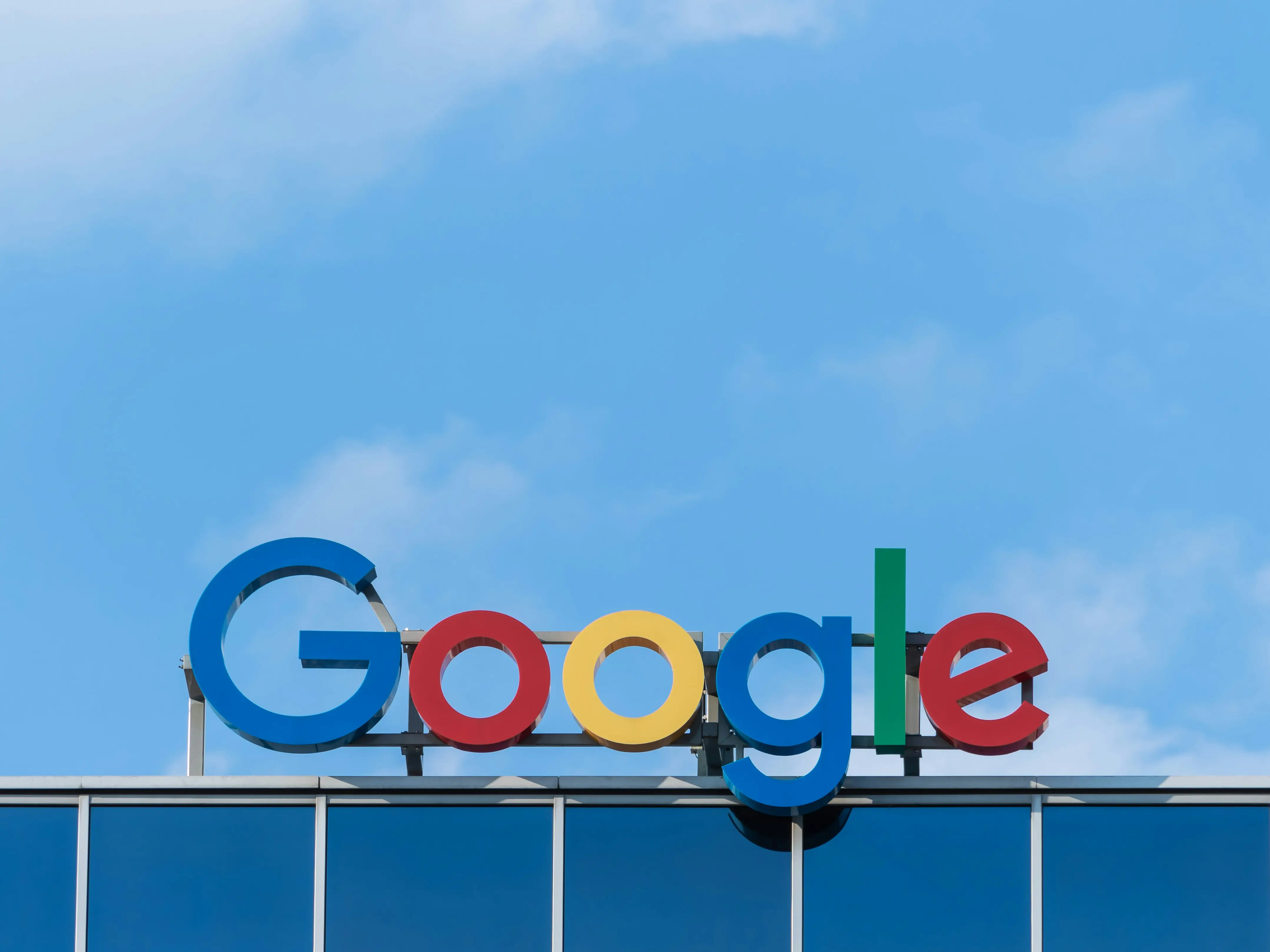
Google has announced a major shift in its artificial intelligence strategy, with CEO Sundar Pichai focusing on bringing AI agents into everyday products used by billions of people.
Speaking at the Google I/O 2026 developer conference, Pichai said the company is moving from building AI tools for developers and enterprises to delivering agent-based experiences directly to consumers.
He noted that Google now has 13 products with over 1 billion users each, including five products used by more than 3 billion people, highlighting the scale at which these AI features can be deployed.
Google Search gets its biggest update in years
One of the key announcements was a major update to Google Search, described as the biggest change in over 25 years.
The search box is being redesigned to support longer, more conversational queries. Users will now be able to:
Trending Stories
&imwidth=180&imheight=135&format=webp&quality=medium)
Brendan Taylor overtakes Andy Flower to become Zimbabwe’s leading ODI run-scorer
&imwidth=180&imheight=135&format=webp&quality=medium)
Pakistan to head IMF, World Bank boards after 74 years amid persistent economic crisis
&imwidth=180&imheight=135&format=webp&quality=medium)
"The scariest thing was"... flydubai Captain Smit Machchhar recalls cockpit fight and how he thought of his son and daughter
&imwidth=180&imheight=135&format=webp&quality=medium)
'We are not sitting in ivory towers, we are aware': SC issues notice to Rahul Gandhi, Akhilesh Yadav
&imwidth=180&imheight=135&format=webp&quality=medium)
6-year-old among 2 killed as vehicle crashes into youth soccer game in US
&imwidth=180&imheight=135&format=webp&quality=medium)
‘I have very severe problems’: Trump fuels health speculation during address to firefighters
&imwidth=180&imheight=135&format=webp&quality=medium)
Lizard people? Ex-US Army sniper claims soldier killed by 'reptilian beings' in battle near Area 51
&imwidth=180&imheight=135&format=webp&quality=medium)
Ankita Bhandari murder case: Parents meet CBI, seek impartial investigation
&imwidth=180&imheight=135&format=webp&quality=medium)
Bangladesh resort fire kills 10 tourists, including a 5-year-old child
&imwidth=180&imheight=135&format=webp&quality=medium)
At least 19 killed in stampede-like situation after part of Kolkata Durga Puja pandal collapses
&imwidth=180&imheight=135&format=webp&quality=medium)
Rajinikanth remembers late composer Deva, recalls his kindness and musical legacy
&imwidth=180&imheight=135&format=webp&quality=medium)
Rain washes out 5th T20I as India-West Indies share honours 2-2
&imwidth=180&imheight=135&format=webp&quality=medium)
'Reason UN has lost credibility': Amid SIR protests India hits out at report alleging 'youth repression'
&imwidth=180&imheight=135&format=webp&quality=medium)
Pope Leo XIV discharged from hospital in Rome after cancer surgery
&imwidth=180&imheight=135&format=webp&quality=medium)
‘My president, I mean my husband’: Trump's new press secretary Katie Zacharia's first briefing goes off the rails in 14 minutes
&imwidth=180&imheight=135&format=webp&quality=medium)
China responds to Trump's Press Secretary Katie Zacharia after toilet remark: 'Visit China more often'
&imwidth=180&imheight=135&format=webp&quality=medium)
UAE agrees with Saudi Arabia to rejoin Yemen fight as Houthi strikes rattle Riyadh
&imwidth=180&imheight=135&format=webp&quality=medium)
'Let’s go to France, no riots, no revolutions': Trump mocks France protests, Vance blames it on immigration
&imwidth=180&imheight=135&format=webp&quality=medium)
SA vs AUS 2nd Test: Rain delays start as Rabada returns; Boland replaces Lyon for Australia
&imwidth=180&imheight=135&format=webp&quality=medium)
At least 400 arrested as protests turn violent in France; PM blames far left
&imwidth=180&imheight=135&format=webp&quality=medium)
Explosion and fire at military base in Canada's Alberta, casualties feared
&imwidth=180&imheight=135&format=webp&quality=medium)
WATCH | iPhones, luxury perfumes floating in Hormuz? Iranian fishermen make bizarre discovery
&imwidth=180&imheight=135&format=webp&quality=medium)
Two students die, 14 injured at Dandiya event in Hyderabad: Know what happened? VIDEO
&imwidth=180&imheight=135&format=webp&quality=medium)
'keep telling him you will get your opportunities': Iyer opens up on conversations with Sooryavanshi
&imwidth=180&imheight=135&format=webp&quality=medium)
WATCH | Zelensky gives cheeky response when asked if Trump is making him a scapegoat ahead of US midterms
&imwidth=180&imheight=135&format=webp&quality=medium)
No Ravindra Jadeja, Yashasvi Jaiswal in India’s 2027 ODI World Cup plans: Report
&imwidth=180&imheight=135&format=webp&quality=medium)
Kolkata Durga Puja stampede: PM Modi announces Rs 2 lakh ex-gratia for kin of dead, Amit Shah to visit injured
&imwidth=180&imheight=135&format=webp&quality=medium)
Taylor Swift performs at star-studded Academy Museum Gala 2026 in stunning Dior ensemble
&imwidth=180&imheight=135&format=webp&quality=medium)
Anirudh Ravichander-Kavya Maran wedding: Telangana CM reveals Chennai reception date
&im=FitAndFill=(700,400)&imwidth=180&imheight=135&format=webp&quality=medium)
Inside Tesla's Roadster: 10 features of Elon Musk's 'flying car' that push the limits of electric vehicles | In Pics
&imwidth=180&imheight=135&format=webp&quality=medium)
Ranbir Kapoor visits North Bombay Durga Puja pandal, offers prayers
&imwidth=180&imheight=135&format=webp&quality=medium)
One species, two lineages: Why Sri Lanka’s spectacled cobra differs genetically from Indian variant
&imwidth=180&imheight=135&format=webp&quality=medium)
Oil tanker carrying over 2M barrels of crude hits mine in Strait of Hormuz, catches fire, says Iran
&imwidth=180&imheight=135&format=webp&quality=medium)
2 injured in plane crash on busy California highway
&imwidth=180&imheight=135&format=webp&quality=medium)
'It's a joy to see the makers bring it on such a grand scale': SS Rajamouli on Ramayana
&imwidth=180&imheight=135&format=webp&quality=medium)
13 dead after truck mows down devotees, crashes into temple gate in Madhya Pradesh's Gwalior
&imwidth=180&imheight=135&format=webp&quality=medium)
IND-W vs ZIM-W, 2nd T20I: When and where to watch live streaming in India?
&imwidth=180&imheight=135&format=webp&quality=medium)
Kolkata puja pandal stampede: 7 arrested, section 163 restrictions imposed in north Kolkata
Ask complex questions
Upload images, videos or files
Get AI-assisted suggestions while typing
Google is combining features like AI Overviews and AI Mode into a single experience. According to company data, AI Overviews already has over 2.5 billion monthly users, while AI Mode has crossed 1 billion monthly users.
Introduction of AI agents in search
Google also introduced Search Agents, which are designed to work in the background and assist users continuously.
These agents can:
Track market trends
Monitor shopping deals
Follow sports updates
Alert users about relevant changes
For example, users can set up an agent to track stock prices or housing listings based on specific criteria. This marks a shift from manual searching to automated information tracking.
Gemini Spark and personal AI assistants
Google is launching a new personal AI assistant called Gemini Spark within the Gemini app.
This always-on assistant can:
Summarise emails and meetings
Create documents and reports
Manage tasks and schedules
It integrates with tools like Gmail, Docs and Calendar, helping users manage their daily work more efficiently. The system runs on cloud-based infrastructure, allowing it to operate continuously in the background.
AI-powered tools and app creation
Google is also enabling users to create simple applications directly within Search using its AI tools.
Users can build:
Fitness trackers
Event planners
Budget tools
These tools can pull real-time data such as weather updates, reviews and location-based information, making them more dynamic and personalised.
Move towards advanced AI models
Alongside product updates, Google introduced a new family of AI models called Gemini Omni. These models can process multiple types of input, including text, images, audio and video.
According to Demis Hassabis, the development represents progress towards artificial general intelligence (AGI), where systems can perform a wide range of tasks.
The first version, Gemini Omni Flash, will be available across Google platforms, including the Gemini app and YouTube tools.
What this means for users and the industry
Google’s latest announcements show a shift from traditional search and apps to AI-driven experiences that can act on behalf of users.
Instead of manually searching and managing tasks, users may increasingly rely on AI agents to handle routine activities.
The move also reflects growing competition in the AI space, as companies focus on integrating AI deeply into their products.
What happens next
Many of these features will roll out gradually over the coming months, with some initially available to premium users and testers.
As adoption grows, Google’s agent-based approach could change how people interact with digital services, moving from simple queries to continuous, AI-assisted workflows.
