

&imwidth=800&imheight=600&format=webp&quality=medium "Liverpool proves 'You'll Never Walk Alone' is more than just a song")
It was supposed to be a day of pure celebration. The streets of Liverpool were bathed in red, banners waving, horns blaring, and voices lifted in unison.
Thousands thronged the city centre for the victory parade, a chance to finally revel in the glory that the club had delivered. The bus carrying the team snaked its way through the jubilant crowd.
But in an instant, that joy was pierced. A car, careening into the crowd near the Strand, sent fans scattering. The laughter gave way to gasps, and then to sirens.
For many, it was a jolt back in time. Thirty-five years earlier, in 1989, Liverpool had endured one of the darkest days in football history.
Ninety-seven fans lost their lives at Hillsborough Stadium, crushed against barriers in an overcrowded
terrace, while a semi-final match was underway. What followed was decades of grief, injustice, and a relentless fight for accountability. Hillsborough wasn’t just a tragedy—it became a scar on the soul of the city.
Trending Stories
&imwidth=180&imheight=135&format=webp&quality=medium)
Kolkata airport: CISF detects ₹1.13 crore in US dollars hidden in bags of 2 Bangkok-bound passengers
&imwidth=180&imheight=135&format=webp&quality=medium)
Priyanka Chopra celebrates Dussehra 2026 with Nick Jonas and daughter Malti Marie | See pics
&imwidth=180&imheight=135&format=webp&quality=medium)
US-Iran war: Bibi, Trump gamble on new Iran war to save themselves in polls
&imwidth=180&imheight=135&format=webp&quality=medium)
Australia police arrest former national 100m champ Jake Doran for alleged child abuse
&imwidth=180&imheight=135&format=webp&quality=medium)
Diljit Dosanjh's Oct 30 Delhi show hits roadblock, Delhi Police denies permission
&imwidth=180&imheight=135&format=webp&quality=medium)
Rafale Marine fighter begins flight trials in Goa ahead of Indian Navy induction
&im=FitAndFill=(700,400)&imwidth=180&imheight=135&format=webp&quality=medium)
New OTT releases this week (October 19-25, 2026): Gajab Raat to Chaar Yaar-8 titles to watch during Dussehra week on Netflix, Prime Video and more
&imwidth=180&imheight=135&format=webp&quality=medium)
US midterms 2026: What polls and prediction markets indicate about Congress
&imwidth=180&imheight=135&format=webp&quality=medium)
Meta slapped with $25 billion fine in New Mexico over Facebook data practices, company plans appeal
&imwidth=180&imheight=135&format=webp&quality=medium)
EU probes Booking.com under Digital Services Act
&imwidth=180&imheight=135&format=webp&quality=medium)
‘I caution the president...’: Trump’s ex-press secretary warns after Zacharia’s exit
&imwidth=180&imheight=135&format=webp&quality=medium)
'It's a crime not to see this scene': Tehran puts Trump 'behind bars'
&imwidth=180&imheight=135&format=webp&quality=medium)
16-foot doomsday fish in Chile triggers fears that the next earthquake is coming
&imwidth=180&imheight=135&format=webp&quality=medium)
Why websites around the world are suddenly going offline? What you need to know about PHP
&imwidth=180&imheight=135&format=webp&quality=medium)
'You are a dummy, you are a stupid person': Trump loses temper with CNN, ABC reporters after questions about Russia sanctions
&imwidth=180&imheight=135&format=webp&quality=medium)
China's dancing robot turns violent bodyguard, lifts cars and fights intruders - Watch
&imwidth=180&imheight=135&format=webp&quality=medium)
Ilhan Omar breaks silence over alleged marriage to her brother; Trump thinks it's 'really good answer'
&imwidth=180&imheight=135&format=webp&quality=medium)
'Father of all bombs' vs 'mother of all bombs': Iran threatens US with new weapon as Trump hints at MOAB strike
&imwidth=180&imheight=135&format=webp&quality=medium)
Feds obtain DNA evidence that could prove Ilhan Omar married her brother: Report
&imwidth=180&imheight=135&format=webp&quality=medium)
From Agni-V to Project Kusha: How are India’s indigenous missile systems and defence shield reshaping modern warfare
&imwidth=180&imheight=135&format=webp&quality=medium)
WATCH: Woman IPS officer fires several rounds of AK-47, ignites debate online
&imwidth=180&imheight=135&format=webp&quality=medium)
Pakistan signs another defence pact even as Makkah Alliance shows no teeth. This time, it's with Qatar, Indonesia, Turkey
&imwidth=180&imheight=135&format=webp&quality=medium)
Ranbir Kapoor apologises for Dussehra speech slip, clarifies remark at Ramayana event
&imwidth=180&imheight=135&format=webp&quality=medium)
US to get 850 F-35 stealth fighter jets under 10-year Pentagon-Lockheed deal
&imwidth=180&imheight=135&format=webp&quality=medium)
Viral video shows cross falling on Colombia priest, no official confirmation | WATCH
&imwidth=180&imheight=135&format=webp&quality=medium)
'Gyanu must go': CJP's Saurav Das, Ashutosh Ranka after release, despite Jantar Mantar protest undertaking
&imwidth=180&imheight=135&format=webp&quality=medium)
Will Rohit and Kohli play ODI World Cup 2027? BCCI president Manhas says board 'not in a position to comment'
&imwidth=180&imheight=135&format=webp&quality=medium)
Are the US and Israel preparing for another major attack on Iran? Here's what report claims
&imwidth=180&imheight=135&format=webp&quality=medium)
US midterms 2026: Trump's approval rating hits record low as Democrats gain ground
Today, even a minor tragedy, like a car accident amid a parade, can ripple with echoes of that day.
The crash during the parade left several injured, though mercifully, no fatalities. Emergency services responded swiftly, and within minutes, the chaos was contained. Still, for many, the sense of vulnerability lingered. The crowd, which had just been singing in full voice, now murmured anxiously, glancing around, clutching children close.
In the days following the parade crash, conversations in pubs and on street corners returned again and again to Hillsborough. Some spoke of the need for better crowd control, others voiced frustration at the randomness of tragedy. But alongside these fears, there was something else: a quiet, determined resilience.
Outside Anfield, a makeshift shrine of scarves, flowers, and notes appeared—not only for those injured in the crash, but for the 97 lost at Hillsborough. It was as if the city, in remembering its past, was bracing itself for the future.
Liverpool’s relationship with public gatherings is complicated. For decades, football was not just a game, but a symbol of identity, of defiance against injustice.
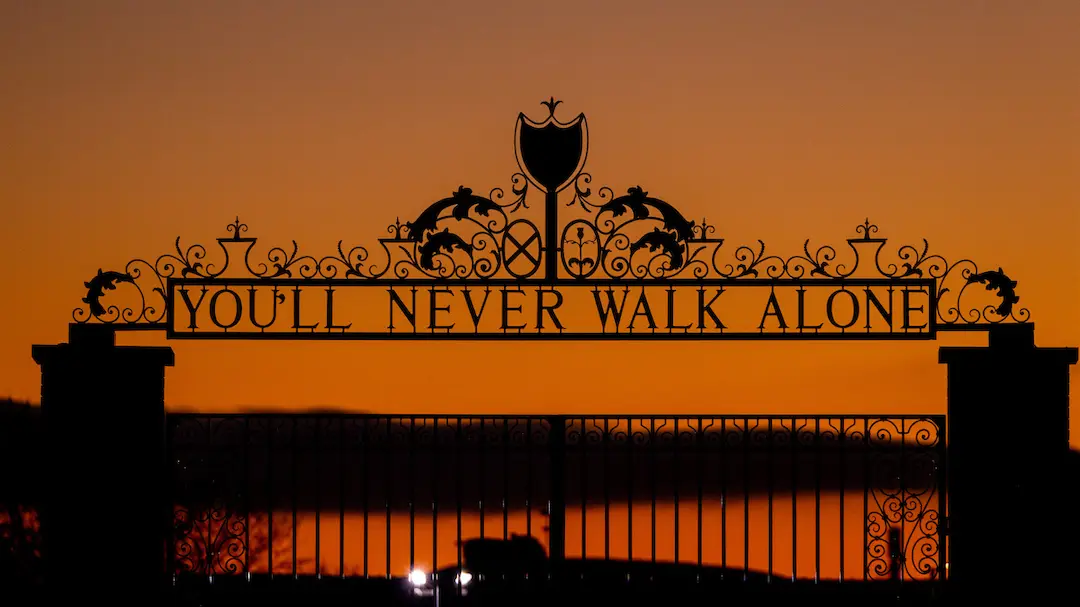
Hillsborough was a moment when that identity was nearly crushed—literally and figuratively. And yet, each match, each gathering, each parade is also an act of communal resilience. The city sings “You’ll Never Walk Alone” not just as a chant, but as a promise.
That determination—rooted in pain but blossoming into pride—is what defines Liverpool. The city remembers, but it does not retreat. Even as the sirens fade and the streets are cleared, the echoes of Hillsborough linger in the collective memory.
The parade crash, while smaller in scale, was a stark reminder that public celebrations can still carry shadows. But it was also a testament to how far the city has come: from institutional denial and disaster, to swift response and solidarity.
As the sun set over the Mersey, fans slowly made their way home, some with tears, others with quiet relief. The parade had resumed, the songs had returned. But for many, the day would forever be marked not just by celebration, but by a moment of sudden fear—and by the memory of a city that has endured, and will continue to endure, whatever comes.

