
&imwidth=800&imheight=600&format=webp&quality=medium "Inside the aerodynamic secrets of an F1 car: Red Bull’s Oscar Cooper explains")
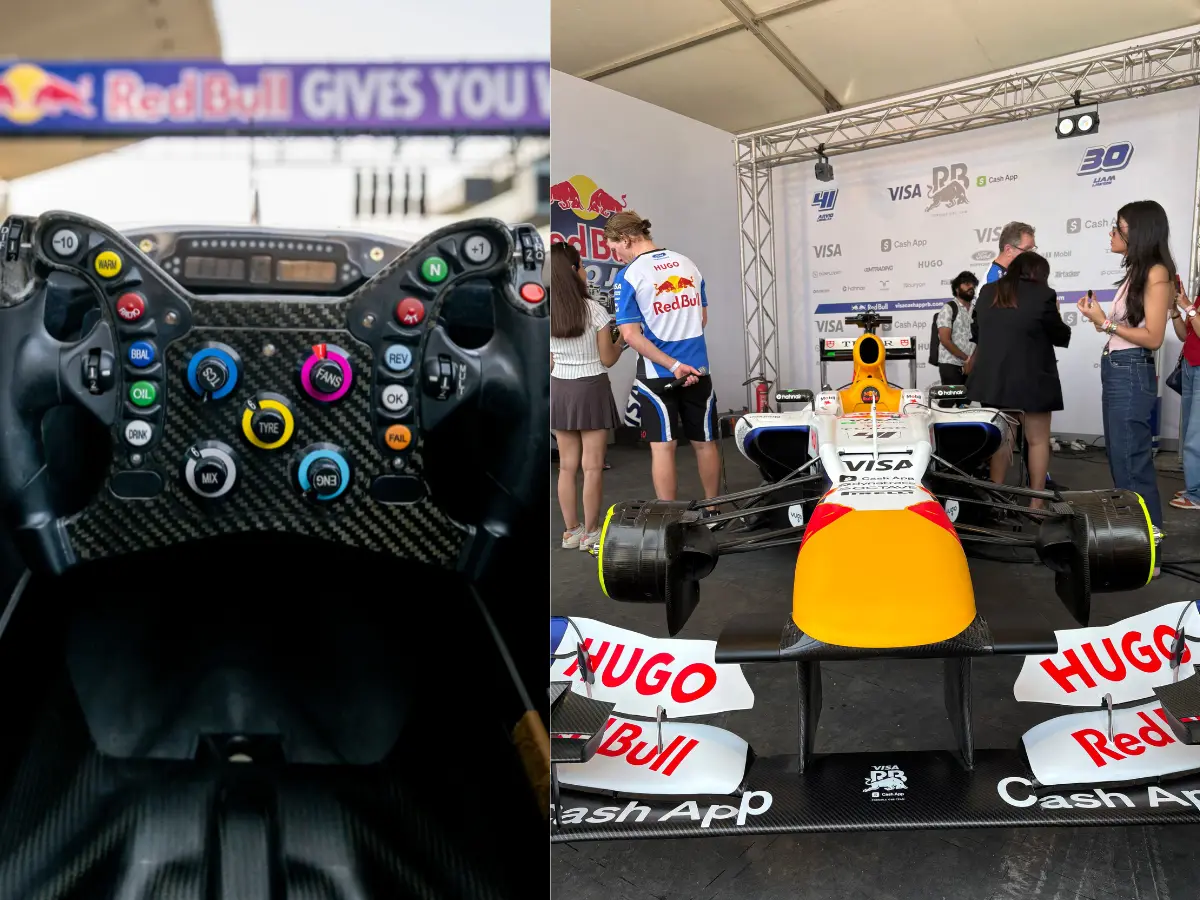
Out of race gear and dressed in casuals, Oscar Cooper stood beside a piece of Formula 1 history, the V8-powered championship-winning car driven by Sebastian Vettel. The car that once dominated the grid sat on display, a reminder of an era when naturally aspirated engines screamed at 18,000 RPM, and aerodynamics were sculpted under a very different rulebook. That machine, a title-winning car from Red Bull Racing’s golden run in the V8 era, represented the peak of one generation of Formula 1 engineering. But as Cooper started to speak, it became clear how dramatically the sport has evolved since those days.
After a decade at the forefront of Red Bull’s global marketing organisation, including four years embedded within the race team, Cooper has witnessed the transformation firsthand: from V8 dominance to hybrid complexity, from wind tunnel intuition to simulation supremacy. And if there’s one myth he’s quick to dispel, it’s this: a Formula 1 car is never static. “It’s not a one-stop shop, one-size-fits-all for the year,” Cooper explains while talking to WION on the sidelines of the Garage Tour facilitated by Red Bull, ahead of the Red Bull Moto Jam on March 1, where VCARB's Arvid Lindblad will be driving the RB8. “It’s very much a specific prototype car for every single race.”
Standing beside Vettel’s championship machine only made that point sharper. That V8 car was built for a different aerodynamic philosophy, a different energy system, a different competitive landscape. Today’s cars operate in a world defined by ground-effect evolution, hybrid deployment strategies, and data models that predict performance before rubber even meets asphalt. And contrary to popular belief, a Formula 1 car isn’t built once and refined gently across a season. It is constantly reborn.

The aerodynamic compromise
The conversation around ground effect regulations and porpoising dominated recent seasons, but Cooper makes it clear that the current regulatory landscape has shifted. “The regulation has changed now. We’re not running the Venturi-effect floor. So we shouldn’t see those porpoising issues.” Yet the core aerodynamic dilemma remains timeless: peak downforce versus straight-line speed. “There’s always a trade-off between downforce and top speed. That’s the game. That’s the dance.” At tracks with long straights, Monza-style layouts, trimming drag becomes essential. At tighter, high-load circuits, teams chase cornering performance. The balance is never static. It’s recalculated weekly, sometimes daily. What makes modern Formula 1 fascinating is that the compromise isn’t just aerodynamic. Ride height sensitivity, mechanical setup, tyre behaviour, and energy deployment all feed into a complex matrix of decisions. The “golden middle section,” as Cooper calls it, is not a fixed point. It’s a moving target shaped by track characteristics, weather, tyre compounds, and even competitor performance.
Also Read: 'You can line him up': Kumble, Du Plessis raise concerns over India’s sixth bowling option
Trending Stories
)
‘US ensuring global energy supplies’: Trump demands reimbursement for securing Strait of Hormuz
)
Dodgers beat Reds for playoff berth in bid for third consecutive World Series
)
800 million years old - Scientists discover 'fingerprints' of supercontinent Gondwana in ancient rocks
)
‘Let’s go’: Newly declassified videos show dramatic rescue of US Air Force officers downed in Iran
)
‘Want to reset ties with India, have engagement based on mutual interests,’ says Bangladesh minister
)
Did India risk its US trade deal despite softer stance at BRICS?
)
Delhi govt to roll out ₹13,820 crore development projects under Seva Sankalp Abhiyan: CM Rekha Gupta
&im=FitAndFill=(700,400))
New OTT releases this week (September 14-20, 2026): Lust Stories 3, Waiting Hai, Irumudi- 5 new titles coming on Netflix, Prime Video and more
)
Emmys 2026: Matthew Rhys wins Best Actor twice, sets historic 78-year record
)
UPI payments up to Rs 2,000 to stays free, but bigger transactions may soon cost you: Govt
)
What is Hyrox, in news for athlete who soiled herself, but kept running and using common equipment?
)
Photographs, LeT labels vanish from two 2008 Mumbai attack entries in Pakistan’s most wanted list
)
Trump downplays China's alleged 'help' to Iran in strike on Jordan base | Gravitas
)
Saudi Arabia discovers 110 million tonnes of Uranium-rich ore in Madinah region
)
3 Italians fly from Delhi to Munich without immigration clearance; Air India gets notice on major security lapse
)
Sent home midway from UK tour, Pakistan's Salman Agha hits 300* in domestic return
&im=FitAndFill=(700,400))
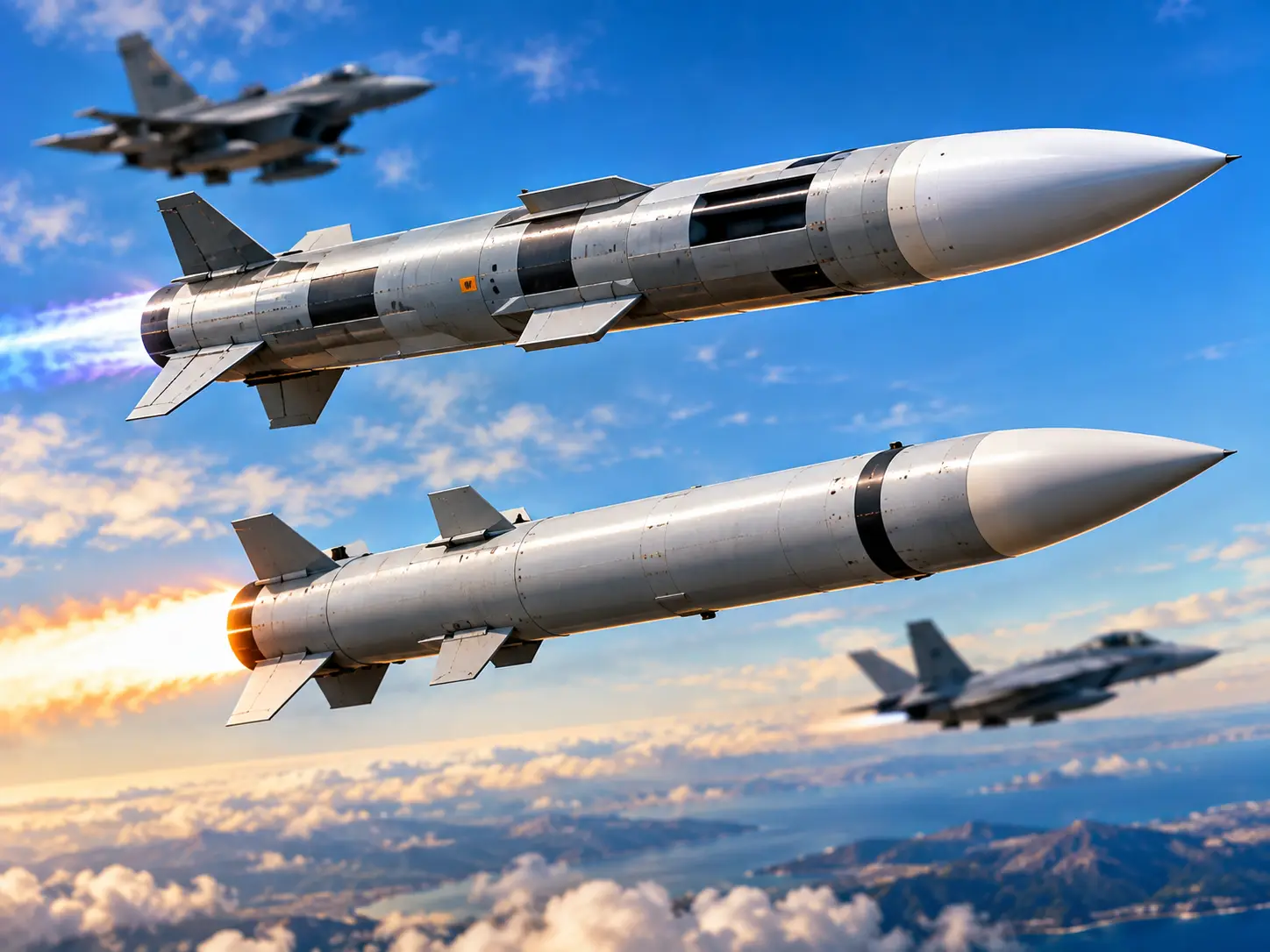
Why European Meteor missiles use ramjet engines compared to standard US solid rockets
)
Video of Pakistani lawmaker struggling to read English tribute to Jinnah goes viral - WATCH
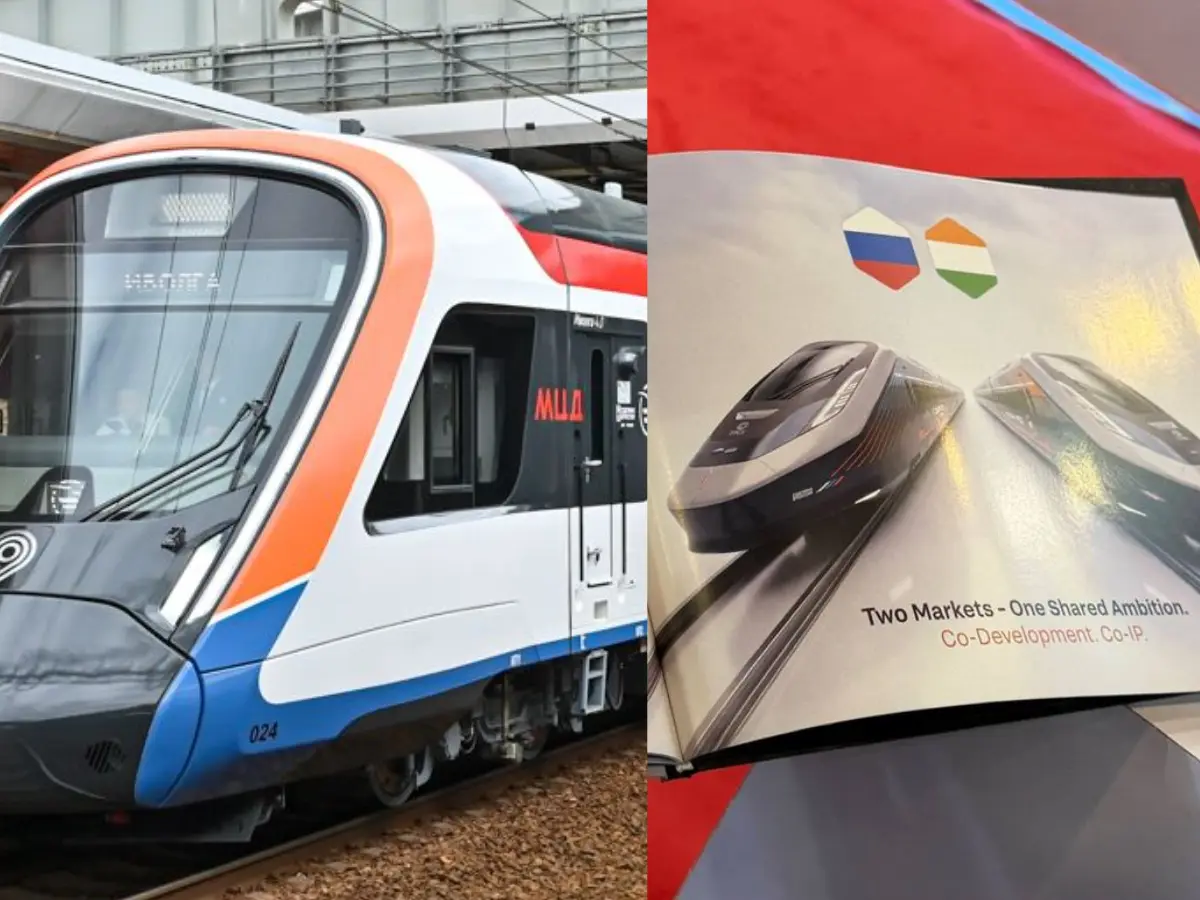)
Russia proposes to build 360 kmph Ivolga FG trains in India: What happened on sidelines of BRICS
)
Turkish Airlines plane flies through a storm three times, triggering severe turbulence
)
Ecstasy tablets are rage in 'drug haven' Libya | Gravitas
)
Pakistan puts Pak Rs 70 lakh bounty on UN terrorist Masood Azhar; move draws skepticism in Delhi
)
'Now Trump is copying us': Shivakumar links US $5,000 plan to Congress guarantees
)
China thinned Himalayan troop presence in 2025, India defence report says; terms border situation 'stable'
)
Baba Vanga's first prophecy for 2027 is out, and straight out of science fiction
&im=FitAndFill=(700,400))
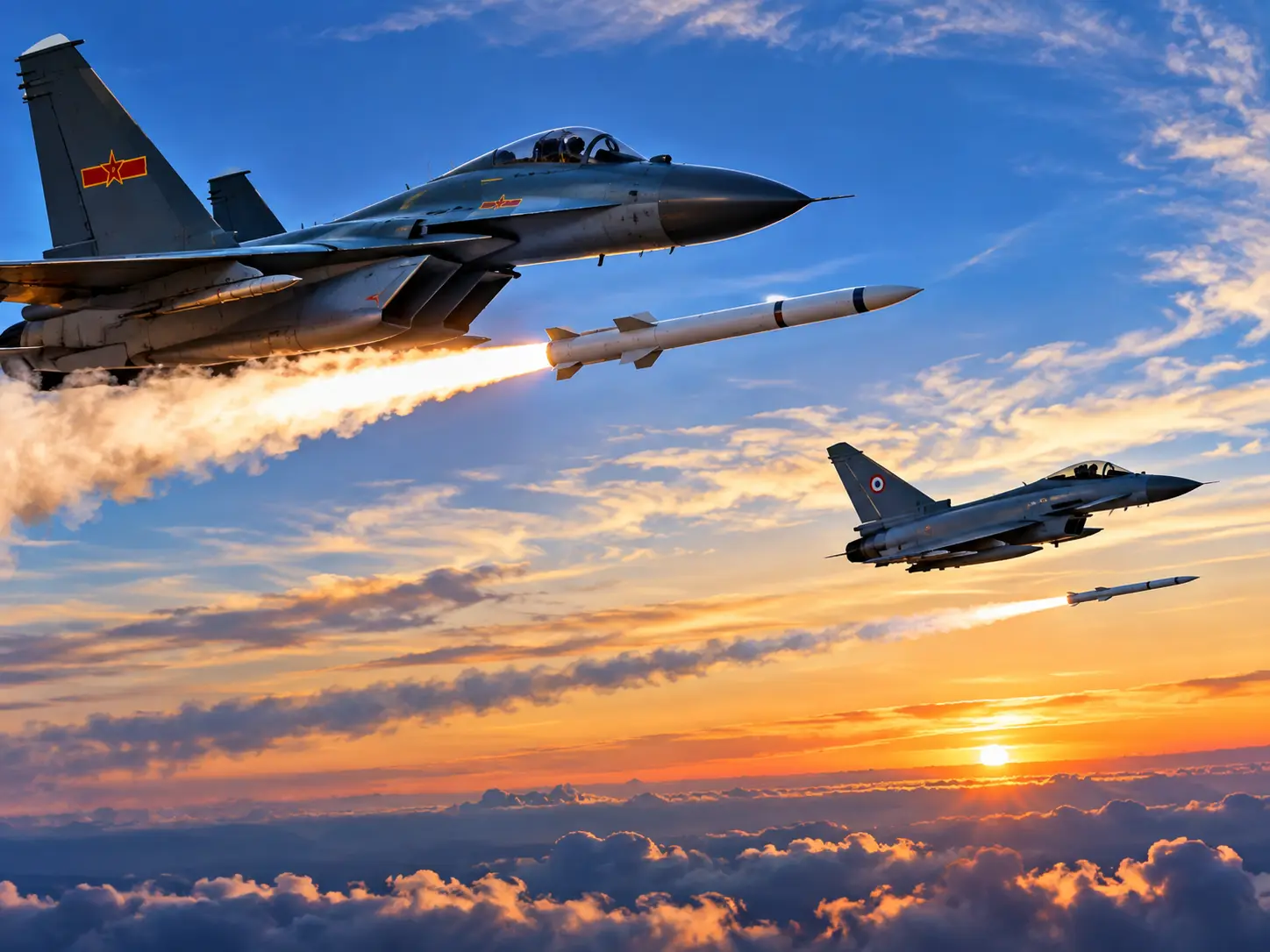
Why Chinese PL-15 air-to-air missiles use dual-pulse motors compared to European interceptors
)
Nigerian Navy seizes 10,000 litres of suspected illegal fuel in Rivers State crackdown
)
'She married her brother': Ilhan Omar faces criminal probe over immigration fraud claims
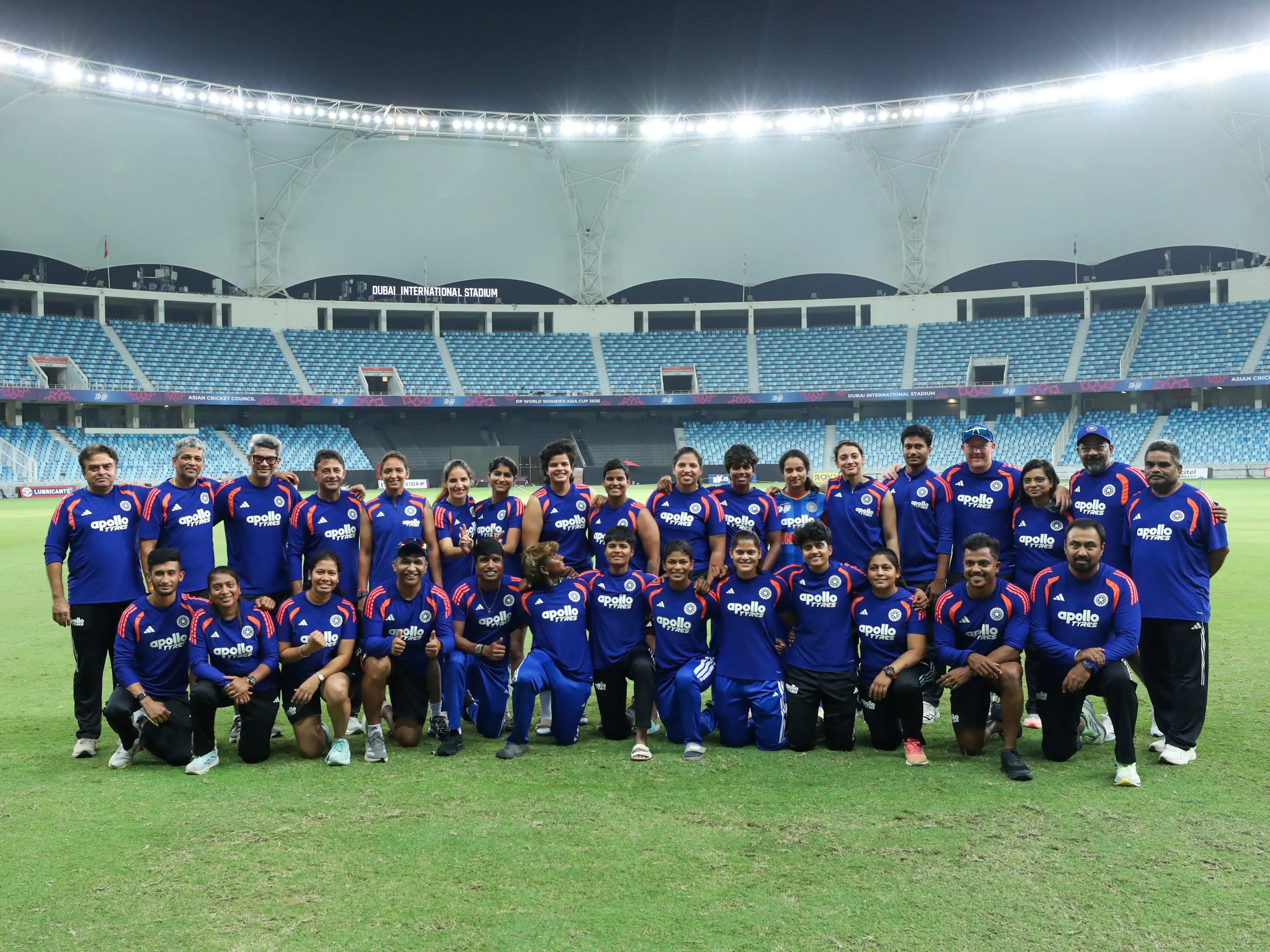)
BCCI VP Rajeev Shukla says Mohsin Naqvi 'did not object' India refusing trophy from ACC chief
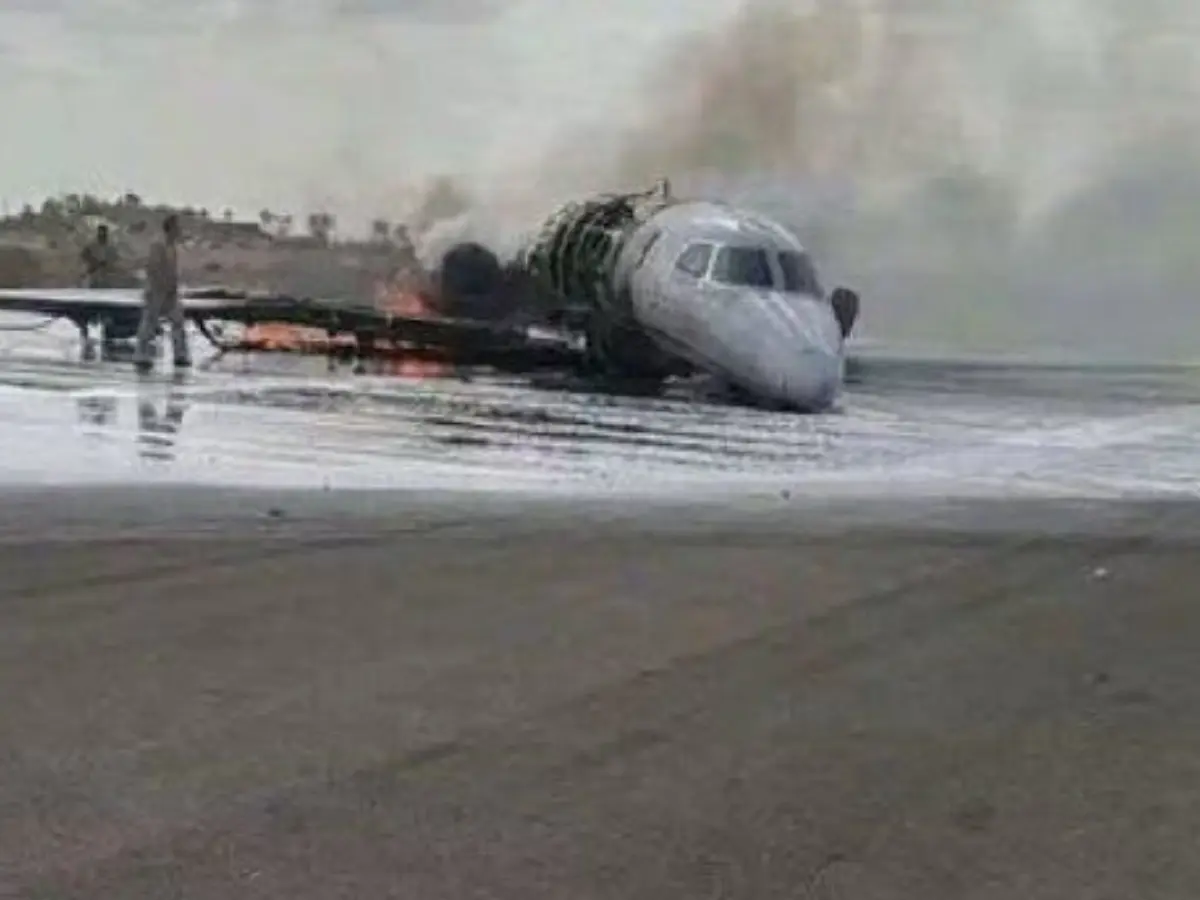)
Plane carrying prominent figure crashes at Libya’s Misrata airport: Report
)
Extreme warming in Indian Ocean added 695 billion tons of ice to Antarctica ice sheet
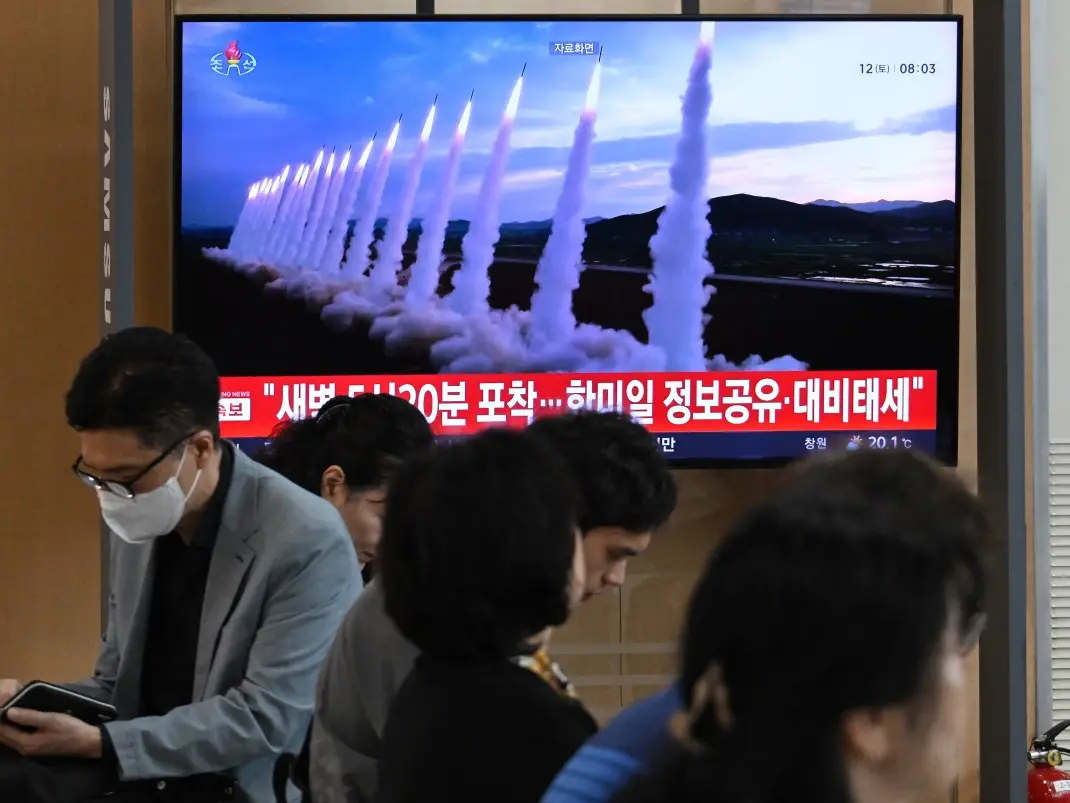)
'Huge destructive power': North Korea calls its latest missile launches 'live-fire drill' even as US dismisses 'immediate threat'
)
Emmy Awards 2026: Widow's Bay and The Pitt win in lead categories- check out the complete list of winners
)
Trump loses Supreme Court battle over mail ballots ahead of US midterms: What happened?
)
Ukraine strikes Syzran Oil Refinery deep inside Russia, fires erupt
&im=FitAndFill=(700,400))
Emmys 2026 Red Carpet: Zendaya, Nicole Kidman and Julia Garner lead the glamour peak
)
Iran, India agree to deepen humanitarian and political ties, President Pezeshkian says
)
Who is Kalyan Bainsla, accused in the Gurugram hit-and-run case involving woman biker?
)
China discovers vast gold and silver 'mine' in the Pacific with unheard-of deposits
)
Emmys 2026 In Memoriam: Catherine O’Hara honoured by on-screen children Macaulay Culkin, Annie Murphy, Dan Levy; Dolly Parton, Rob Reiner remembered
)
UK man admits drugging, raping wife for 20 years in shocking abuse case
The digital backbone of modern F1
If Formula 1 once relied heavily on mechanical feel and wind tunnel experimentation, today it is powered by simulation.
“More and more now, CFD and modelling are integral to the design, development, and running of the car as well during a race weekend,” Cooper says. With strict limitations on wind tunnel time, Computational Fluid Dynamics (CFD) has become the development heartbeat. Engineers create a digital twin of the car, run countless simulations, and predict performance outcomes long before the wheels turn in anger.
But simulation is only powerful if it is accurate. “It only counts if you believe in your accuracy and you calibrate your CFD models correctly,” he explains. “If the data is not consistent and not accurate, then you have a real uphill battle.”
This is where free practice becomes critical. It’s not just about lap times, it’s about correlation. Engineers compare real-world telemetry with the digital projections. If the numbers diverge, alarms go off.
“That’s when the engineers start scratching their heads and thinking, where have we gone wrong? Because what we thought would happen isn’t what’s happening.” In many ways, modern race weekends are less about experimentation and more about validation, aligning the virtual car with the physical one.
A new power chapter
Perhaps the most significant shift, however, is happening beneath the bodywork. For the first time, Red Bull is running its own engine through Red Bull Powertrains, a major milestone for a team that historically partnered with external manufacturers. “It’s a huge feat and a great success in and of itself to have started producing an engine three years ago and now still be at the top of the grid in terms of performance and reliability,” Cooper says.
With the evolving power unit regulations placing nearly 50% emphasis on hybrid energy deployment, race dynamics are poised to change. Battery usage will no longer follow predictable deployment zones. Instead, teams will strategically decide when to harvest and when to release energy. “It’s not just going to be standardized moments across the racetrack where they might choose to deploy that power,” Cooper explains. “Hopefully, we’ll see some interesting overtaking maneuvers and certainly some different strategic approaches.”
The implications are significant. Drivers will need to think differently. Engineers will model countless race scenarios. Energy management could determine overtakes, defensive positioning, and even championship outcomes. Simulation departments are already running thousands of virtual races to optimise deployment maps. Because in a sport decided by tenths and hundredths, efficiency isn’t optional; it’s everything.
The bigger picture
Having worked at the intersection of engineering, performance, and global brand activation, Cooper understands that Formula 1 is more than just speed. It’s a storytelling machine powered by innovation. What stands out in his reflections is how fluid everything has become. Cars evolve weekly. Strategy shifts corner by corner. Data drives instinct. And the competition never stands still. In the end, Formula 1 remains what it has always been, a relentless pursuit of marginal gains. But as Cooper puts it best: “That’s the dance.” And in 2026’s hybrid-heavy, simulation-driven era, the choreography is only getting more intricate.

