IND vs JPN T20I: How an overturned wide became point of difference between India's win and a tie

&imwidth=600&imheight=450&format=webp&quality=medium "IND vs JPN T20I: How an overturned wide became point of difference between India's win and a tie")
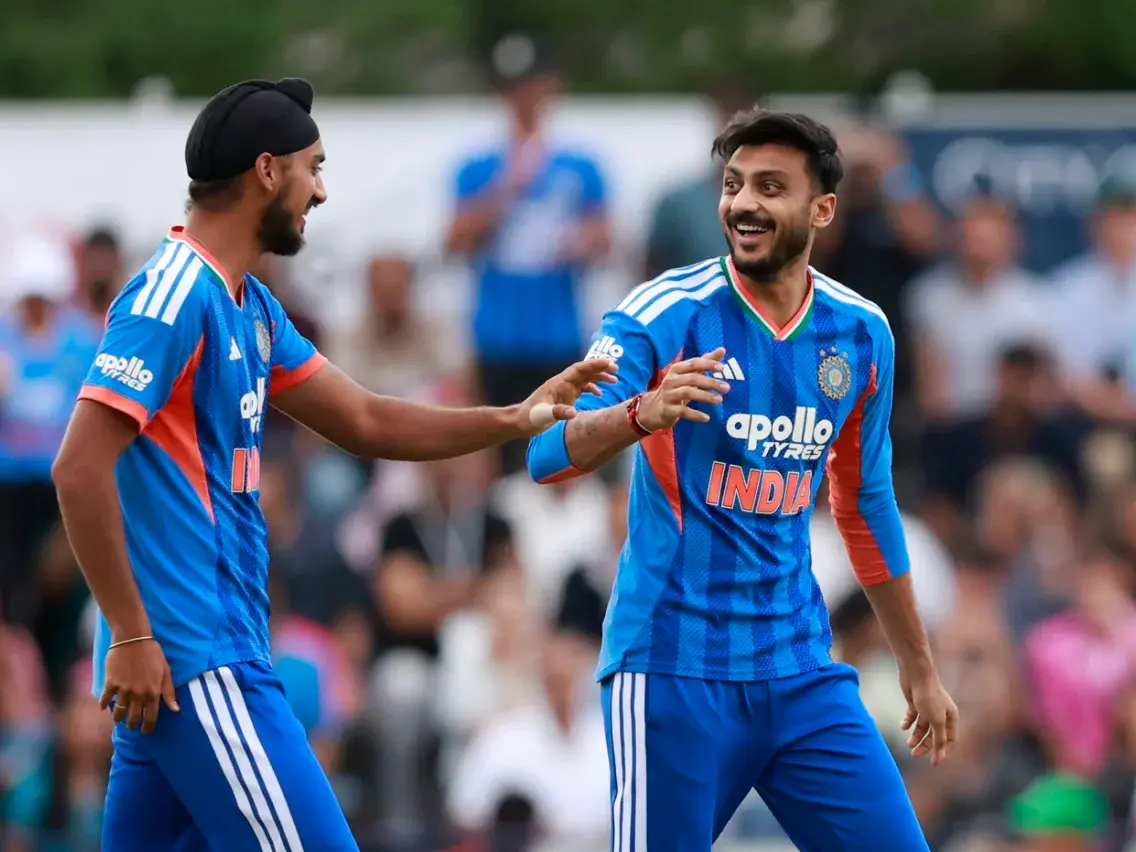
India beat Japan by two runs in a 5-over Suzuki Cup T20I after a controversial wide call was overturned Photograph: (BCCI)
India beat Japan by two runs in a 5-over Suzuki Cup T20I after a controversial wide call was overturned when Japan attempted a reverse sweep. Under ICC rules, reverse sweeps remove leg-side wide protection.
India survived a scare against Japan in the one-off T20I on Tuesday (Sep 22) to win the maiden Suzuki Cup. Defending 32 runs in the five-over-per-side match, India registered a two-run victory. The result could have been very different if the Japan batters had hit a boundary off the last ball or if the wide ball hadn't been reversed. With Japan needing 9 runs off the last over, spinner Axar Patel gave away just one run off the first two balls, but then the drama began: he bowled a wide and then another, but the second was overturned, leaving Japan needing 7 off 3 balls, which they failed to score.
Why did the umpire give it a wide?
After scoring just one run off the first two balls, Alexander Shirai-Patmore tried a reverse sweep and umpire Chris Thurgate, who had stood in 17 T20Is before this match, called it a wide. Axar bowled the next ball the same as the previous one and the batter played the exact same shot. The umpire again gave it a wide, after which the Indian camp protested. Square leg umpire Chris Brown, a member of the ICC's elite panel, discussed the decision with Thurgate, and the decision was overturned.
What does the rule say?
According to ICC rules, if a batter tries to reverse sweep a ball, the leg-side delivery in the new stance is reachable, and the ball—if missed—is no longer a wide. The same rule applies when the batter tries to play a switch hit (changing grip and stance). The ball will not be called a wide even if the batter changes stance after the ball has been released; therefore, reversing the wide call was the right decision by the umpire.
Trending Stories
)
)
)
)
)
&im=FitAndFill=(700,400))
)
&im=FitAndFill=(700,400))
)
)
)
)
)
)
)
)
)
)
)
)
)
)
)
)
)
)
)
)
)
)
)
)
)
)
)
)
)
"It should not have been a wide because, as per the laws of the game, be it a switch-hit or reverse-sweep, once you attempt, abort, or even end up playing it, both sides become off-side. So the 17-inch mark for wide deliveries will be accounted for. So unless the ball goes past that mark, it will remain a legal delivery," said an ICC umpire in conversation with The Indian Express.
The overturned wide eventually became the difference between Japan's loss and a tied game.

