Floris Jan Bovelander: Trying to produce next-gen Indian hockey stars

Floris Jan Bovelander: Trying to produce next-gen Indian hockey stars
The COVID-19 pandemic ended up putting the entire sporting world to a screeching halt. While the year 2020 was supposed to be the busiest year when it comes to sports events, players, coaches and everyone associated with sports were confined to their respective homes as almost the entire world witnessed strict lockdowns to curb the spread of the dreaded virus.
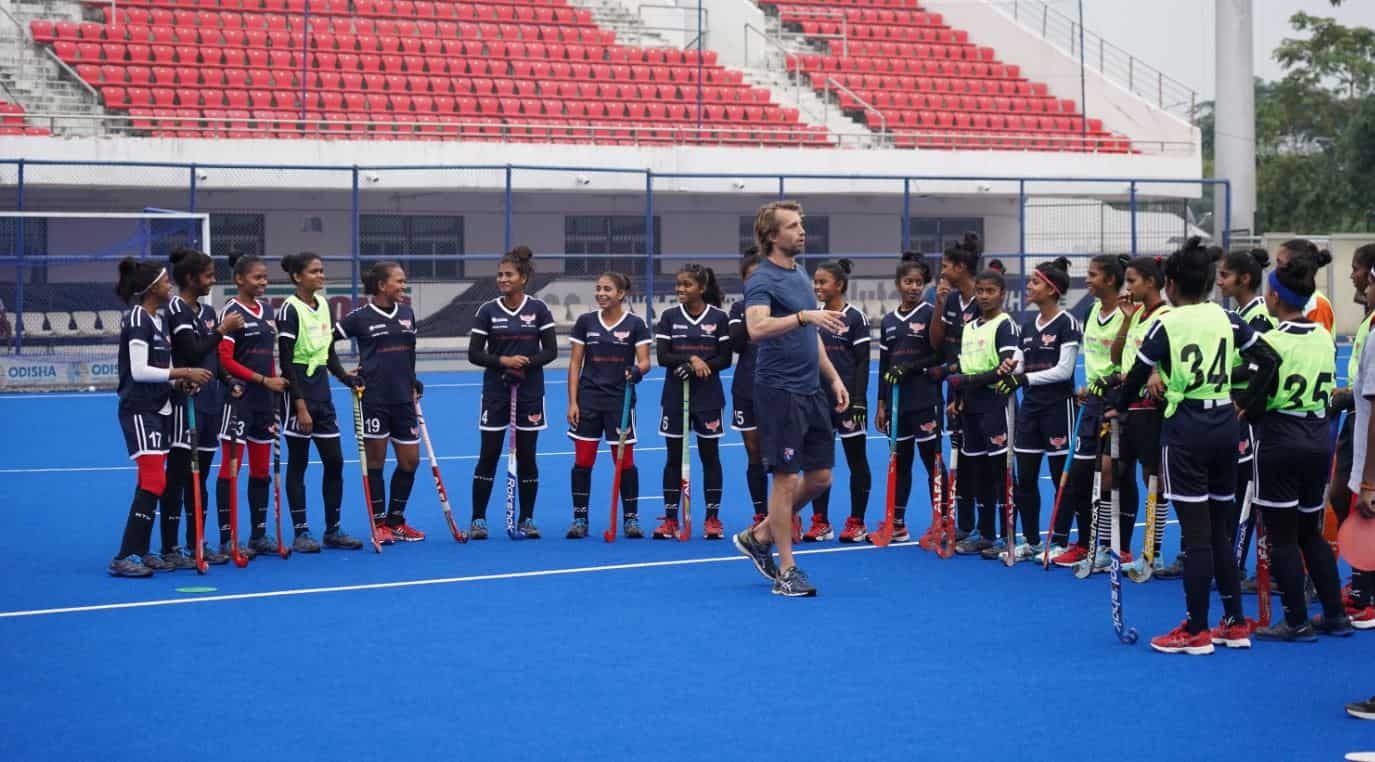
As dreams, aspirations and training regimes of sportspersons came to an unprecedented pause due to the pandemic, Naval Tata Hockey Academy in Odisha continued training despite various challenges.
The Odisha centre, which is training girls in hockey, bolstered their facilities in a bid to include both indoor and outdoor training drills as well as technical skills development alongside a special emphasis on mental and nutrition training.

Former Netherlands hockey player, Floris Jan Bovelander helped the Naval Tata Hockey Academy in developing the program with everyone coming together to ensure safety protocols were met during tough times.
When asked how challenging was it to train youngsters and provide them with drills during the lockdown, Bovelander said that the rural areas in Odisha, with ample spaces, helped youngsters do some physical work at home while explaining the importance of physical exercises.

)
FACT CHECK: Why did PM Modi ask Xi ‘is it okay’ at BRICS Summit? New video reveals...
)
Flying cars in UAE: Ras Al Khaimah signs deal with Chinese company to test new transport
)
Indian Cinema bets big on mythology, brings ancient stories to modern audiences
)
Pentagon revives mandatory testosterone testing for male troops aged 30 and above
)
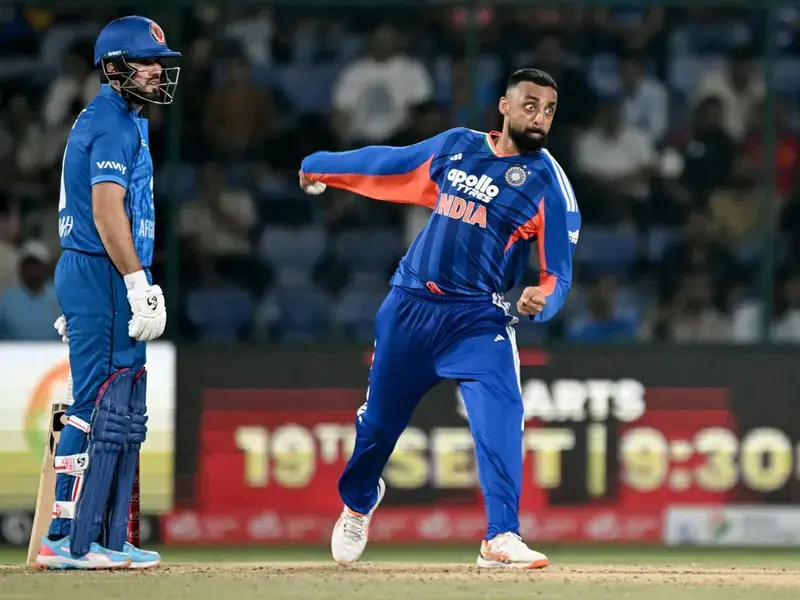
Fast bowler Brydon Carse faces no charges over Derby nightclub incident
&im=FitAndFill=(700,400))
Meet top 5 bowlers in latest ICC T20I rankings
)
NASA research plane reaches 61,000 feet over Panama
)
US hiding troop deaths in Iran war? Toll higher than Pentagon count, claims report
)
Russia holds first parliamentary elections since the beginning of the Ukraine war
)
Brigitte Bardot’s private collection set for Paris auction; key items and prices revealed
66 years of the Indus Waters Treaty: How India and Pakistan settled a bitter river dispute
)
China may have gained access to US's classified F-35 jets; parts meant for repairs diverted to Hong Kong, sparking Pentagon inquiry
)
Pyongyang dismisses US, western pressure over nuclear programme
)
Zendaya and Tom Holland step out for a low-key date in Los Angeles
)
India seeks to build a full semiconductor supply chain
)
The Verdict | When precision fails: US commits war crime in Minab school strike, UN finds
)
‘Will go to any extent’: Pakistan vows to defend Saudi Arabia amid Houthi attacks
)
Google’s Gemini AI hacks real systems by guessing passwords during security test
)
Who is Khalilur Rahman? All you need to know about 81st UN General Assembly President
)
Tirupati Laddu ghee adulterated with chemicals, says ED, supplier arrested
)
Trump bans CNN, MS NOW and Politico from White House over ‘FAKE NEWS’
)
IIT Bombay student dies by suicide, was caught seeking AI help during exams
)
Pak: A series of counter terrorism operations in Khyber Pakhtunkhwa
)
Trump signs Russia sanctions law: India faces fresh 100% tariff threat over Russian oil
)
Godfather of AI Geoffrey Hinton gives US lawmakers a one-year warning on AI
)
Ukraine plans record $109 bn defence spending, nearly two thirds of budget amid Russia war
)
Trump signs Russia sanctions bill into law, targets Moscow’s energy sector
)
Why Ranveer Singh’s Dhurandhar missed India’s Oscar entry; FFI jury member reveals what happened
&im=FitAndFill=(700,400))
Meet top 5 Indian batters with fastest T20I centuries
&im=FitAndFill=(700,400))
New Friday OTT releases (September 18, 2026): Lust Stories 3, You+Me, Best of the Best- 8 new titles coming on Netflix, Prime Video and more
)
Trump's Greenland dream comes true? POTUS announces 'Infinite Life' deal with Denmark, claims permanent US control
)
US And Denmark reach Greenland deal, Trump announces expanded military presence
)
Trump 2.0: Dark days ahead for America’s ‘imperial presidency’
)
Africa is splitting, and a lot sooner than estimated, giving way to a new ocean
&im=FitAndFill=(700,400))
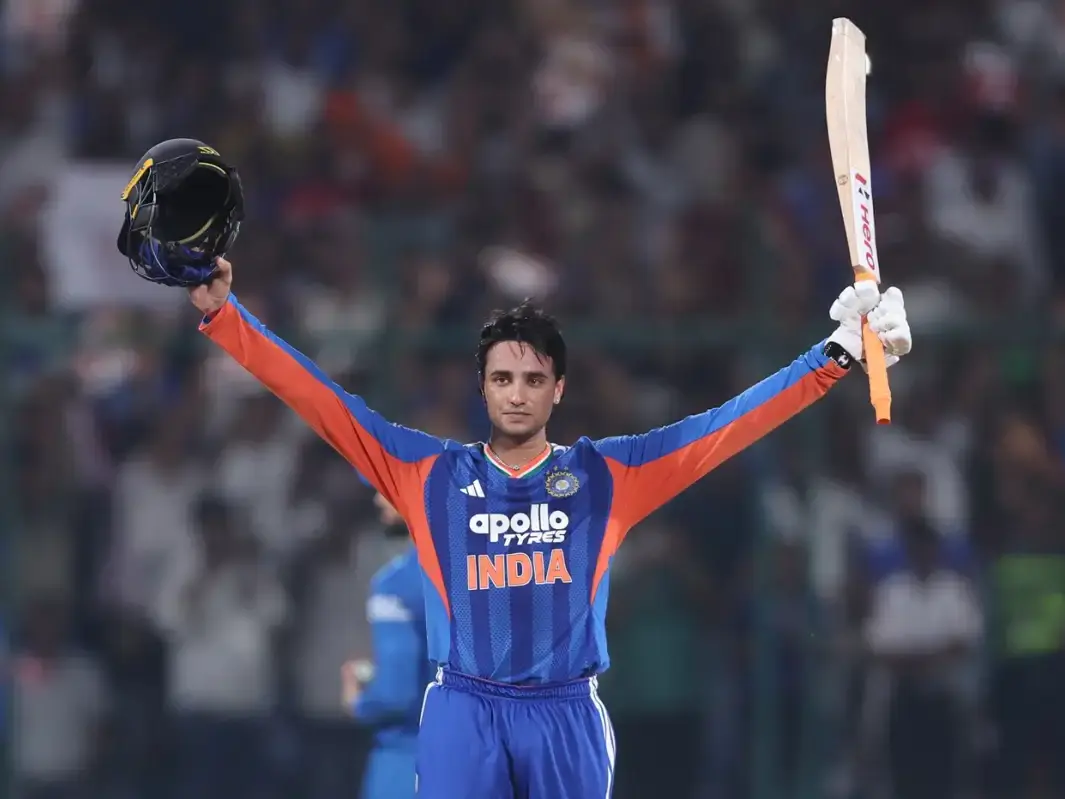
From Abhishek Sharma to Sahil Chauhan, 5 batters with fastest T20I hundreds
)
"It is important for everyone to do some physical work during the day. It not only has an impact on the body of youngsters but also for the elderly it is very important that they keep on doing physical exercises. But for the youngsters, yes definitely, it was a big shock to come into a lockdown. But what we gave the young players some physical exercises and some Hockey drills through videos by the local trainers and in the written form.
"Luckily, the girls and boys live in rural areas in Odisha so they have some space and room to do these exercises and drills at the playgrounds at home. The lockdown has definitely had a lot of impact, but to the players’ benefit, they could do some physical work at home," Bovelander told WION in an exclusive interview.
Bovelander further explained the importance of training effectively rather than spending long hours. Courtesy Bovelander, trainers from the Netherlands joined virtually and spend time with Indian trainers as they shared their knowledge about hockey.

"For me, Hockey is being together and playing together as well. Hockey is also about tactics, the game plan, and playing as a team. With a better understanding of Indian hockey, we have realized the importance of focusing on the tactics and giving the players more experience in competitive play – which are built into their training programs.
"Along with gameplay and physical fitness sessions – rest and recovery are equally important. As well as developing life skills and education. Indians tend to over train – and frankly, as compared to the Netherlands, the numberof hours of training given to young athletes in India is very high. Better play fewer hours but these hours must be highly effective, with good passion and dedication. Good coaching for every level is essential.
"What I really liked is that we could connect to some girls and boys in rural areas via virtual modes of interactions. In the end, we managed to connect our trainers in the Netherlands with the trainers in these areas - which is kind of amazing that we have a connection between Holland and the rural areas of India," Bovelander added.
Bovelander praised infrastructure at the Naval Tata Hockey Academy in Odisha as he went through the challenges faced by everyone associated in the program during the lockdown.
"The good thing about the Naval Tata Hockey Academy is that the infrastructure at Kalinga stadium is designed such that the players can live in a bio bubble. Their hostel is next to the pitch and the have food prepared in the canteen, which is also within the Kalinga stadium and managed by the Tata’s so we can control the hygiene factor. So during the coronavirus period, the female players were allowed to come to Bhubaneshwar, get tested, and live in the bubble and play Hockey.
"The infrastructure in Bhubaneshwar is superb for these players we have selected. Training on the pitch and living in the stadium complex where the World Cup and all the international matches are played is very inspiring for them. You can see it their eyes and it reflects in their body language. Especially when they come here for the first time or when they are selected, they get really inspired and motivated by the infrastructure," the Olympic gold medallist said.
Young players often don't have the necessary knowledge about mental health and nutrition. As COVID-19 pandemic continues to teach humans a revamped way of living, Bovelander feels it was the perfect time to educate young athletes about the importance of nutrition and mental health.
"For our hockey program, we already have an experienced nutritionist and a mental trainer on board. The diet is prescribed by the nutritionist, after taking into consideration the individual needs based on regular health checkups and after observing the performance on the field. The nutritionist also conducts regular workshops with the cooks on the right kind of preparation needed to give required nutrition to the girls. She also conducts workshops for the girls to make them understand the importance of healthy eating habits," Neelam Babardesai – Head of Sports, Tata Trusts told WION.
"Just like we have a strength and conditioning expert - who is generally termed as a Physical trainer - one who is responsible to keep one's body fit and strong, we have a mental trainer who is responsible for the player’s mental wellbeing and improving their mental strength. Just as regular exercises and drills are required to be physically fit, it’s important to regularly do some mental exercises to improve mental strength. This is a practice which we have to inculcate from a young age. It may range from breathing techniques to yoga. We believe that if we regularly work on the mental training of the players to improve their confidence and make them more responsible for themselves, we will be able to extract better performances. A sports psychologist is generally only required at a later elite stage - when the athlete may have to address performance-related issues.
"The mental trainer conducts regular sessions with the girls in our academy to assess the personality of the children, map their fears and apprehensions and help them develop more confidence. Since our current trainer is well versed with the Odia language, it was easier for her to gain the trust and thus connect with them. With tutors helping the children to improve their learning levels, the trainer also counsels them on different career options, preparing them for a future beyond being a player," she added.

Setting up a programme and to carry it without a hitch amid a pandemic and lockdown has its own set of challenges.
"First and foremost is to find centres which have the basic infrastructure to run the programme – and then to collaborate with the local bodies to get permission to run the centres there. The centres also needed to be monitored, so the accessibility of these centres also needed to be looked at. The biggest challenge, however, is to find the right kind of coaches, locally, to teach in the programme and also to manage it. However strong a program we have, ultimately the children will improve their quality of play only if they get good coaches," Babardesai said.
"We were very clear that we wanted to give career opportunities to the erstwhile players from the region – who may or may not have played competitively – but really had a passion towards the sport. So having a strong coach development program was imperative to the success of the program. At times the local players did have the basic skills right, but the communication skills required to teach the children was what needed developing. Majority of the tribal people are very shy and soft-spoken, so we really had to work hard with them to get them to open up on the field. We also supported them with travel allowances in case they had to travel long distances to reach the centres," she added.

When asked about the risks of players picking up injuries after getting less or no physical exercise during the lockdown, Babardesai said that a full-time physiotherapist helped in cutting down the number of injuries by focusing on prevention of niggles.
"The full-time physiotherapist not only helps post injuries but also focusses on prevention of injuries – by ensuring that their bodies are strong and that form of the exercises is correct. Based on physical tests and fitness assessments, an exercise schedule is defined detailing the kind of exercises and the repetitions along with an emphasis on the right amount of recovery. Even during the course of the pandemic, when in-person training was not possible, the children followed their exercise schedules diligently, which helped prepare the bodies correctly to resume the training without any injuries. The right kind of diet was also maintained throughout which also worked in preventing injuries and helped them get back to play," she explained.