
&imwidth=800&imheight=600&format=webp&quality=medium "Explained: ICC dispute resolution committee and Bangladesh’s T20 World Cup venue fight")
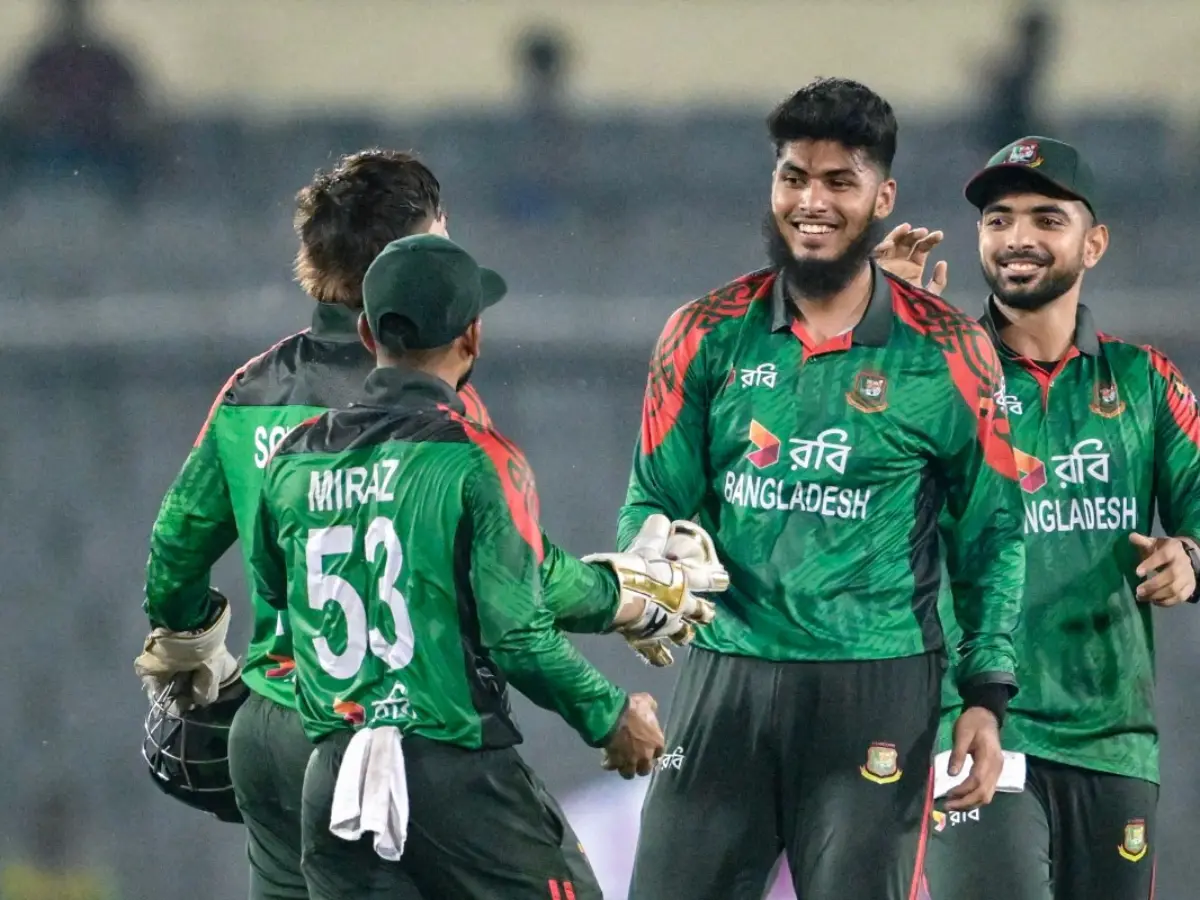
Bangladesh have taken their T20 World Cup 2026 venue dispute with the ICC to the next level by seeking help from the ICC’s independent dispute resolution committee, in a last attempt to get their matches shifted out of India. The Bangladesh Cricket Board (BCB) has once again written to the International Cricket Council (ICC), asking for the intervention of the ICC’s independent dispute resolution committee in their ongoing venue row. BCB wants this committee to look into their demand of shifting their T20 World Cup 2026 matches from India to Sri Lanka.
According to a report by The Times of India, the latest letter was sent just hours after Bangladesh’s sports advisor Asif Nazrul made their position very clear. He stated that the team would not travel to India even if it meant missing the T20 World Cup. The report added that this firm's stance has pushed BCB to try every possible option to keep their World Cup hopes alive.
Also read | Australia hit by fresh injury blow as Nathan Ellis ruled out of BBL finals ahead of T20 World Cup

The ICC, however, has already rejected Bangladesh’s request. Board members have voted strongly in favour of replacing Bangladesh with another team if they refuse to play in India. The global body has also said that it has found no security threat for the Bangladeshi team in India.
What is the dispute resolution committee of ICC?
The dispute resolution committee is an independent body within the ICC system. It is meant to settle disputes related to international cricket when internal talks fail. Member boards, players, officials and other parties can approach this committee. Its main job is to look into the lawfulness and interpretation of ICC decisions, rules and contracts. It is not a forum for normal appeals.
Trending Stories
)
Why asking questions could be more important than memorising answers
)
BRICS Summit 2026 full schedule: Day-wise agenda, timings and key issues - All you need to know
)
BRICS Summit 2026: Iran's Pezeshkian praises PM Modi at BRICS
)
BRICS rejects EU carbon tax as ‘punitive’, ‘discriminatory’; warns of burden on Global South
)
'Iran won't surrender': Pezeshkian sends blunt message to US while attending BRICS Summit in India
)
Why dehydration is the hidden cause of travel fatigue on long flights
)
Top 5 places to visit in Goa beyond its famous beaches
)
'He is popular...': Malaysian PM Anwar Ibrahim's praise for PM Modi during bilateral meeting | WATCH
)
BRICS Summit 2026: 30+ countries seek BRICS membership
)
Frustrated man demolishes his kitchen after thousands flock to see Mother Mary his wife spotted on the wall
)
BRICS Summit 2026: PM Modi, Xi reach key consensus on ties, China to assume BRICS chairmanship in 2027
)
Trump says Canada eager to reach a deal, it could come ‘fairly soon’ if Ottawa treats US farmers better
)
From drones to KAAN fighters: Turkey outlines 229% surge in defence spending amid regional shifts
)
‘Partners, not rivals’: Xi outlines four point plan for stronger India-China ties
)
Could staying indoors all day affect your health?
)
Bigg Boss 20: Uditi Singh reacts to ex Karan Wahi’s possible wildcard entry
)
Why going digital does not always mean becoming more efficient
)
800 million years old - Scientists discover 'fingerprints' of supercontinent Gondwana in ancient rocks
)
Israel spent nearly $470,000 on PM's hair, makeup since 2019, data shows
)
From severe mobility problems to recovery: Madhuri the elephant’s journey of wildlife care
)
BRICS Summit day 1: New Delhi declaration adopted with full consensus, big diplomatic win for India
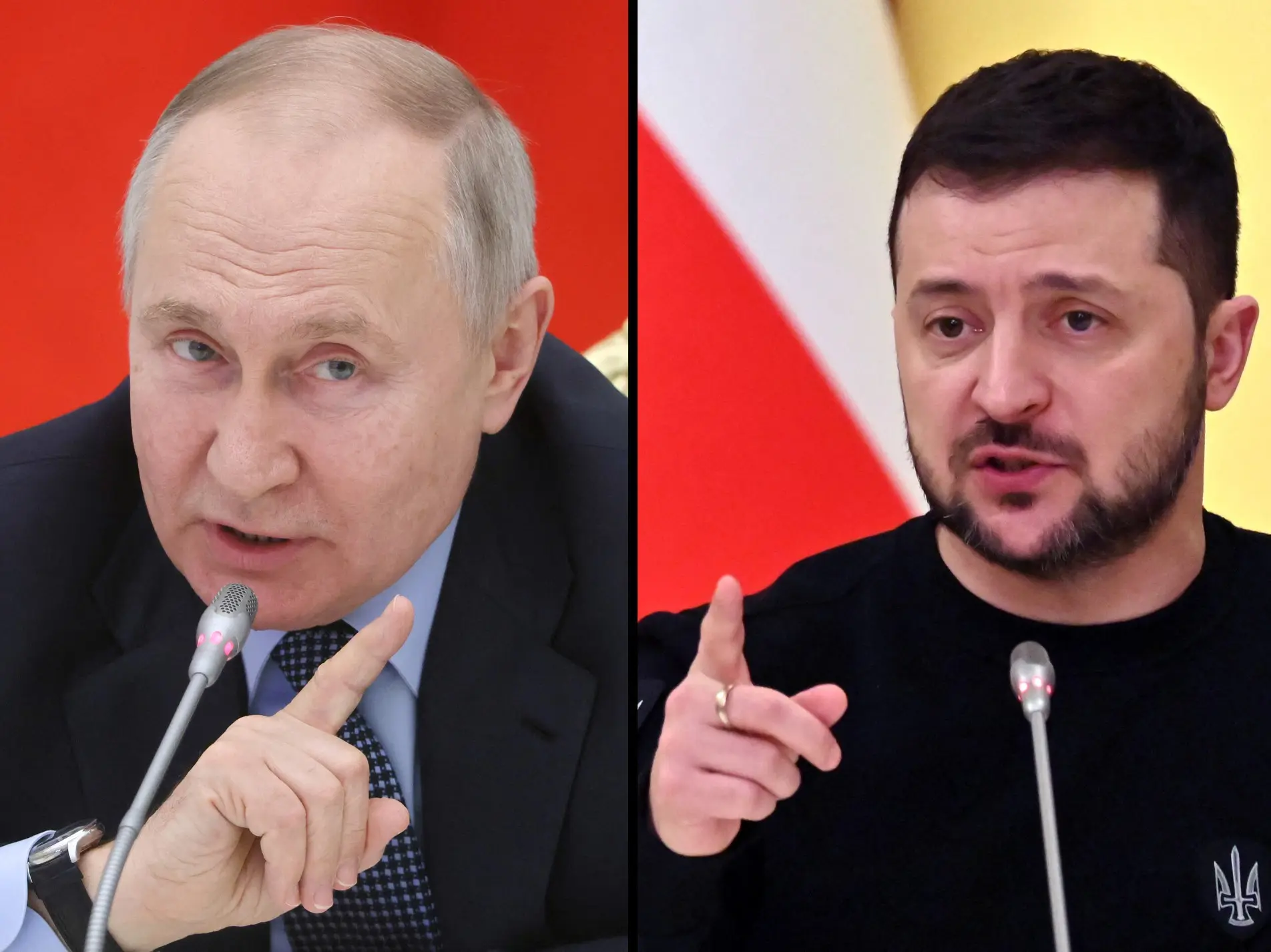)
From India, Putin warns Europe against sending troops to Ukraine, Zelensky expresses willingness to meet him at G20 Summit
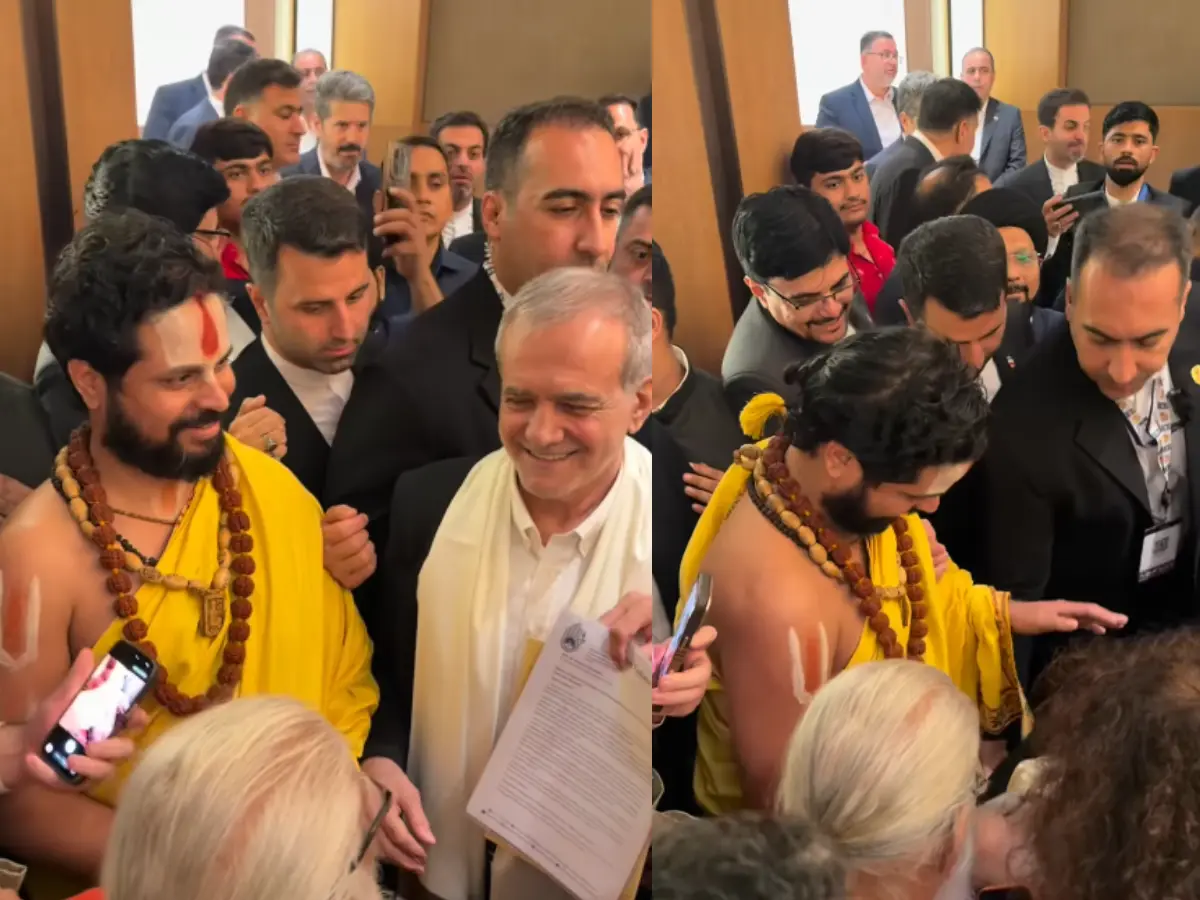)
Did Iran President Pezeshkian touch feet of Hindu spiritual leader at Delhi event as shown in viral video?
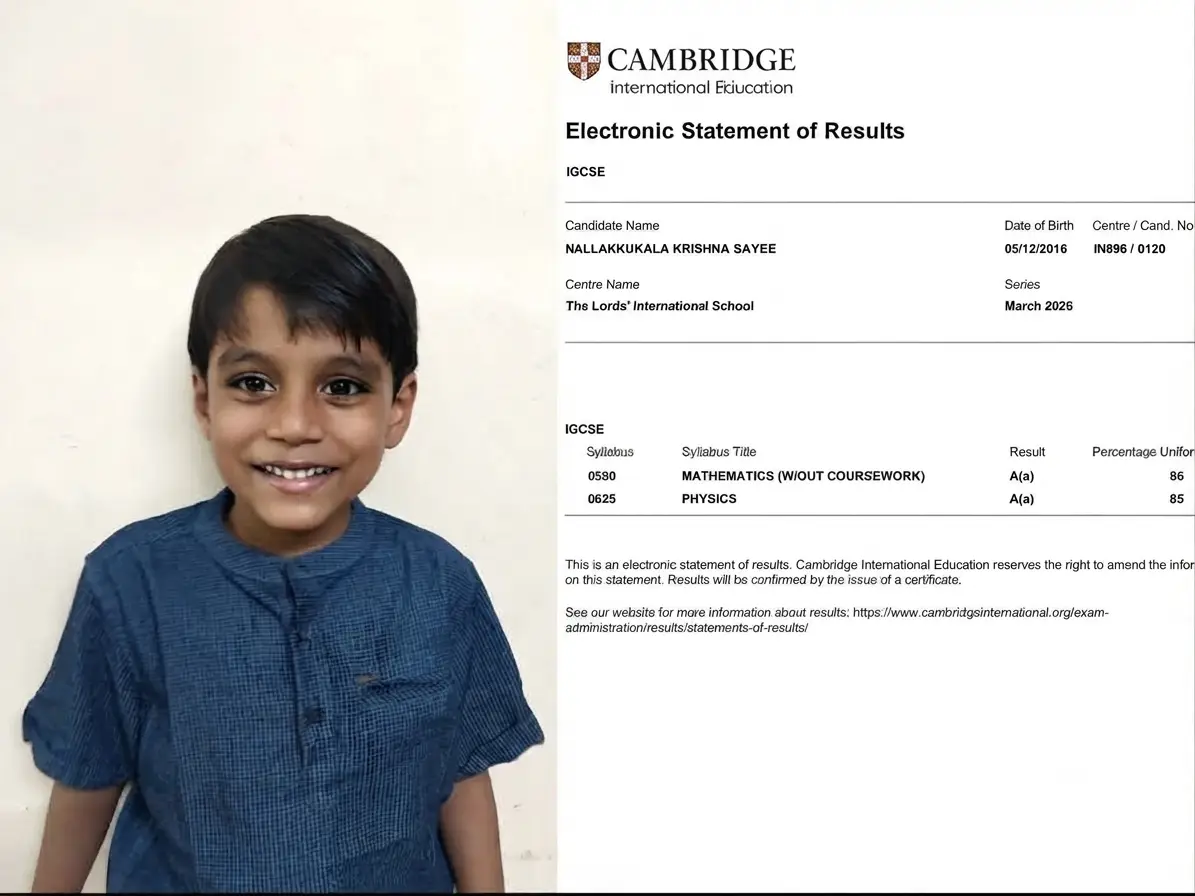)
9-year-old Chennai prodigy clears Cambridge IGCSE grade 10 exams
)
9/11 attack anniversary: The day that changed America forever
)
Why does your body need time to adjust after a long journey?
)
Baba Vanga's first prophecy for 2027 is out, and straight out of science fiction
)
Why does your skin need protection from UV rays?
)
How does the loss of forests affect the way wildlife lives and moves?
)
IND vs AFG, 1st T20I: When and where to watch live streaming in India?
)
Anthropic is giving Claude to schools free, and the reason is not philanthropy
)
BRICS Summit: China resumes Guangzhou-New Delhi flight, issues 'good-neighbourliness' remark ahead of Xi-Modi meet
)
Why do wild animals need quiet places to survive?
)
Humans may lose control of AI: Anthropic CEO calls for slowdown, Altman, Musk back him
As per The Times of India, the committee is based in London and works under English law. Its decisions are final and binding, with almost no scope for appeal. This makes it a powerful platform, and that is why BCB is now pinning its hopes on it.
The ICC, however, has made its stand very clear. In an official statement, the ICC said shifting Bangladesh’s matches “would carry significant logistical and scheduling consequences for other teams and fans worldwide, and would also create precedent-related challenges that risk undermining the neutrality, fairness and integrity of ICC governance.”
With the tournament starting from February 7, time is running out for Bangladesh. Their move to approach the dispute resolution committee now looks like a final attempt to force a change.

