

&imwidth=800&imheight=600&format=webp&quality=medium "'I never even dreamt of something like this', says Neeraj Chopra on organising NC Classic 2025")
In an era where cricket dominates every stretch of India’s sporting landscape, javelin quietly made history under the skies of Bengaluru. The inaugural Neeraj Chopra Classic isn’t just another athletics meet — it is the beginning of something deeper, more powerful. For the athletes, the fans, and for Neeraj himself, this isn’t just a competition; it is a movement.
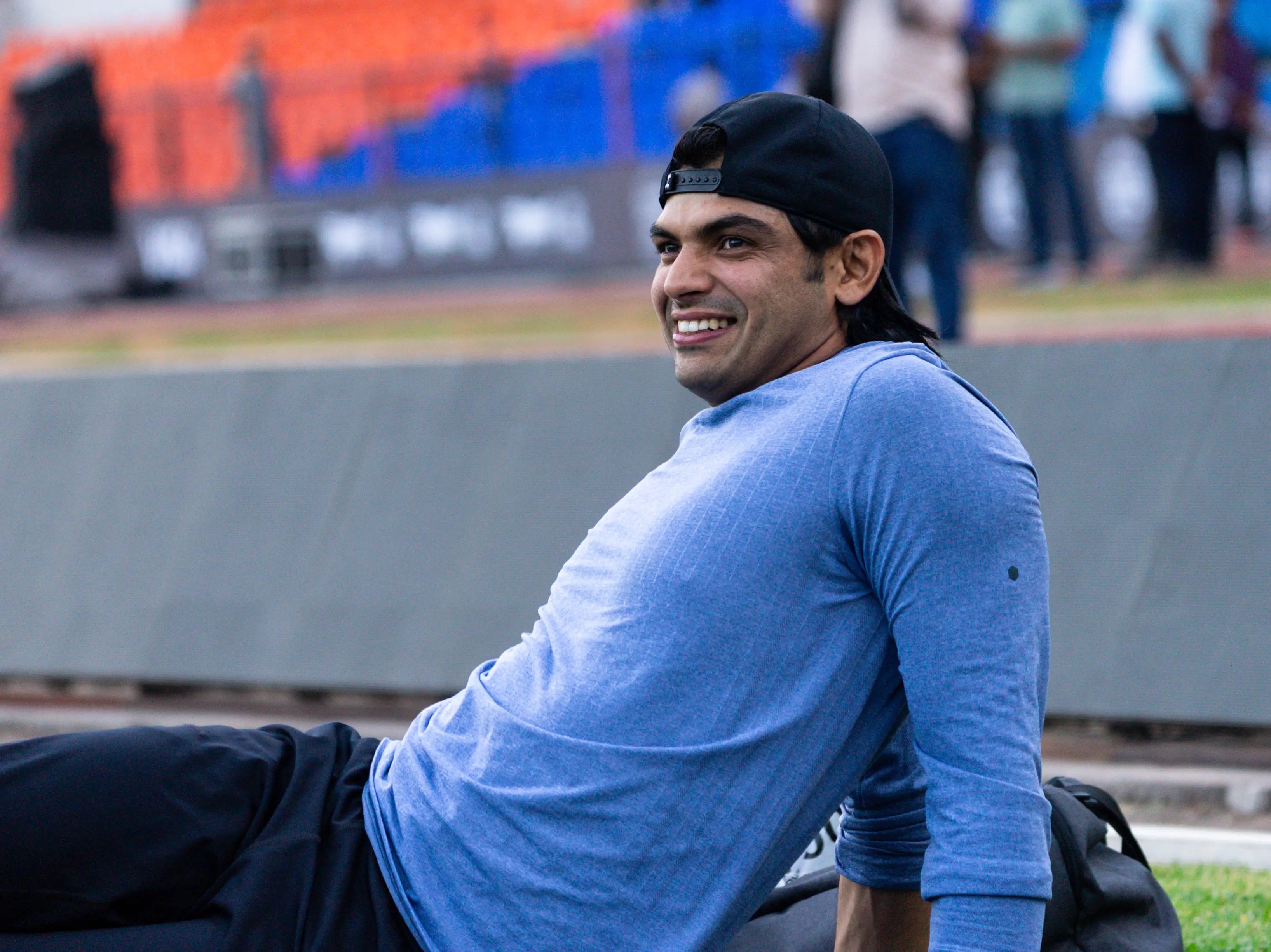
“I never even dreamt of something like this,” Neeraj said during a press conference on Friday (July 5), his voice steady but eyes betraying emotion. “I never thought I’d represent India, win a medal, and then see something like this happen… in India.”
Neeraj wasn’t alone in his sentiment. 2016 Rio Olympic silver medallist Julius Yego and 2016 Rio Olympics gold medalist Thomas Rohler sat beside him, echoed similar hopes — that javelin, often seen as a niche sport, now had a chance to shine in countries where it was once sidelined.
“You say Kenya isn’t popular for javelin? Well, now it is,” Yego said with a smile. “India was cricket-first, but look at this — javelin is coming up, and it’s only going to grow," he added.
Yego's right. The sight of global champions assembling in Bengaluru to compete — not at the World Championships or Olympics, but at an Indian-organised event dedicated solely to javelin — is something surreal. The Classic issn’t just about distance or records. It is about visibility, community, and planting the seeds for future generations.
Thomas Rohler, who has long been more than just a champion thrower but also a mentor through his popular YouTube channel, reflected on this larger vision. “After Neeraj became the best in the world, this was the next logical step,” he said. “Bringing the sport to people not just through screens, but live, right in front of their eyes," he added. His videos, he said, have reached villages across India. “I get messages from kids throwing sticks on dusty fields — it’s beautiful. They’ve only seen javelin on the internet, and now, we’re here — bringing it to them.”
Trending Stories
&imwidth=180&imheight=135&format=webp&quality=medium)
Zohran Mamdani's Garba dance goes viral as he joins Indian community's Navratri celebrations | WATCH
&imwidth=180&imheight=135&format=webp&quality=medium)
SBI confirms data breach: 3,897 records flagged on dark web. Is your money safe?
&imwidth=180&imheight=135&format=webp&quality=medium)
India to develop first indigenous aviation gun for Prachand, Rudra attack helicopters, SSS Defence CEO confirms
&imwidth=180&imheight=135&format=webp&quality=medium)
Man marries off wife of 17 years to her lover in Uttar Pradesh
&imwidth=180&imheight=135&format=webp&quality=medium)
Boeing 737 MAX10 gets FAA certification, deliveries expected to begin in 2027
&imwidth=180&imheight=135&format=webp&quality=medium)
Shastri backs Shami comeback; lauds Bhuvi and warns Bumrah on format workload ahead of World Cup
&imwidth=180&imheight=135&format=webp&quality=medium)
US midterms 2026: Red seats once deemed safe now appear shaky as Republicans spend big on ads
&imwidth=180&imheight=135&format=webp&quality=medium)
'Tap dancing through a minefield': Musk backs SpaceX-Tesla merger as AI boom fuels rocket firm's first profit
&imwidth=180&imheight=135&format=webp&quality=medium)
Dandiya Nite ’26: Indian High Commissioner hails diaspora as bridge between India and Nigeria
&imwidth=180&imheight=135&format=webp&quality=medium)
Trump says Ilhan Omar 'could go to jail' amid federal probe, calls Somalia a 's***house'
&imwidth=180&imheight=135&format=webp&quality=medium)
Punjab CM Bhagwant Mann allegedly detained for three hours at Delhi airport, fined ₹50,000: AAP
&imwidth=180&imheight=135&format=webp&quality=medium)
Trump waves at 'empty space' in viral video,' critics claim 'mental decline getting worse' | WATCH
&imwidth=180&imheight=135&format=webp&quality=medium)
What the Mecca Joint Defence Agreement says about withdrawal and military support. Read full text of the pact here
&imwidth=180&imheight=135&format=webp&quality=medium)
IND vs NZ T20Is: Will Sooryavanshi play? Skipper Shreyas Iyer clears the air on Samson vs Vaibhav debate
&imwidth=180&imheight=135&format=webp&quality=medium)
'You are not Gen Z': Delhi HC pulls up CJP's Das, Ranka over bail bond breach after Jantar Mantar trespass
&imwidth=180&imheight=135&format=webp&quality=medium)
India vs New Zealand T20I Series 2026: Complete schedule, match timings, squads and live streaming details
&imwidth=180&imheight=135&format=webp&quality=medium)
Trump considers removing White House press corps to restore historic indoor swimming pool
&imwidth=180&imheight=135&format=webp&quality=medium)
Ukrainian soldier rescued by a drone chopped off own leg while hiding for 491 days
&imwidth=180&imheight=135&format=webp&quality=medium)
US-Iran war | Tehran: Must end port blockade, oil sanctions and regional attacks
&im=FitAndFill=(700,400)&imwidth=180&imheight=135&format=webp&quality=medium)
Priyanka Chopra to Shilpa Shetty: 6 Bollywood actresses and their fitness secrets
&imwidth=180&imheight=135&format=webp&quality=medium)
Pujara says 'Samson and Vaibhav cannot be in Playing XI' for India on NZ tour
&imwidth=180&imheight=135&format=webp&quality=medium)
'What's wrong with you? Are you a sick person?': Trump at it again as he snaps at reporters, faces backlash
&imwidth=180&imheight=135&format=webp&quality=medium)
US Midterms 2026 and money: From Bloomberg to Musk, corporate donors, super PACs and lobbies, it's all about the cash
&imwidth=180&imheight=135&format=webp&quality=medium)
‘Even legends can fall ill’: Badshah, Anupam Kher and other stars defend Daler Mehndi after Uttarakhand stage controversy
&imwidth=180&imheight=135&format=webp&quality=medium)
'UN experts is an oxymoron': Rubio mocks UN over India protests criticism, refuses to comment on India's internal matter
&im=FitAndFill=(700,400)&imwidth=180&imheight=135&format=webp&quality=medium)
New OTT releases this week (October 19-25, 2026): Gajab Raat to Chaar Yaar-8 titles to watch during Dussehra week on Netflix, Prime Video and more
&imwidth=180&imheight=135&format=webp&quality=medium)
Ukrainian drone airlifts wounded soldier in what is likely a world first
&imwidth=180&imheight=135&format=webp&quality=medium)
The Verdict | Trump, Putin and Xi: A superpower triangle that could reshape global diplomacy
&imwidth=180&imheight=135&format=webp&quality=medium)
India moves to buy 10,000 more AI chips for a national compute pool open to startups
&imwidth=180&imheight=135&format=webp&quality=medium)
'They are not even telling us' - Mysterious metallic object discovered in Minnesota field
&imwidth=180&imheight=135&format=webp&quality=medium)
Hunger makes alcohol more appealing, study finds
&imwidth=180&imheight=135&format=webp&quality=medium)
Cattle-feed bran in biscuits, detergent in milk: FSSAI acts against 3 companies
&imwidth=180&imheight=135&format=webp&quality=medium)
US midterms 2026: With Republicans spending big, Bloomberg opens his wallet for Democrats. Here's how much he is pouring
&imwidth=180&imheight=135&format=webp&quality=medium)
Iran rejects US talks until demands are met, rules out moving enriched uranium out of the country
&imwidth=180&imheight=135&format=webp&quality=medium)
Feds obtain DNA evidence that could prove Ilhan Omar married her brother: Report
&imwidth=180&imheight=135&format=webp&quality=medium)
Ramayana advance booking: Ranbir Kapoor, Yash's film cross $500K ahead of Diwali release
&imwidth=180&imheight=135&format=webp&quality=medium)
French military plane crashes in northeast France, one dead
&imwidth=180&imheight=135&format=webp&quality=medium)
Delhi HC agrees to hear Neha Bora's plea against 'maintain peace' directive on 'urgent basis'
Neeraj, for his part, is balancing dual roles — competitor and organiser. “The athlete in me is always up,” he said, brushing off questions about fatigue. “Even today I trained. This is the dream I had — throwing here, with others throwing beside me, in India. That it’s finally happening is emotional.”
The logistical hurdles weren’t small. The event had been rescheduled once, some athletes withdrew, and funding questions lingered. But Neeraj was clear: “For now, it’s not about business models. Our focus is to make this successful. That’s it.”
India’s next-gen star — Sachin Yadav sat on stage, nervous but determined. “This is a huge opportunity,” Sachin said. “To compete with legends, in India, is something else. Yes, there’s pressure. But I am going to give my best.”
And while the spotlight was on India, the vision was global. “You never know,” Yego said. “Next year, maybe Kenya will host a javelin-only event. Or Germany. It’s all possible now.”
And so, as Bengaluru is all set to host its first international javelin-only competition, the stage is set for more than medals. This is India saying: we belong here. This is the sport saying: we’re just getting started. And this is Neeraj Chopra proving, once again, that gold isn’t just something you wear — sometimes, it’s something you give back.

