

&imwidth=800&imheight=600&format=webp&quality=medium "'Catch the SELLERS, not just the ATHLETES': World Athletics vice-president Adille Sumariwalla calls for criminalising doping in India")
Indian athletics is no longer willing to look the other way. At a time when medals, money, and reputation collide, Adille Sumariwalla, vice president of World Athletics and the spokesperson for Athletics Federation of India (AFI), has drawn a hard line: clean sport is non-negotiable, and doping must become a criminal offence in India. Speaking at length on selection policies, athlete accountability, and anti-doping reforms, Sumariwalla made it clear that bans and suspensions alone will not fix the problem. “Testing more is not a bad thing. It’s a good thing. If numbers are high, it is because we are testing more.”
Why criminalisation, not just bans, is the real deterrent
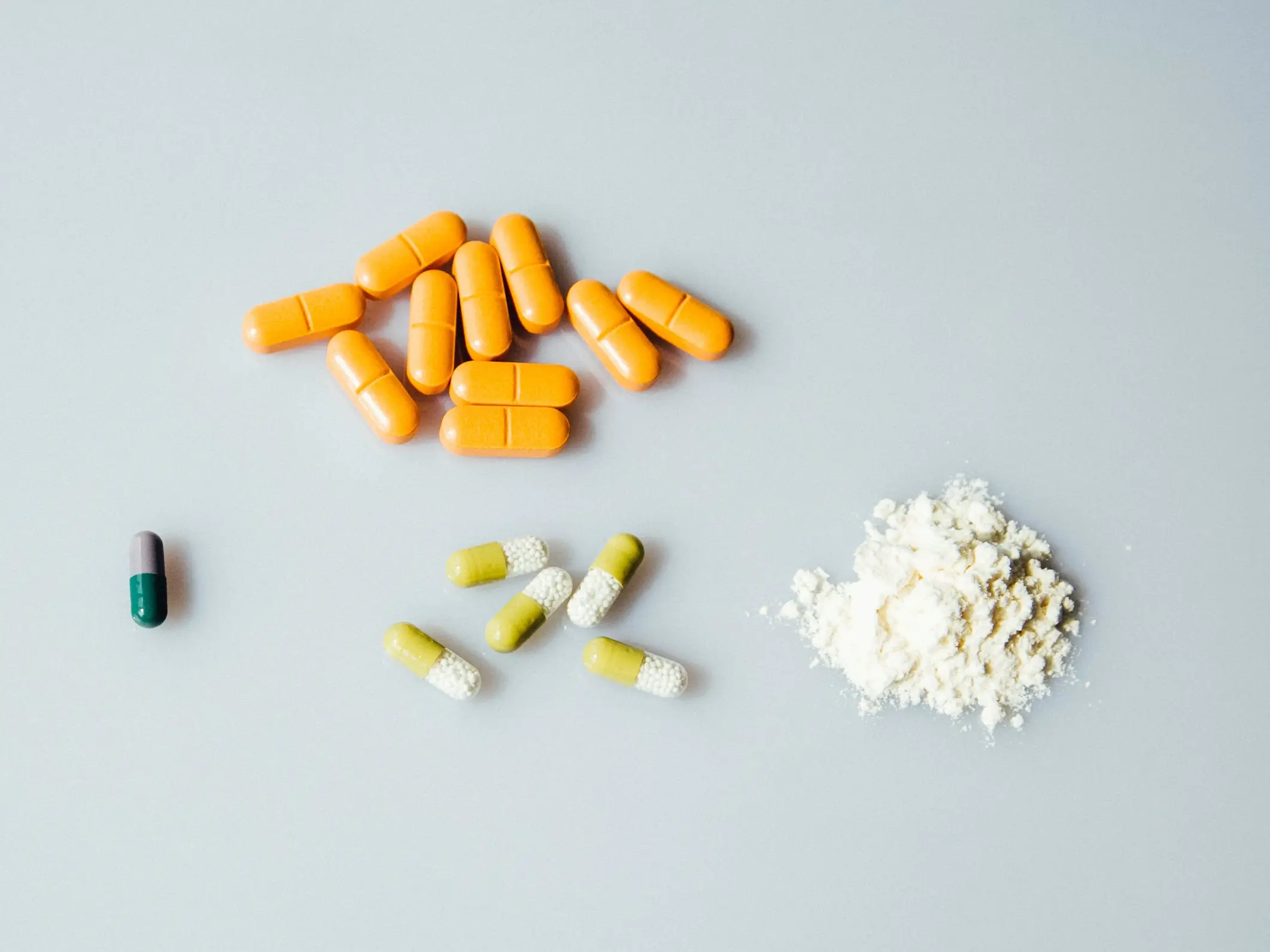
According to Sumariwalla, athletes are often the last link in a much larger and more dangerous supply chain, one that includes coaches, middlemen, stockists, and even medical practitioners. “The athlete is just a carrier. The real people are sitting safely at home.” He pointed out that 10–12 countries have already criminalised doping, leading to significant reductions in organised doping networks. India, he argued, cannot continue treating doping as a sporting offence alone.
“In Kenya, a man was caught with a bag of drugs and sent to jail for three years. Has anyone gone to jail in India? No.”
Sumariwalla revealed that AFI has submitted an exhaustive proposal to the government of India, backed by extensive global research, pushing for legal amendments that target those who sell, distribute, and administer banned substances, not merely athletes who test positive. “Catch four or five of these people. Put them in jail. That itself will be a deterrent.”
More testing, tougher selection: ‘No passengers allowed’
Trending Stories
&imwidth=180&imheight=135&format=webp&quality=medium)
No Ravindra Jadeja, Yashasvi Jaiswal in India’s 2027 ODI World Cup plans: Report
&imwidth=180&imheight=135&format=webp&quality=medium)
Researchers name newly discovered Andean plant after Argentina legend Lionel Messi
&imwidth=180&imheight=135&format=webp&quality=medium)
Netanyahu rival Benny Gantz quits Israel election race, vows to push for unity government
&imwidth=180&imheight=135&format=webp&quality=medium)
Asian Para Games: Nishad Kumar clinches T47 long jump gold; Ravi Budigina bags swimming silver
&im=FitAndFill=(700,400)&imwidth=180&imheight=135&format=webp&quality=medium)
Tesla Roadster engineering: The hidden hardware behind its flying demonstration
&imwidth=180&imheight=135&format=webp&quality=medium)
PCB omits Atherton, Hussain from tri-series commentary panel over Imran Khan interview row
&imwidth=180&imheight=135&format=webp&quality=medium)
After Kennedy Center and reflecting pool disputes, Trump turns to Washington golf course plan amid legal battle
&imwidth=180&imheight=135&format=webp&quality=medium)
4 killed, 19 critically injured in grass fire at Canada's largest military base
&im=FitAndFill=(700,400)&imwidth=180&imheight=135&format=webp&quality=medium)
Ghaziabad is world's fastest-growing city; Surat, Patna, Rajkot also feature on list
&imwidth=180&imheight=135&format=webp&quality=medium)
India moves to buy 10,000 more AI chips for a national compute pool open to startups
&imwidth=180&imheight=135&format=webp&quality=medium)
US to review Russia sanctions waiver within 60 days as Rubio cites India’s ‘substantial’ Russian energy imports
&imwidth=180&imheight=135&format=webp&quality=medium)
Anthropic’s public benefit plan: What its 5% share commitment means for AI’s future
&imwidth=180&imheight=135&format=webp&quality=medium)
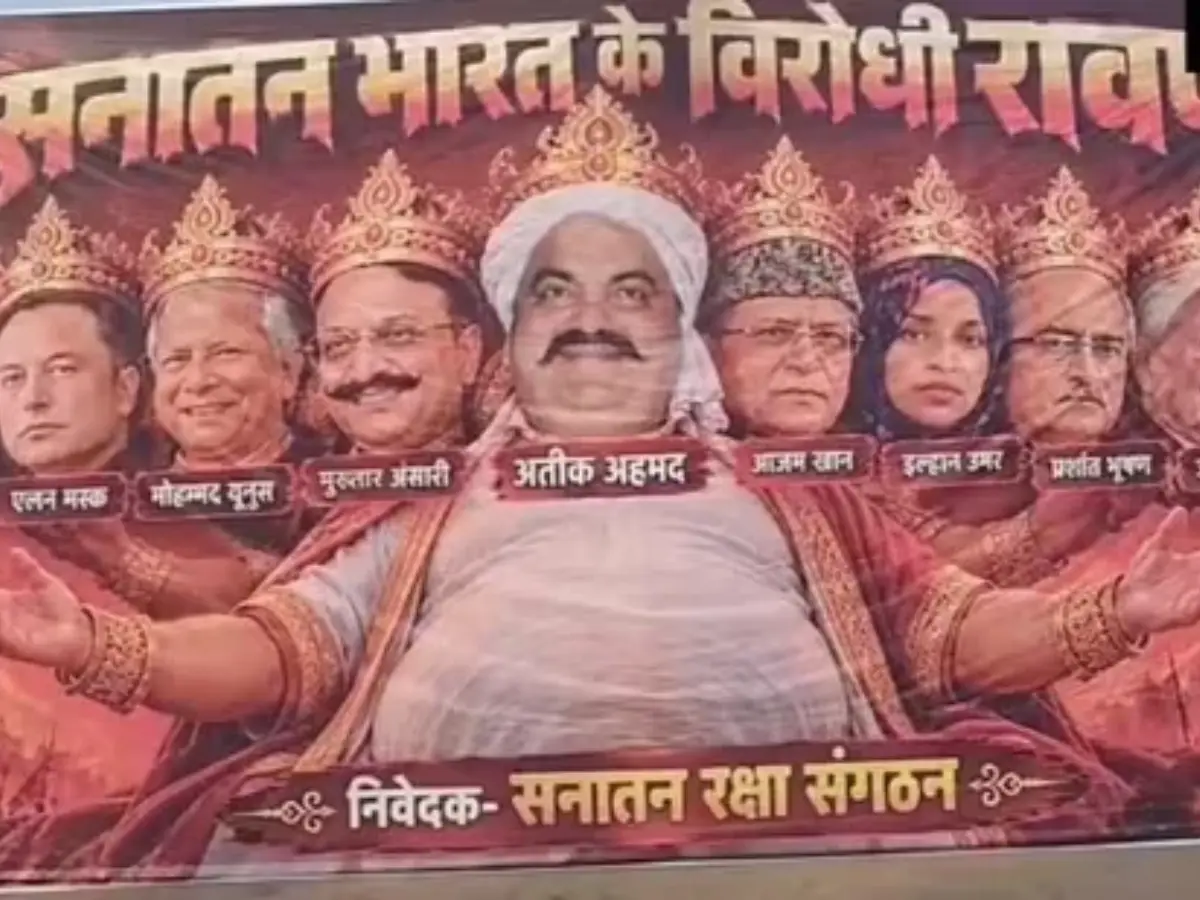
Elon Musk features on Lucknow's 'anti-India' Ravan poster alongside Rahul Gandhi, Akhilesh
&imwidth=180&imheight=135&format=webp&quality=medium)
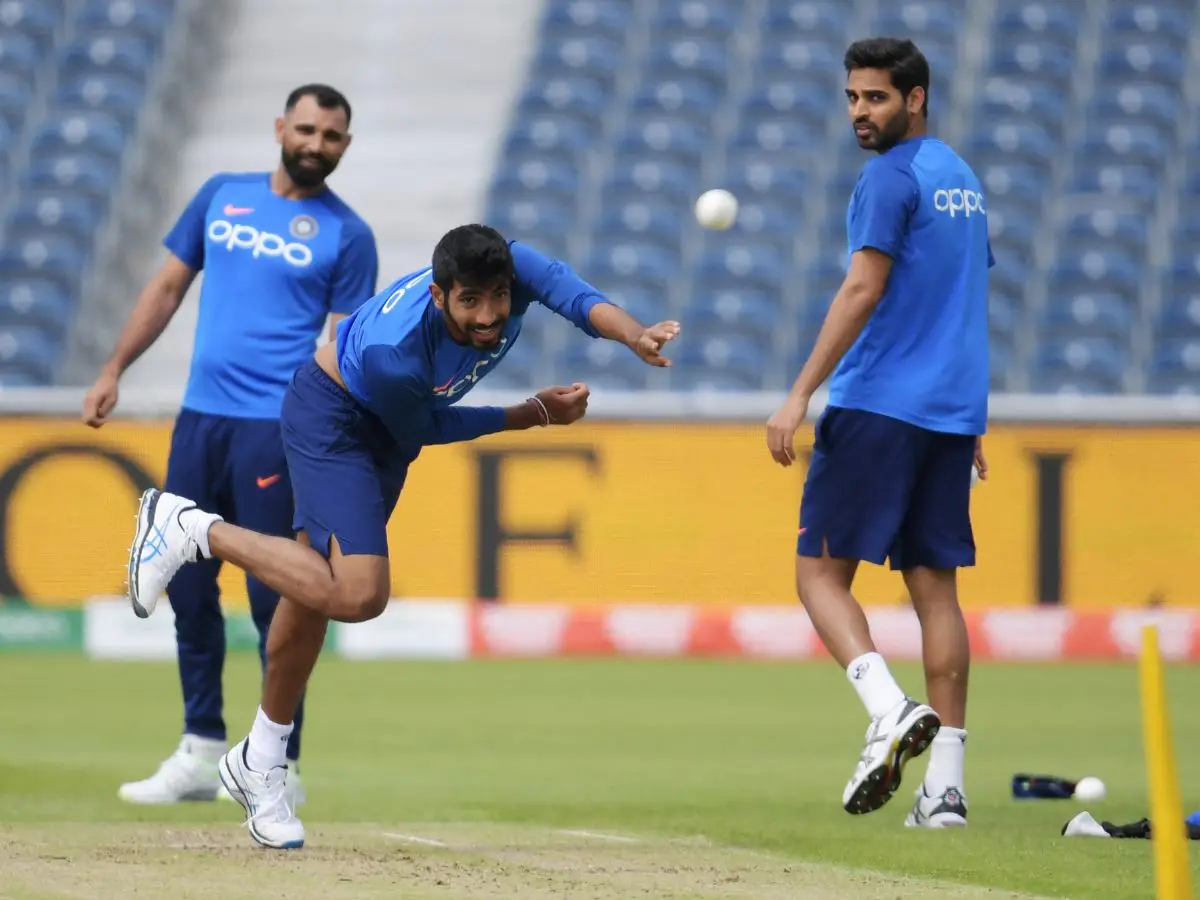
Shastri backs Shami comeback; lauds Bhuvi and warns Bumrah on format workload ahead of World Cup
&imwidth=180&imheight=135&format=webp&quality=medium)
Girl 'dead' for 8 hours wakes up at her own funeral, dad insists she wasn't breathing
&imwidth=180&imheight=135&format=webp&quality=medium)
MI5 is opening an AI threat centre, and OpenAI just told MPs the worst isn't over
&imwidth=180&imheight=135&format=webp&quality=medium)
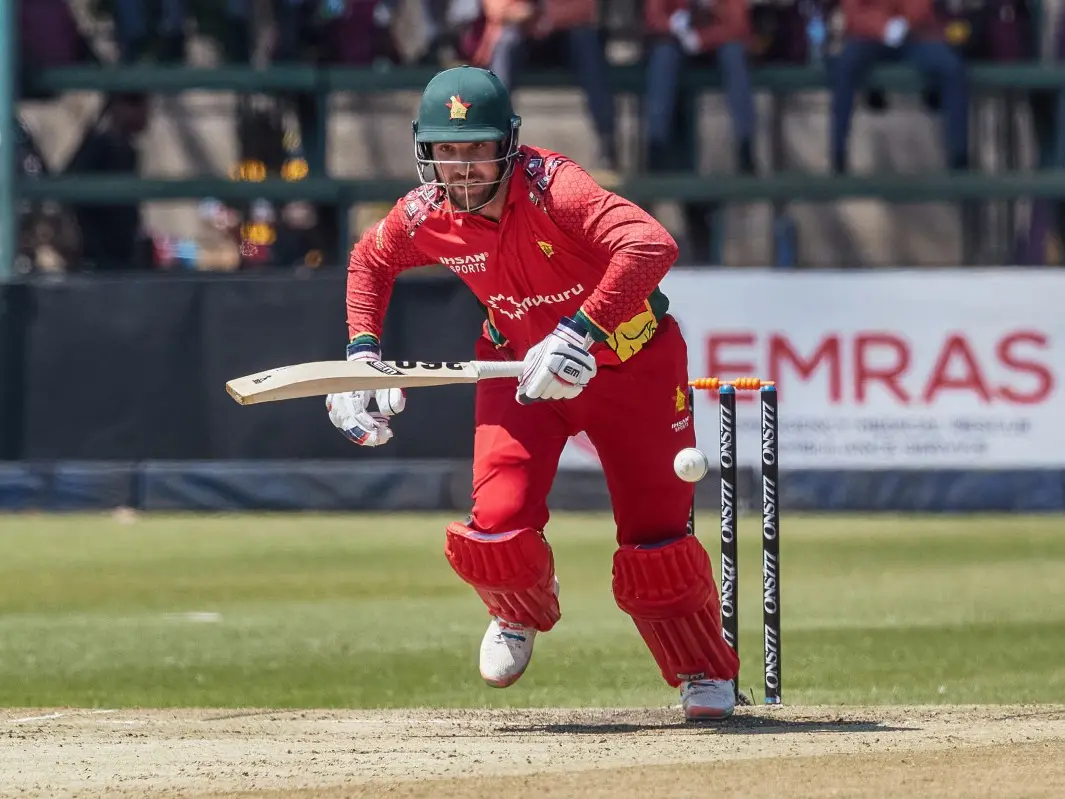
Brendan Taylor overtakes Andy Flower to become Zimbabwe’s leading ODI run-scorer
&imwidth=180&imheight=135&format=webp&quality=medium)
Karan Johar reimagines Student Of The Year with thriller series After Dark, Shanaya Kapoor to debut on OTT
&imwidth=180&imheight=135&format=webp&quality=medium)
Priest dies after crucifix falls on his head during livestreamed Mass in Ecuador | VIDEO
&imwidth=180&imheight=135&format=webp&quality=medium)
Cattle-feed bran in biscuits, detergent in milk: FSSAI acts against 3 companies
&imwidth=180&imheight=135&format=webp&quality=medium)
'Grassroots leagues help bridge the gap': India's ODI WC winner Suresh Raina lauds ISCL ahead of Season 2
&imwidth=180&imheight=135&format=webp&quality=medium)
Flying car race: Alef Aeronautics welcomes Tesla Roadster '11 years' later, but are the two models the same?
&im=FitAndFill=(700,400)&imwidth=180&imheight=135&format=webp&quality=medium)
New OTT releases this week (October 19-25, 2026): Gajab Raat to Chaar Yaar-8 titles to watch during Dussehra week on Netflix, Prime Video and more
&imwidth=180&imheight=135&format=webp&quality=medium)
Anirudh Ravichander-Kavya Maran wedding: Telangana CM reveals Chennai reception date
&imwidth=180&imheight=135&format=webp&quality=medium)
China responds to Trump's Press Secretary Katie Zacharia after toilet remark: 'Visit China more often'
&imwidth=180&imheight=135&format=webp&quality=medium)
'It's a joy to see the makers bring it on such a grand scale': SS Rajamouli on Ramayana
&imwidth=180&imheight=135&format=webp&quality=medium)
NFl 2026/27 - Saints vs Steelers to go ahead in Paris next week despite protest
&imwidth=180&imheight=135&format=webp&quality=medium)
Kylie Jenner makes Victoria’s Secret debut in $50 million diamond-encrusted design as Timothée Chalamet cheers
&imwidth=180&imheight=135&format=webp&quality=medium)
Nobel laureate Machado, who dedicated prize to Trump, confirmed as Venezuela opposition leader
&imwidth=180&imheight=135&format=webp&quality=medium)
Saudi Arabia asks skyscraper employees to work from home amid Houthi threats
&imwidth=180&imheight=135&format=webp&quality=medium)
Why France looks the most fragile in the G7 amid protests and budget deadlock
&imwidth=180&imheight=135&format=webp&quality=medium)
'We feel like Mr India': Gujarat’s undercover SHE team guard garba nights at Navratri
&imwidth=180&imheight=135&format=webp&quality=medium)
Putin wants joint meeting with Trump-Xi summit on Ukraine war, proposes talks alongside APEC: Report
&imwidth=180&imheight=135&format=webp&quality=medium)
Lawrence Bishnoi gang claims responsibility for firing at Tiger Shroff over ties to Salman Khan
Indian athletics has often been criticised for the number of doping cases it reports. Sumariwalla rejected the idea that this reflects systemic failure. “If you test more, more people will get caught. That doesn’t mean the system is worse; it means it’s working.” AFI has expanded testing beyond national camps to state-level competitions, where violations often begin. Random testing at state meets, in coordination with NADA, is now central to the federation’s strategy.
This philosophy extends to selection as well. With the Asian Games approaching, AFI has deliberately set qualification standards tougher than the government-mandated sixth-place benchmark in several events. “We don’t want to miss a medal, and we don’t want to take passengers.” Athletes are now required to compete in multiple competitions, including mandatory state meets, and show consistent performance trends, not one-off peaks.
“People qualify in January, then do nothing, take government money, and don’t perform later. That cannot continue.” Final selections remain entirely with an independent committee comprising Olympians, Arjuna Awardees, Asian medalists, and Khel Ratna recipients, with strict conflict-of-interest declarations in place.
Asian Games first, reputation second
Sumariwalla made it clear that India’s 29-medal haul at the previous Asian Games has raised internal expectations, and sentiment or star power will not override performance, fitness, or form. “Certain calls have to be taken. Everybody may not agree, but for me, it’s India first.” He cited past instances where resisting pressure to field high-profile athletes protected India’s medal prospects, reinforcing AFI’s stance that tough decisions are sometimes necessary to win cleanly. Even elite athletes, he stressed, are subject to the system, though exceptions may be granted with prior approval for international commitments.
‘There is only one Neeraj Chopra’
"We are not foolish to restrict our athletes,” Adille Sumariwalla said, underlining that while elite athletes may be granted flexibility for international commitments like the Diamond League, rules cannot be bent for everyone. “For other athletes, the rules are the same. They have to seek permission. The final call still lies with the selection committee,” he added. Speaking about Chopra’s physical condition, Sumariwalla said the two-time Olympic medalist is currently focused on recovery. “He had two injuries. Hats off to him for he still competed at the World Championships. No other athlete would have done that. We told him not to, but he said, ‘Sir, I will try,’” Sumariwalla said.
Protecting the future: Juniors, incentives and early specialisation
Beyond elite sport, Sumariwalla expressed deep concern about the impact of early specialisation and incentivisation at junior levels, linking both to doping vulnerability. “We are catching them young, and killing them young.” Global research, he said, shows that only a tiny fraction of junior medalists successfully transition to senior elite performance. AFI has therefore scaled back early specialisation through modified events and shorter run-ups, encouraging young athletes to play multiple sports.
He also questioned cash incentives for juniors, proposing instead that rewards be deferred until athletes are older and have remained clean. “Put it into a fund and give it to them at 25, if they haven’t been caught in doping.” Education initiatives, including widespread distribution of anti-doping materials, are ongoing, but Sumariwalla remains clear-eyed about their limits. “Till there is proper deterrence, education alone will not work.”
Adille Sumariwalla’s message is unambiguous: India cannot build a credible sporting future without confronting doping at its source. Through criminalisation, expanded testing, tougher selection standards, and a long-term development vision, Indian athletics is attempting a difficult but necessary course correction. “Clean medals matter more than easy medals.”

