Shehbaz Sharif 'elected' Pakistan PM weeks after disputed polls

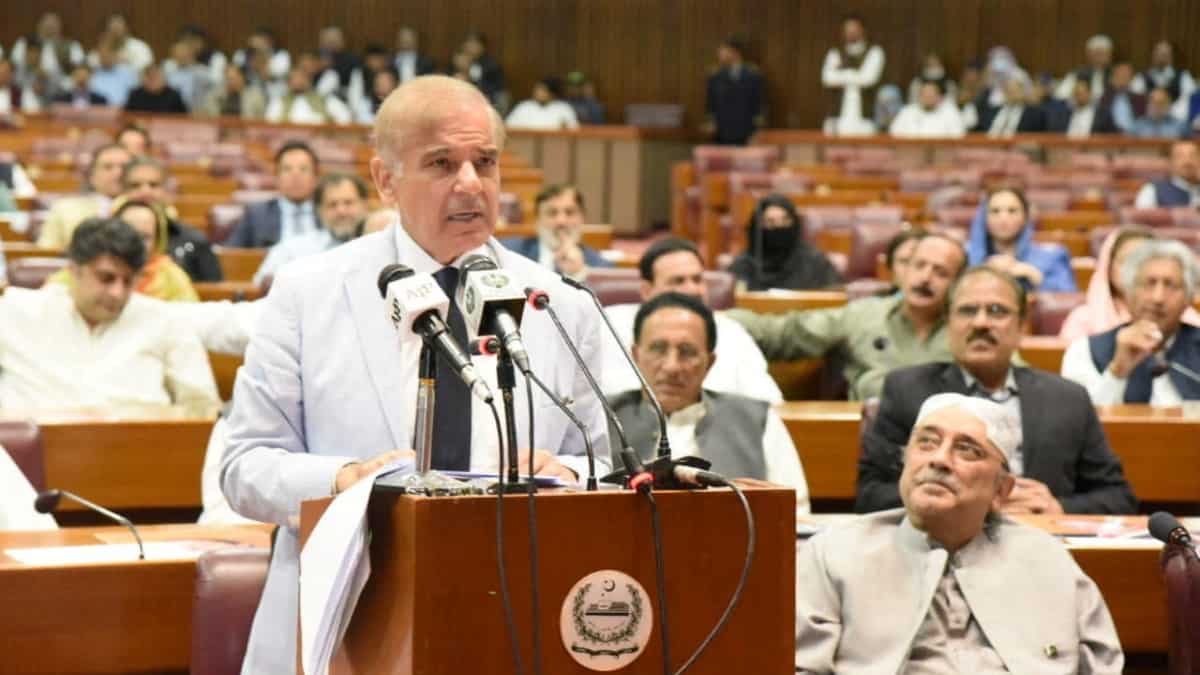
File photo of Pakistan's prime minister-elect Shehbaz Sharif in country's National Assembly
Shehbaz Sharif, the Pakistan Muslim League (Nawaz) leader and brother of the three-time prime minister Nawaz Sharif, managed to win enough votes in the National Assembly to be the country's 25th prime minister weeks after the February 8 elections were held in the backdrop of violence, snapped internet and widespread accusations of rigging.
The vote in the National Assembly was held amid widespread uproar and sloganeering by the PTI-backed lawmakers who have accused that their 'mandate' has been stolen to prevent Imran Khan from returning to power.
The PTI-backed candidates put up Omar Ayub Khan, the grandson of former Pakistani military ruler Ayub Khan, as the prime ministerial candidate.

Shehbaz Sharif got 201 votes in his favour while Omar Ayub Khan won 92 votes.
Sharifregained the top job after his party buried the differences with the powerful military.
At the time, Nawaz Sharif was in self-imposed exile in London and disqualified from holding public office. He returned to Pakistan in October.
)
US Supreme Court backs Trump administration's use of SAVE database to check voter citizenship
)
Outrage erupts after 3-year-old is married to 60-year-old man in Pakistan, link to her sister's murder being probed
)
‘Anti-social elements spreading false rumours’: LPU issues statement amid massive unrest over alleged rape
)
LPU students go on rampage, vandalise campus amid widespread protest: What's happening
)
OpenAI AI Agents hacked 4 websites before Hugging Face, researchers reveal
)
Pentagon quietly adds 37 wounded troops to Iran war tally without explaining when or how
&im=FitAndFill=(700,400))
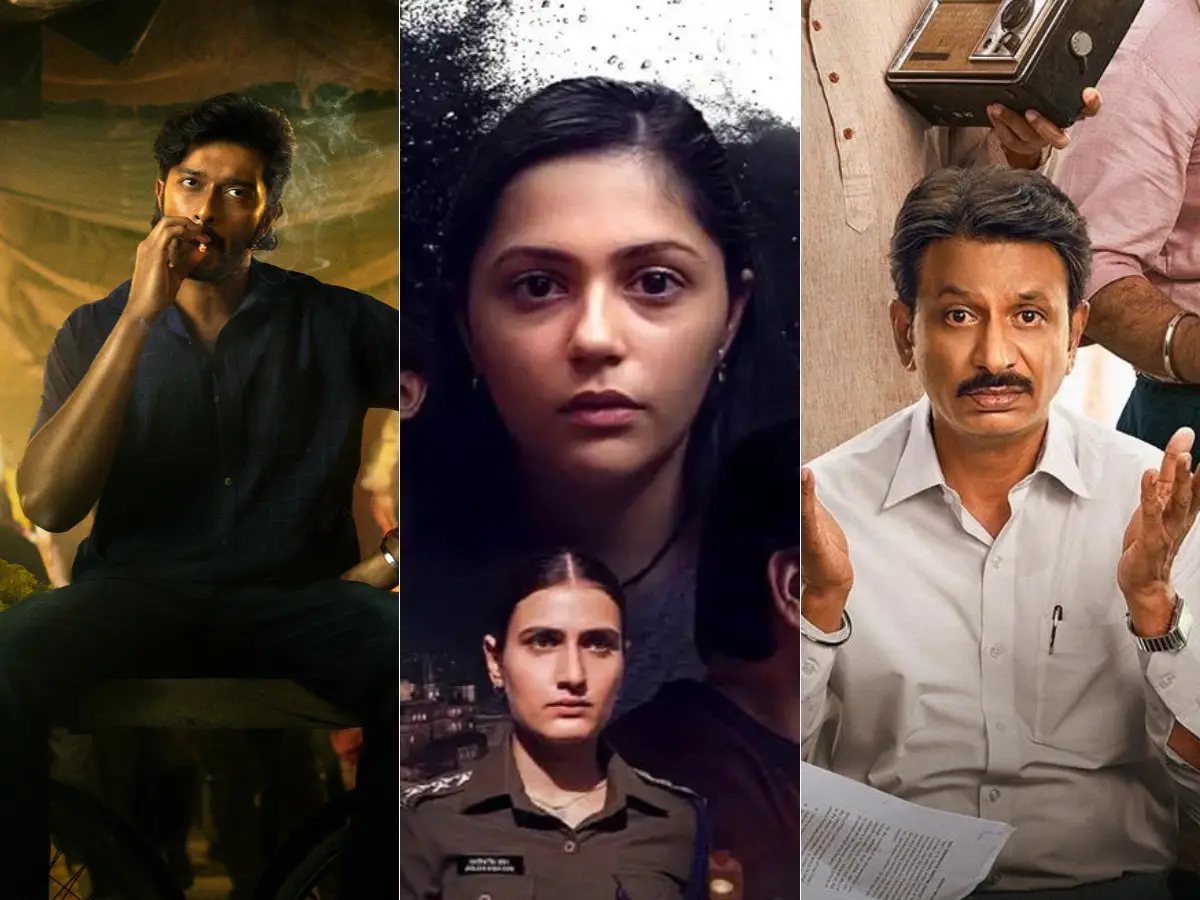
New Friday OTT releases (September 25, 2026): Don’t Be Shy, Hunkkaar: The Roar, Mango Pachcha- 6 movies and TV shows on Netflix, Prime Video and more
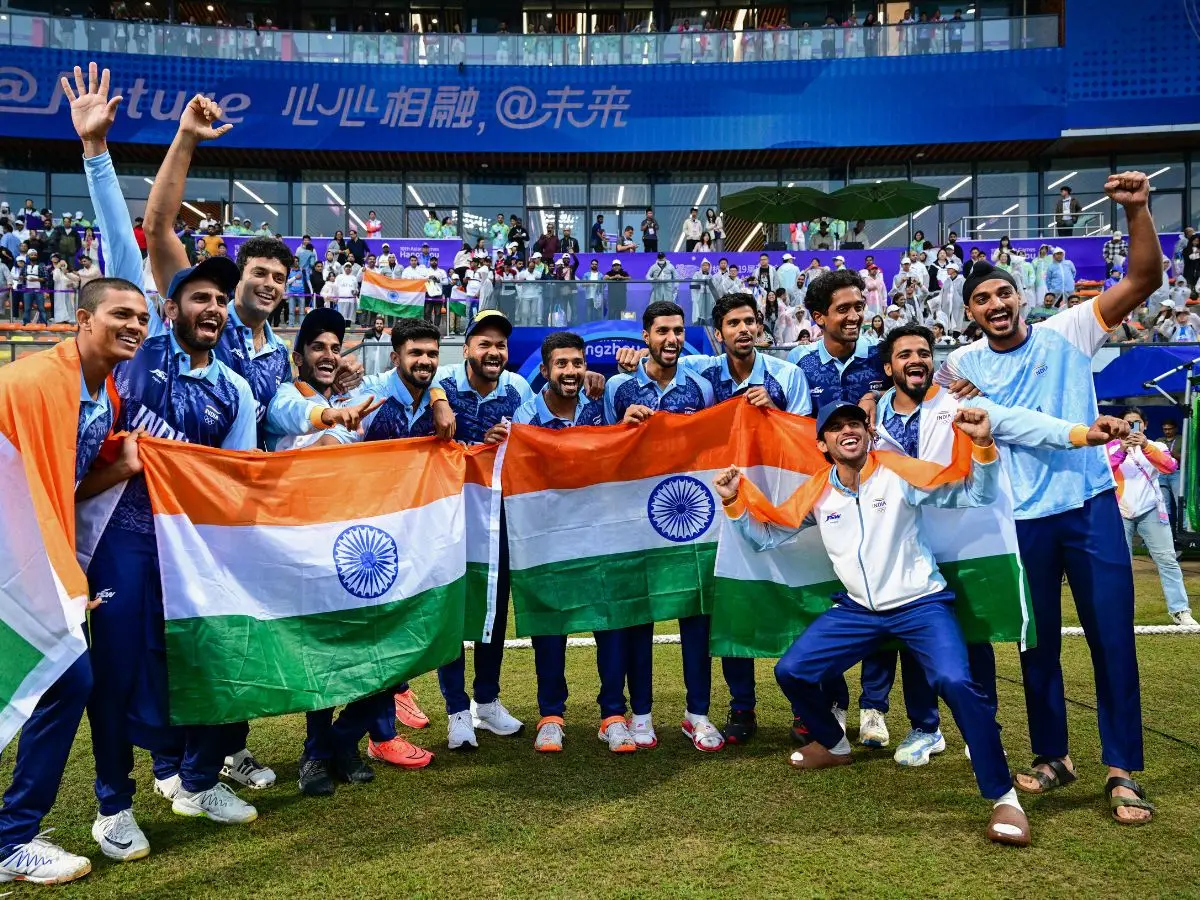)
Asian Games 2026: India face Afghanistan in quarterfinal on Sep 28; Pakistan clash with Hong Kong
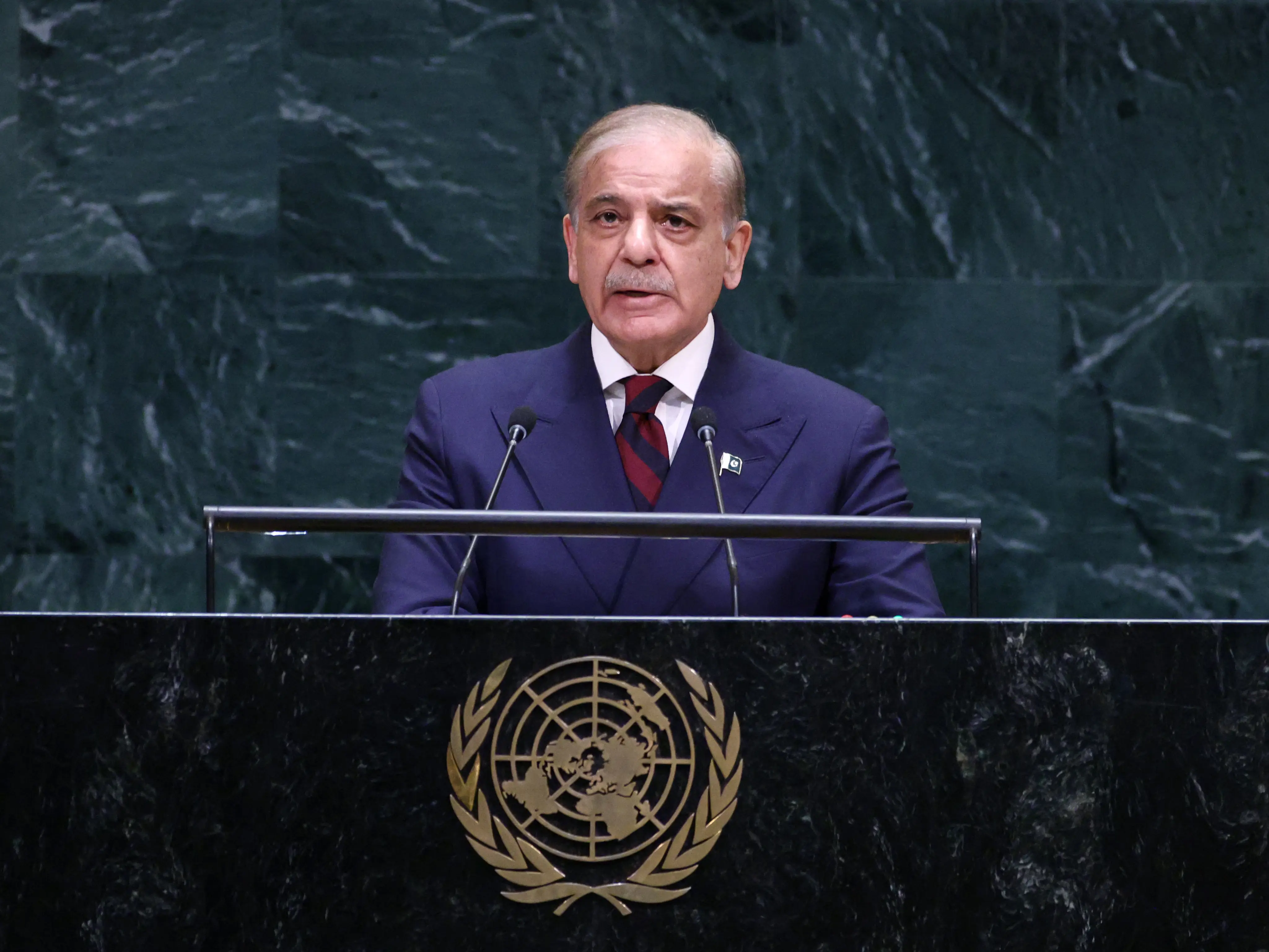)
‘Attack on Mecca a red line for Pakistan’: Shehbaz Sharif warns Houthis at UN
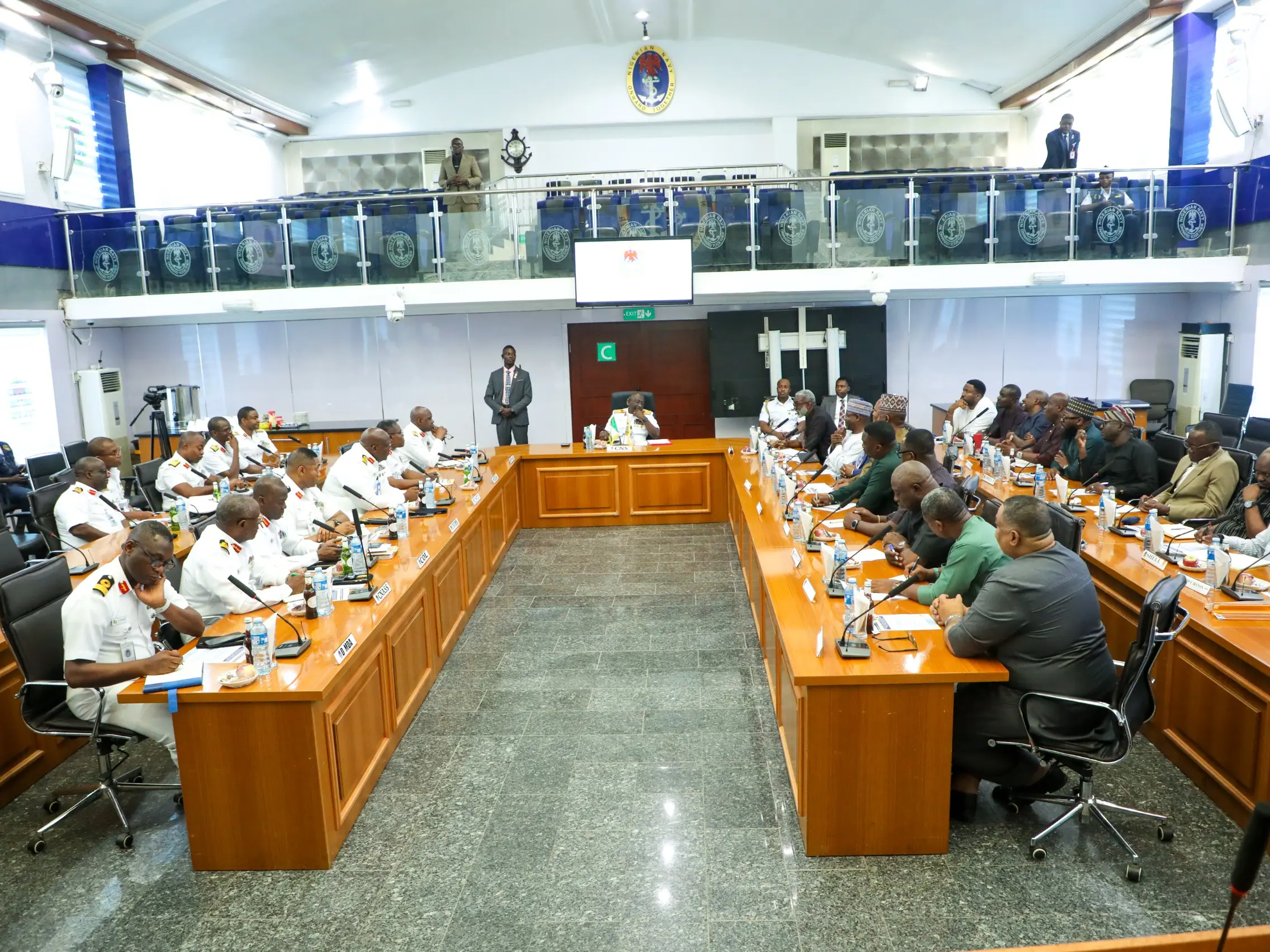)
Nigeria Navy moves to boost oil security, tackle crude theft and infrastructure threats
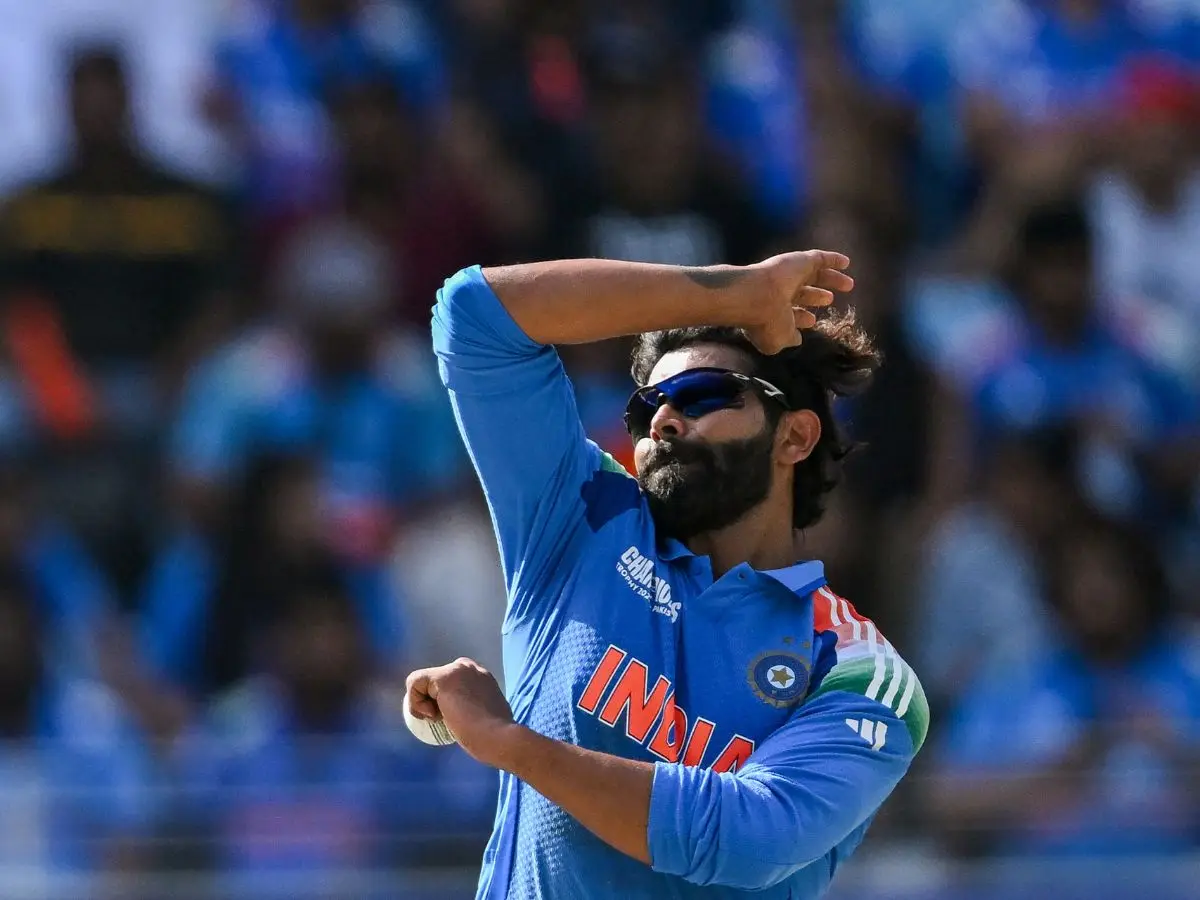)
'He's very much in our plans': Ravindra Jadeja ‘in mix’ for 2027 ODI World Cup, says batting coach
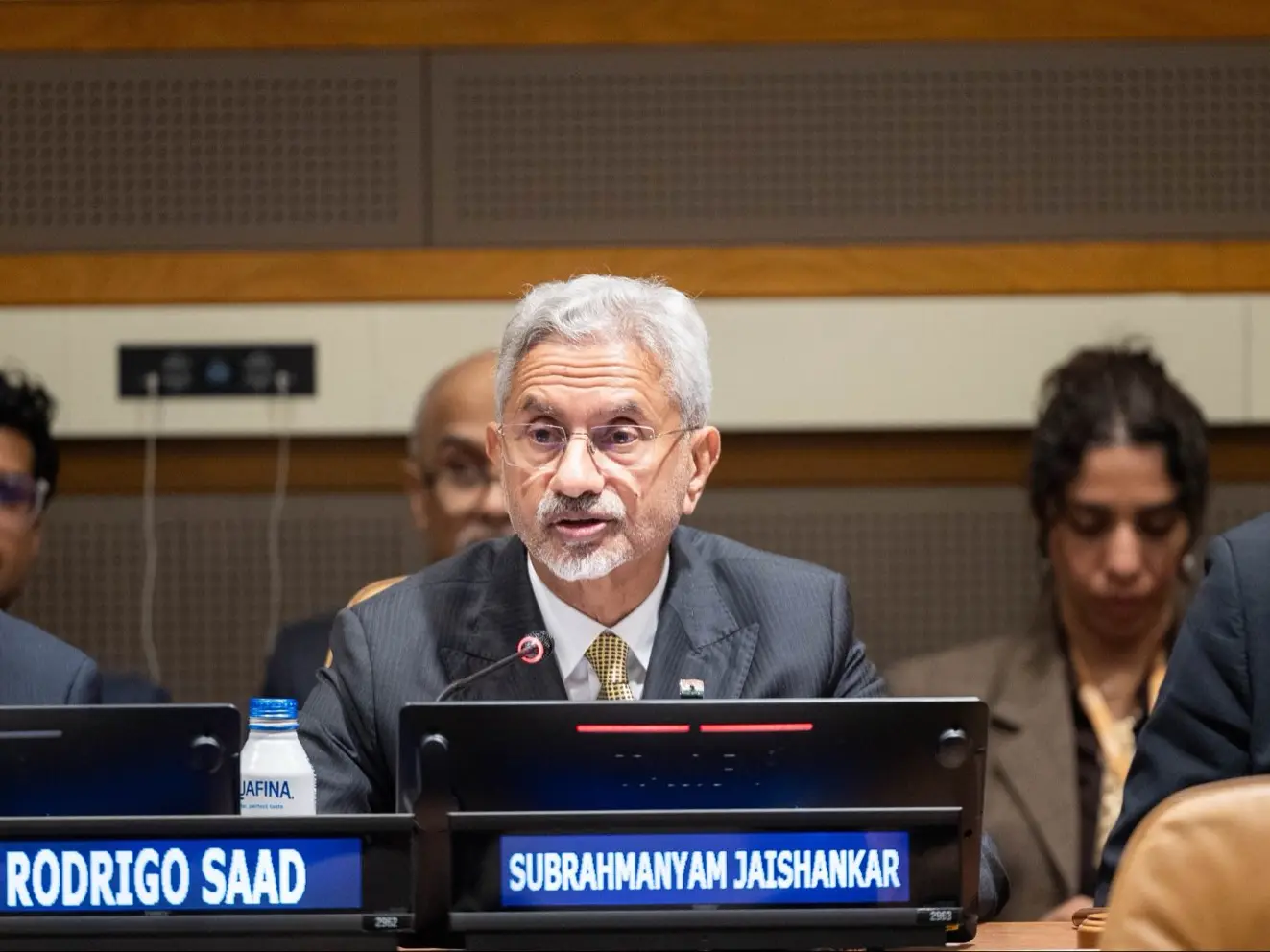)
'Countries far from conflict are penalised': Jaishankar calls for Gulf peace, seafarer safety at UN
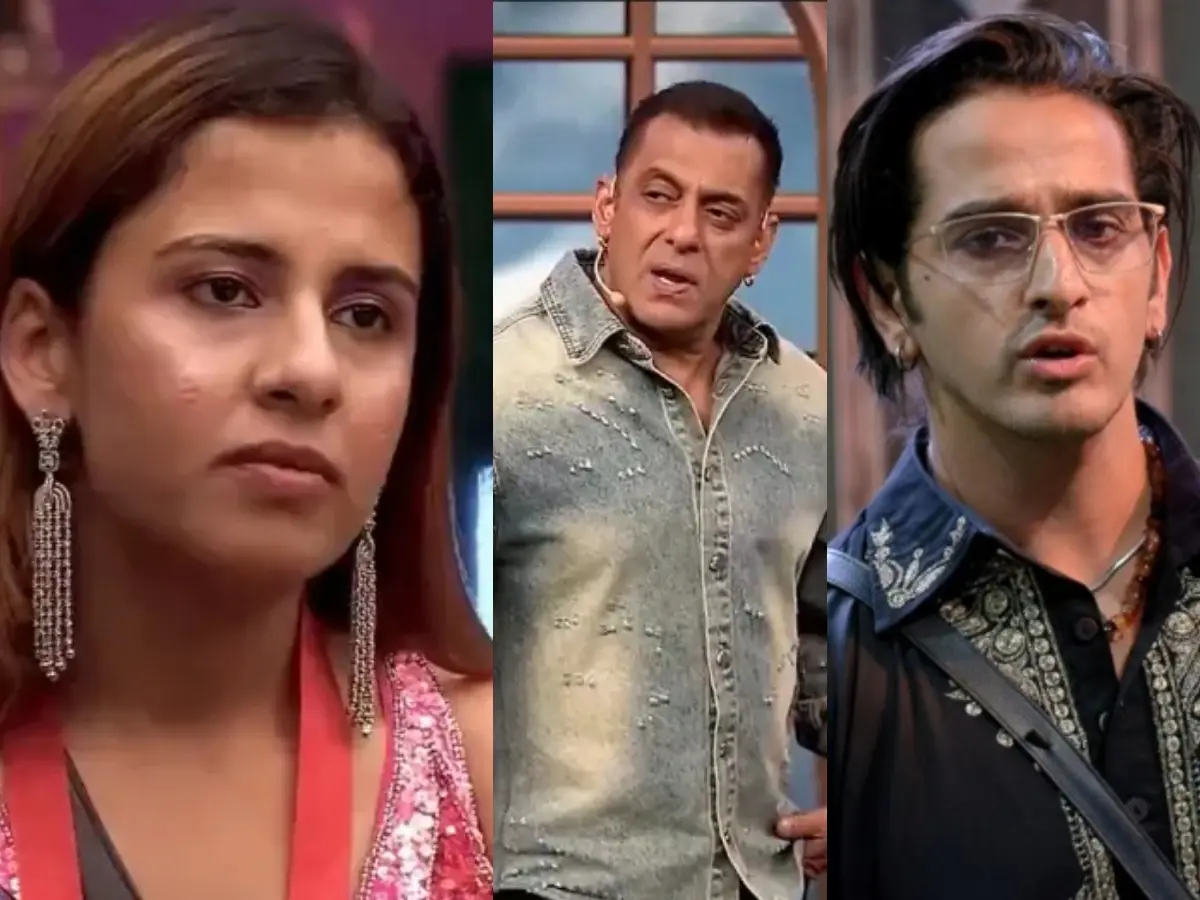)
Bigg Boss 20: Salman Khan schools Rhiti Tiwari over Qazi Touqeer clash, compares her to Dolly Bindra
)
Gaza's war turned environmental damage into second crisis
)
Nations League: Spain sink England at Wembley; Modric shines for Croatia
)
Trump-Xi summit wrap: Big pageantry, Iran talks, few major developments and more meetings planned
)
‘Could kill billions...’: Bill Gates backs calls to slow AI development amid fears of catastrophe
)
Bollywood x K-pop crossover! LE SSERAFIM’s Kazuha charms fans with Shah Rukh Khan’s ‘Chammak Challo’ steps
)
US-Iran war: Trump rejects Iran's Hormuz proposal, reports suggest talks expected next week
)
'What kind of confession is this?': Pakistan PM Shehbaz Sharif’s 'terrorists would be roaming New York' remark goes viral, raises alarm online. Watch
)
Sri Lankan Tamil migrant worker gets death sentence in Saudi Arabia, help sought from India
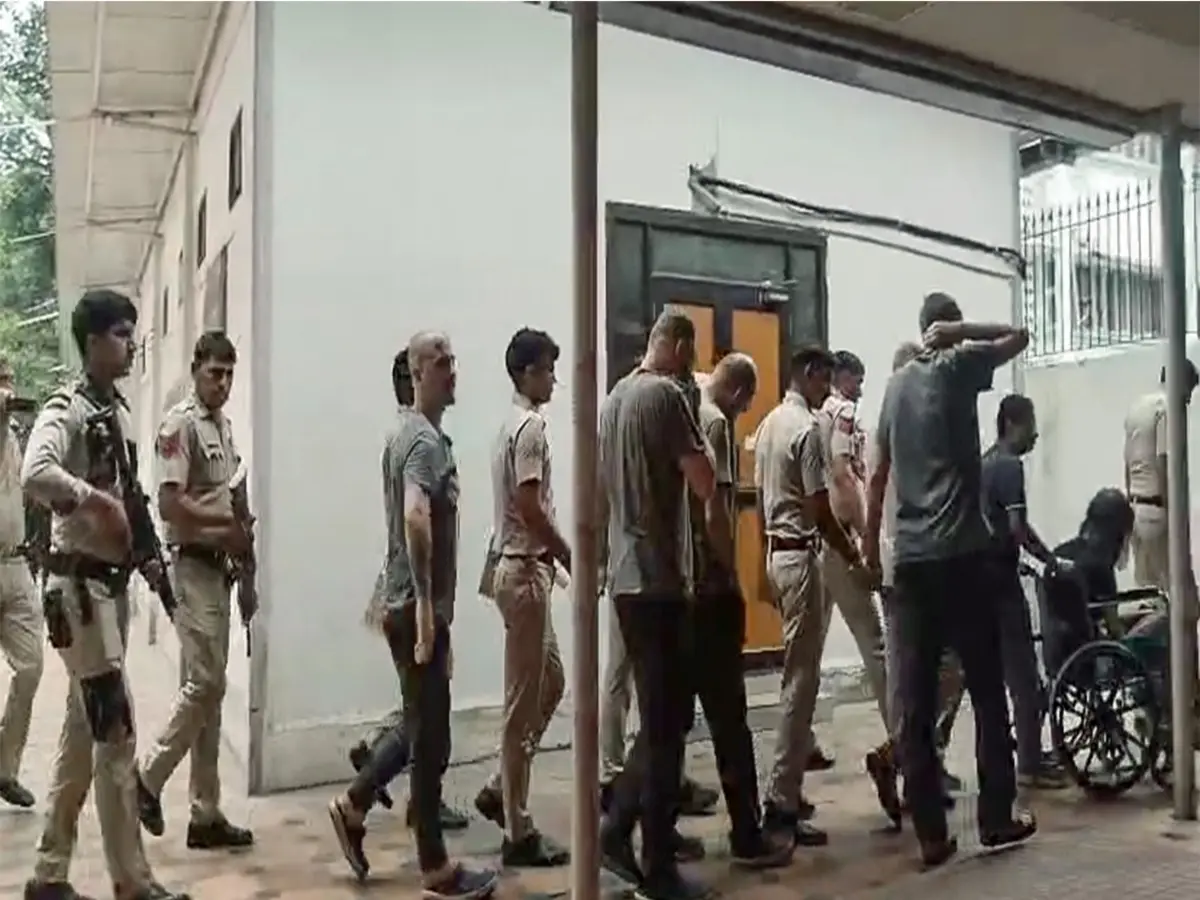)
Myanmar training camp case: US national, 6 Ukrainians allowed to meet their families abroad
)
'FIRST LOOK from inside Noah’s Ark': Researchers share video from inside mysterious mound in Turkey
)
UNSC reform momentum grows: Russia, Portugal, Mauritius push for India's permanent seat bid
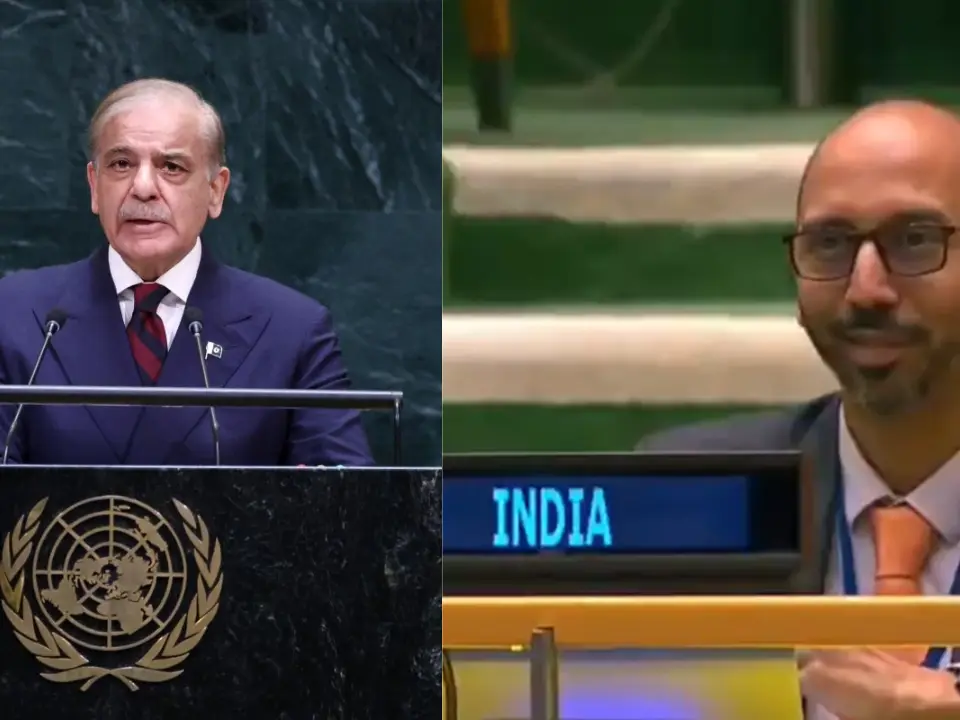)
WATCH | As Shehbaz Sharif claims Pakistan’s ‘victory’ during 2025 conflict, Indian diplomat R Srinivas laughs at UN
)
Ceuta migrant crisis: Protesters take to streets as Spain grapples with migrant challenge
)
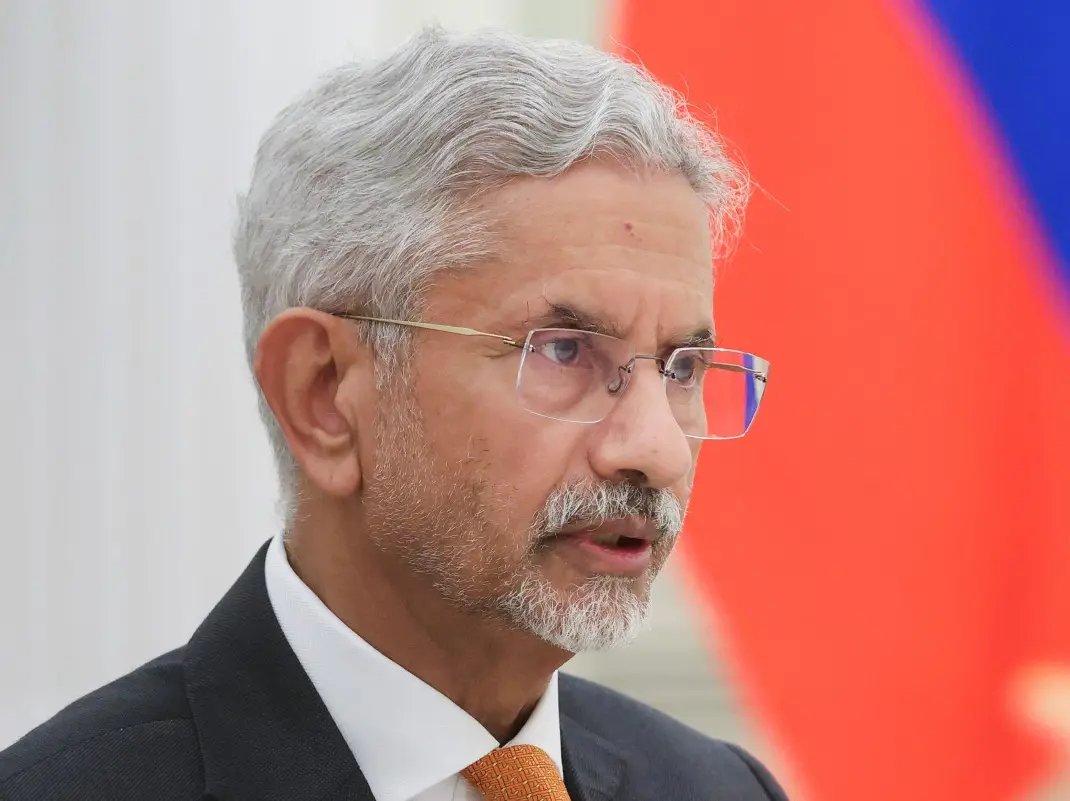
Jaishankar at UNGA: Goodwill and friendship can't coexist with terrorism
)
'A terrorist country is asking me that question?': Jaishankar hits back at Pakistani journalist at UN; flags attacks on commercial shipping
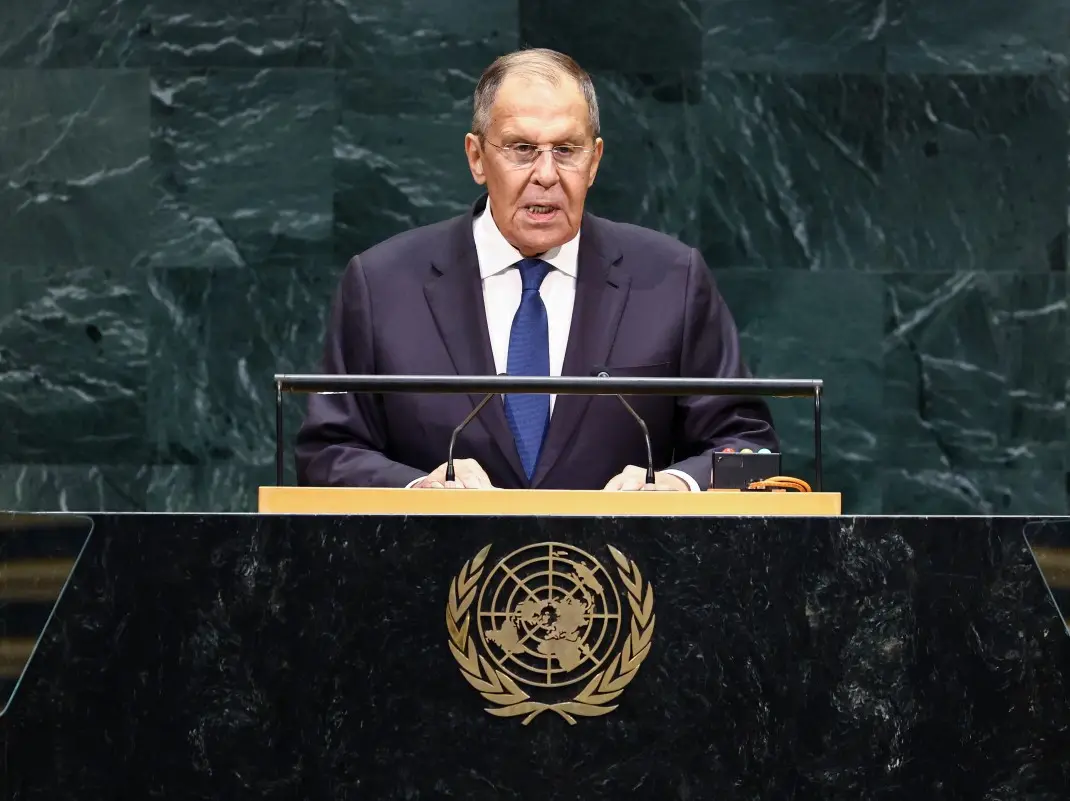)
Russia will achieve Ukraine war aims; Europe doing everything to block peace talks: Lavrov at UN
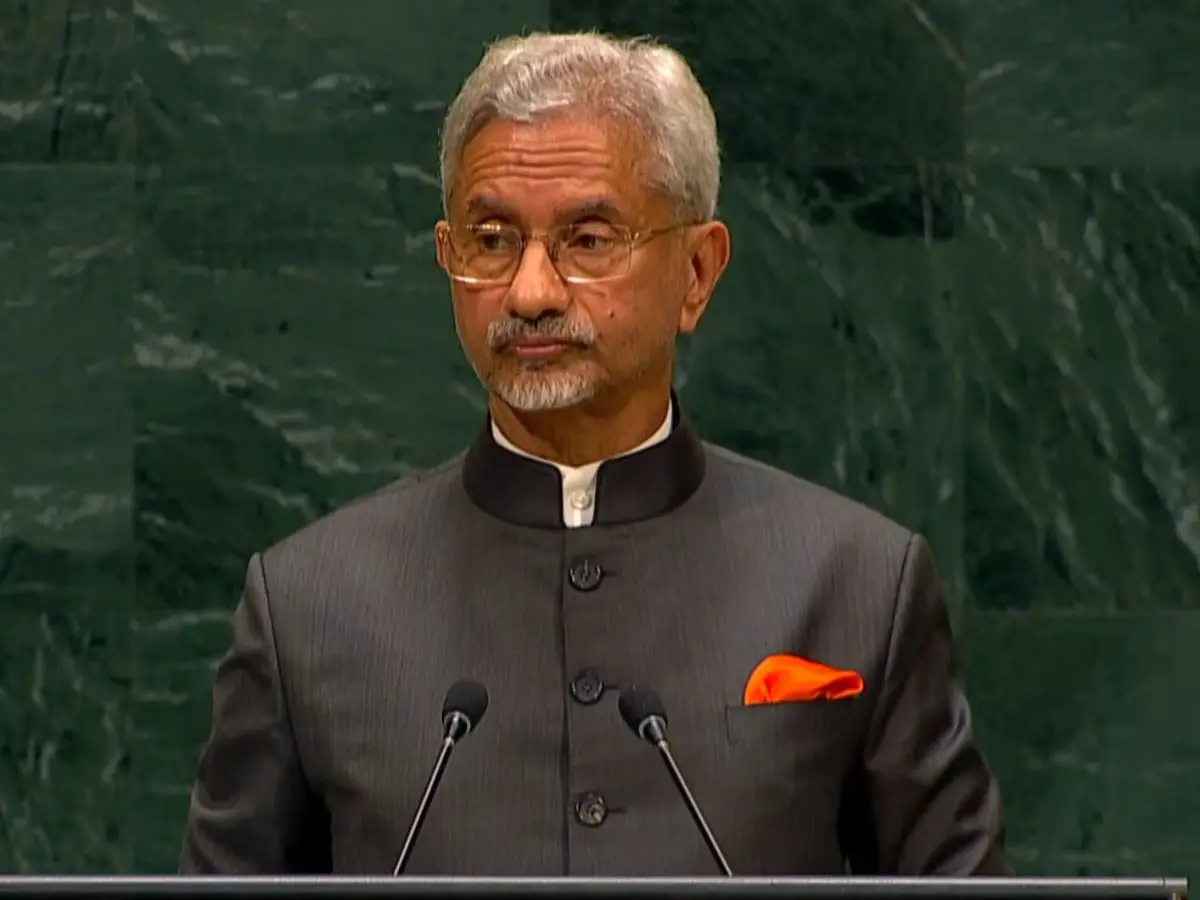)
‘Serial practitioner of terrorism’: Jaishankar calls out Pakistan’s ‘state-sponsored’ terror at UNGA
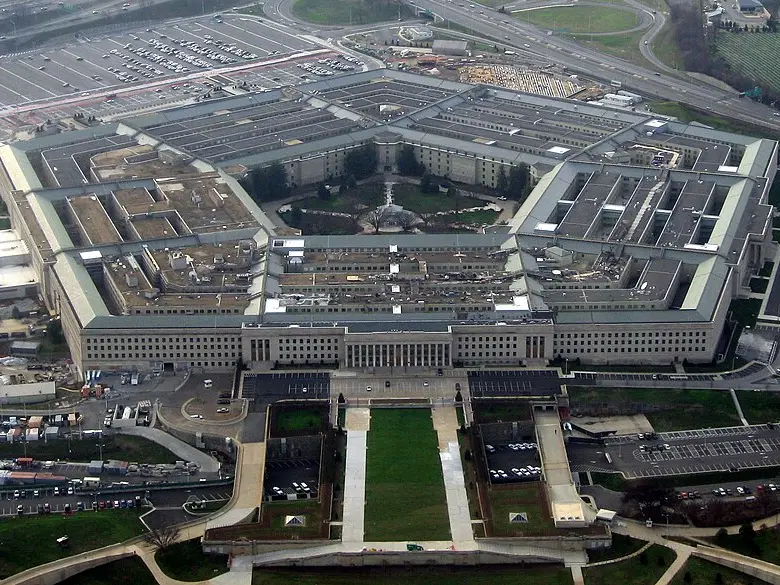)
US court backs Pentagon's decision to exclude Anthropic over Claude AI restrictions
Before his stint as prime minister, the younger Sharif was known more as an administrator than a politician, having served as chief minister thrice in the country's largest province, Punjab.
The elections concluded after imprisoned former Prime Minister Imran Khan's Pakistan-Tehreek-e-Insaf (PTI) was stripped of its election symbol 'bat', following which the PTI candidates went to polls as independents.
Still, the Khan-backed bloc of thecandidates together comprised 93 of 264 seats. This was followed by 80 seats won by Nawaz Sharif's Pakistan Muslim League (Nawaz) and 54by Bilawal Bhutto-Zardari's Pakistan People's Party (PPP).
Also watch |Shehbaz Sharif elected PM for second term, to lead coalition govt in Pakistan
Shehbaz Sharif was earlier named Pakistan's prime minister after Imran Khan was ousted from power following a parliamentary no-trust-vote in April 2022. He served as PM until August 2023 when the caretaker Prime Minister Anwar ul-Haq Kakar took over. Sharif is the joint prime ministerial candidate of the PML(N) and the PPP.