Pakistan: Supreme Court trashes SC Act 2023, dashing ex-PM Nawaz Sharif’s comeback dream

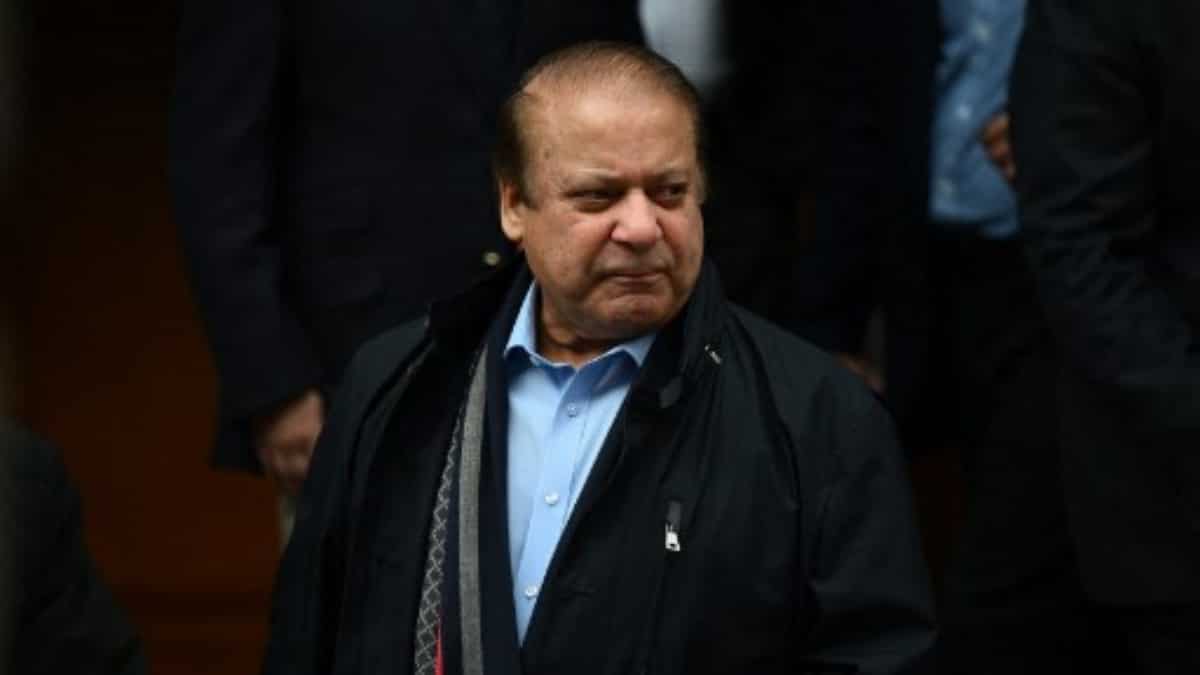
Nawaz Sharif
Pakistan’s Supreme Court on Friday (August 11) declared the Supreme Court (Review of Judgements and Orders) Act 2023 null and void, dashing all hopes of former Prime Minister Nawaz Sharif of staging a comeback in the country’s politics.
ANI reported that Sharif and his party wanted to use the act to challenge his lifetime disqualifications in the country’s apex court.
The act was passed by Pakistan’s National Assembly (NA) on April 15, which aimed at giving the right of appeal under Article 184 of the Pakistani constitution.

A three-member bench of the top court, comprising Chief Justice of Pakistan (CJP) Umar Ata Bandial, Justice Munib Akhtar and Justice Ijazul Ahsan, had reserved its order on June 19 after hearing multiple petitions against the law.
What did the court say?
The court observed that the law was “repugnant to and ultra vires the Constitution.” “It is accordingly struck down as null and void and of no legal effect,” it added.
)
Nigeria: Protesters take to the streets, police fire shots
)
US-Iran war: Tehran draws red lines — seven demands before any peace talks
)
Russia-Europe tensions: Polish PM warns Russian attacks could test NATO's unity
&im=FitAndFill=(700,400))
‘Not the US or China’: These are the countries leading the world in arable land
)
EXCLUSIVE | Singer Hanita Bhambri on her Toxic debut, working with Vishal Mishra and more
)
Mark Carney mimics Trump in hilarious moment over C$70 billion clean-energy investment; room erupts in laughter
)
Delhi voter roll shake-up: 3.31 million electors flagged in SIR review
)
Aravana prasadam shortage at Sabarimala temple in Kerala triggers protests, TDB questioned
)
‘End of my career...’: NSA Doval recalls tense Sikkim mission when China captured Indian intelligence team
)
Report: Iran rebuilding Taleghan 2, nuclear site tied to past weapons research, hit twice by Israel
)
Trump defends AI amid growing alarm, announces new 'AI force' and promises an 'AI czar'
)
Iran sets 7 conditions to end war with US: What are Tehran’s demands?
)
Trump announces ‘AI Force’ as debate grows over AI risks and regulation
)
China may have gained access to US's classified F-35 jets; parts meant for repairs diverted to Hong Kong, sparking Pentagon inquiry
)
Gaza under attack: Health chief's son killed in IDF strikes
)
Arvind Kejriwal, family members, Delhi CM Rekha Gupta get SIR notices
)
Cochin shipyard starts building Indian Navy's next-gen missile vessels
)
Saudi vs Houthis: Houthis claim missiles & drones used in attack on key Saudi sites
)
Ed Sheeran addresses Macklemore's removal, Gaza conflict during Philadelphia concert: 'I cannot hide how I feel'
)
‘Will go to any extent’: Pakistan vows to defend Saudi Arabia amid Houthi attacks
66 years of the Indus Waters Treaty: How India and Pakistan settled a bitter river dispute
)
The Verdict | When precision fails: US commits war crime in Minab school strike, UN finds
Russia attacks Ukraine with 174 drones, kills 8; 2 vessels hit in Black Sea
)
9 women found dead near Johannesburg: South Africans rally, demand 'enough' to femicide
)
Kampala-Ankara rift deepens: Uganda suspends military ties, seeks Fred Lumbuye's extradition
)
Trump wants to rename ‘Artificial Intelligence’, gives 3 options: Which one would you pick?
)
US-Iran war: Tehran sets seven conditions to re-engage in talks with US
)
Reacher star Alan Ritchson opens up about alleged blackmail, suicide attempt during difficult period
)
Africa is splitting, and a lot sooner than estimated, giving way to a new ocean
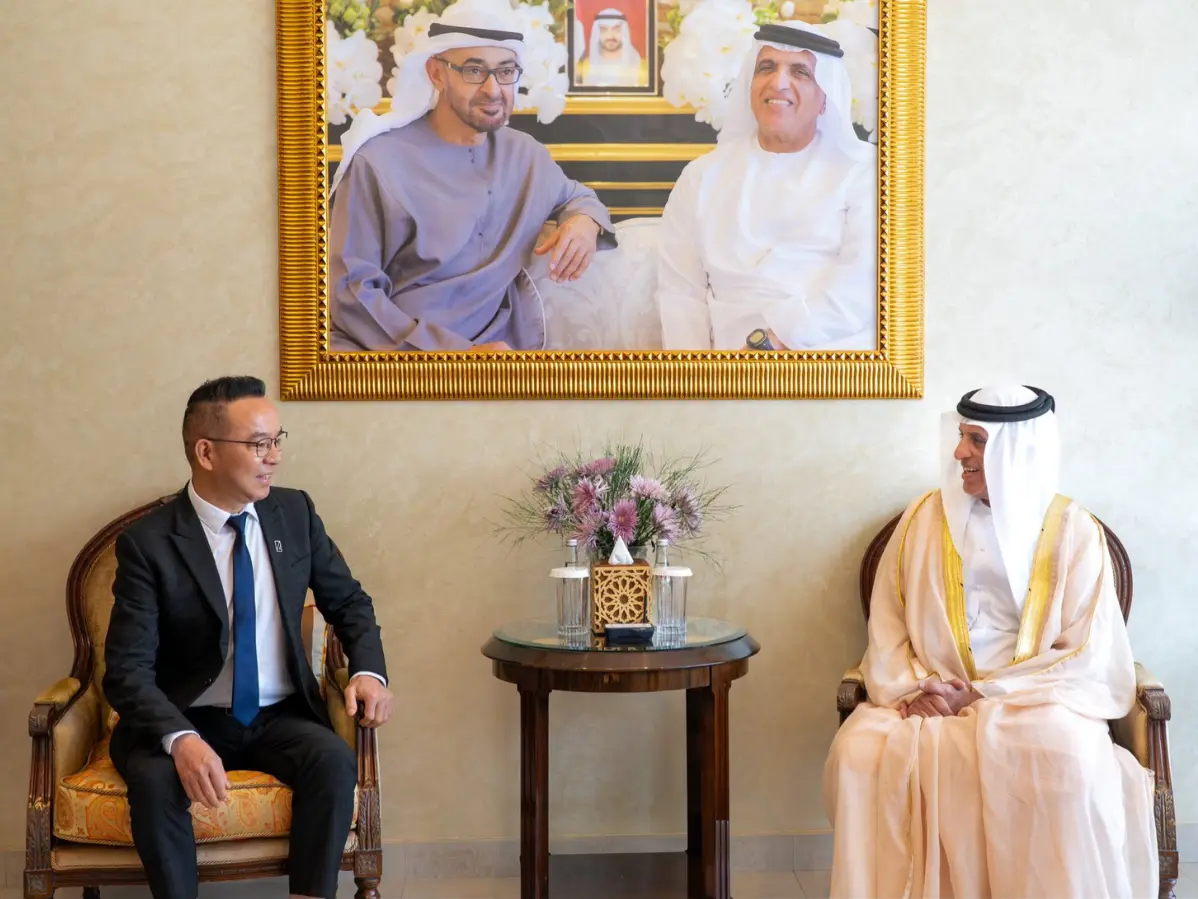)
Flying cars in UAE: Ras Al Khaimah signs deal with Chinese company to test new transport
)
Trump bans CNN, MS NOW and Politico from White House over ‘FAKE NEWS’
)
Trump 2.0: Dark days ahead for America’s ‘imperial presidency’
&im=FitAndFill=(700,400))
How many F-35s does Britain, Japan and Israel have?
)
Harry Brook targets long reign at top of T20I rankings after Sri Lanka sweep
)
Russia's deadly Ukraine strikes kill 2 in Sumy, hit Dnipro mall
)
Russia holds first parliamentary elections since the beginning of the Ukraine war
&im=FitAndFill=(700,400))
Meet top 5 Indian batters with fastest T20I centuries
)
Raphinha hat-trick powers Barcelona to 3-1 win over Sevilla in La Liga
)
)
Watch:Former PM Nawaz Sharif to return to Pakistan next month?
“In addition, the 2023 Act does not ‘enlarge’ review jurisdiction, it ‘creates’ a new appellate jurisdiction which has no constitutional basis, sanction or authorisation,” the order said.
‘Order won’t have any impact on Nawaz Sharif’
Former law minister Azam Nazeer Tarar expressed his belief that the recent verdict by the apex court would not affect the cases involving the disqualification of former Prime Minister Nawaz Sharif.
In a conversation with Geo News immediately after the verdict's announcement, Tarar referred to the verdict as “unfortunate”.
He stated that it is not a positive precedent for the courts to repeatedly intervene in parliamentary affairs and issue rulings that compromise its autonomy.
Responding to the question of whether the verdict might lead to a delay in Nawaz's anticipated return, Tarar confidently said, "Absolutely not." He pointed to an amendment made to the Elections Act, which he described as nearly unanimous legislation.
This amendment limited the disqualification of lawmakers to a maximum of five years, even with retrospective effect.
Why did govt bring the SC Act 2023?
The government maintains that the act was designed to support and “empower” the Supreme Court in its capacity to review judgments and orders. Nonetheless, the opposition viewed this move as an attempt to reverse the disqualification of PML-N leader Nawaz.
The legislative change expanded the Supreme Court's review jurisdiction, granting individuals the right to appeal within 30 days of a judgment in suo motu cases. Consequently, individuals like Nawaz and fellow parliamentarians, who had been disqualified by the Supreme Court in its original jurisdiction, would have the right to appeal their disqualification.
WATCH WION LIVE HERE