Opinion: Who is going to rescue the Maldives?

Maldives
The nation of a 1,000 islands is currently battling a thousand problems
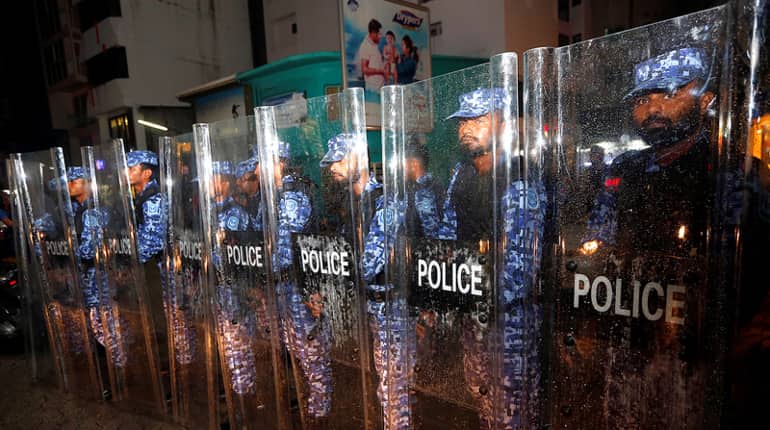
The nation of a 1,000 islands is currently battling a thousand problems. Mayhem, bloodshed and a ruthless dictatorship are now threatening the peaceful people of the Maldives. Maldivian citizens, the country's judiciary and its joint opposition have been making fervent appeals to India, and India alone, to come to their rescue.
India has been guarded. The appeals are now expanding to address other countries. Does India have to act and act now? Yes.
At the root of the Maldives’ worst crisis is its current, authoritarian president, Abdulla Yameen. Whatever views one may hold about western definitions of democracy which are usually applied on everyone and his uncle elsewhere in the world when it comes to twisting arms in exchange for other, bilateral gains, one thing can be said with certainty : no individual in no matter how powerful an office, could hold his entire country to ransom – like President Yameen is doing, unless he has the backing and the support of someone or something very powerful.

Media across the world have reported in depth about President Yameen’s two closest allies: The Wa’habi kingdom of Saudi Arabia and The People’s Republic of China. But are they really backing him?
The Maldivian opposition has united like never before. Former foes have joined hands. They are determined to save their country from spiralling out of control and joining the ranks of nations that are viewed as rogue states under ruthless dictators. such as North Korea. The country’s first democratically-elected president, Mohammed Nasheed, remains is in exile. For years, Mr Nasheed has been appealing to big neighbour, India, to help.
Even the judges of Maldive’s Supreme Court – who are at the heart of this crisis - have directed their urgent pleas to India, which has often come to the rescue of the Maldives in the past: in 1988, to shake off and kill 19 Tamil terrorists from neighboring Sri Lanka and quell a coup against the then President Maumoon Gayoom; to provide drinking water to Male both in ships and by air, when the tiny capital’s water purification plant gave up the ghost in more recent years.
)
Mushtaq Khan dies at 56: When Welcome actor opened up about his salary for iconic role Ballu
)
US Supreme Court backs Trump administration's use of SAVE database to check voter citizenship
)
Heart of the Beast review: Brad Pitt leads a gripping tale of survival and loyalty
)
Outrage erupts after 3-year-old is married to 60-year-old man in Pakistan, link to her sister's murder being probed
)
Pakistan deploys over 20,000 security personnel as PTI vows march for Imran Khan's release
)
Asian Games: Shooting spree continues as India win silver in women’s 50m rifle 3P team event
)
‘Not just a local tragedy’: Nepal PM Shah warns UN of growing climate threat, says Nepal floods were 'a warning to the world'
)
OpenAI AI Agents hacked 4 websites before Hugging Face, researchers reveal
)
Pentagon quietly adds 37 wounded troops to Iran war tally without explaining when or how
)
Asian Games 2026: India women’s kabaddi team edge Iran 37-34 to clinch 3rd gold medal
)
Saudi Arabia still harbours intent to develop nuclear weapons, reveals US intelligence: Report
&im=FitAndFill=(700,400))
New Friday OTT releases (September 25, 2026): Don’t Be Shy, Hunkkaar: The Roar, Mango Pachcha- 6 movies and TV shows on Netflix, Prime Video and more
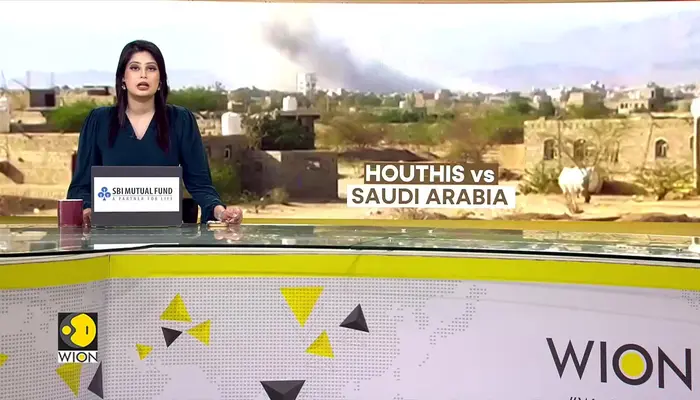)
Yemen's war escalates: Saudi-backed leader calls for general mobilisation against the Houthis
)
‘Attack on Mecca a red line for Pakistan’: Shehbaz Sharif warns Houthis at UN
)
Tesla is preparing something big for Optimus: new Gen 3 models surface in app
)
Did Hitler kill his niece Geli Raubal? Newly found records reopen a 95-year-old mystery
)
Indian diplomat Petal Gahlot raises deteriorating situation in Pakistan-occupied Kashmir in right of reply at UN
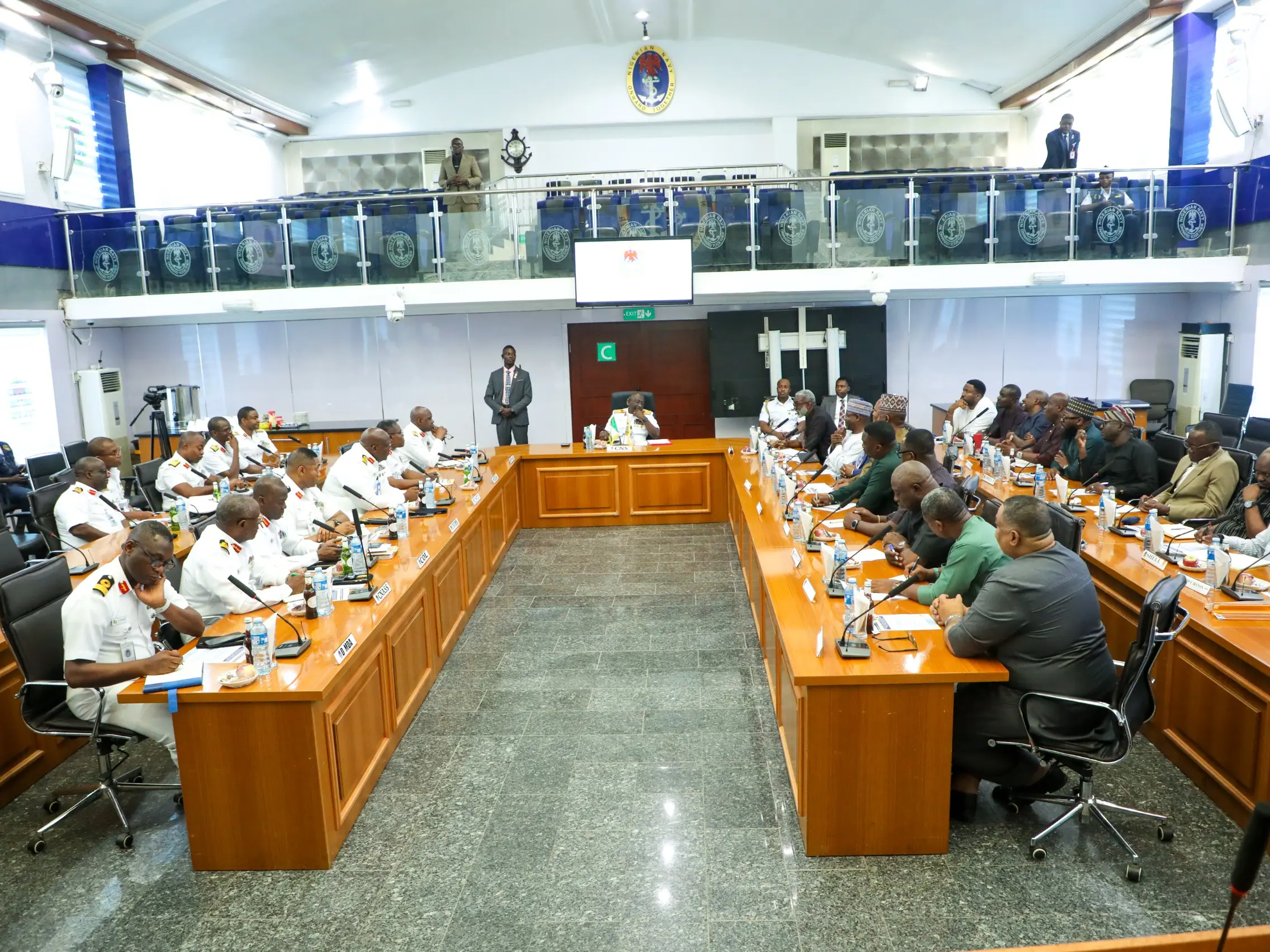)
Nigeria Navy moves to boost oil security, tackle crude theft and infrastructure threats
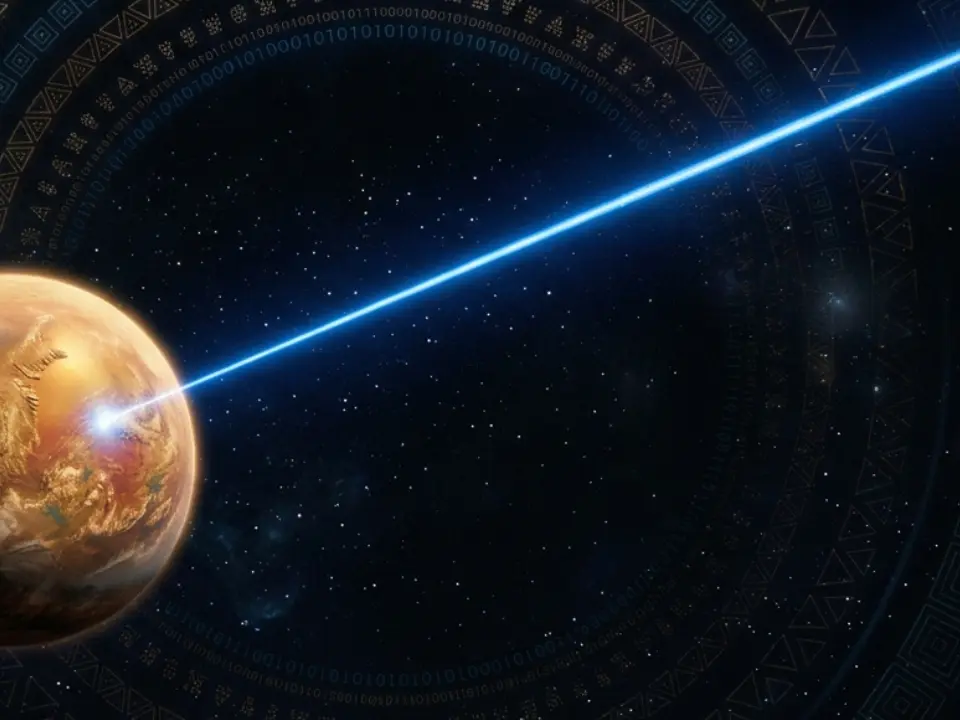)
Scientists detect first radio signals directly from faraway planet
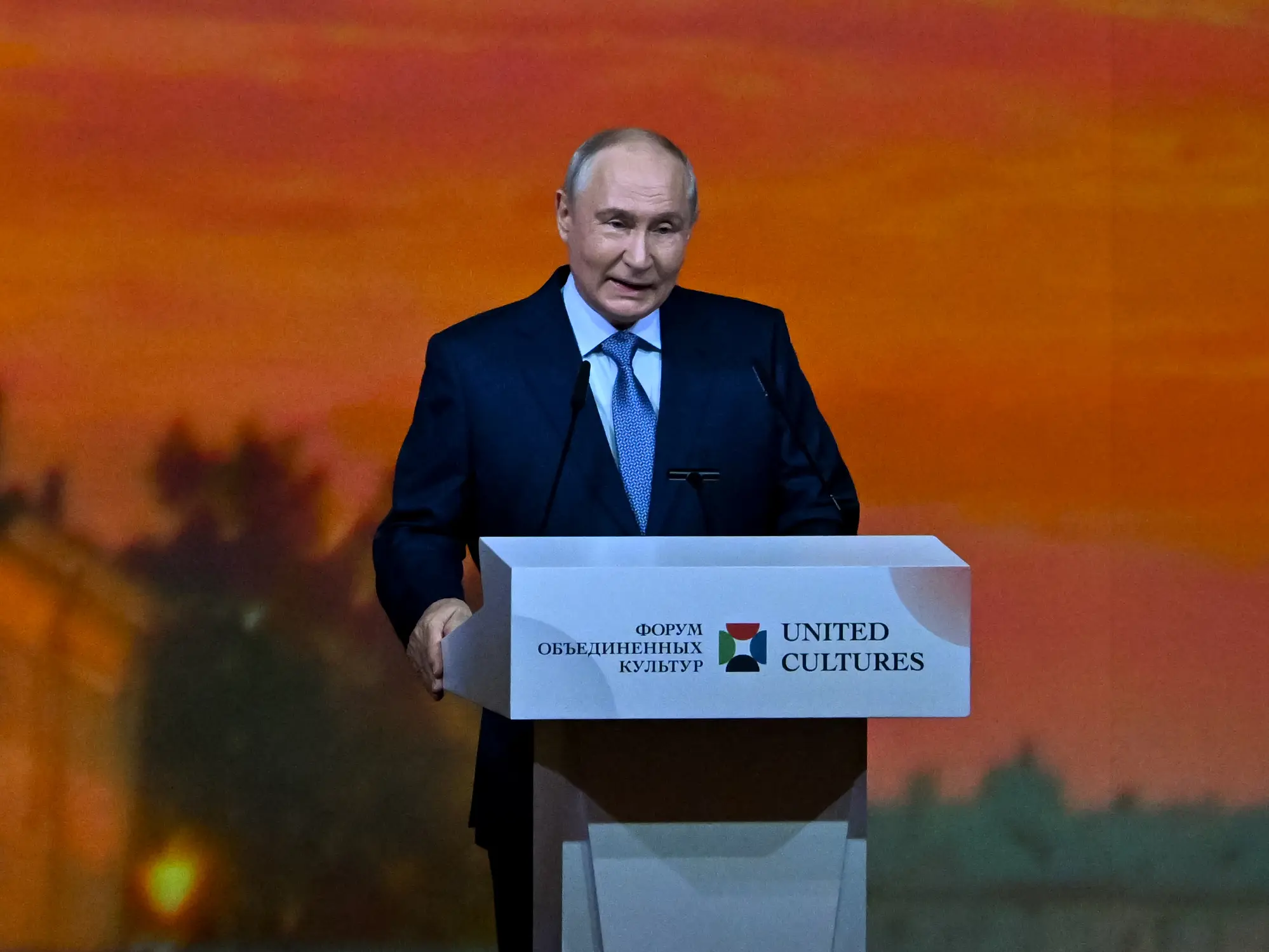)
‘It is all possible’: Putin weighs next steps on Ukraine talks, rules out Europe conflict
)
10,000 gather in support of 87-year-old forcefully evicted from home of 71 years
)
India flags brutal violence in Pak-occupied Jammu Kashmir
)
Trump rejects Iran's 7-day ceasefire proposal as US weighs renewed bombing after midterms: Report
)
Gaza's war turned environmental damage into second crisis
)
Saudi oil exports surge despite Iran war
)
Trump-Xi summit wrap: Big pageantry, Iran talks, few major developments and more meetings planned
)
'Making history': Xi Jinping praises Trump as US-China leaders dine at White House
)
India's UN Envoy slams Pakistan: 'They claim security by day, terrorism by night'
)
Jay-Z rape case: Accuser says allegations were false, never met rapper
)
Myanmar training camp case: US national, 6 Ukrainians allowed to meet their families abroad
)
Trump-Xi summit: Xi wraps up us visit with 21-gun salute as Trump, Xi lock in 'strategic stability'
)
'FIRST LOOK from inside Noah’s Ark': Researchers share video from inside mysterious mound in Turkey
)
Cindy Crawford’s son Presley Gerber cremated as death probe continues
)
India's insurance regulator overhauls policies
)
WATCH | As Shehbaz Sharif claims Pakistan’s ‘victory’ during 2025 conflict, Indian diplomat R Srinivas laughs at UN
)
‘Goal is to win it’: Virat Kohli confirms 2027 ODI World Cup will be his final tournament for India
)
'A terrorist country is asking me that question?': Jaishankar hits back at Pakistani journalist at UN; flags attacks on commercial shipping
)
US court backs Pentagon's decision to exclude Anthropic over Claude AI restrictions
Ever since President Mohammed Nasheed was toppled in a dubious run-off vote which saw Yameen take the reigns, India has turned an icy shoulder. PM Narendra Modi must be the world leader who has clocked the maximum flight miles in the shortest span of time, both within and outside the South Asia region. And yet, the Maldives - conspicuously - remains the only country Mr Modi has not touched down in.
And yet, India is playing its usual game of wait-and-watch. It’s understandable in a way. India-bashing remains a favourite past-time across South Asia. The Big Brother is not terribly keen on now being abused as the Big Bully. In all likelihood, New Delhi will not go for unilateral military intervention.
But there are signs to watch out for. Perhaps sensing India’s reticence, a recent appeal from Mr Nasheed’s Maldivian Democratic Party (MDP) was subtle re-worded.
“President Nasheed continues to engage with concerned international partners, including India and other neighbouring countries, seeking resolution to the ongoing crisis and urges India to act swiftly,” read a late night press release, even as army boots stomped into Male’s Supreme Court and arrested judges.
So who are the “other neighbouring countries”, who share South Asian cousinhood with the Maldivians? And the concerned international partners from outside the South Asia region?
The Maldives’international partners include China, Saudi Arabia, the United States, Europe, the U.K. and almost the entire international community, for whose jeunesse d’oree, the beautiful Maldives and its expensive resorts remain a favourite playground. All those countries have expressed concern at the alarming events unfolding in Male. The United States, Canada and others have demanded that Mr Yameen respect his Supreme Court and uphold democracy and India and Sri Lanka have reacted along the same lines of the western nations.
But Male’s closest strategic and investment partner, China, has merely issued a travel advisory to its citizens.
And at least till this report went to press, Pakistan has - remained silent.
The Maldives is part of China’s multi-billion-dollar Belt and Road Initiative. But the project is under fire in the many nations it touches across the Indian Ocean all the way up to Africa for its brand of debt-trap diplomacy and soft loans in exchange for strategic favours. Uppermost on Beijing’s mind will be the protection of its investments and assets in the Maldives, of course.
Where does Saudi Arabia stand? The country which has slowly and steadily spread its brand of Wa’habi Islam across the Maldives with the full support of President Yameen? There’s just one inconvenience: the new and reportedly dynamic Saudi Crown Prince Salman. Observers say that under Prince Salman and for whatever reason, President Yameen’s Saudi dalliance is over.
And what’s with Pakistan? The biggest Muslim country in the community of South Asian nations, home to the world’s second-largest Muslim population?
President Yameen and ousted Pakistan PM Nawaz Sharif met in 2017 and signed several bilateral agreements. Pakistan and the Maldives under President Yameen share a mutual friend: China.
So why has Pakistan not breathed a word about the standoff in the Maldives so far? What is Islamabad thinking?
China cannot intervene directly in the Maldives without incurring even more mistrust than it already has through its controversial honey-trap diplomacy and investment in the Indian Ocean region. But it could certainly use some South Asia genetics to do the job: like those of its close ally, Pakistan, as a front face. In this case, of any initiative to defuse the tension in the Maldives. Pakistan’s international image is down the tubes. Being seen as the author of a diplomatic grand gesture – even if a compromise with Yameen – will give the country with the unenviable reputation of being a nursery for terrorists, a tremendous boost.
New Delhi must act, and act fast. To avoid the label of big bully, India, too, can proceed in a collective international effort. The United States and India are on the same page, as far as the events in the Maldives are concerned. The United States has said loudly and clearly that it views India as its key strategic ally in South Asia. Now there’s even a Quad -involving Japan and eventually, Australia, all of whom have made the Indian Ocean their business. A major diplomatic success in averting a stultifying crisis, could lend weight and depth to that new alliance and – save our ears from more India-bashing too.
(Disclaimer: The opinions expressed above are the personal views of the author and do not reflect the views of ZMCL)