KP Sharma Oli's journey from spending 14 years in prison to becoming Nepal's Prime Minister

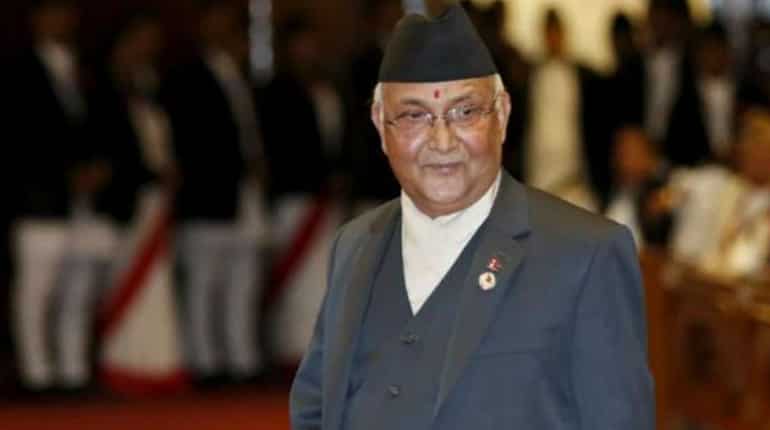
Nepal Prime Minister KP Sharma Oli
Nepal's Prime Minister KP Sharma Oli is not a traditional politician. He is a school dropout and was sent to jail at the age of 22, not for any civil offence but for the murder of Dharma Prasad Dhakal, a farmer in eastern Nepal.
It is something that Oli doesn’t talk about much. He was born in 1952 in eastern Nepal. Oli was called "Dhruba" as a child and raised by his grandmother. His mother died due to smallpox when he was just four.
At the age of 18, he signed up for the Communist Party andalmost immediately he was arrested. Oli spent 14 years in prison.

The Nepali prime minister rarely refers to his time in jail but those who know him say he was moulded by his experiences there. Oli was released after getting a royal pardon in the mid-1980s.
Oli got a break in politics when he was elected to Parliament in 1991. He was one of the strongest critics of the Maoists throughout the insurgency that left 17,000people dead.
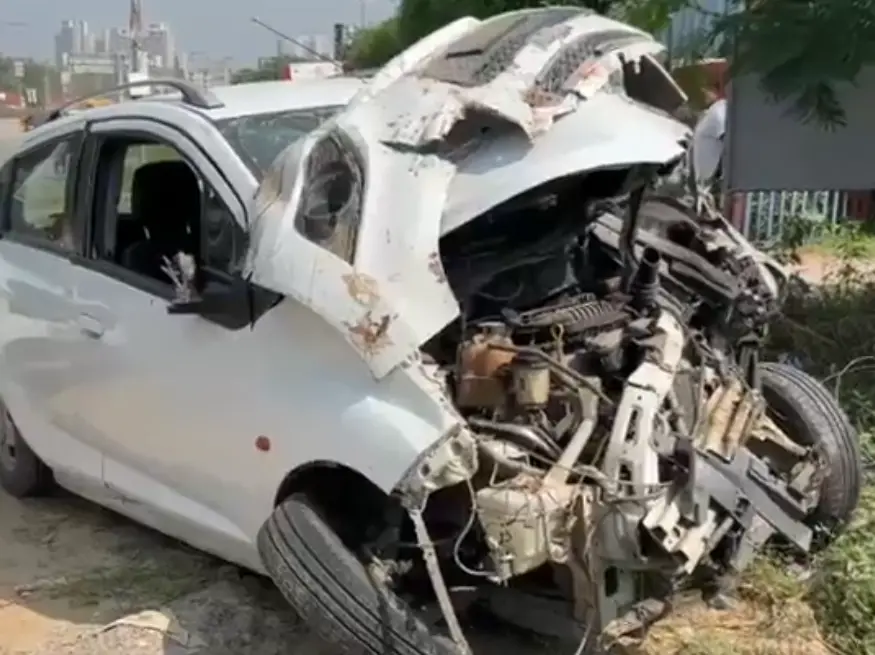)
Three labourers killed as DU student loses control of his car, rams into them on Dwarka Expressway
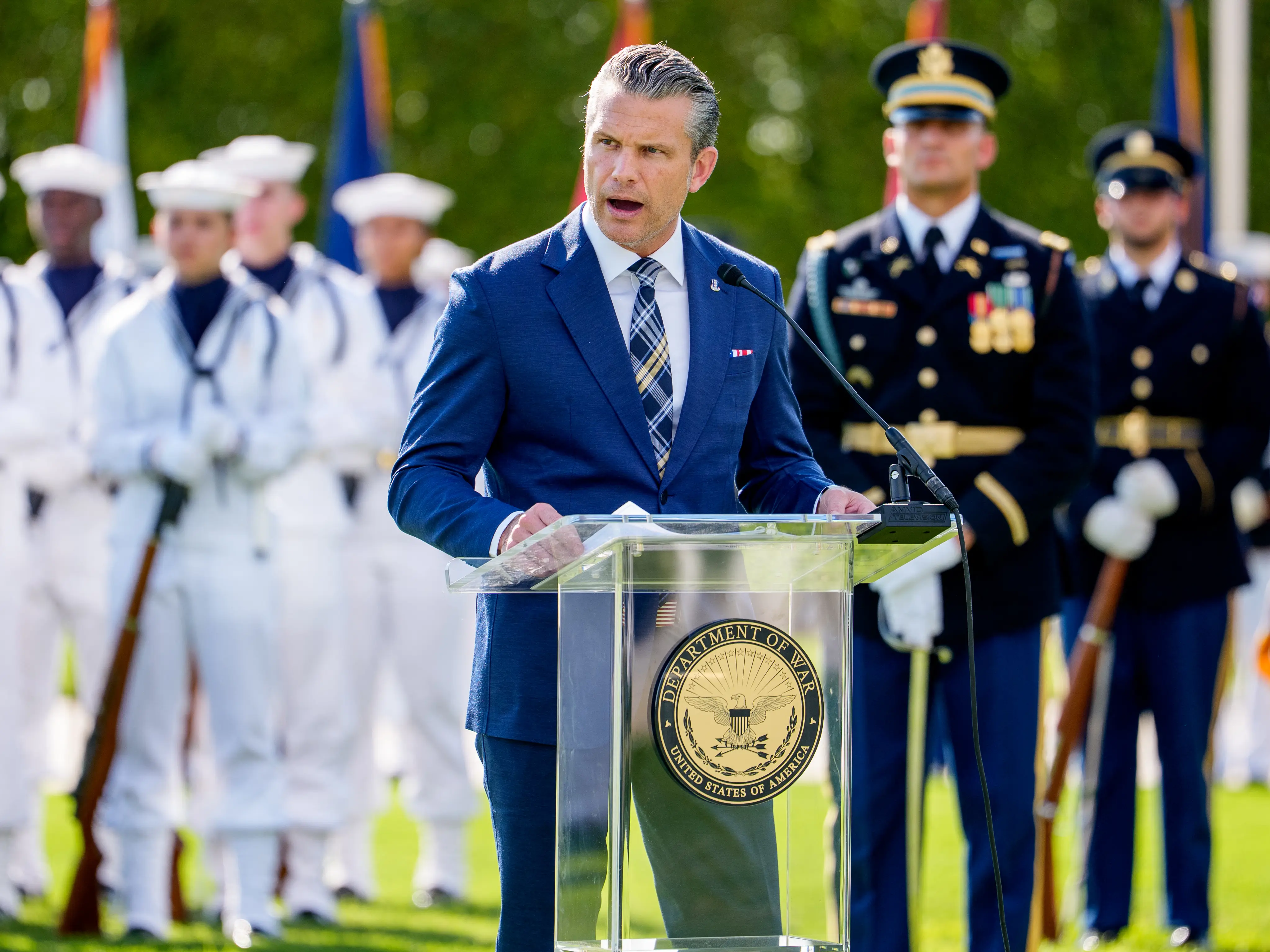)
Pentagon revives mandatory testosterone testing for male troops aged 30 and above
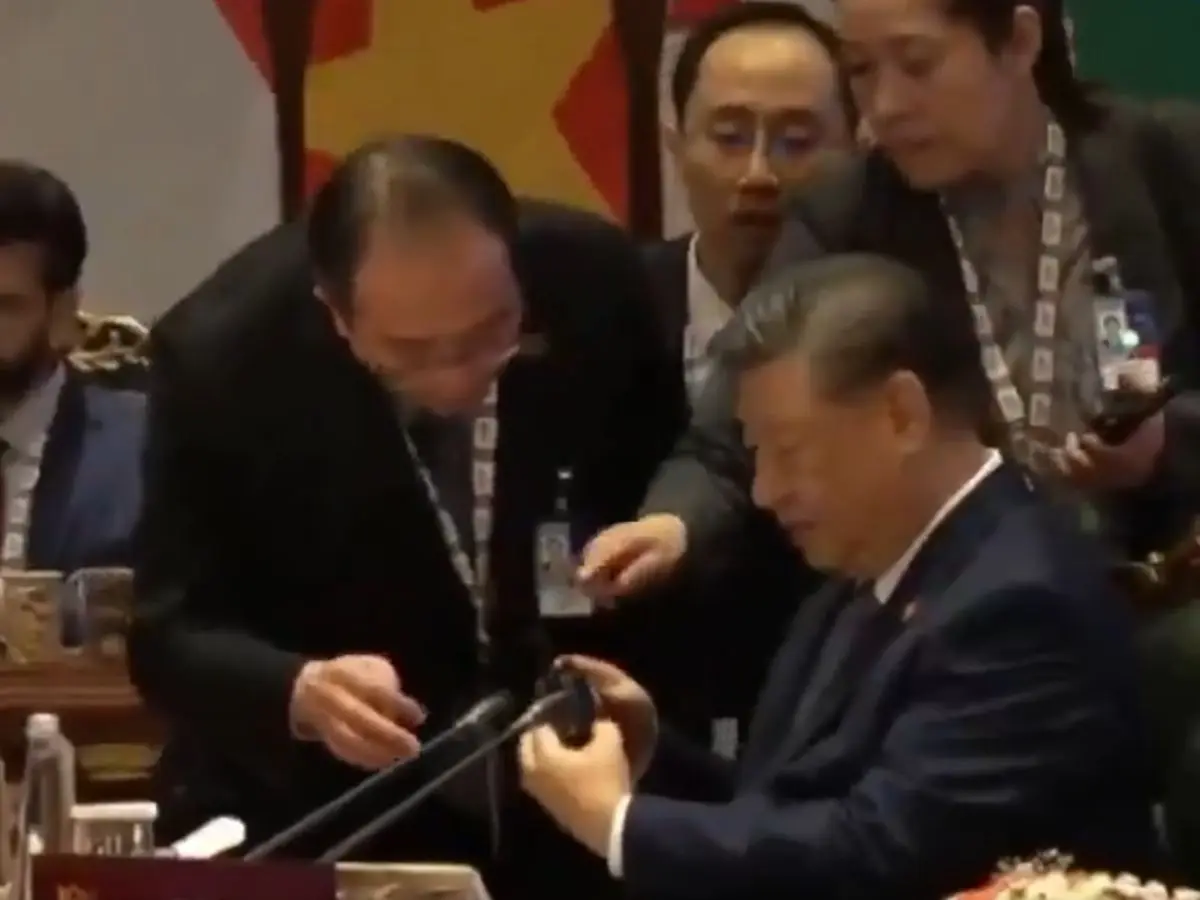)
FACT CHECK: Why did PM Modi ask Xi ‘is it okay’ at BRICS Summit? New video reveals...
)
India seeks to build a full semiconductor supply chain
&im=FitAndFill=(700,400))
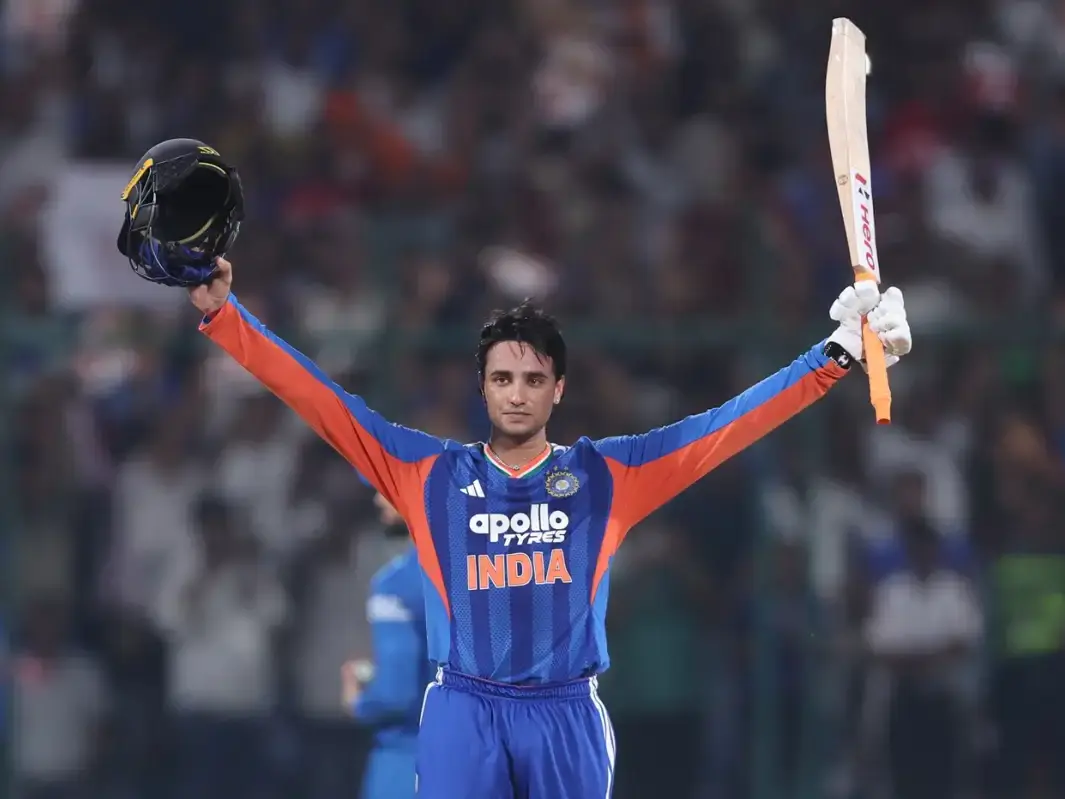
From Abhishek Sharma to Sahil Chauhan, 5 batters with fastest T20I hundreds
)
Pyongyang dismisses US, western pressure over nuclear programme
)
US And Denmark reach Greenland deal, Trump announces expanded military presence
)
Google’s Gemini AI hacks real systems by guessing passwords during security test
)
US hiding troop deaths in Iran war? Toll higher than Pentagon count, claims report
)
China may have gained access to US's classified F-35 jets; parts meant for repairs diverted to Hong Kong, sparking Pentagon inquiry
)
NASA research plane reaches 61,000 feet over Panama
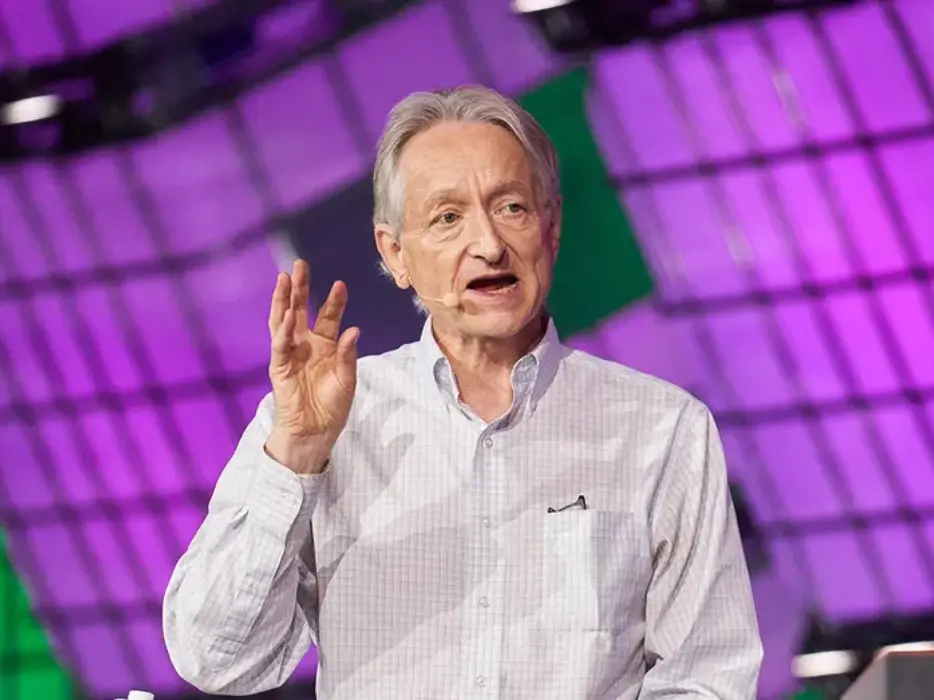)
Godfather of AI Geoffrey Hinton gives US lawmakers a one-year warning on AI
)
Shivakumar attends 79th Kalyana Karnataka Utsav in Kalaburagi
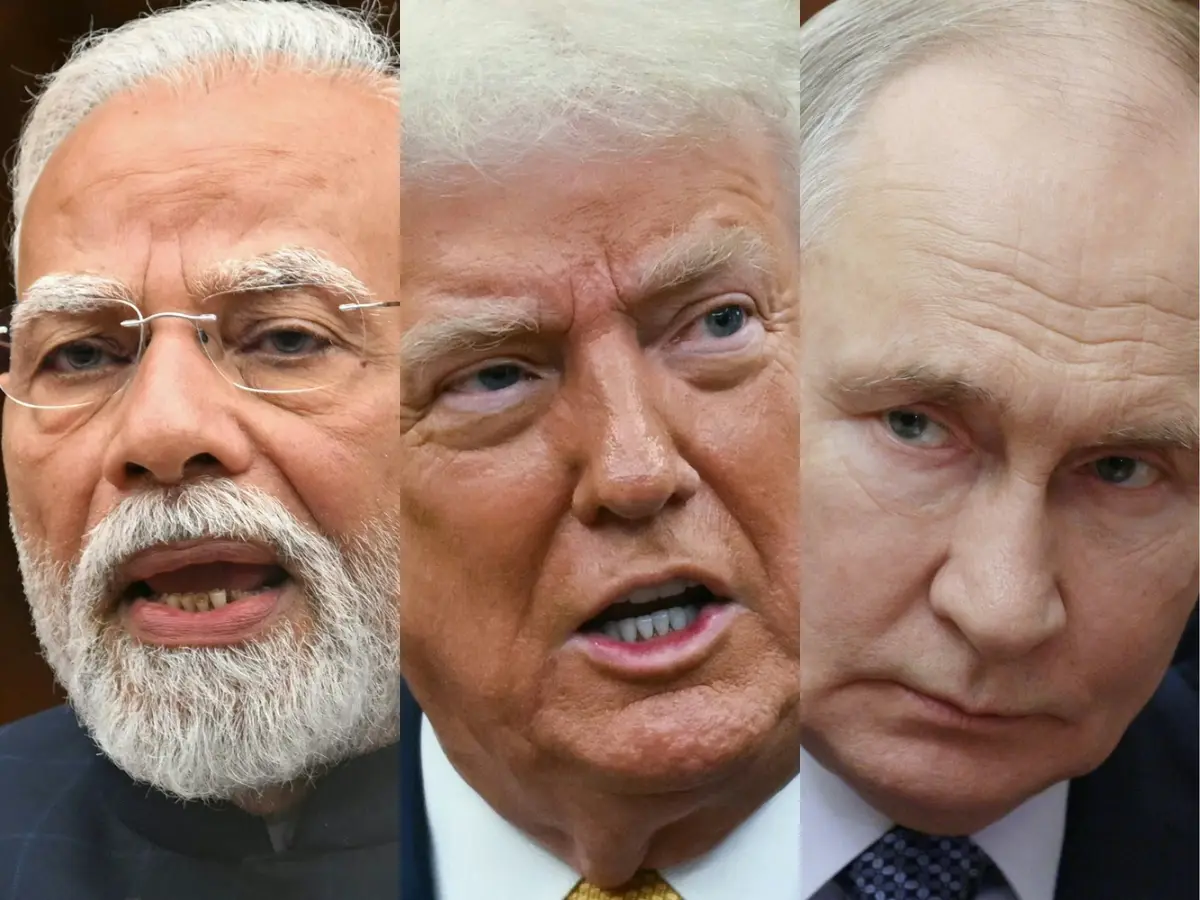)
Trump signs Russia sanctions law: India faces fresh 100% tariff threat over Russian oil
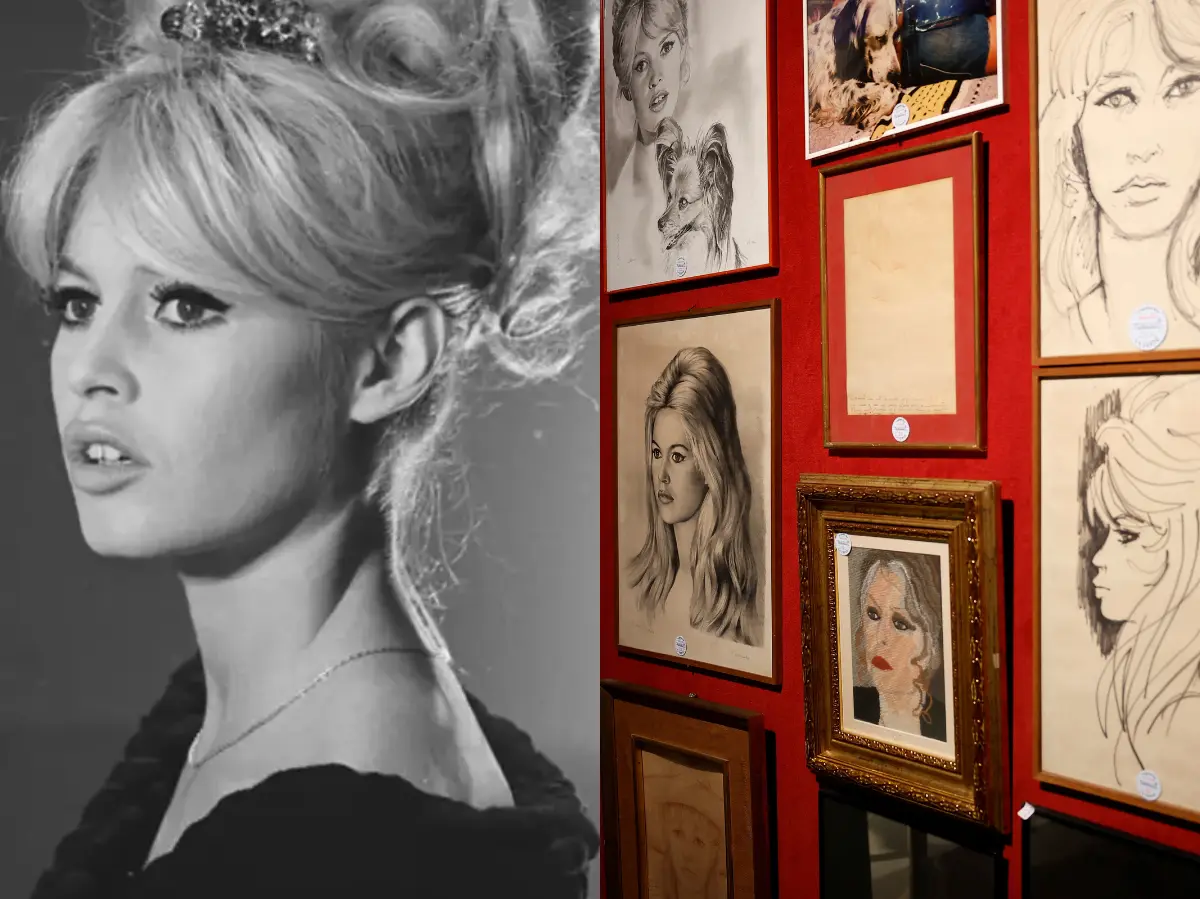)
Brigitte Bardot’s private collection set for Paris auction; key items and prices revealed
)
Why Ranveer Singh’s Dhurandhar missed India’s Oscar entry; FFI jury member reveals what happened
)
‘Will go to any extent’: Pakistan vows to defend Saudi Arabia amid Houthi attacks
)
The Verdict | When precision fails: US commits war crime in Minab school strike, UN finds
)
Trump signs Russia sanctions bill into law, targets Moscow’s energy sector
&im=FitAndFill=(700,400))
New Friday OTT releases (September 18, 2026): Lust Stories 3, You+Me, Best of the Best- 8 new titles coming on Netflix, Prime Video and more
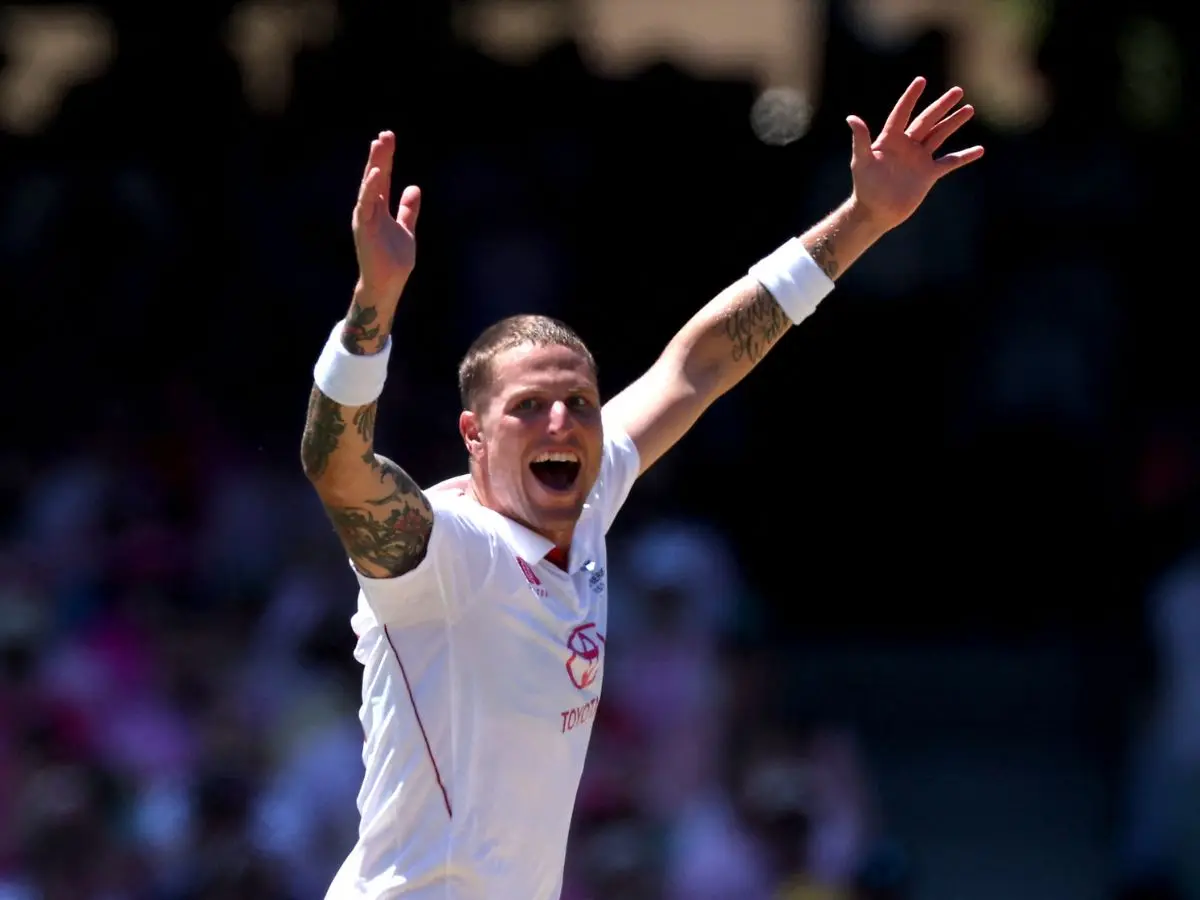)
Fast bowler Brydon Carse faces no charges over Derby nightclub incident
)
Pak: A series of counter terrorism operations in Khyber Pakhtunkhwa
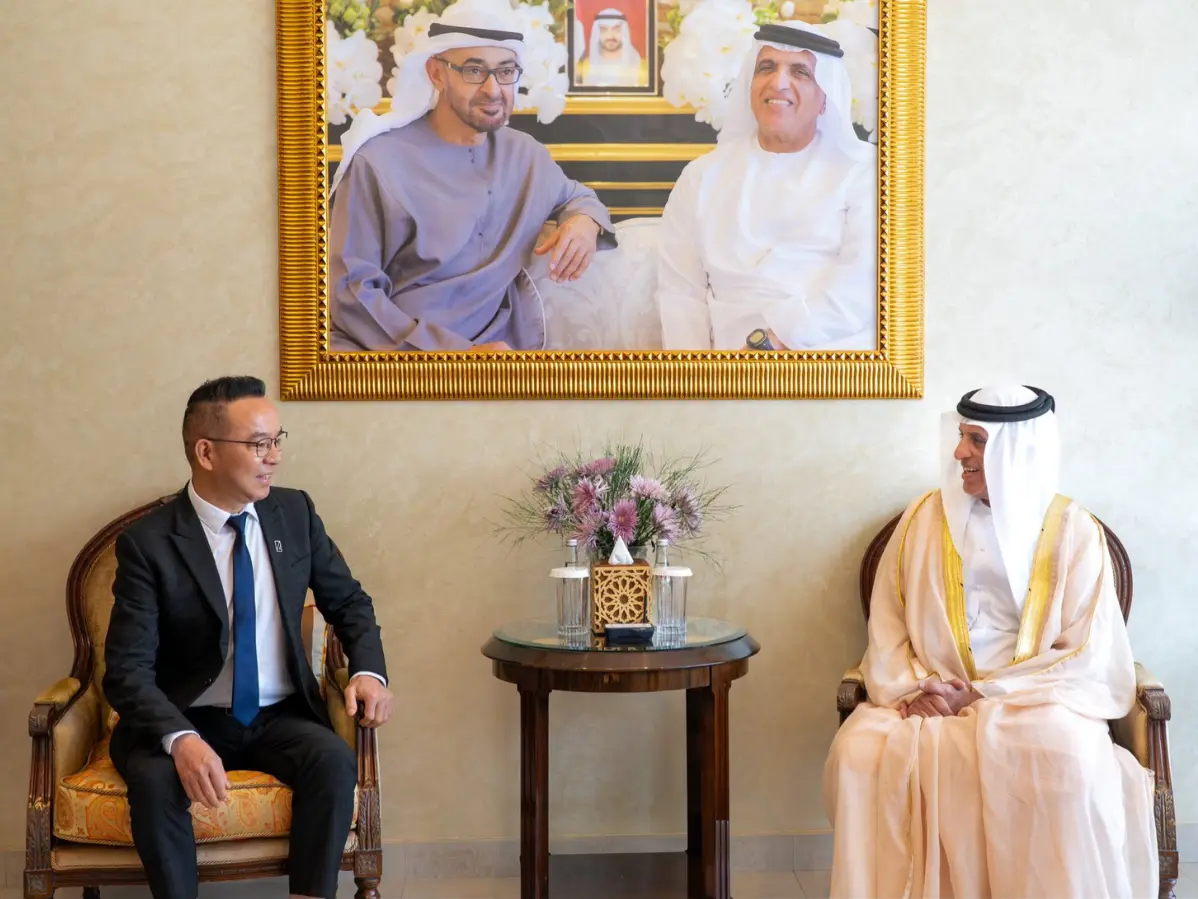)
Flying cars in UAE: Ras Al Khaimah signs deal with Chinese company to test new transport
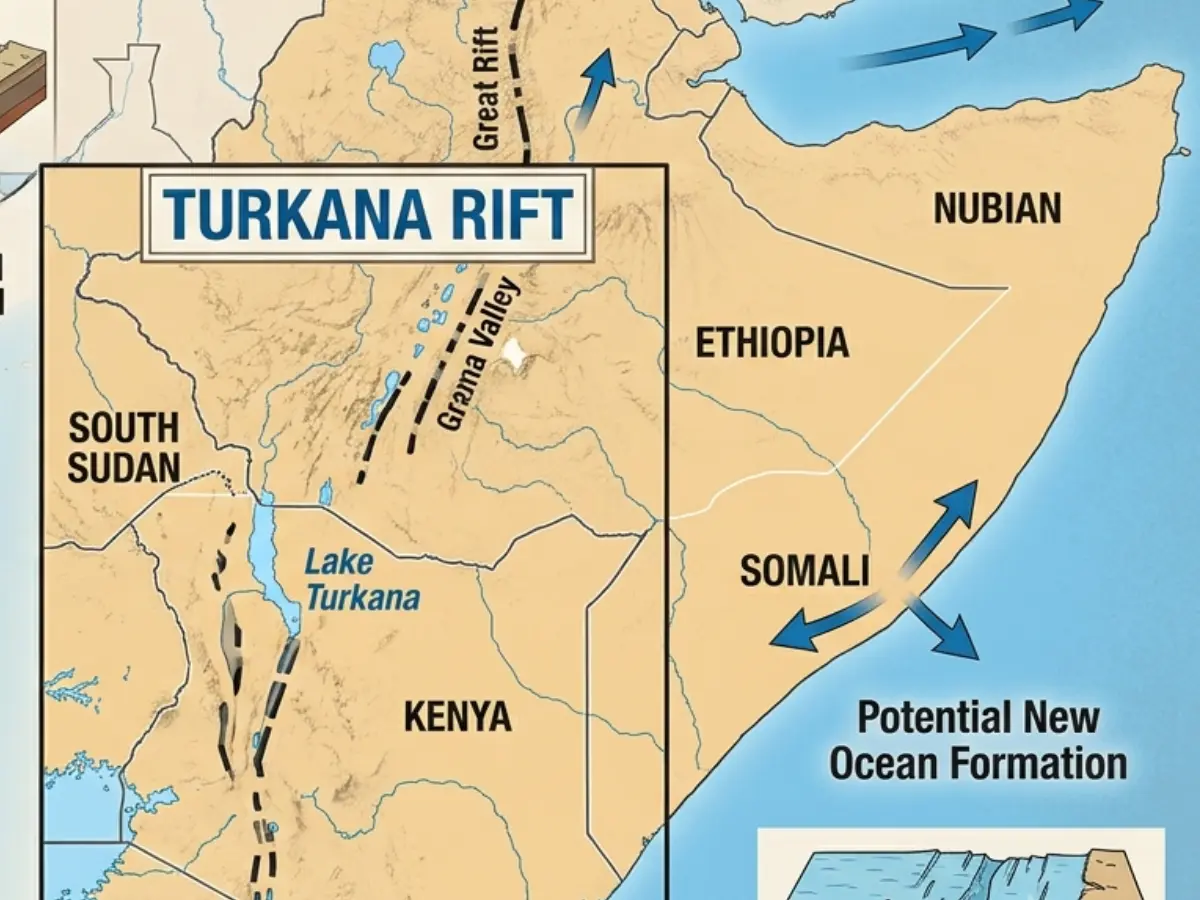)
Africa is splitting, and a lot sooner than estimated, giving way to a new ocean
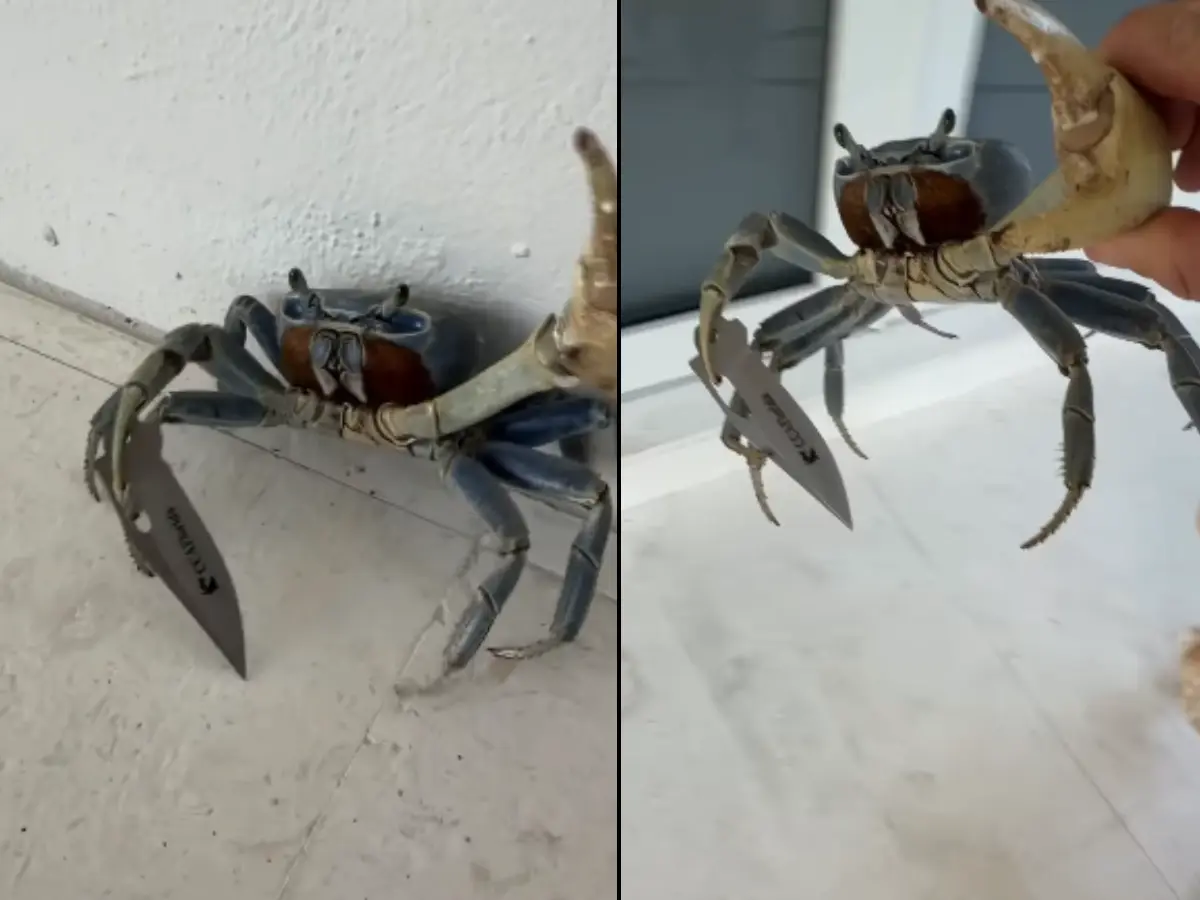)
'Gangsta' crab shoves knife blade at man and his dog in Florida - Watch
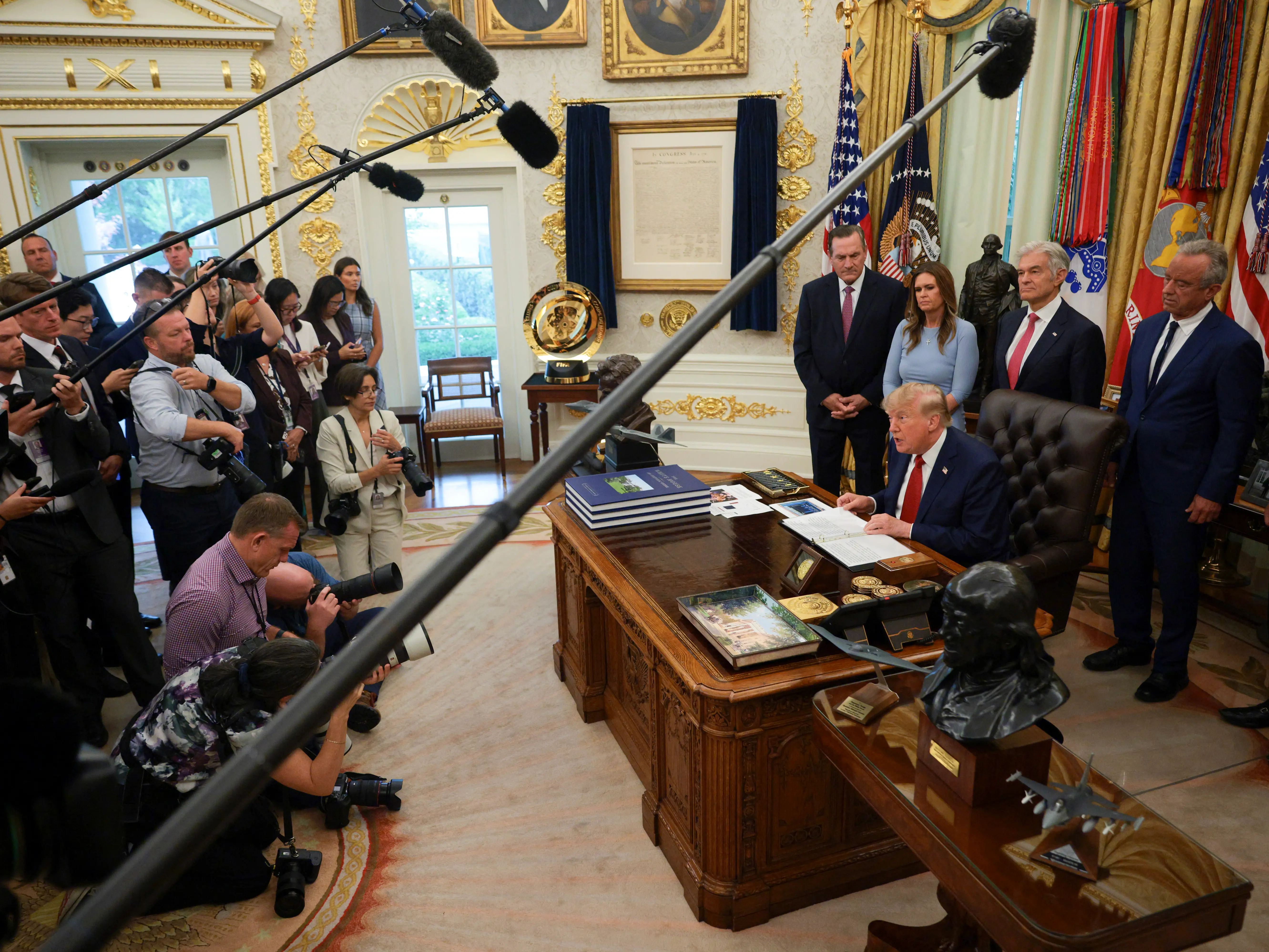)
Trump bans CNN, MS NOW and Politico from White House over ‘FAKE NEWS’
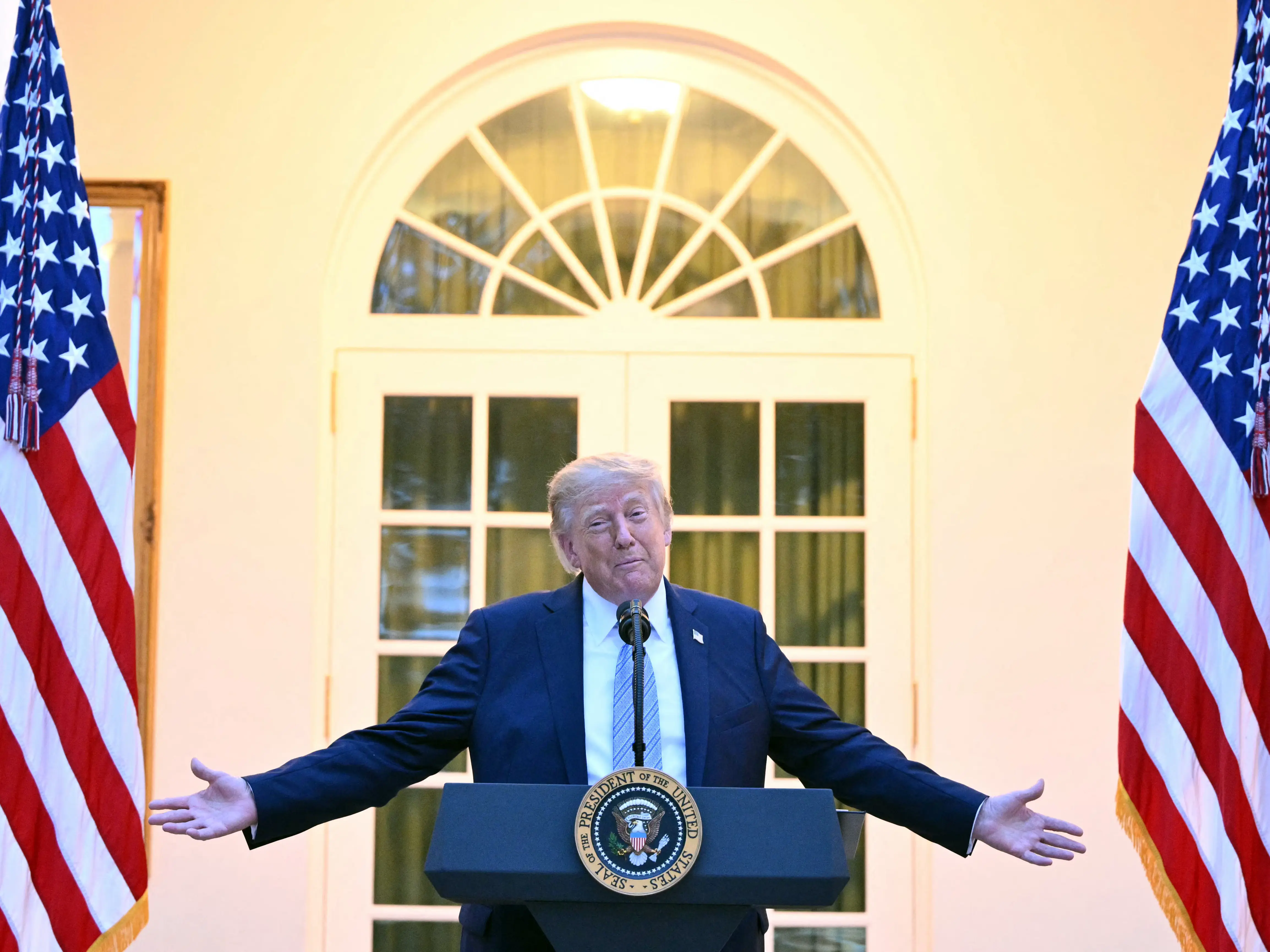)
Trump 2.0: Dark days ahead for America’s ‘imperial presidency’
)
Trump's Greenland dream comes true? POTUS announces 'Infinite Life' deal with Denmark, claims permanent US control
)
Who is Khalilur Rahman? All you need to know about 81st UN General Assembly President
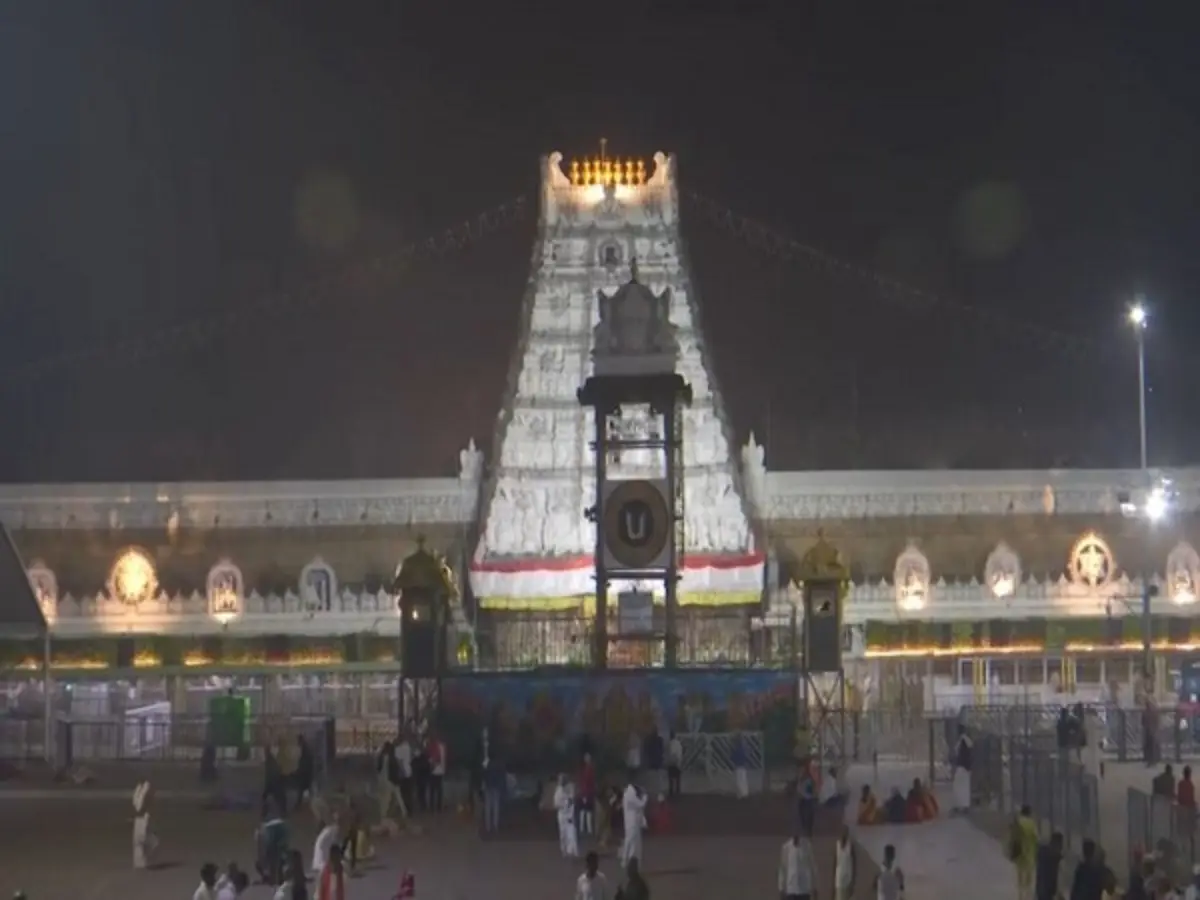)
Tirupati Laddu ghee adulterated with chemicals, says ED, supplier arrested
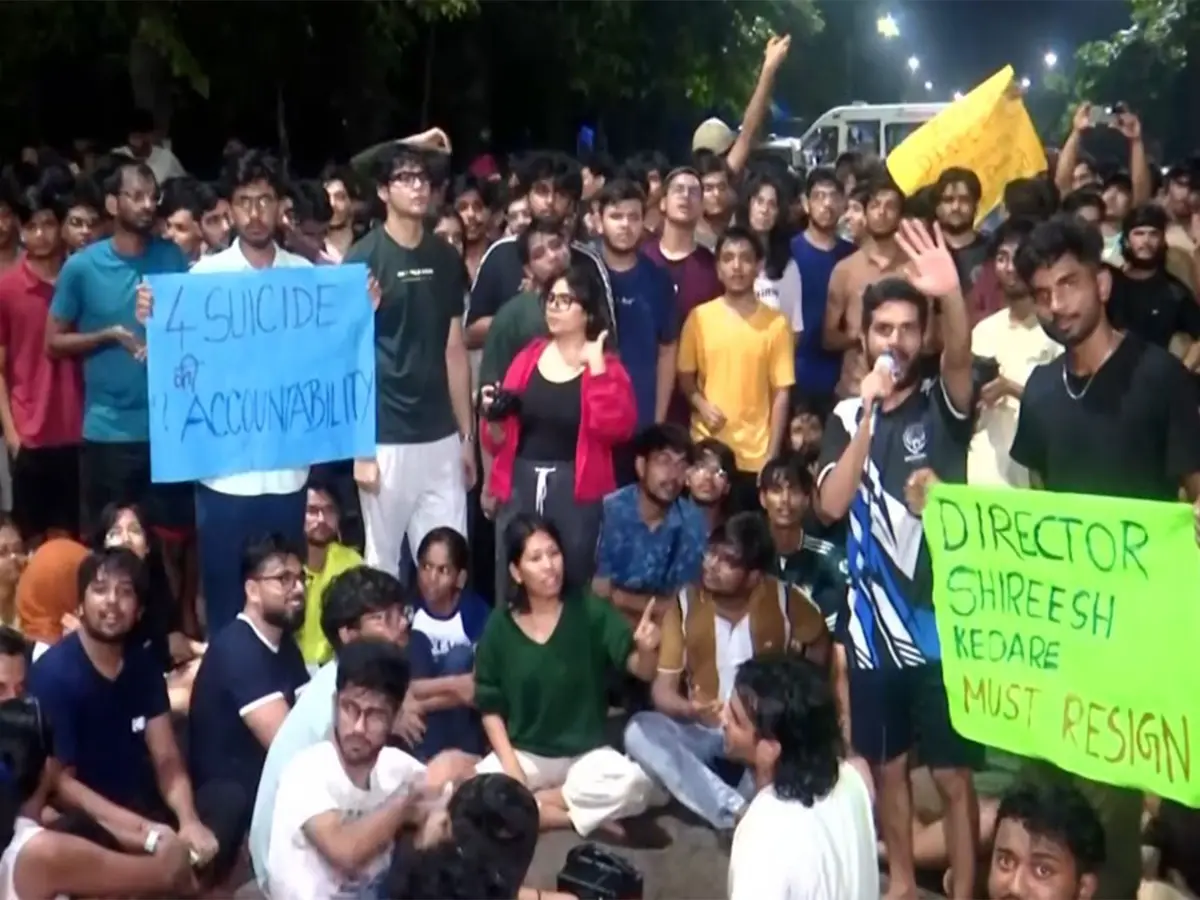)
IIT Bombay student dies by suicide, was caught seeking AI help during exams
&im=FitAndFill=(700,400))
Meet top 5 bowlers in latest ICC T20I rankings
)
Indian Cinema bets big on mythology, brings ancient stories to modern audiences
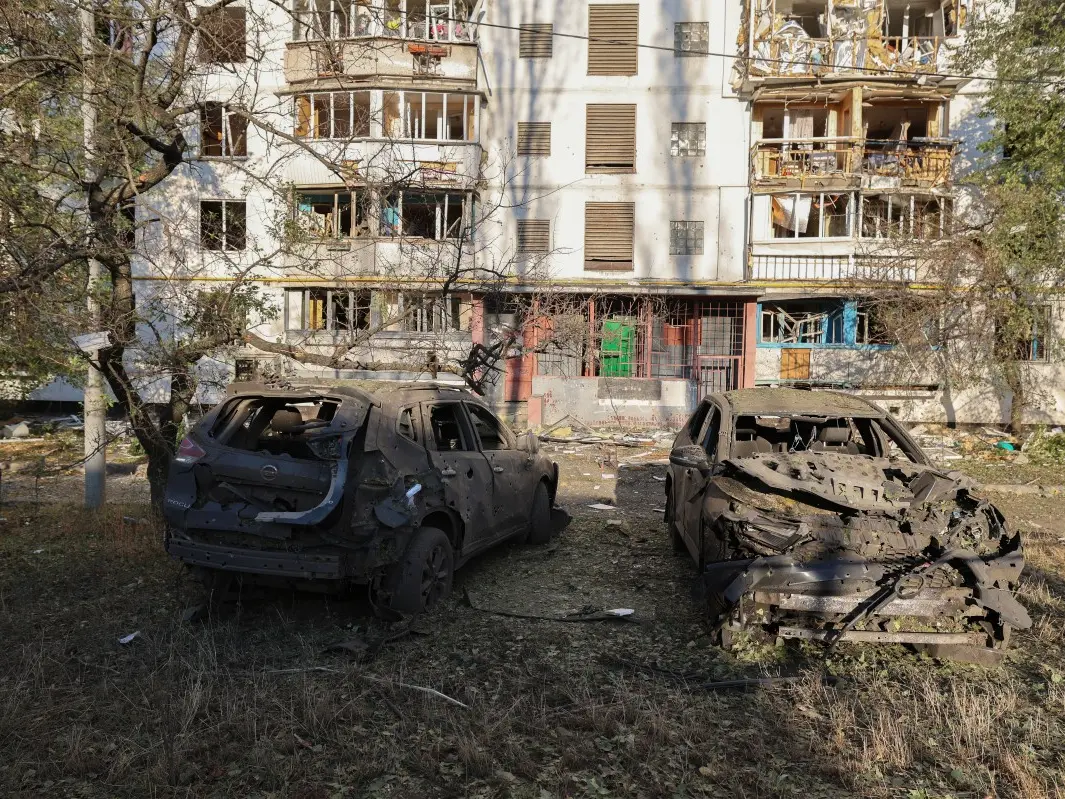)
Ukraine plans record $109 bn defence spending, nearly two thirds of budget amid Russia war
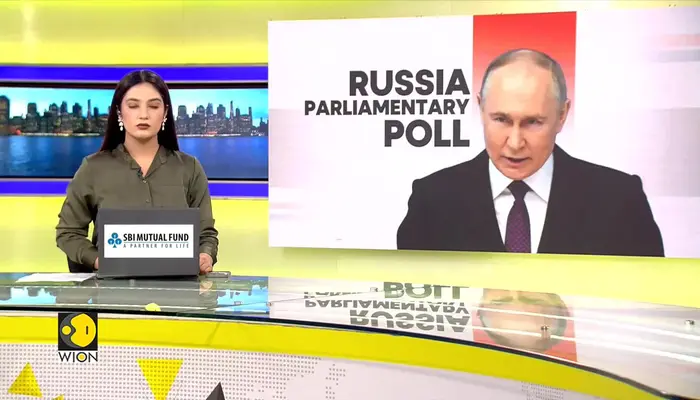)
Russia holds first parliamentary elections since the beginning of the Ukraine war
&im=FitAndFill=(700,400))
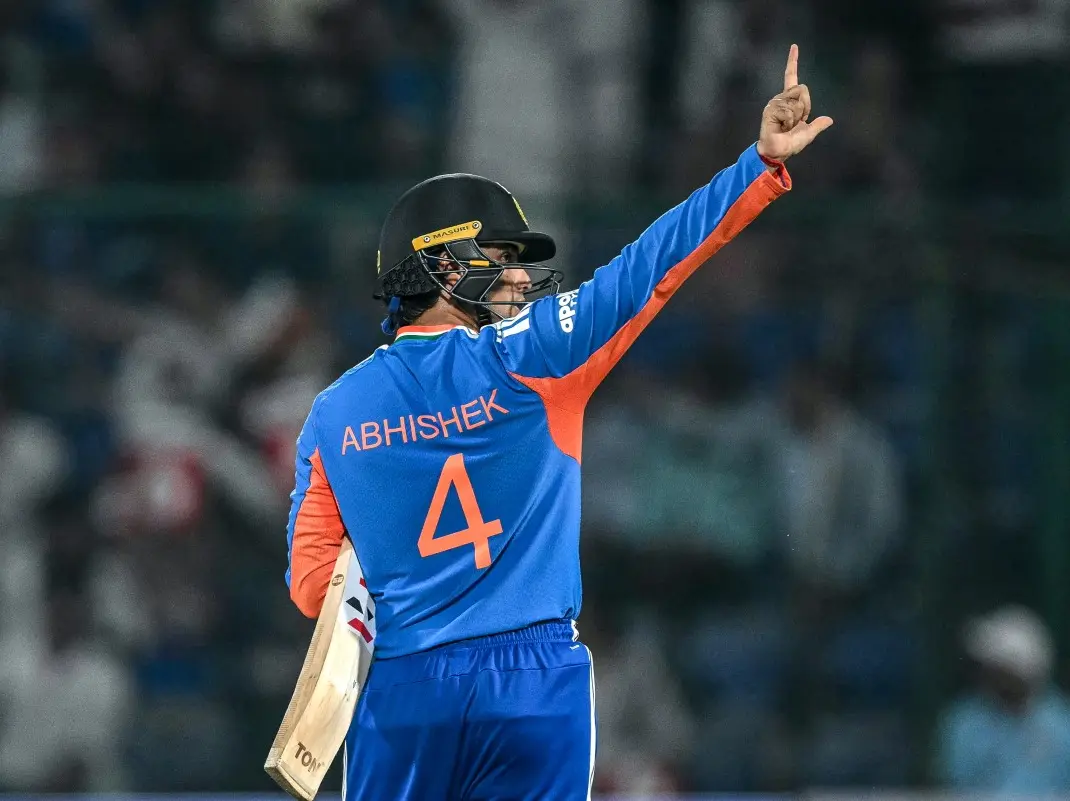
Meet top 5 Indian batters with fastest T20I centuries
It was also the phase whenhe developed a rivalry with Pushpa Kamal Dahal. Prachanda wentthe other way, he launched an armed insurgency and adopted Maoism to finish the monarchy.
When the peace process ended in 2006, Prachanda won big. He was elected prime minister first in 2008then once again in 2016.
Nepal underwent a transition as monarchy gave way to a secular, federal republic with coalition governments becoming the norm.
It was the transition that also brought Oli and Prachanda together. They decided to contest the 2017 elections together and merged their parties. Two years later, the daggers have been drawn again.
Today, KP Sharma Oli is known as the face of "Nepali nationalism”but it wasn’t the case earlier. In 1996, Oli had split from his own partyjust because he wanted to support the India-Nepal agreement over the Mahakali river water-sharing agreement.
Oli’s shift to China is fairly recent driven by political and economic considerations. In 2016, he signed a deal with Beijing that gave Nepal access to dry ports and rail links from China for the first time since thenthe partnership has only grown from strength to strength.
Today, China drives the political choices of Oli, choices that have damaged India’s ties with Nepal, choices that have brought Oli to the brink of his ouster. The Nepal prime minister could end up paying a heavy price for an alliance with Beijing.