IMF suggests Pakistan impose 18 per cent GST on food, medicines, petroleum: Report

IMF suggests Pakistan to impose 18 per cent GST on food, medicines, petroleum: Report
The government of Pakistan has been advised by the International Monetary Fund (IMF) to impose an 18 per cent General Sales Tax (GST) on food, medicine, petroleum items, and stationery, reported ARY news.
The IMF experts in a report to Islamabad have suggested Pakistan's newly elected government put an end to sales tax relaxation.
Following its December 2023 visit to Pakistan, the IMF team sent out a report in February 2024 that included several suggestions ahead of the FY2024–2025 budget.

The IMF has suggested placing a number of goods, such as unprocessed food, stationery, medicine, POL products, and others, under the standard 18 per cent GST rate.
It assessed that rationalising GST rates could generate 1.3 per cent of Gross Domestic Product (GDP) revenue which equals Rs 1,300 billion in the national exchequer.
The IMF has overall demanded the removal of all the distortionary tax policy changes related to compliance, which includes the abolition of minimum taxes and additional taxes, as well as the abolition of the Ninth and Tenth Schedules.
)
US faces fresh cost crunch as mortgage rates hit 7%, oil tops $107 and gas prices surge
)
Nations League: Germany draw on Klopp debut; Portugal, Norway win
)
Myanmar training camp case: US national, 6 Ukrainians allowed to meet their families abroad
Don't Be Shy movie review: A frothy coming-of-age tale that is too shy to experiment
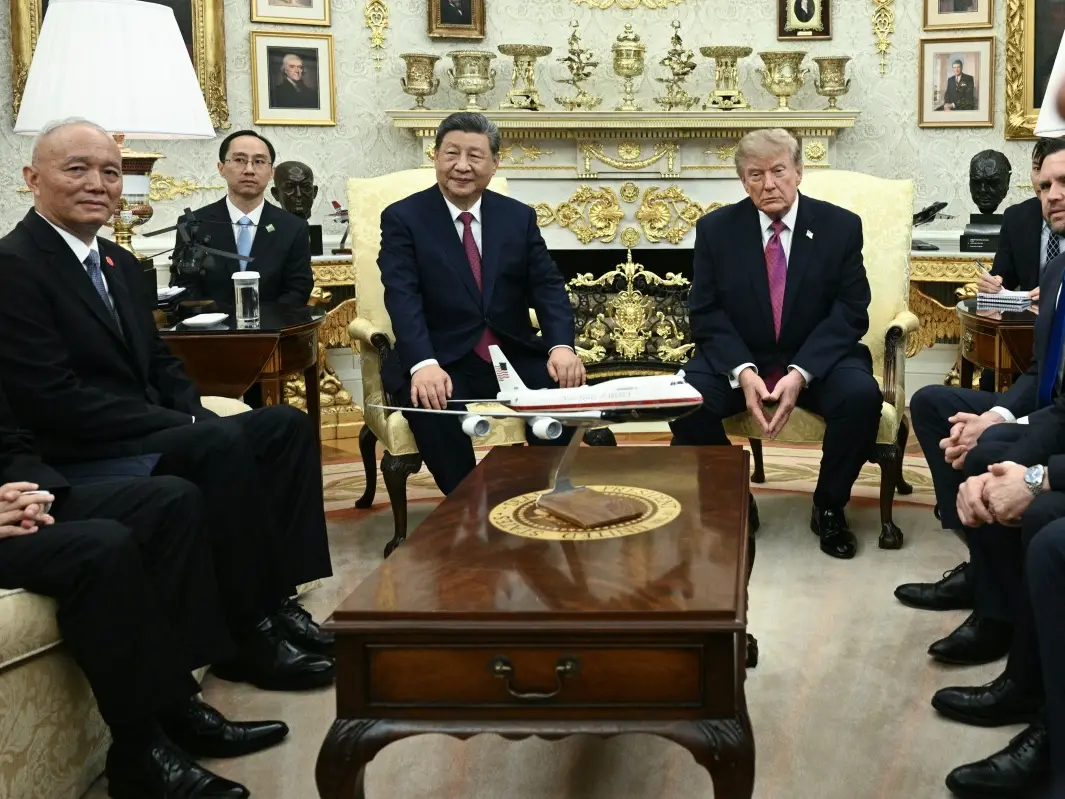)
Trump's welcome to Xi demonstrates 'attraction' to dictators: Chuck Schumer
)
'What kind of confession is this?': Pakistan PM Shehbaz Sharif’s 'terrorists would be roaming New York' remark goes viral, raises alarm online. Watch
)
Bias or safety concerns? Bengaluru CEO says firm will not hire men from UP, Bihar, Rajasthan, MP. Here's why
)
Scientists detect first radio signals directly from faraway planet
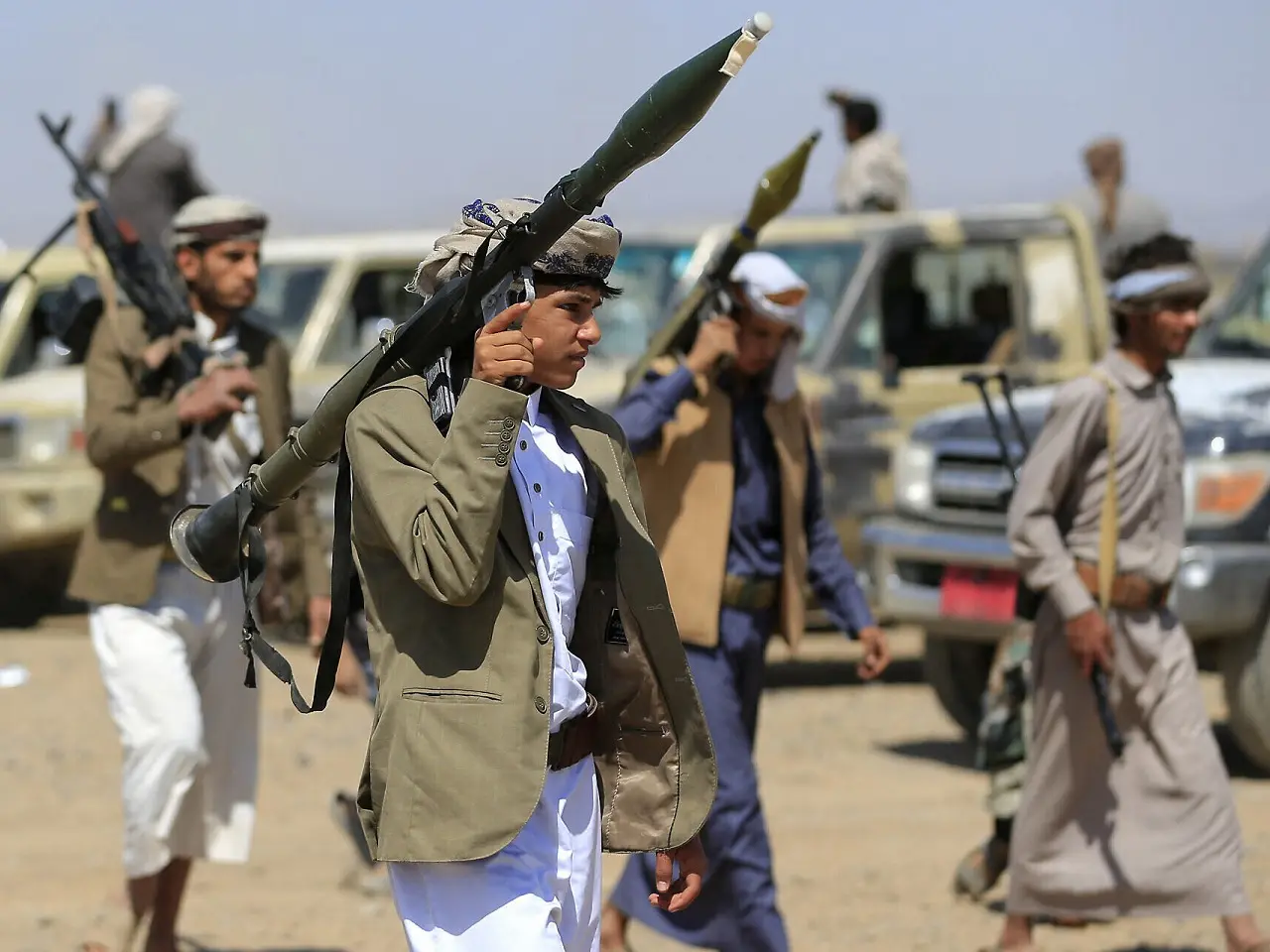)
Yemen called Trump for US military support in fight against Houthis: Official
)
Air India pilot suspended after failing pre-flight alcohol test on Zurich-Delhi route
)
What’s in a name? Trump’s 'Lake America' move gets a tit-for-tat response from Canada
)
Meet Adrian Abraham: 9-year-old Indian-origin guitar prodigy aiming for a Guinness World Record
)
OpenAI is building AI to fight cyber threats: What GPT-6 Cyber means for security
)
'FIRST LOOK from inside Noah’s Ark': Researchers share video from inside mysterious mound in Turkey
)
WATCH: Pak PM Shehbaz Sharif refuses to answer on Hafeez Sayeed, walks away
)
WION Iconic Tourism Summit 2026: Union Minister Shekhawat on 'experiential travel', peace diplomacy
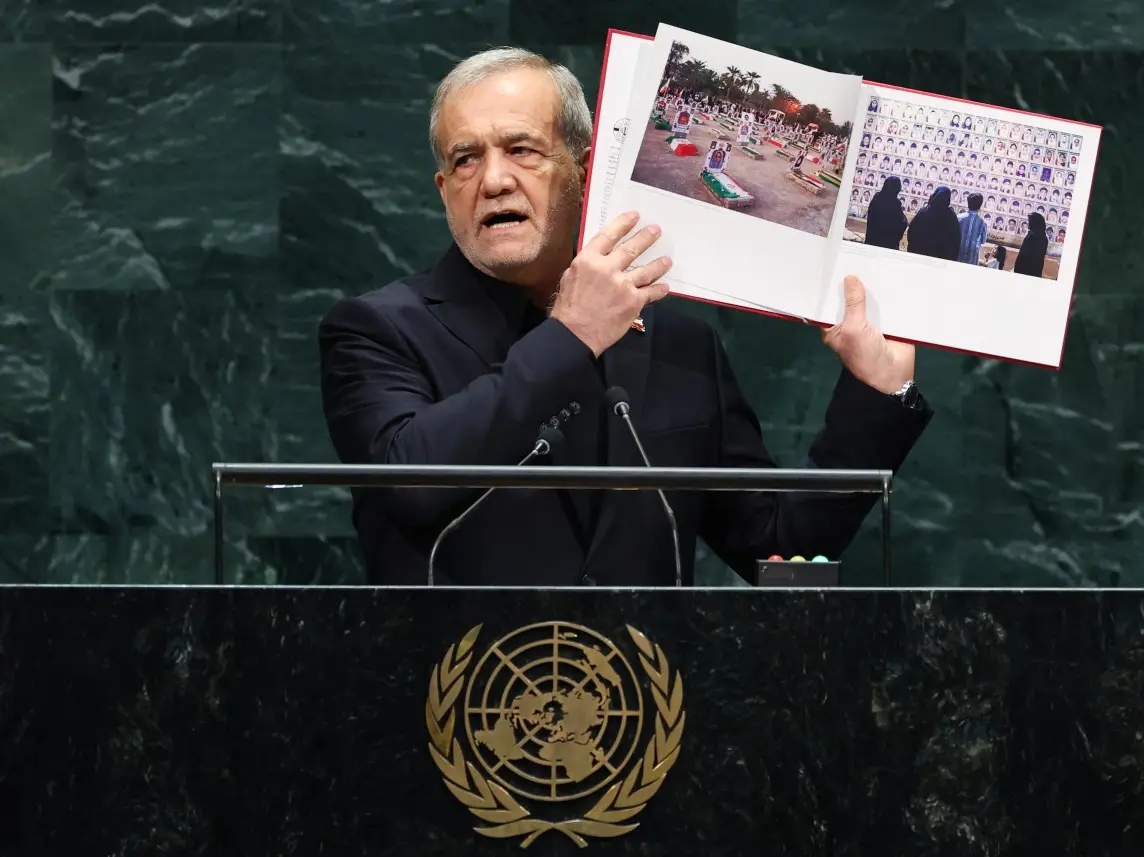)
'We do not wish to continue. It's America that must choose': Iran president Pezeshkian calls on US to end war
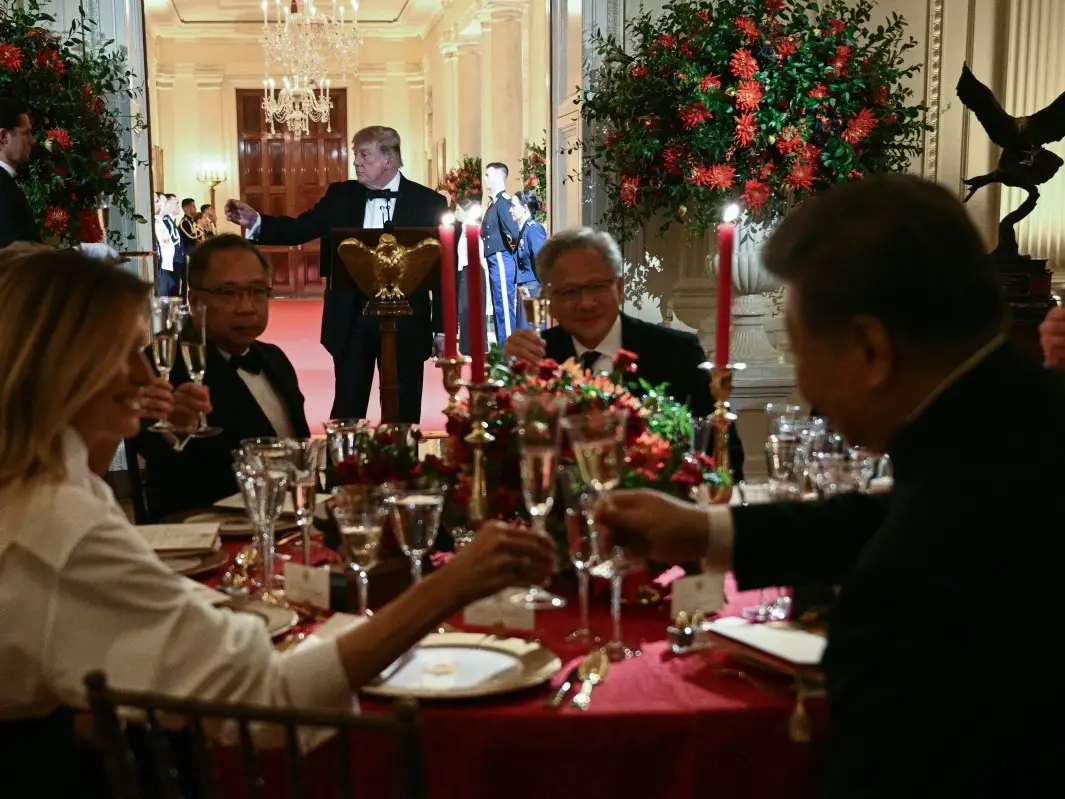)
‘We’ve never gotten along better’: Trump praises Xi, jokes about White House ballroom at high-stakes state dinner
)
UNGA 2026: Israeli PM attacks Britain, France for past colonialism
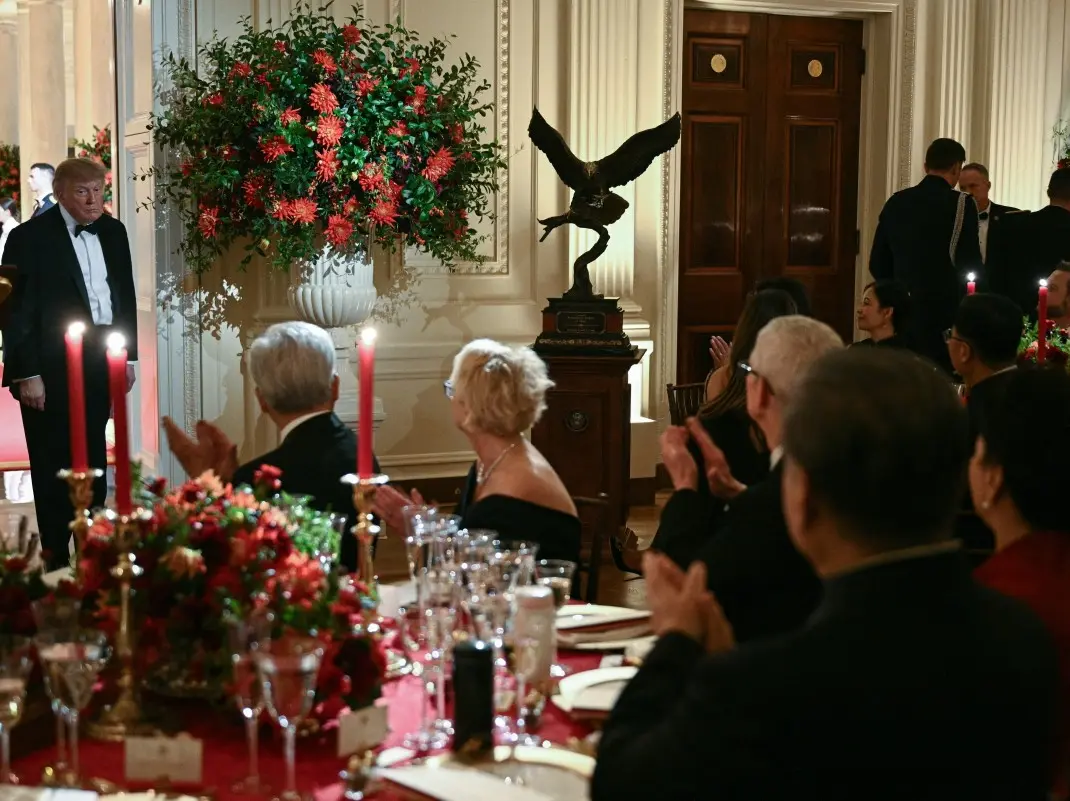)
Trump gifts Xi a bald eagle sculpture at White House dinner: Here’s what it symbolises
)
Farhan, who went viral for AK47 celebration vs India in Asia Cup, hopes to lead Pakistan beyond Asian Games
)
The Vvaan Review: This Ekta Kapoor's Tulsi Virani-coded world can't be saved by Sidharth Malhotra and Tamannaah Bhatia
)
'Blockbuster' nor'easter develops an eye similar to hurricanes as warnings are issued
)
CNN, Politico and MS NOW back in White House after judge blocks Trump’s media ban
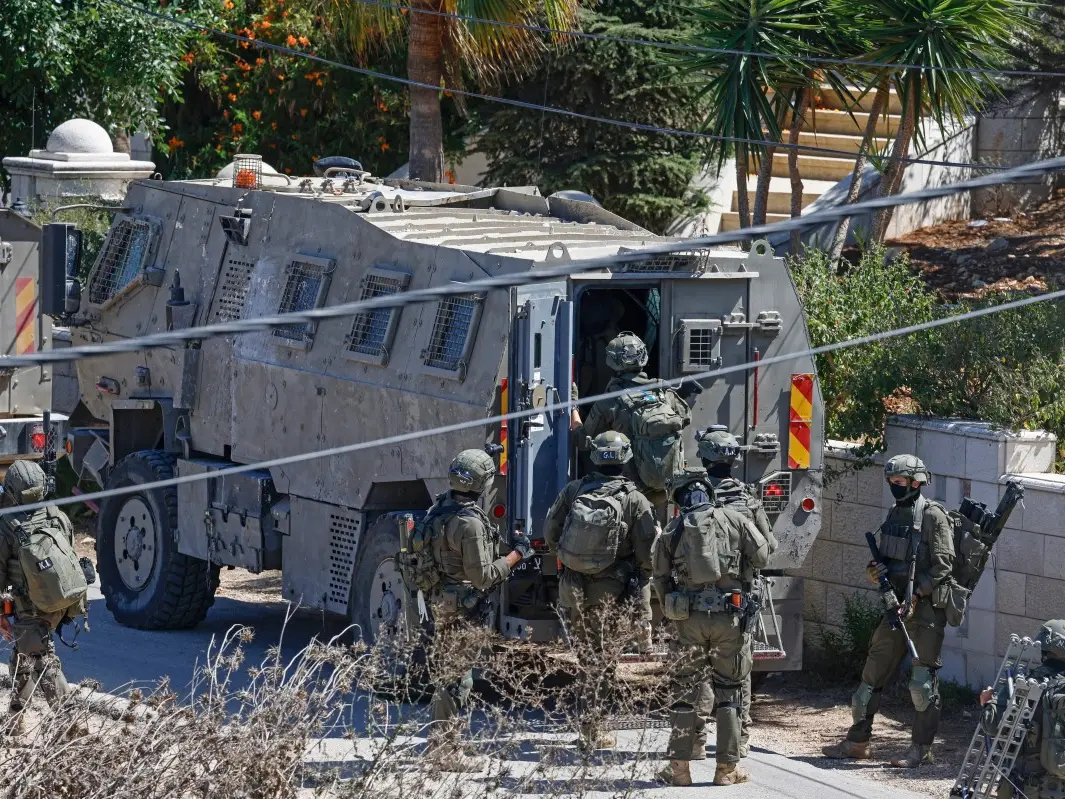)
Israeli envoy to US Yechiel Leiter’s son critically injured in West Bank ramming attack
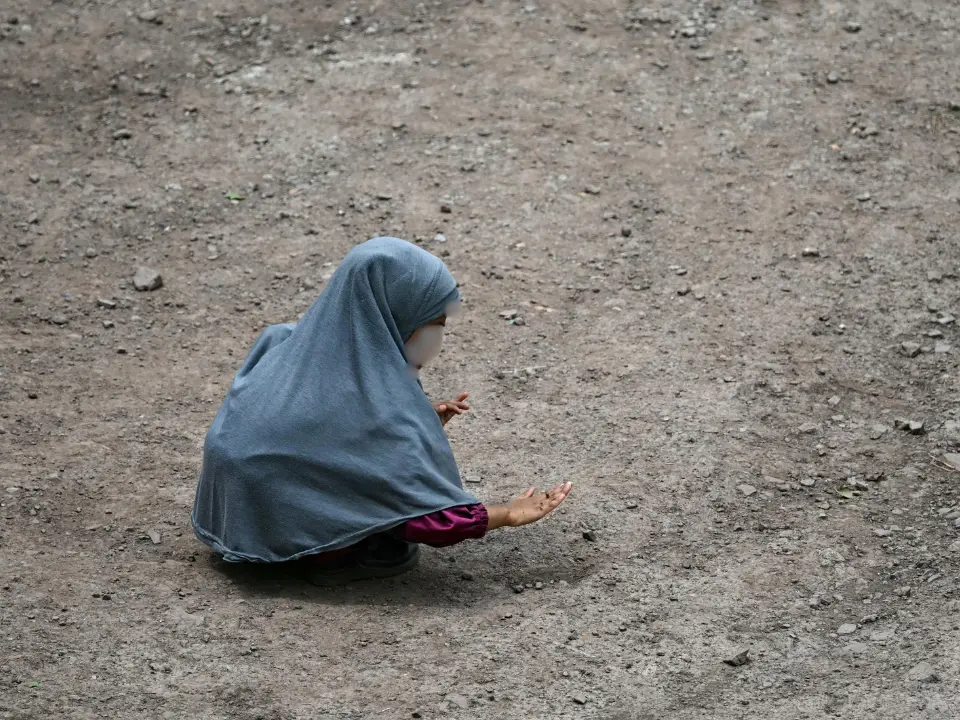)
Outrage erupts after 3-year-old is married to 60-year-old man in Pakistan, link to her sister's murder being probed
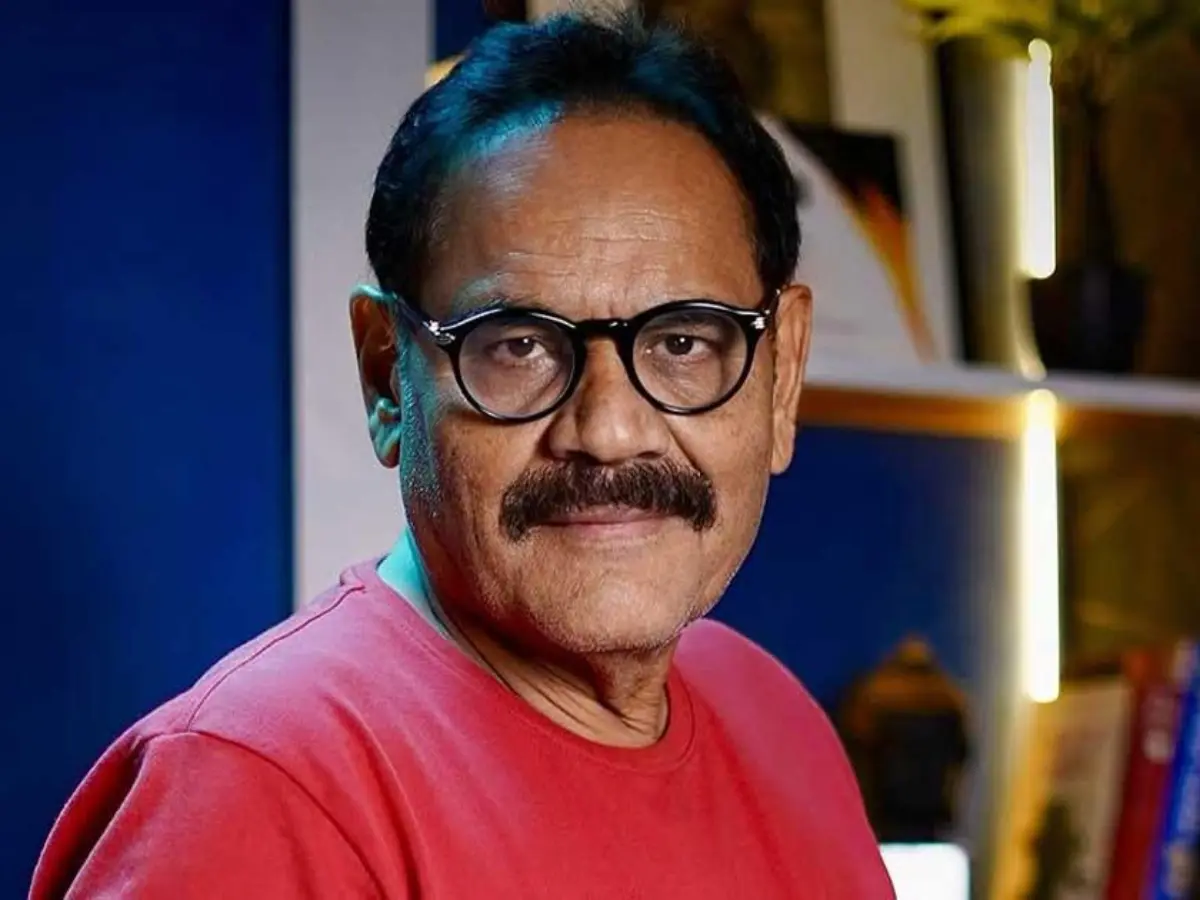)
Bollywood mourns Mushtaq Khan: Sunny Deol, Rajpal Yadav and others pay tribute
&im=FitAndFill=(700,400))
Netanyahu at UN: Mass walkout, attack on Mamdani and Iran threats | In Pics
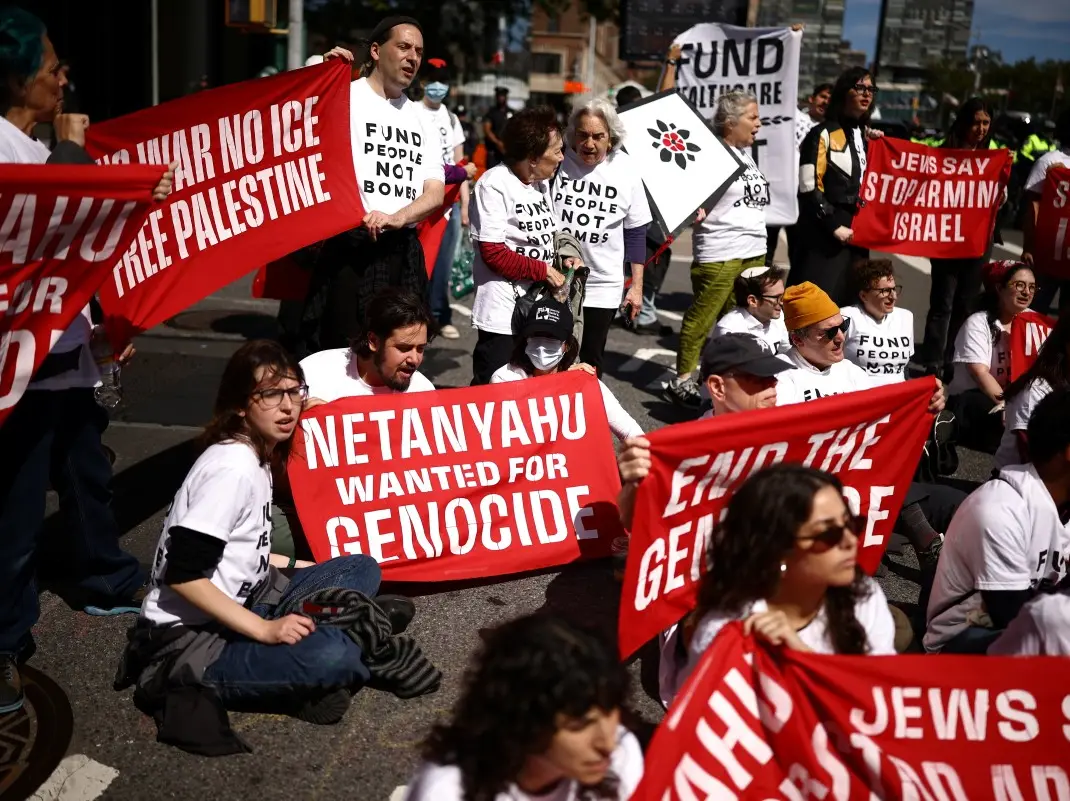)
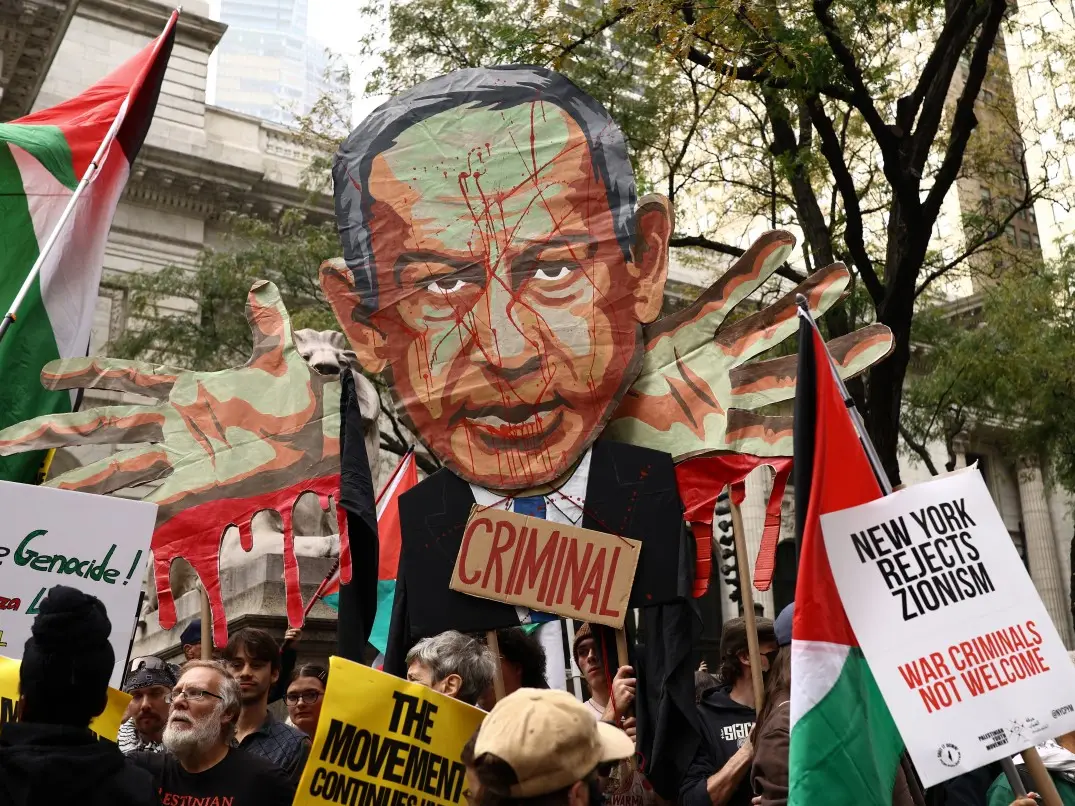
'Fund people, not bombs': Hundreds take to New York streets as Netanyahu delivers speech at UN; dozens arrested
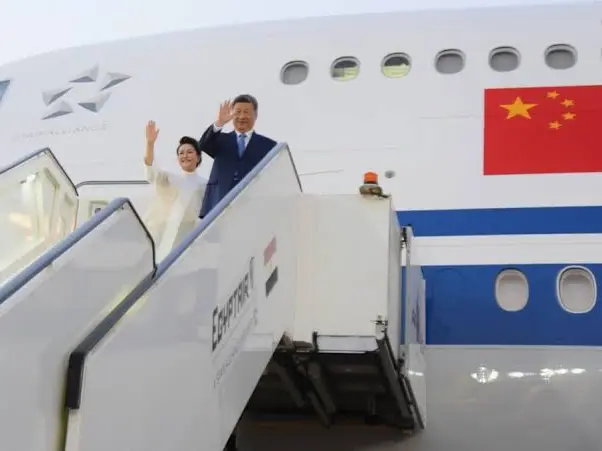)
Xi Jinping's 'special plane' vs Trump's Air Force One: What's the difference?
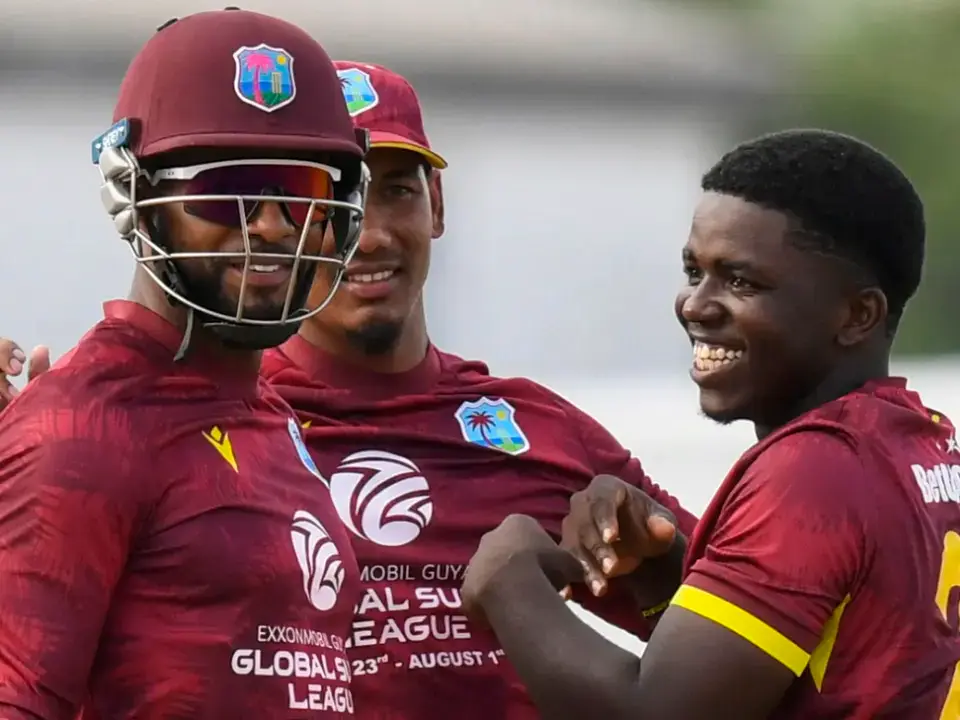)
West Indies coach Sammy looking at India series as opportunity to finetune ahead of ODI World Cup 2027 qualifiers
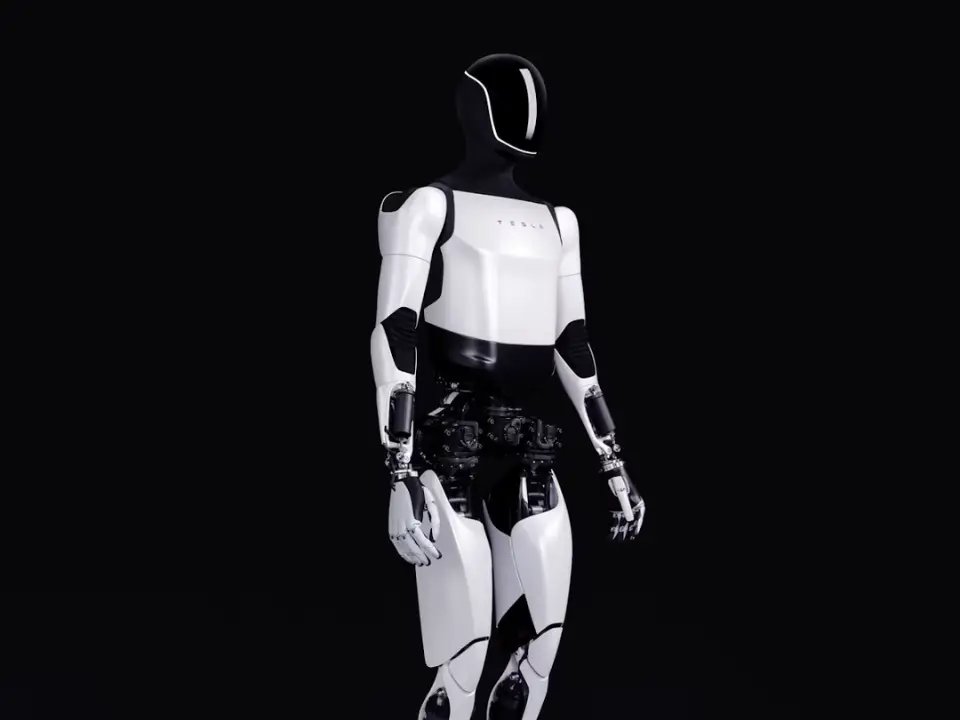)
Tesla is preparing something big for Optimus: new Gen 3 models surface in app
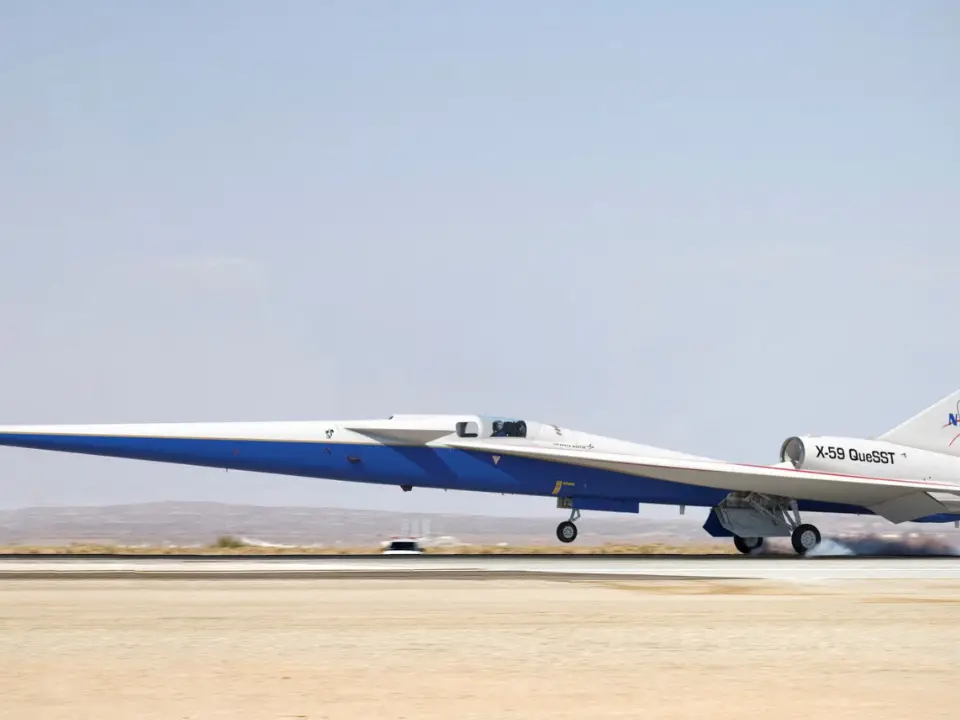)
China to test supersonic jet that moves at Mach 2, double the speed of sound
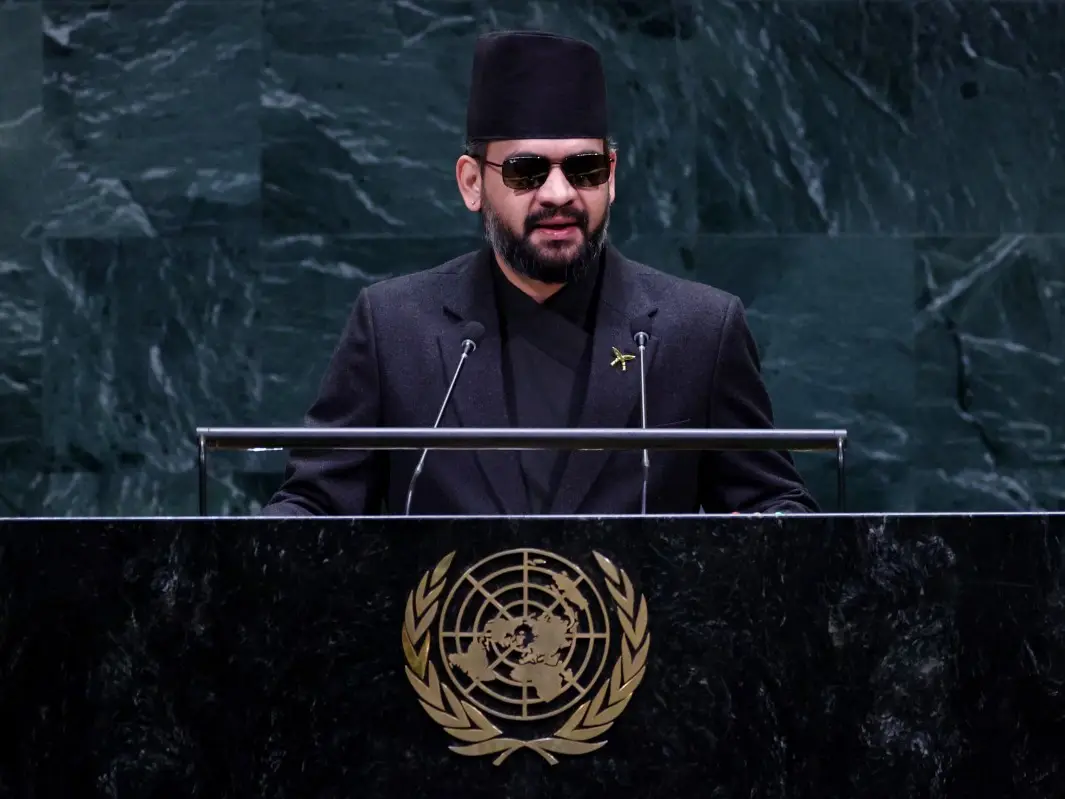)
‘Not just a local tragedy’: Nepal PM Shah warns UN of growing climate threat, says Nepal floods were 'a warning to the world'
)
A seven-day roadmap? Iran proposes plan to end war, reopen Strait of Hormuz and resume nuclear talks
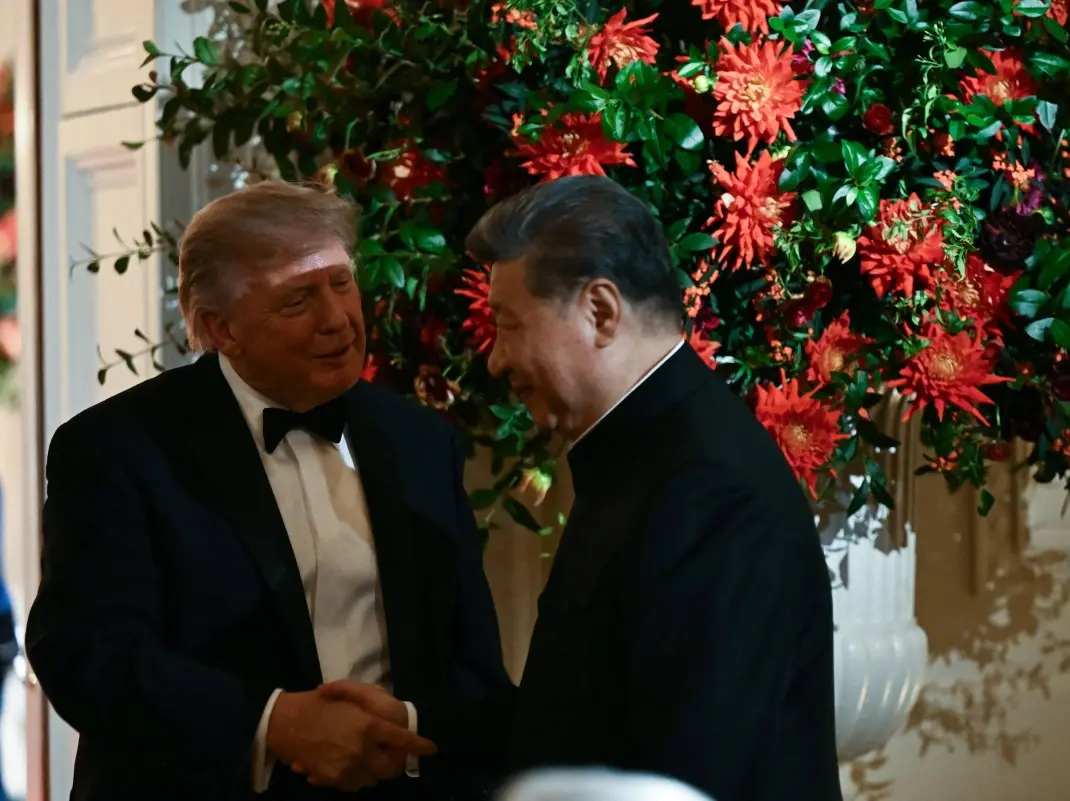)
'Making history': Xi Jinping praises Trump as US-China leaders dine at White House
)
In February, there were reports that Pakistan would seek a loan package from the International Monetary Fund in addition to $1.5 billion in climate finance.
Shehbaz Sharif aims to join G20 after being 'elected' Pakistan PM
Shehbaz Sharif, leader and brother of the three-time ex-PM Nawaz Sharif, won enough votes in the country’s National Assembly to retake the premiership.
He delivered the victory speech on Sunday (Mar 3) and said that he would conduct what he called a “deep surgery” and bring changes to the system to get the cash-strapped country out of the economic crisis and secure membership in the Group of 20 (G20) countries by 2030.
Shehbaz spoke about the alarming debt crisis that Pakistan is facing and noted how even the expenditures of the National Assembly were being paid by borrowed money.
“But if we decide to do a deep surgery and bring changes in the system, basic reform…I have no doubt…we can either get rid of a life of debt or we move forward with heads down in shame,” said the PM-designate.
Pakistan has long struggled with a heavy debt load. Recently,it secured another bailout by the International Monetary Fund (IMF) which was Pakistan’s 23rd since it gained independence in 1947.
The inflation rate in the country reached 29.7 per cent in December, and in 2023, the Pakistani rupee was Asia’s worst-performing currency.
(With inputs from agencies)