Afghanistan: Who's who of Taliban leadership

Taliban
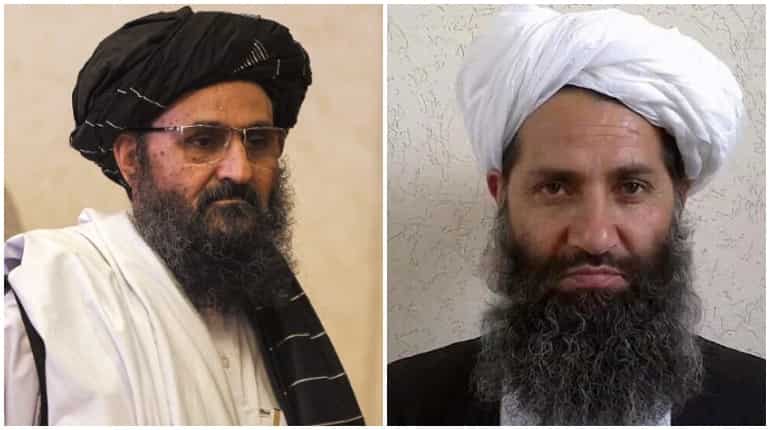
By now, the Taliban's grip on power in Afghanistan is firm. On Sunday (August 15) Taliban fighters entered Kabul and also in the presidential palace. Situation is chaotic in Kabul with thousands of people wanting to escape the country as they fear Taliban rule. Taliban have already said that they will form the next government in the country. Taliban have survived USA's two-decades-long war on terror and these prominent Talibani figures are likely to get prominent positions in the emerging government set-up in Afghanistan
Haibatullah Akhundzada
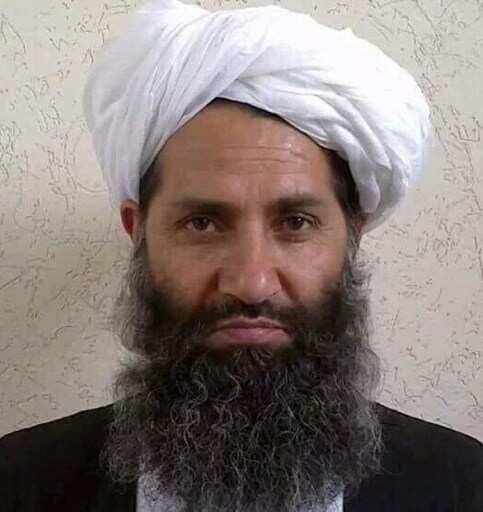

Akhundzada became leader of the Taliban after assassination of his predecessor Mullah Mansour Akhtar, in 2016.
After being appointed leader, Akhundzada secured a pledge of loyalty from Al Qaeda chief Ayman al-Zawahiri, who showered the religious scholar with praise -- calling him "the emir of the faithful".
This helped him seal his jihadi credentials with the group’s long-time allies.
&imwidth=180&imheight=135&format=webp&quality=medium)
Brendan Taylor overtakes Andy Flower to become Zimbabwe’s leading ODI run-scorer
&imwidth=180&imheight=135&format=webp&quality=medium)
Pakistan to head IMF, World Bank boards after 74 years amid persistent economic crisis
&imwidth=180&imheight=135&format=webp&quality=medium)
"The scariest thing was"... flydubai Captain Smit Machchhar recalls cockpit fight and how he thought of his son and daughter
&imwidth=180&imheight=135&format=webp&quality=medium)
'We are not sitting in ivory towers, we are aware': SC issues notice to Rahul Gandhi, Akhilesh Yadav
&imwidth=180&imheight=135&format=webp&quality=medium)
Flying car race: Alef Aeronautics welcomes Tesla Roadster '11 years' later, but are the two models the same?
&imwidth=180&imheight=135&format=webp&quality=medium)
6-year-old among 2 killed as vehicle crashes into youth soccer game in US
&imwidth=180&imheight=135&format=webp&quality=medium)
WATCH | Flames engulf St Petersburg oil sites as Ukraine launches 1,000 drones at Russia
&imwidth=180&imheight=135&format=webp&quality=medium)
‘I have very severe problems’: Trump fuels health speculation during address to firefighters
&imwidth=180&imheight=135&format=webp&quality=medium)
US midterm elections 2026: Postal ballots and voter disenfranchisement — A key battle for Donald Trump
&imwidth=180&imheight=135&format=webp&quality=medium)
Lizard people? Ex-US Army sniper claims soldier killed by 'reptilian beings' in battle near Area 51
&imwidth=180&imheight=135&format=webp&quality=medium)
‘I don’t know how my family escaped': Congressman Raja Krishnamoorthi chokes while revealing he was inside US temple during foiled attack
&imwidth=180&imheight=135&format=webp&quality=medium)
Rain washes out 5th T20I as India-West Indies share honours 2-2
&imwidth=180&imheight=135&format=webp&quality=medium)
'Reason UN has lost credibility': Amid SIR protests India hits out at report alleging 'youth repression'
&imwidth=180&imheight=135&format=webp&quality=medium)
‘My president, I mean my husband’: Trump's new press secretary Katie Zacharia's first briefing goes off the rails in 14 minutes
&imwidth=180&imheight=135&format=webp&quality=medium)
China responds to Trump's Press Secretary Katie Zacharia after toilet remark: 'Visit China more often'
&imwidth=180&imheight=135&format=webp&quality=medium)
UAE agrees with Saudi Arabia to rejoin Yemen fight as Houthi strikes rattle Riyadh
&imwidth=180&imheight=135&format=webp&quality=medium)
PCB omits Atherton, Hussain from tri-series commentary panel over Imran Khan interview row
&imwidth=180&imheight=135&format=webp&quality=medium)
SA vs AUS 2nd Test: Rain delays start as Rabada returns; Boland replaces Lyon for Australia
&imwidth=180&imheight=135&format=webp&quality=medium)
At least 400 arrested as protests turn violent in France; PM blames far left
&imwidth=180&imheight=135&format=webp&quality=medium)
WATCH | iPhones, luxury perfumes floating in Hormuz? Iranian fishermen make bizarre discovery
&imwidth=180&imheight=135&format=webp&quality=medium)
Two students die, 14 injured at Dandiya event in Hyderabad: Know what happened? VIDEO
&imwidth=180&imheight=135&format=webp&quality=medium)
'keep telling him you will get your opportunities': Iyer opens up on conversations with Sooryavanshi
&imwidth=180&imheight=135&format=webp&quality=medium)
‘Be back in few weeks’: Emi Martinez shares first update after head clash in Premier League match
&imwidth=180&imheight=135&format=webp&quality=medium)
Tiger Shroff attacked by three gunmen in Mumbai, actor safe, two injured
&imwidth=180&imheight=135&format=webp&quality=medium)
Taylor Swift performs at star-studded Academy Museum Gala 2026 in stunning Dior ensemble
&imwidth=180&imheight=135&format=webp&quality=medium)
Anirudh Ravichander-Kavya Maran wedding: Telangana CM reveals Chennai reception date
&im=FitAndFill=(700,400)&imwidth=180&imheight=135&format=webp&quality=medium)
Inside Tesla's Roadster: 10 features of Elon Musk's 'flying car' that push the limits of electric vehicles | In Pics
&imwidth=180&imheight=135&format=webp&quality=medium)
Kolkata Durga Puja stampede: PM Modi announces Rs 2 lakh ex-gratia for kin of dead, Amit Shah to visit injured
&imwidth=180&imheight=135&format=webp&quality=medium)
One species, two lineages: Why Sri Lanka’s spectacled cobra differs genetically from Indian variant
&imwidth=180&imheight=135&format=webp&quality=medium)
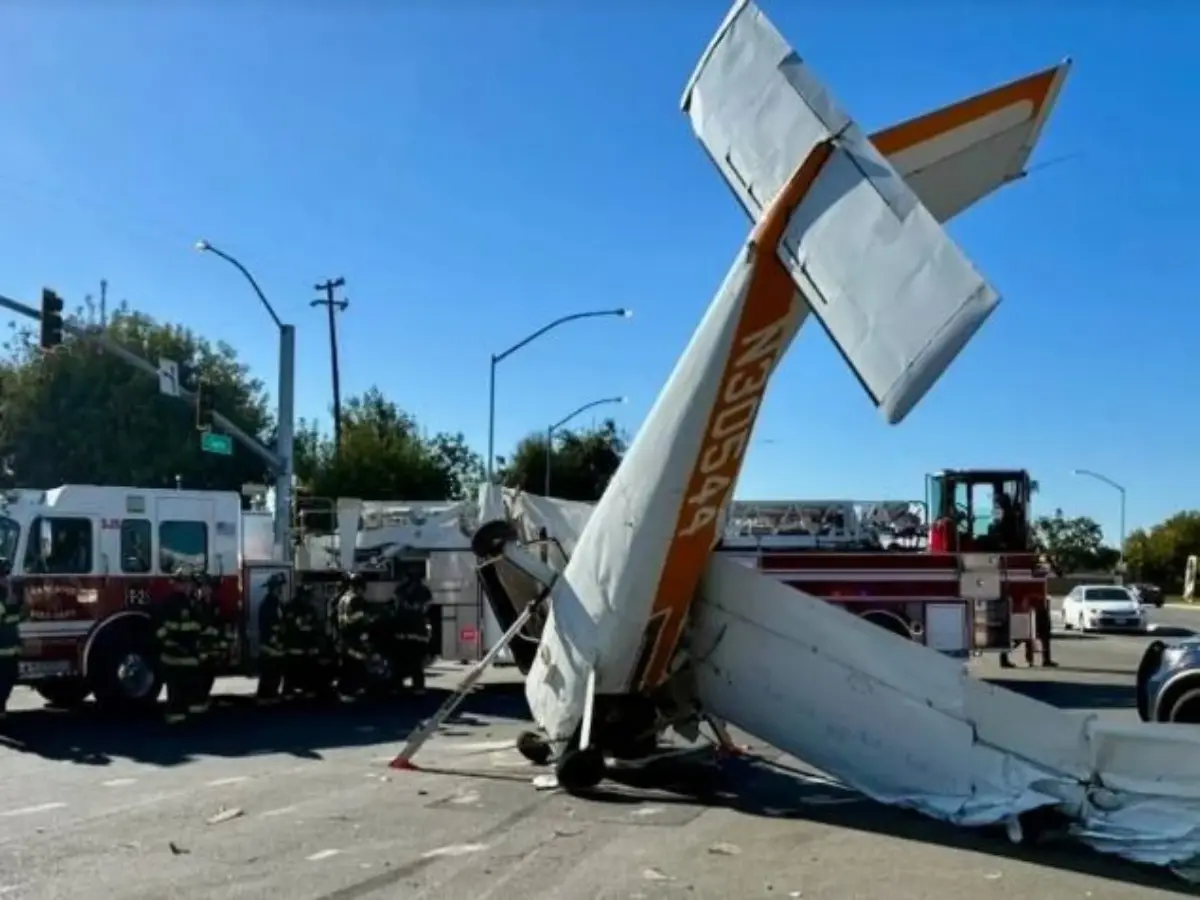
2 injured in plane crash on busy California highway
&imwidth=180&imheight=135&format=webp&quality=medium)
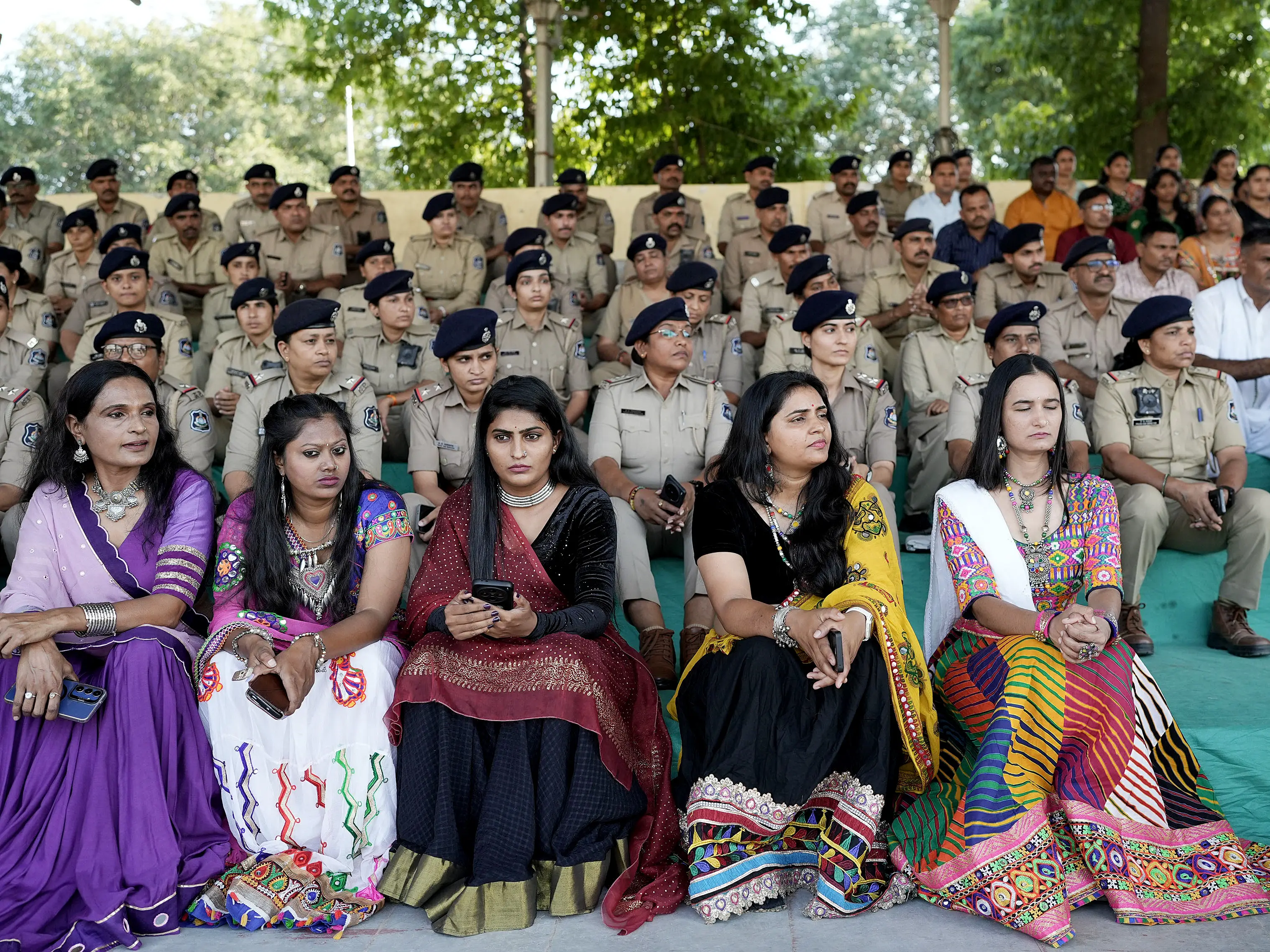
'We feel like Mr India': Gujarat’s undercover SHE team guard garba nights at Navratri
&imwidth=180&imheight=135&format=webp&quality=medium)
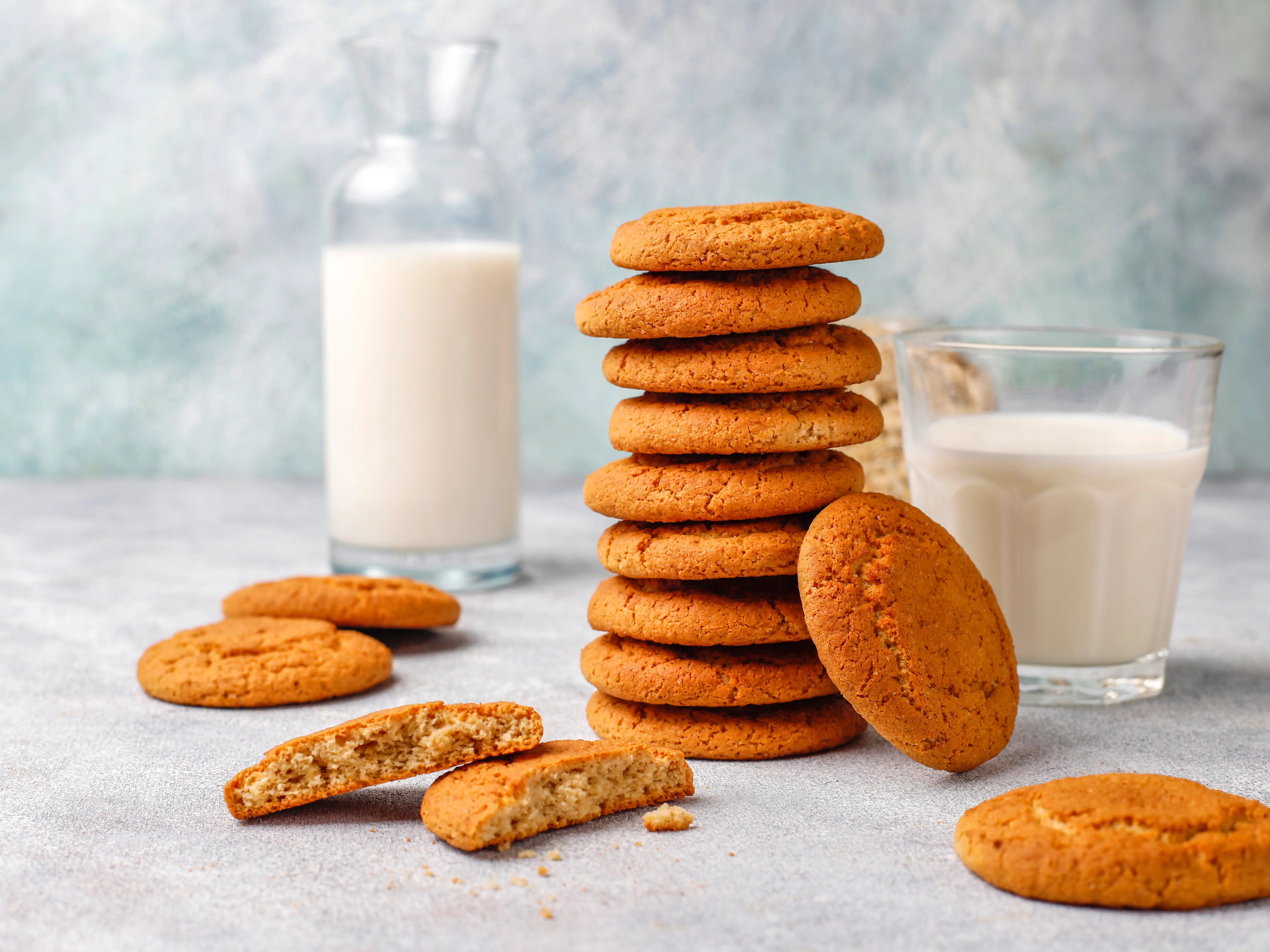
Cattle-feed bran in biscuits, detergent in milk: FSSAI acts against 3 companies
&imwidth=180&imheight=135&format=webp&quality=medium)
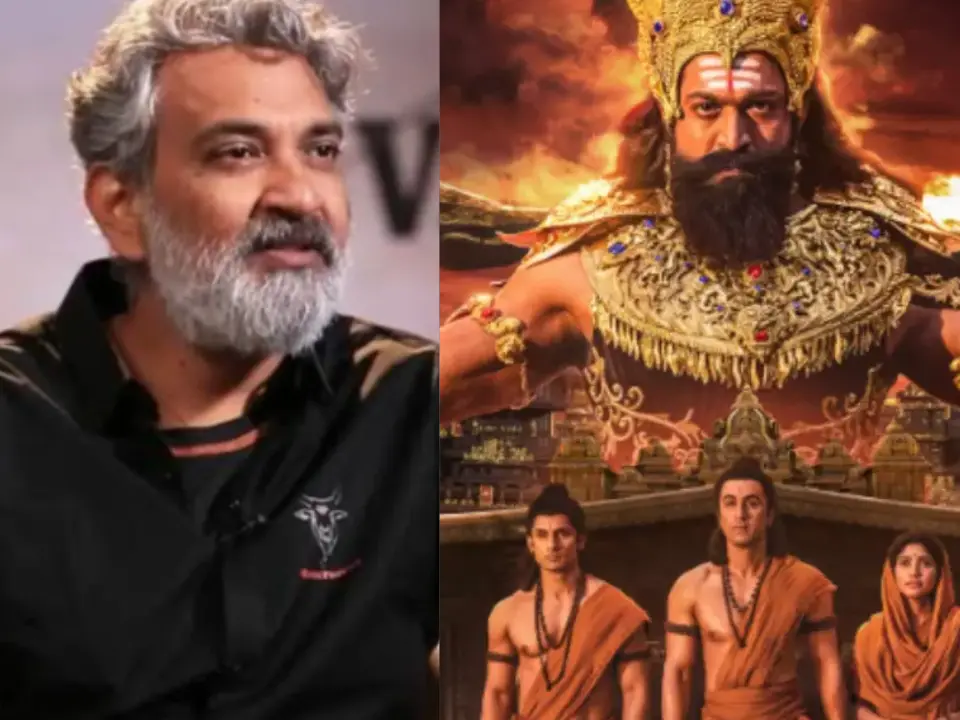
'It's a joy to see the makers bring it on such a grand scale': SS Rajamouli on Ramayana
&imwidth=180&imheight=135&format=webp&quality=medium)
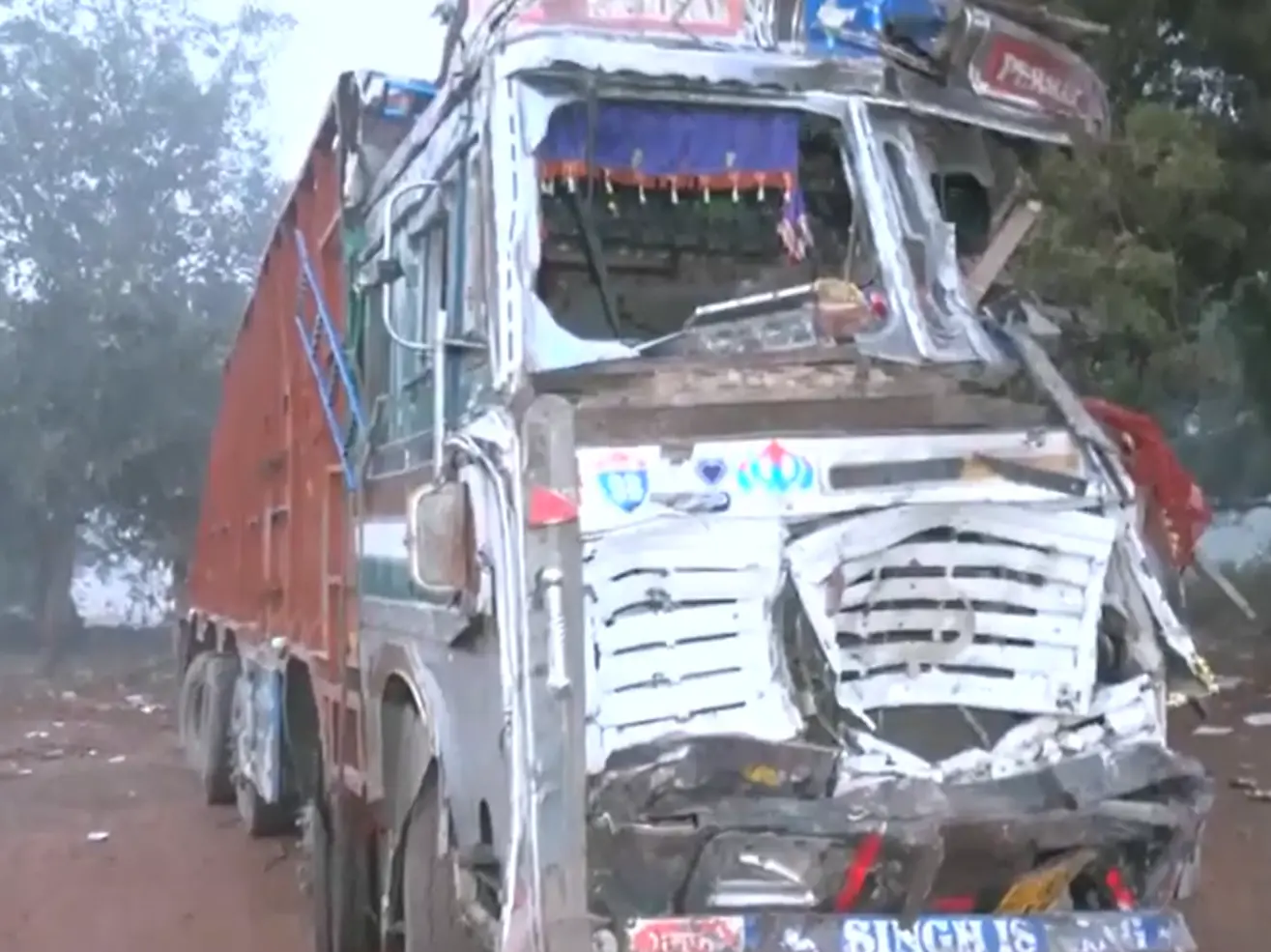
13 dead after truck mows down devotees, crashes into temple gate in Madhya Pradesh's Gwalior
&imwidth=180&imheight=135&format=webp&quality=medium)
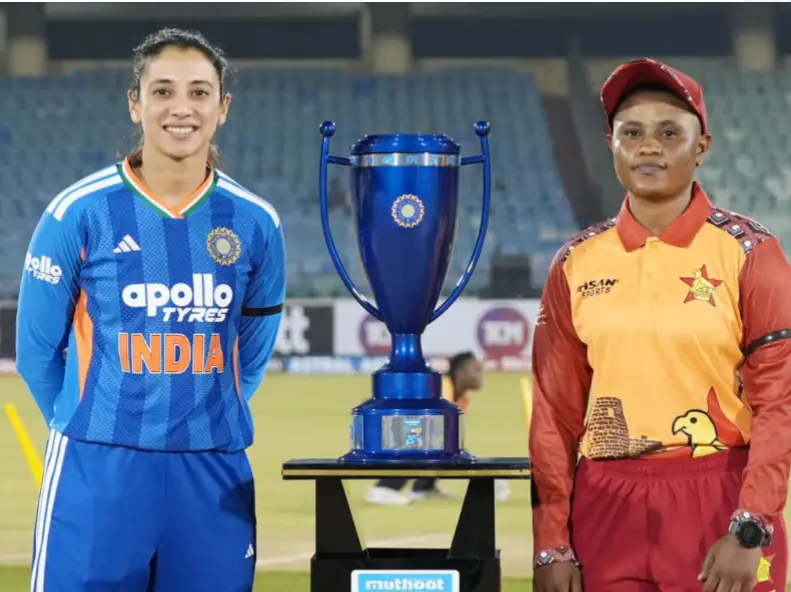
IND-W vs ZIM-W, 2nd T20I: When and where to watch live streaming in India?
He is seen more as a spiritual leader than a military figurehead.
Akhundzada was tasked with the enormous challenge of unifying a militant movement that briefly fractured during a bitter power struggle following the assassination of his predecessor, and the revelation that the leadership had hid the death of Taliban founder Mullah Omar for years.
The leader's public profile has been largely limited to the release of annual messages during Islamic holidays.
The founder, Mullah Baradar
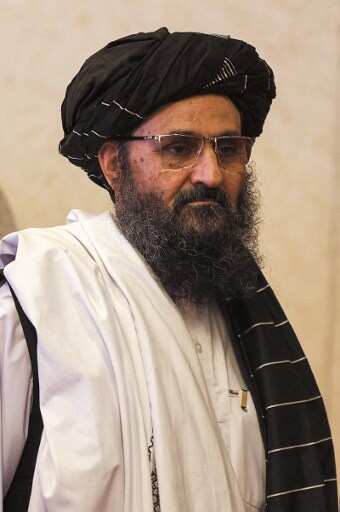
Mullah Baradar shares his birthplace with Talibani movement, Kandahar
He turned insurgent during Soviet invasion of Afghanistan in 1970s.
He was believed to have fought side-by-side with the one-eyed cleric Mullah Omar. Baradar and Omar founded the Talibani movement in early 90s amid the chaos of civil war that followed Soviet withdrawal from Afghanistan.
Arrested in Pakistan in 2010, Baradar was kept in custody until pressure from the United States saw him freed in 2018 and relocated to Qatar.
This is where he was appointed head of the Taliban's political office and oversaw the signing of the withdrawal agreement with the Americans.
Sirajuddin Haqqani, the Haqqani Network
He is son of the famed anti-Soviet commander Jalaluddin Haqqani.
Sirajuddin doubles as both the deputy leader of the Taliban movement while also heading the powerful Haqqani network.
The Haqqani Network is a US-designated terror group that has long been viewed as one of the most dangerous factions fighting Afghan and US-led NATO forces in Afghanistan during the past two decades.
The group is infamous for its use of suicide bombers and is believed to have orchestrated some of the most high-profile attacks in Kabul over the years.
The network has also been accused of assassinating top Afghan officials and holding kidnapped Western citizens for ransom -- including US soldier Bowe Bergdahl, released in 2014.
Known for their independence, fighting acumen, and savvy business dealings, the Haqqanis are believed to oversee operations in the rugged mountains of eastern Afghanistan, while holding considerable sway over the Taliban's leadership council.
Mullah Yaqoob, the scion
The son of the Taliban's founder Mullah Omar.
Mullah Yaqoob heads the group's powerful military commission, which oversees a vast network of field commanders charged with executing the insurgency's strategic operations in the war.
His lineage and ties to his father -- who enjoyed a cult-like status as the Taliban's leader -- serves as a potent symbol and makes him a unifying figure over a sprawling movement.
However, speculation remains rife about Yaqoob’s exact role within the movement, with some analysts arguing that his appointment to the role in 2020 was merely cosmetic.
(With inputs from agencies)