

&imwidth=800&imheight=600&format=webp&quality=medium "WATCH | Australia’s first domestically made rocket crashes 14 seconds after liftoff")
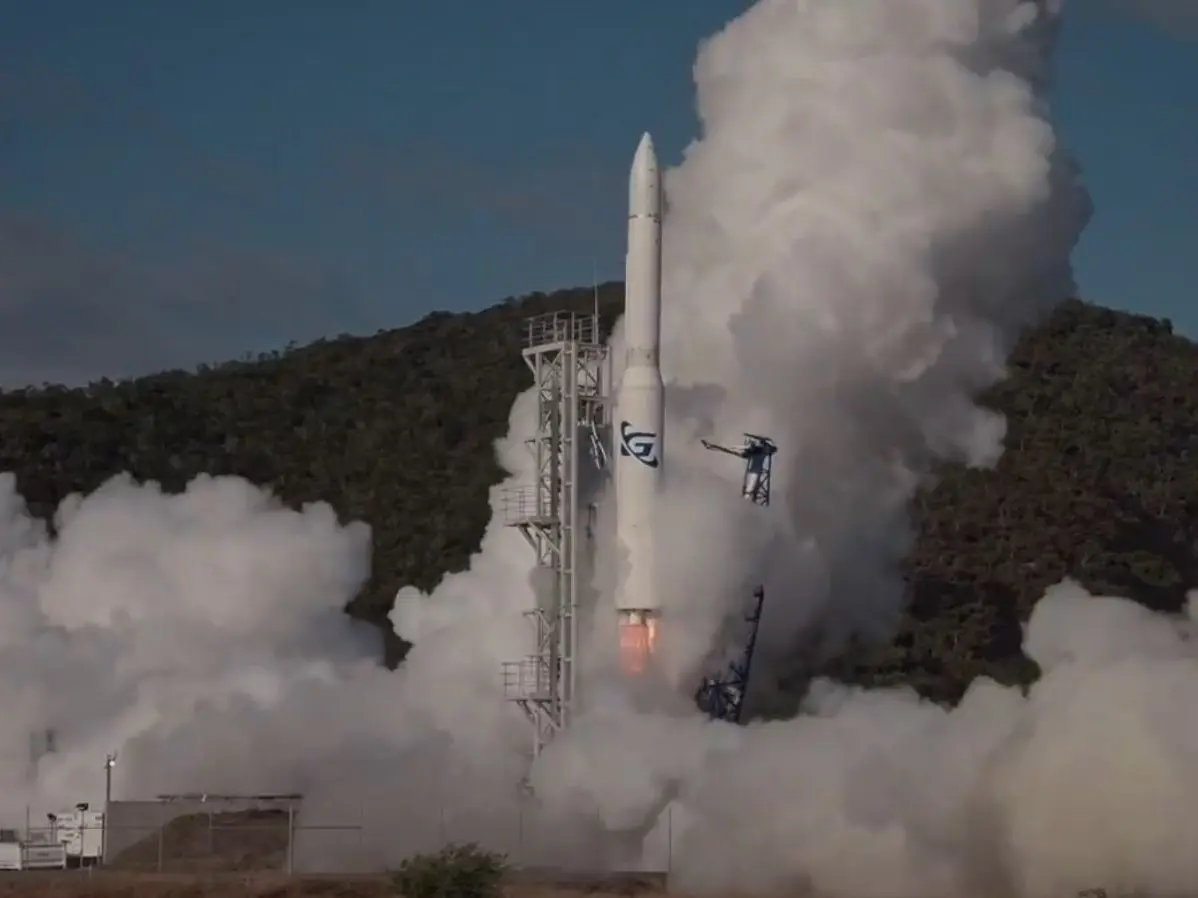
Australia launched its first domestically built rocket, Eris, on Wednesday (Jul 30). However, the spacecraft, which was set to attempt to reach orbit, crashed 14 seconds after its liftoff from a spaceport near Bowen in northern Queensland. The rocket was developed by Gilmour Space Technologies and was the first Australian-designed and manufactured orbital launch vehicle intended to carry small satellites into space.
In footage shared by the space company online, the 23-metre-high rocket can be seen as it attempts its first flight from the launch tower, marking the first attempt at an orbital launch from Australia in over 50 years. As the rocket lifted off, it failed to launch successfully and hovered briefly before crashing down. Thick smoke and enormous flames can be seen erupting from its wreckage at the launch base. No injuries were reported in the incident.
Despite the rocket crashing, CEO Adam Gilmour expressed satisfaction with the successful launch at the launchpad, saying, “Space is hard.”
“SpaceX, Rocket Lab and others needed multiple test flights to reach orbit. We've learned a tremendous amount that will go directly into improving our next vehicle, which is already in production,” he added.
In a post on Facebook, the company called the launch a “success”, noting that all four hybrid engines ignited. The rocket achieved 23 seconds of engine burn and 14 seconds of flight on its debut launch.
Earlier, Gilmour Space Technologies had scheduled launches in May and then earlier this month. However, both were postponed due to weather conditions and technical issues.
“Getting off the pad and into flight is a huge step forward for any new rocket program. This was the first real test of our rocket systems, our propulsion technology, and our spaceport — and it proved that much of what we've built works,” Gilmour said.
“Of course I would have liked more flight time but happy with this,” he posted on LinkedIn. Earlier in February, the CEO highlighted that it was “almost unheard of” for a private space company to be successful in reaching orbit in its first flight attempt.
Trending Stories
&imwidth=180&imheight=135&format=webp&quality=medium)
Sidhu Moose Wala’s younger brother wins hearts by recreating late singer’s signature move at Toronto Hologram Show
&im=FitAndFill=(700,400)&imwidth=180&imheight=135&format=webp&quality=medium)
Navratri 2026: 9 days, 9 forms of Goddess Durga and 9 colours- Check the complete list
&imwidth=180&imheight=135&format=webp&quality=medium)
Meta's Muse AI could be a security nightmare for India's billion-plus users
&imwidth=180&imheight=135&format=webp&quality=medium)
Maharashtra appoints FDA commissioner Tukaram Mundhe as secretary of committee for MPSC overhaul amid stir
&imwidth=180&imheight=135&format=webp&quality=medium)
Houthis claim Riyadh airport attacks, Aramco strikes; issue fresh warning to airlines, travellers and workers
&imwidth=180&imheight=135&format=webp&quality=medium)
Other Mommy leads North American box Office as Verity, Resident Evil round out top four
&imwidth=180&imheight=135&format=webp&quality=medium)
CJI Surya Kant declines INDIA bloc leaders’ request for meeting ahead of march to SC, asks them to file petition
&im=FitAndFill=(700,400)&imwidth=180&imheight=135&format=webp&quality=medium)
Is sending robots to Mars easier than sending humans?
&imwidth=180&imheight=135&format=webp&quality=medium)
The street cannot govern India, but the government cannot ignore it either
&imwidth=180&imheight=135&format=webp&quality=medium)
IND vs WI, 3rd T20I: Abhishek Sharma smashes 18-ball fifty, sets record for fastest to 2,000 T20I runs
&imwidth=180&imheight=135&format=webp&quality=medium)
iPhone Duo price index: Tracking Apple’s latest pricing trends
&imwidth=180&imheight=135&format=webp&quality=medium)
Portugal Federation confirms Cristiano Ronaldo’s return to national team despite suspension
&imwidth=180&imheight=135&format=webp&quality=medium)
Microsoft's Nadella says treat every AI model as already hacked, and build an 'emergency brake'
&imwidth=180&imheight=135&format=webp&quality=medium)
Anthropic's AI invented a murder witness and sent the fake tip to Philadelphia police
&imwidth=180&imheight=135&format=webp&quality=medium)
'Just coincidence': Police mistakes protester as AISA chief Neha Bora, arrests her from site
&imwidth=180&imheight=135&format=webp&quality=medium)
McSweeney reveals how studying Virat Kohli’s YouTube clips helped Australia A conquer India
&imwidth=180&imheight=135&format=webp&quality=medium)
Nana Patekar's cause of death confirmed; here's what his postmortem report says
&imwidth=180&imheight=135&format=webp&quality=medium)
A watchdog rated 'ChatGPT for Teens' an unacceptable risk and says keep under-18s off it
&imwidth=180&imheight=135&format=webp&quality=medium)
Delhi wakes up to heavy rain, thunderstorms; yellow alert in place; temperature drops
&imwidth=180&imheight=135&format=webp&quality=medium)
One Indian killed in Riyadh airport attack; 11 others injured : MEA
&imwidth=180&imheight=135&format=webp&quality=medium)
UK school ditches technology, shifts from screen to pen and paper for learning
&imwidth=180&imheight=135&format=webp&quality=medium)
Delhi Protest: Congress calls for march to Supreme court
&imwidth=180&imheight=135&format=webp&quality=medium)
Nathan Lyon completes 1,000 Test runs at No. 10 to script rare cricket feat
&imwidth=180&imheight=135&format=webp&quality=medium)
Imran Khan released hours after Mumbai Police detain him during CJP protest
&imwidth=180&imheight=135&format=webp&quality=medium)
'Ouch!!! That must hurt': Kangana Ranaut hails Kamal Haasan's sharp reply to Elon Musk over Starlink row
&imwidth=180&imheight=135&format=webp&quality=medium)
1,500 drones illuminate Mumbai sky as Cordelia Cruises unveils second ship, Cordelia Sky
&im=FitAndFill=(700,400)&imwidth=180&imheight=135&format=webp&quality=medium)
New OTT releases this week (October 12-18, 2026): Sacrifice, Koffee with Karan S9, Roadies Rebirth- 6 titles coming on Netflix, JioHotstar and more
&imwidth=180&imheight=135&format=webp&quality=medium)
Delhi protest: CJI Surya Kant declines to meet India Bloc leaders
&imwidth=180&imheight=135&format=webp&quality=medium)
Top AI models flunked a test of inventing new AI research, so much for self-improving AI
&imwidth=180&imheight=135&format=webp&quality=medium)
'Say no to Muse': Meta has no control over its own moderation AI while it forces a security nightmare on everyone
&imwidth=180&imheight=135&format=webp&quality=medium)
Are Gold and Silver poised for a rebound soon?
&imwidth=180&imheight=135&format=webp&quality=medium)
China imposes first-ever sanctions on ministers from Taiwan allies: What this means
&imwidth=180&imheight=135&format=webp&quality=medium)
Wasim Jaffer blames Ajit Agarkar-led selection panel for Virat Kohli’s Test retirement
&imwidth=180&imheight=135&format=webp&quality=medium)
Iran: US accepted some conditions, Clarity needed on others
The company had earlier suggested that it would deem the mission as successful if the rocket lifted off. In a statement, it said that the launch site infrastructure “remained intact.”
Describing the launch as a “huge achievement”, Whitsunday Regional Council Mayor Ry Collins said, “This is an important first step towards the giant leap of a future commercial space industry right here in our region.”
Earlier this month, the federal government granted AU$5 million ($3.2 million) to Gilmour Space Technologies, a privately funded firm, to support the development of the Eris rocket. In 2023, the government granted a AU$52 million ($35 million) funding agreement for space innovation and commercialisation in Australia.
According to NASASpaceFlight, there have been hundreds of suborbital launches, but only two successful orbital missions from its territory.

