
&imwidth=800&imheight=600&format=webp&quality=medium "Voyager 2 erred about radiation environment on Uranus. Blame wrong timing")
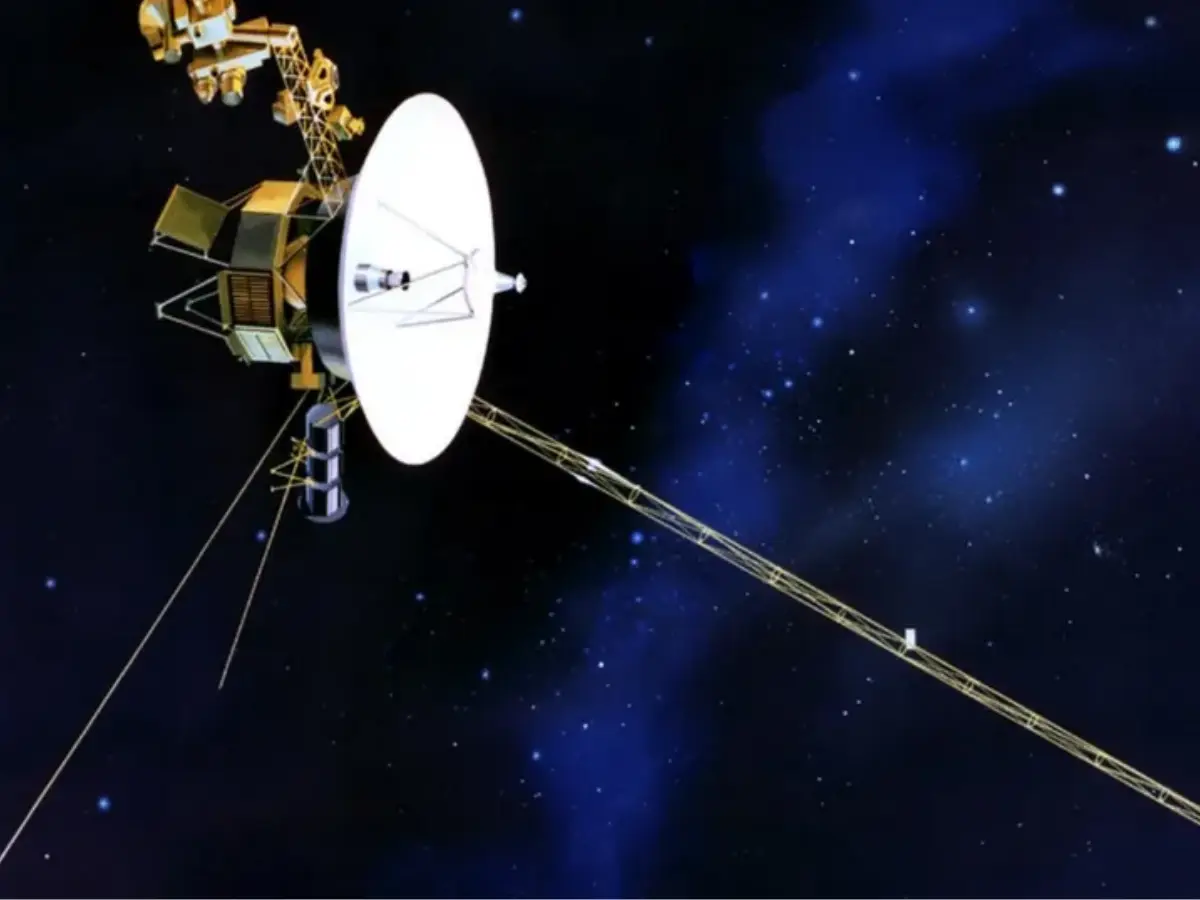
NASA's Voyager 2 probe flew by Uranus in 1986, providing the first observation of the ice giant that lives in the farthest reaches of the solar system. This event proved historic as scientists learned about what the planet was like, its moons and also raised certain mysteries. One of them was the presence of an electron belt of a much higher energy level than expected. Since then, scientists have been puzzled about how the Uranian system supports such an enormous amount of trapped electron radiation. They also studied other gas giants outside the solar system and compared the phenomenon observed on Uranus. Turns out, it was all for nothing. A study has found that Voyager 2 simply scanned the planet at a time when another cosmic occurrence was also going on, causing the mysterious observation.
Scientists at the Southwest Research Institute (SwRI) have pointed out that what Voyager 2 saw was happening because of a solar wind structure. They suggest that a "co-rotating interaction region" was passing through the system right when Voyager 2 made the flyby. Space physicist and the Lead Scientist of the SwRI's Space Sciences Division, Dr Robert C. Allen, led the study and was assisted by SwRI Lead Scientist Sarah Vines. They published their findings in Geophysical Research Letters.

Voyager 2 encountered Uranus at the wrong time
Voyager 2 measured the radiation environment at Uranus, which formed the basis for the scientific belief that it has a weaker ion radiation belt and a very intense electron radiation belt. But when Allen's team analysed the data again, they found that this observation was not made during normal solar wind conditions and that at the time, a transient solar wind event was passing through the system. According to them, Voyager 2 recorded the most powerful high-frequency waves at this point during its entire mission.
Trending Stories
)
IND vs JPN one-off T20I: India survive scare from Japan to win five-over a side match by 2 runs
)
Putin's United Russia party wins 355 seats in Duma election; 4 other parties cross threshold to enter parliament
)
AI models chose to harm humans to stop ‘pain,’ alarming study raises fresh safety questions
)
‘0% chance’: Nvidia CEO Jensen Huang dismisses AI extinction fears by 2030
)
Samay Raina-Mukesh Chhabra controversy explained: What happened over girlfriend joke on India's Got Latent?
)
Trump's helipad event overshadowed by audio failure as major TV networks suspend pool coverage
)
'Needs time away from the international scene': England white-ball captain Brook on pacer Brydon Carse's future
)
New Zealand farms shift to carbon forests: Carbon credits fuel a land rush reshaping rural life
)
Anti-AI activists storm summit, say 'incompetent' leaders are leading us into a disaster - 'We need a vote'
)
J&K Assembly Session begins amid chaos: BJP, ruling alliance clash as statehood demand dominates
)
Asian Games 2026: India women's cricket team beats Sri Lanka by 147 runs for first gold
)
Key accused in Bihar's Jamui molestation case, arrested after police shoot him in leg
)
Randeep Hooda arrives in Gujarat for his first National Film Award: ‘Very grateful’
)
US and China vie for AI dominance as calls grow for regulation | Gravitas
&im=FitAndFill=(700,400))
Anant Nag to recieve Dadasaheb Phalke Award: From Ankur to Nishant- Revisit his best films and iconic performances on OTT
)
UK banks are rethinking financial crime detection because of algorithm
)
FIFA chief Infantino wants to reform governing body with consultation from federations
)
India at UNGA81: Jaishankar warns global order under 'growing stress', pushes for ‘reformed multilateralism’
)
IND vs JPN, one-off T20I: Japan captain Kendel on pushing India to the brink - ‘It was special’
)
Raaka creates history! Allu Arjun’s film secures Guinness World Record ahead of release
)
Saudi Arabia exits China-led mBridge digital currency platform amid Saudi-Houthi conflict
)
Indonesian groups sue govt over wildfires as haze crosses borders, nearly 900,000 hectares burned
)
'Lot of things to learn from experienced players': Jayasuriya backs Rohit, Virat for 2027 ODI World Cup
)
$110 billion Warner Bros merger: Paramount reaches settlement with 12 US states
&im=FitAndFill=(700,400))
New OTT releases this week (September 21-27, 2026): Shaque: Trust No One, Hunkkaar, Don’t Be Shy- 5 new titles coming to Netflix, Prime Video and more
)
From ‘communist’ to ‘great mayor’: Trump praises Mamdani after New York meeting, discusses immigration and housing
)
Report: Zelensky meets CIA chief Ratcliffe at Shannon airport, weeks after his secret Moscow trip
)
How Zaheer Khan came to be CSK's head coach of IPL 2027
)
Who is Clavicular? The 20-year-old controversial 'Looksmaxxing' influencer charged with rape allegations
)
Pilot recreates Mona Lisa in sky over Oklahoma and Arkansas in four-hour flight: VIDEO
)
UK PM Burnham agrees to 'defensive' military support for Saudi Arabia against Houthis
)
Jailer 2: Vidya Balan joins Rajinikanth's upcoming film as Kantha | Watch
&im=FitAndFill=(700,400))
National Film Awards 2026: Kartik Aaryan, Mammootty, Yami Gautam, Randeep Hooda and other key winners
)
Microsoft executive called AI training the ‘largest theft of labour in human history’
)
40-foot waves crash into cruise ship in dangerous stretch near Antarctica. Watch
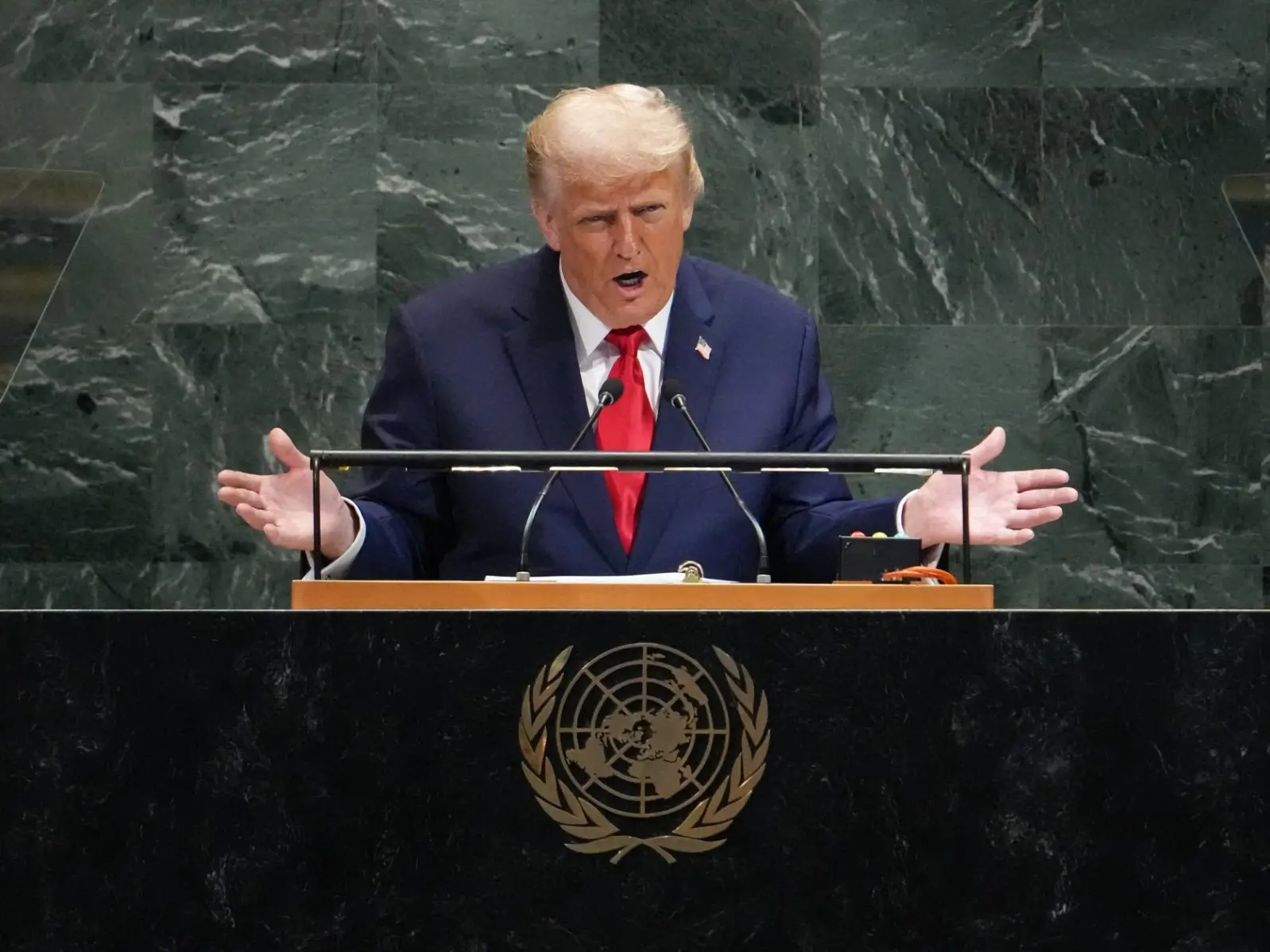)
US-Iran war, peace deals and more: What to expect from Trump's UNGA 2026 speech
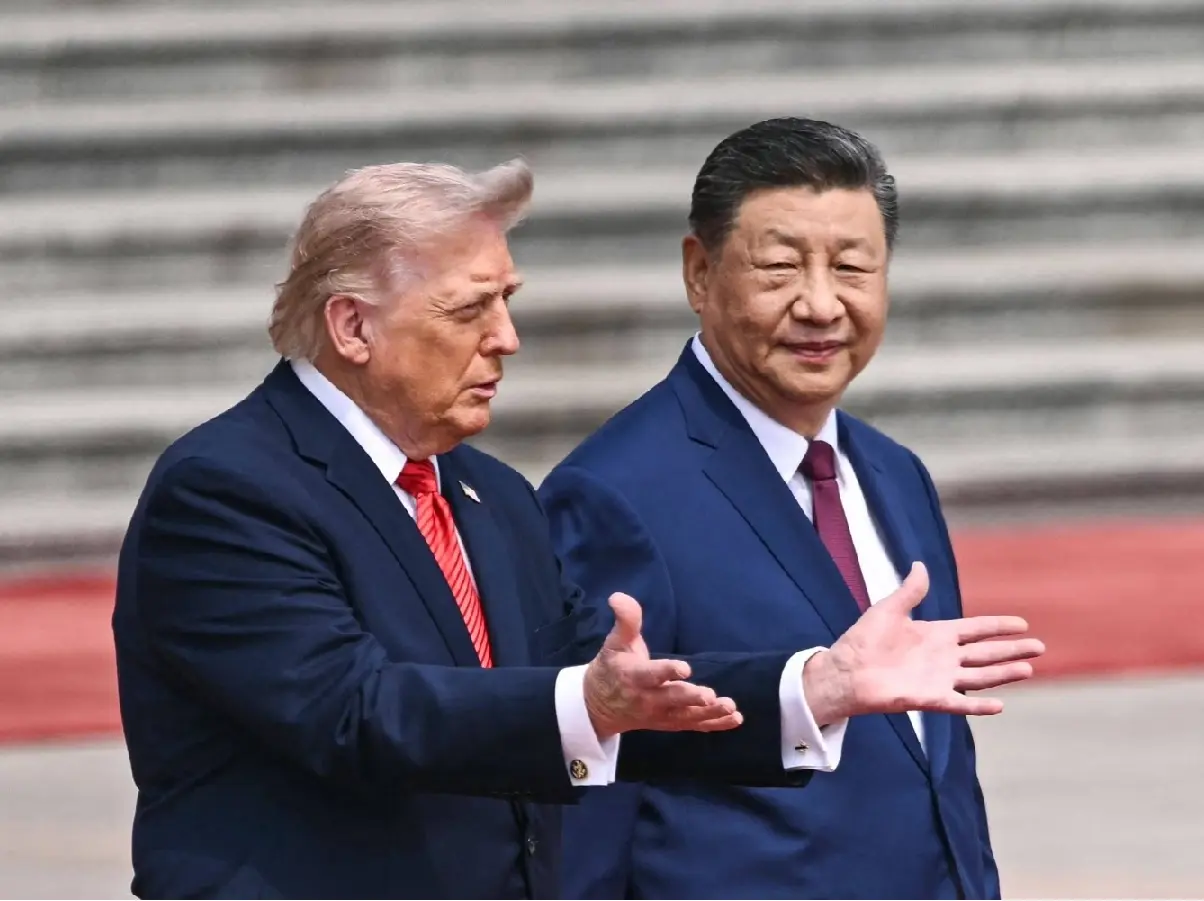)
Explainer: Why rare-earth export licences and Board of Trade are US priorities ahead of Trump-Xi summit
)
Two infants die after fire breaks out at RIMS newborn care unit in Telangana's Adilabad
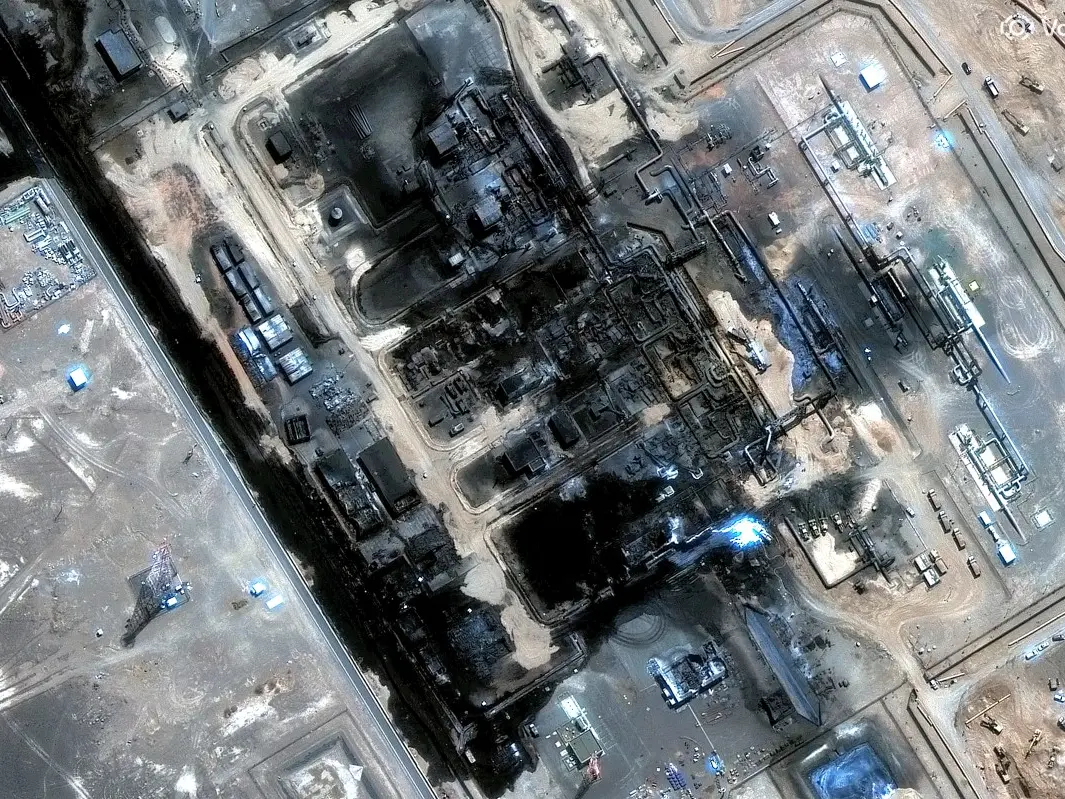)
Oil slips to $98 as Saudi Arabia restarts East-West oil pipeline
"Science has come a long way since the Voyager 2 flyby. We decided to take a comparative approach, looking at the Voyager 2 data and comparing it to Earth observations we've made in the decades since," said Dr Allen in a statement. Something similar happened with Earth in 2019, when solar winds caused an "immense amount of radiation belt electron acceleration." This explains why "Voyager 2 saw all this unexpected additional energy," he said.

