Sleepless nights linked to Alzheimer's-like brain damage, 25 years of data shows

&imwidth=600&imheight=450&format=webp&quality=medium "Sleepless nights linked to Alzheimer's-like brain damage, 25 years of data shows")
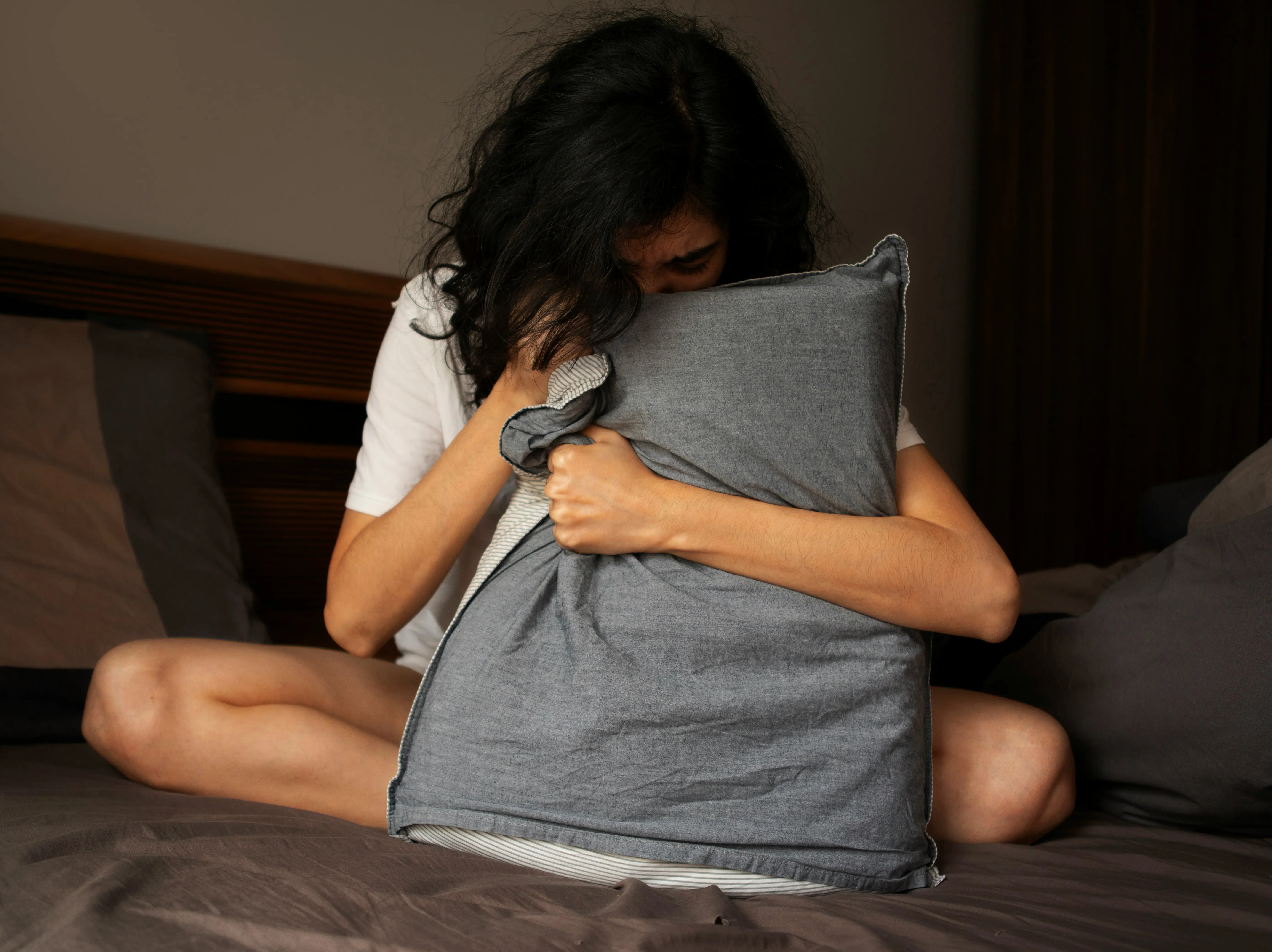
Less sleep can damage the brain. Photograph: (Unsplash)
A study has linked less sleep to brain damage similar to that seen in Alzheimer's. Scientists say losing even one night of sleep, restlessness or insomnia can damage the brain, which needs shut-eye to store memories and function efficiently.
Sleep deprivation has been linked to problems in the brain that appear similar to those seen in Alzheimer's patients. According to scientists from the University of Ibadan in Nigeria, just one sleepless night could damage the brain. The team analysed medical data focused on sleep deprivation, memory and brain function over the last 25 years to reach the conclusion. Restlessness during sleep can weaken the connection between brain cells, trigger inflammation that could affect memory and allow toxins to build up. The affected person also develops fewer brain cells. The study states that the markers were similar to those seen in Alzheimer's, which is a long-term degenerative condition. The latter mainly strikes older adults and causes memory loss and death. However, the new condition is something that can be prevented by getting adequate sleep and avoiding staying awake at night.
Also Read: Sorry boys, science has cancelled you: Study says 'manly' activities are killing the planet
Sleep more, nap when possible to avoid brain damage
The researchers recommend between seven and nine hours of sleep each day for adults between the ages of 18 and 64. The required number rises significantly in children as their developing brains need more shut-eye. They warned that those who stay awake all night for studies and work are being counter-productive, as this only creates more problems and makes it hard to retain information. Such people have problems thinking clearly the next day, have trouble learning new things, forget easily and even have false memories. Their moods also took the hit while also impacting emotional memories. "These disruptions result in significant deficits in learning, memory acquisition, and synaptic efficacy, with even short periods of sleep deprivation causing measurable reductions in synaptic plasticity and memory function," the authors wrote in the study.
The simple way to prevent and even reverse this condition is to take naps during the day and adequate sleep at night. The study published in the journal IBRO Neuroscience Reports gathered data from studies published from 2000 to 2025 to create a summary on "sleep deprivation," "memory consolidation" and the hippocampus, the region of the brain responsible for forming new long-term memories, learning, and spatial navigation. This seahorse-shaped part fires special electrical waves called "sharp wave ripples" that replay our experiences. New information and memories are actively processed by the brain while one is asleep. Consequently, less sleep causes improper functioning of the hippocampus. Levels of toxic proteins known as beta-amyloid and tau also shoot up with less sleep. The study recommends everyone should have a sleep schedule that they should follow consistently, besides a fixed wake-up time.
&imwidth=280&imheight=210&format=webp&quality=medium)
&im=FitAndFill=(700,400)&imwidth=280&imheight=210&format=webp&quality=medium)
&imwidth=280&imheight=210&format=webp&quality=medium)
&imwidth=280&imheight=210&format=webp&quality=medium)
&imwidth=280&imheight=210&format=webp&quality=medium)
&imwidth=280&imheight=210&format=webp&quality=medium)
&imwidth=280&imheight=210&format=webp&quality=medium)
&imwidth=280&imheight=210&format=webp&quality=medium)
&imwidth=280&imheight=210&format=webp&quality=medium)
&imwidth=280&imheight=210&format=webp&quality=medium)
&imwidth=280&imheight=210&format=webp&quality=medium)
&imwidth=280&imheight=210&format=webp&quality=medium)
&im=FitAndFill=(700,400)&imwidth=280&imheight=210&format=webp&quality=medium)
&imwidth=280&imheight=210&format=webp&quality=medium)
&imwidth=280&imheight=210&format=webp&quality=medium)
&imwidth=280&imheight=210&format=webp&quality=medium)
&imwidth=280&imheight=210&format=webp&quality=medium)
&imwidth=280&imheight=210&format=webp&quality=medium)
&imwidth=280&imheight=210&format=webp&quality=medium)
&imwidth=280&imheight=210&format=webp&quality=medium)
&imwidth=280&imheight=210&format=webp&quality=medium)
&imwidth=280&imheight=210&format=webp&quality=medium)
&imwidth=280&imheight=210&format=webp&quality=medium)
&im=FitAndFill=(700,400)&imwidth=280&imheight=210&format=webp&quality=medium)
&imwidth=280&imheight=210&format=webp&quality=medium)
&imwidth=280&imheight=210&format=webp&quality=medium)
&imwidth=280&imheight=210&format=webp&quality=medium)
&imwidth=280&imheight=210&format=webp&quality=medium)
&imwidth=280&imheight=210&format=webp&quality=medium)
&imwidth=280&imheight=210&format=webp&quality=medium)
&imwidth=280&imheight=210&format=webp&quality=medium)
&imwidth=280&imheight=210&format=webp&quality=medium)
&imwidth=280&imheight=210&format=webp&quality=medium)
&imwidth=280&imheight=210&format=webp&quality=medium)
&imwidth=280&imheight=210&format=webp&quality=medium)