Scientists baffled over ‘mysterious tremors’ recorded in Denmark

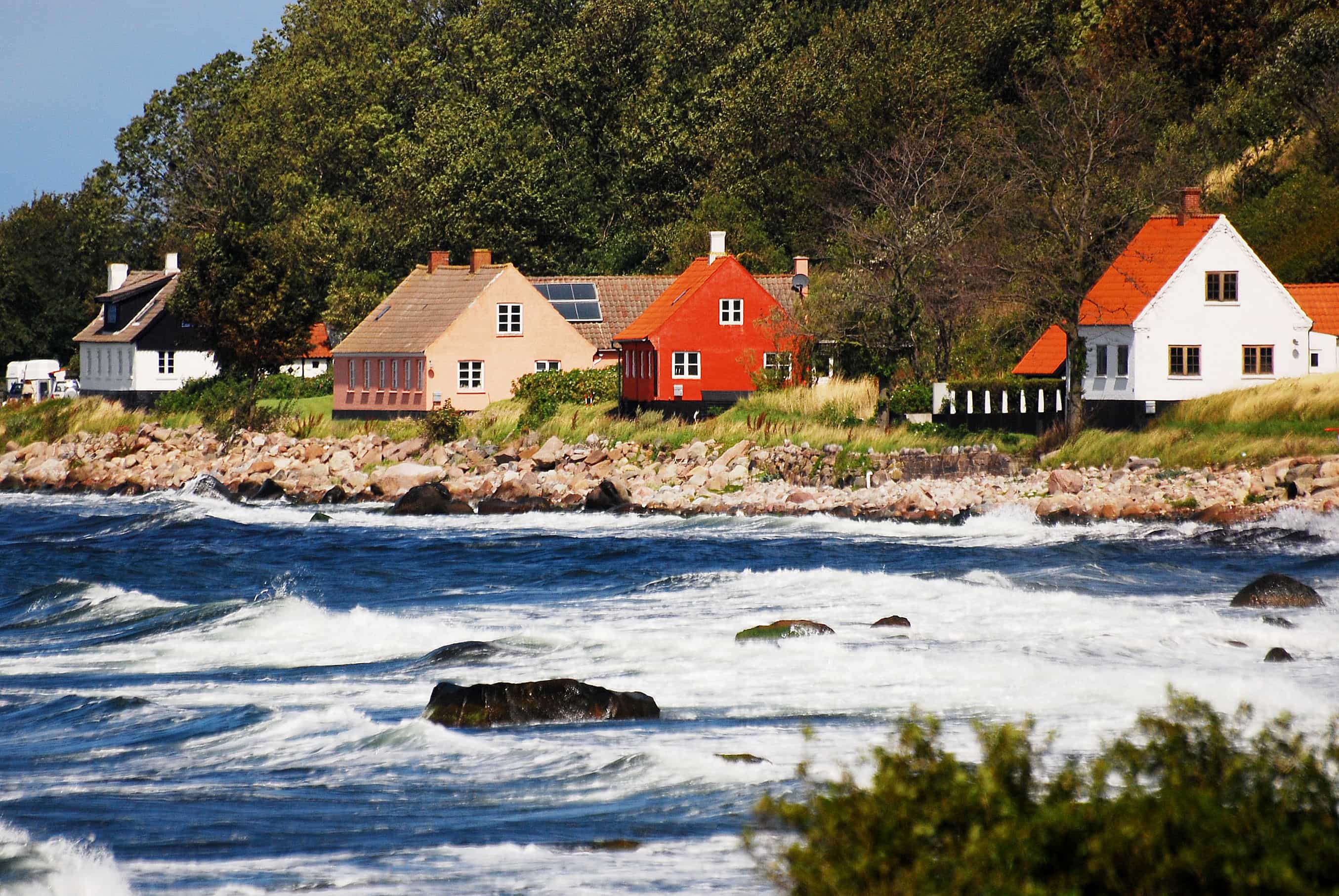
Myesterious tremors jolt residents
Scientists in Denmark are puzzled by a series of tremors from the Danish Baltic island of Bornholm who have claimed that it is being caused by "acoustic pressure waves from the atmosphere”, and added that they are unable to ascertain the source of this mysterious geological phenomenon.
These tremors were first recorded on Saturday, after the Geological Survey of Denmark and Greenland (GUES)—the official body that monitors the underground—received "more than 60" tips from people in Bornholm about "earthquake-like tremors" reported in the afternoon.
They described the tremors as deep rumbling, shaking and rattling, and changing pressure in the ear.

Initially, many falsely believed that they may have been caused by earthquakes. Seismologists had theorised that they may have originated from controlled explosions in Poland, more than nearly 90 miles (145 km) to the south.
However, on Monday, the GUES clarified that the tremors were "not caused by earthquakes, but by pressure waves from an event in the atmosphere." However, they came from "an unknown source."
"The seismologists can report that it is unlikely that the tremors originate from a controlled explosion in Poland, which was carried out shortly before the first reports of tremors on Bornholm," the body known as GEUS said in a statement.
Scientists develop fabric made of 'Fungi' which needs no stitching
Danish media reported that police had received complaints from the public about the tremor on the eastern part of the island. The tremors also caused a crack in the wall of some of the houses. But no one was injured.
The Geological Survey of Denmark and Greenland said that seismic tremors were measured at a magnitude of 2.3.
Polish authorities have said that there was intensive activity during the Anakonda23 exercise in Ustka, northern Poland, involving jet fighters and live firing of artillery munitions.
GEUS, an independent research and advisory institution within Denmark’s Ministry of Climate, Energy and Utilities, said that it had two seismographs on Bornholm that collect data around the clock.
Bornholm is home to nearly 40,000 people. It is a rocky island in the Baltic Sea, south of Sweden, northeast of Germany and north of Poland.
(With inputs from agencies)
WATCH WION LIVE HERE