Plan B is not an abortion pill, changes in packaging to clarify the same: US FDA


FDA to change packaging labels of Plan B pill
The US Food and Drug Administration (FDA) has decided to change the packaging labels for the Plan B Morning-After pill to specify that it is not an abortion pill. The administration said that it would remove all pictures or claims that refer that the pill might prevent a fertilised egg in the womb.
Plan B is an over-the-counter (OTC) medicine, that is it can be bought without a prescription in case of unprotected sex. It can be taken as a backup method of medical birth control to reduce the chance of pregnancy, only if taken within 72 hours after contraceptive failures or unprotected sex. FDA clarifies that the Plan B pill works by stopping or delaying the release of an egg from the ovary and not by causing an abortion.
Also Read |180 Rohingyas that went missing in damaged boat probably dead as relatives lost contact: UNHCR

What do the packaging labels of the Plan B pill say?
Packaging labels of Plan B and its generic versions have been wrongly claiming that taking the pill might be able to prevent a fertilised egg from implanting. Medical professionals say this claim is not backed by any scientific evidence but was shown on the label only to get Plan B's OTC status approved.
How do Plan B pills work?
)
Did India risk its US trade deal despite softer stance at BRICS?
)
First naval drone battle? Ukraine says Sargan 3000 sank Russian unmanned boat
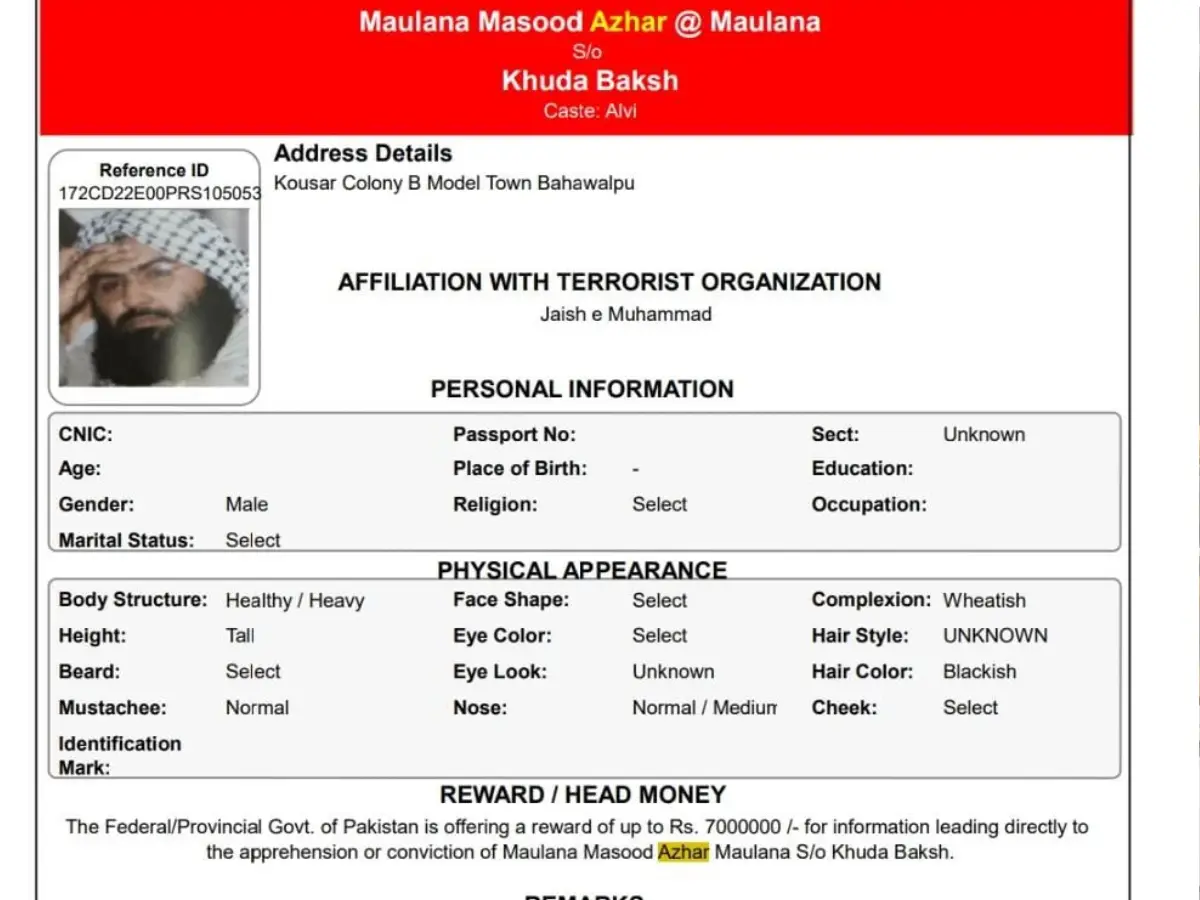)
Pakistan puts Pak Rs 70 lakh bounty on UN terrorist Masood Azhar; move draws skepticism in Delhi
)
Practical Magic 2 breaks Spidey spell over North American box office
)
'Huge destructive power': North Korea calls its latest missile launches 'live-fire drill' even as US dismisses 'immediate threat'
&im=FitAndFill=(700,400))
Meet top 5 batters fastest to 3000 runs in T20Is
)
‘Let’s go’: Newly declassified videos show dramatic rescue of US Air Force officers downed in Iran
)
Delhi’s balancing act: BRICS serves as a stage for West Asia diplomacy
&im=FitAndFill=(700,400))
Why European Meteor missiles use ramjet engines compared to standard US solid rockets
)
Iran, India agree to deepen humanitarian and political ties, President Pezeshkian says
)
‘Want to reset ties with India, have engagement based on mutual interests,’ says Bangladesh minister
)
Trump says Canada eager to reach a deal, it could come ‘fairly soon’ if Ottawa treats US farmers better
)
Turkish Airlines plane flies through a storm three times, triggering severe turbulence
&im=FitAndFill=(700,400))
Why Chinese PL-15 air-to-air missiles use dual-pulse motors compared to European interceptors
)
China thinned Himalayan troop presence in 2025, India defence report says; terms border situation 'stable'
)
800 million years old - Scientists discover 'fingerprints' of supercontinent Gondwana in ancient rocks
)
Russia proposes to build 360 kmph Ivolga FG trains in India: What happened on sidelines of BRICS
)
Israeli minister calls to strip Gaza film directors of citizenship
)
China discovers vast gold and silver 'mine' in the Pacific with unheard-of deposits
)
Russian drone hits Warsaw-bound train near Polish border, Zelensky accuses Moscow of ‘deliberate’ targeting
)
War is making Russia stronger? How Ukraine is shaping Moscow’s next generation of weapons
)
NEET-UG to move to computer-based test soon, NTA DG says ‘CBT is the future’
)
Woman removes all her clothes on American Airlines flight, performs 'indecent acts'; arrested
&im=FitAndFill=(700,400))
New OTT releases this week (September 14-20, 2026): Lust Stories 3, Waiting Hai, Irumudi- 5 new titles coming on Netflix, Prime Video and more
)
Liam Neeson sparks romance rumours after holding hands with Stella Stocker at TIFF 2026
)
Indian importers urge Bangladesh to lift export ban on 'Hilsa' fish ahead of Durga Puja
)
Did China give Iran intel before US base strike that killed 3 troops? Trump says, 'You’re right...'
)
Meghan Markle shares first glimpse of family life with Prince Harry and children in UK
)
Crude oil prices jump more than $107 per barrel following Houthi attacks on Saudi
&im=FitAndFill=(700,400))
From Rinku Singh to Mayank Yadav, 5 players dropped from India’s squad for Afghanistan T20Is
)
PM Modi and China's Xi offered to help resolve Russia-Ukraine war: Kremlin
)
Women's Asia Cup 2026: India denied trophy once again despite winning the title
)
Humans may lose control of AI: Anthropic CEO calls for slowdown, Altman, Musk back him
The Plan B pill comes in the form of one tablet that contains a much higher dose of the synthetic hormone levonorgestrel than the birth control pills and works in a similar way by stopping or delaying the release of an egg from the ovary.
Why FDA decided on changing the labels of Plan B pills?
According to an FDA update on Friday, the agency is making label changes at the request of the manufacturer of Plan B and after considering the additional scientific evidence carefully.
"FDA determined the current science supports a conclusion that Plan B One-Step works by inhibiting or delaying ovulation and the mid-cycle hormonal changes", the agency said. "The evidence also supports the conclusion that there is no direct effect on fertilization or implantation".
Also Read |New COVID BF.7 outbreak causes blood shortage across China
In a survey conducted in 2021 by the Centers for Disease Control, at least 24.3 per cent of women aged between 22 to 49 reported that they had used emergency contraception pills.
And after the US supreme court's decision earlier this year to overturn the constitutional right to abortion,pharmacies reportedly started setting limits on the number of emergency contraception pills consumers could buy. In several conservative states, access to these emergency contraceptive pills remains severely limited.
WATCH WION LIVE HERE
You can now write for wionews.com and be a part of the community. Share your stories and opinions with us here.